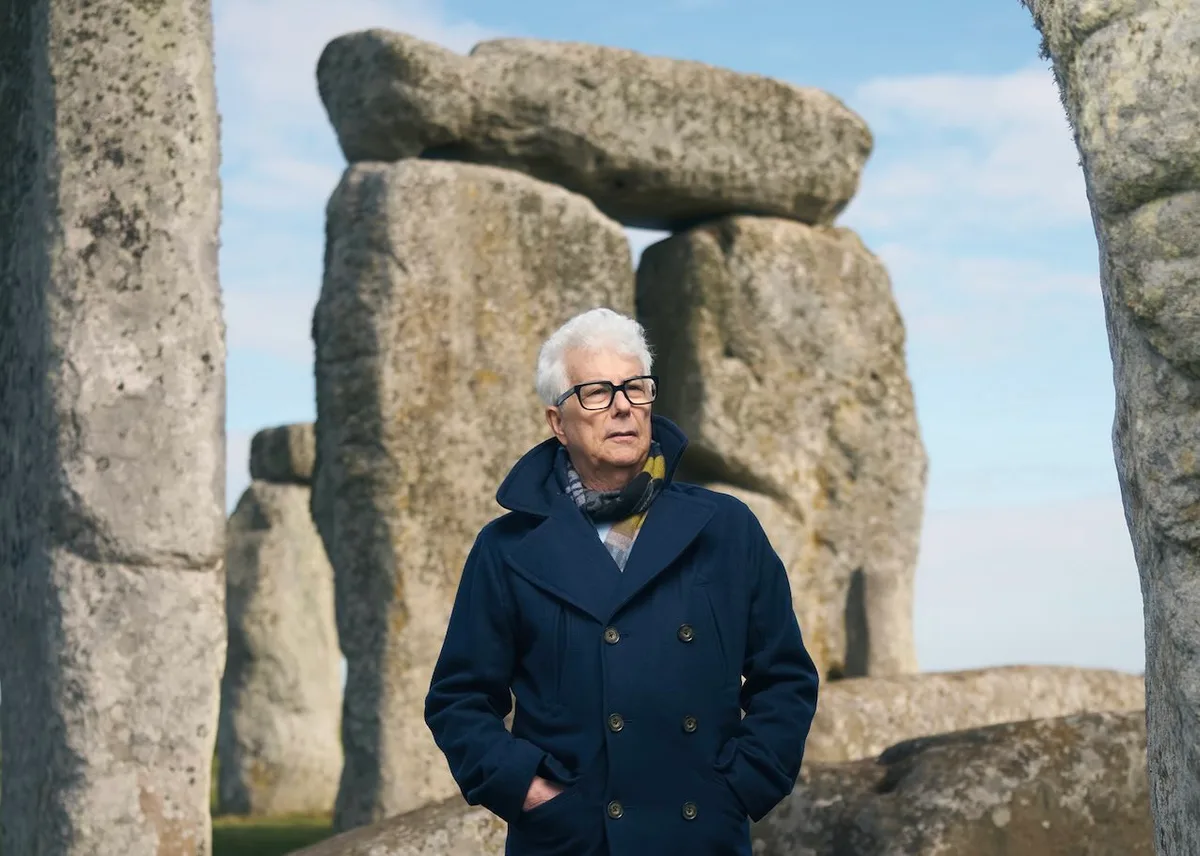
Stonehenge has long captivated both scientists and spiritual seekers, drawing over a million visitors each year to its prehistoric stone circle. In his novel Circle of Days, author Ken Follett explores the enduring mystery surrounding the monument.
When asked about his early interest in history, Follett admits he actually disliked history at school, finding it boring, though he did enjoy reading historical novels. His curiosity deepened while writing spy stories, when he realized a narrative set against real historical battles or wars made for a far more compelling story. This led him to study military history, particularly moments when a spy could influence historical events.
Follett is fascinated by Stonehenge and similar structures because they show how ordinary people, often living humble lives, can create something lasting and extraordinary. He compares this achievement to the building of medieval cathedrals—works that transcend their creators’ circumstances.
During his research for the book, he was especially struck by the discovery that Stone Age people dug mines to extract high-quality flint for tool-making, such as those at Grimes Graves in Norfolk. These mines suggest the existence of trade networks in the Stone Age, a revelation that had a strong impact on him.
Regarding the construction of Stonehenge, Follett acknowledges that while he has his own theories, they are based on archaeological research and expert consensus rather than definitive proof. The mystery surrounding its creation allows him to use imagination to fill in the gaps, which makes Stonehenge an ideal subject for a novelist.
As for the motivation behind the monument, Follett notes that the people who built it are the true focus of his story. Constructing Stonehenge would have been extremely challenging, especially since it predates the wheel and animals were not used to transport the massive stones. Moving them required immense human effort and determination. While the exact reasons remain unknown, the feat itself is inspiring—and for the full answer to why Stonehenge was built, readers must turn to his book.