• MAIN PAGE
  • LATEST NEWS
    • Lost Cities
    • Archaeology's Greatest Finds
    • Underwater Discoveries
    • Greatest Inventions
    • Studies
    • Blog
  • PHILOSOPHY
  • HISTORY
  • RELIGIONS
    • Africa
    • Anatolia
    • Arabian Peninsula
    • Balkan Region
    • China - East Asia
    • Europe
    • Eurasian Steppe
    • Levant
    • Mesopotamia
    • Oceania - SE Asia
    • Pre-Columbian Civilizations of America
    • Iranian Plateau - Central Asia
    • Indus Valley - South Asia
    • Japan
    • The Archaeologist Editor Group
    • Scientific Studies
    • Aegean Prehistory
    • Historical Period
    • Byzantine Middle Ages
    • Predynastic Period
    • Dynastic Period
    • Greco-Roman Egypt
  • Rome
  • PALEONTOLOGY
  • About us
Menu

The Archaeologist

  • MAIN PAGE
  • LATEST NEWS
  • DISCOVERIES
    • Lost Cities
    • Archaeology's Greatest Finds
    • Underwater Discoveries
    • Greatest Inventions
    • Studies
    • Blog
  • PHILOSOPHY
  • HISTORY
  • RELIGIONS
  • World Civilizations
    • Africa
    • Anatolia
    • Arabian Peninsula
    • Balkan Region
    • China - East Asia
    • Europe
    • Eurasian Steppe
    • Levant
    • Mesopotamia
    • Oceania - SE Asia
    • Pre-Columbian Civilizations of America
    • Iranian Plateau - Central Asia
    • Indus Valley - South Asia
    • Japan
    • The Archaeologist Editor Group
    • Scientific Studies
  • GREECE
    • Aegean Prehistory
    • Historical Period
    • Byzantine Middle Ages
  • Egypt
    • Predynastic Period
    • Dynastic Period
    • Greco-Roman Egypt
  • Rome
  • PALEONTOLOGY
  • About us
No results found

What Life was Like for Asians in Ancient Rome

January 25, 2024

Delve into the intriguing possibilities of ancient globalization with this exploration into the potential encounters between Asians and Romans. As we unveil the mysteries of historical connections, we ponder the question: Did Asians reach Rome? Join us on a journey through the annals of time, where new discoveries and deciphered ancient texts shed light on the complex tapestry of interactions between diverse cultures.

While Greco-Roman explorers are well-documented in historical narratives, this video focuses on the lesser-known narrative of individuals from Asia who may have made their way to Rome. Delving into the realm of exploration, trade, and cultural exchange, we unravel the stories of those who undertook the arduous journey from Asia to the heart of the Roman Empire.

Discover the cultural and traditional imprints left by these travelers as they navigated the unfamiliar terrain of Rome. What accomplishments did they achieve, and how did their presence influence the rich mosaic of Roman society? Uncover the shared legacies and the cultural fusion that may have occurred as a result of these cross-cultural encounters.

In this video, we bridge the gaps in historical understanding, embracing the evolving narrative of ancient globalization. As we learn more about the interconnectedness of civilizations, we strive to appreciate the diverse contributions that individuals from Asia may have made to the ever-expanding canvas of Roman history.

← A Group Of Workers Accidentally Unearthed An Artifact That Made Them Call For ReinforcementsGiza Pyramids and Sphinx Unveiled in Rare Vintage Footage (1926-1930) →
Featured
images (85).jpeg
September 14, 2026
Birka: Sweden's Viking Trading Island
September 14, 2026
Read more →
September 14, 2026
images (84).jpeg
September 14, 2026
Uppåkra: Sweden's Iron Age Power Center
September 14, 2026
Read more →
September 14, 2026
images (83).jpeg
September 14, 2026
Tissø: Denmark's Viking Age Lake Village
September 14, 2026
Read more →
September 14, 2026
images (82).jpeg
September 14, 2026
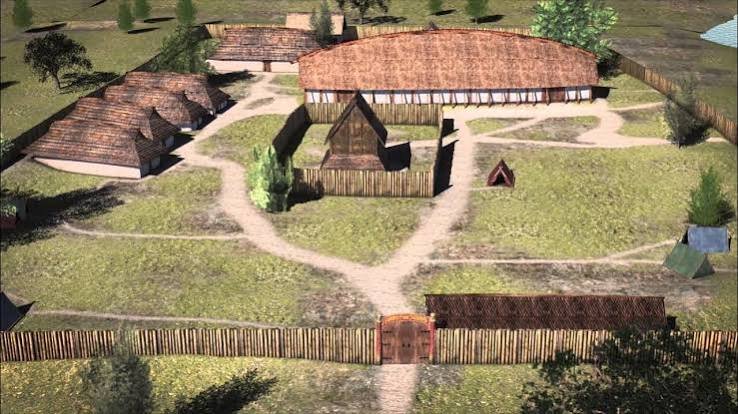
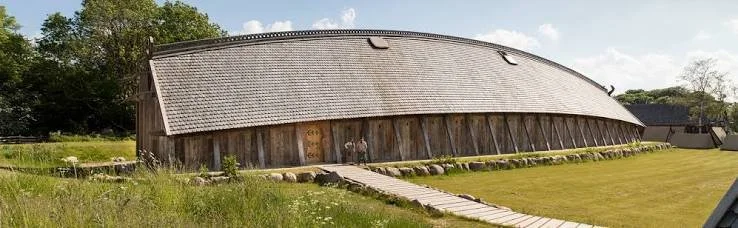
Lejre: Denmark's Royal Iron Age Hal
September 14, 2026
Read more →
September 14, 2026
images (81).jpeg
September 14, 2026
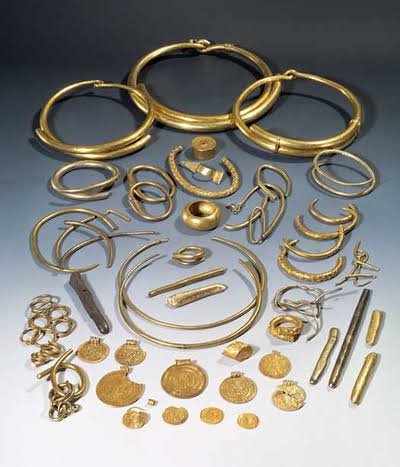
Gudme: Denmark's Iron Age Gold Hoard Site
September 14, 2026
Read more →
September 14, 2026
images (80).jpeg
September 14, 2026
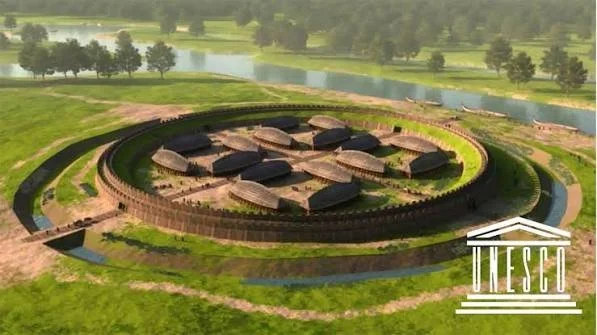
Nonnebakken: Odense's Viking Fort Remains
September 14, 2026
Read more →
September 14, 2026
read more

Powered by The archaeologist