A Brief History Of Slavery In the Viking Era


BY THE ARCHAEOLOGIST EDITOR GROUP


Unveiling a Darker Side of Nordic History

In recent years, historians have established that slavery during the Viking era was far more common than once believed. And it was during this era that, for the first time, Scandinavians made the capture and use of slaves a key part of their economy and military campaigns. In fact, some historians now argue that the Vikings were responsible for more human trafficking in the period 750–1050 C.E. than any other civilization. Although slavery existed in some form in Scandinavia long before the Viking era, it was during this period that we saw a sharp uptake in the number of slaves.

When one thinks of Vikings, images of fearsome warriors, expert sailors, and legendary raids often come to mind. While these portrayals hold truth, there's a less explored facet of Viking society that remains essential to understanding their way of life: the institution of slavery. Just like other ancient civilizations, the Viking Age (circa 793–1066 AD) witnessed a thriving slave trade, providing vital insights into the socio-economic fabric of the Nordic world.

Origins of Viking Slavery

Slavery, or "thrall" (þræll in Old Norse), was deeply embedded in Norse society long before the Viking Age. Origin tales like the 'Rígsthula,' a poetic lay from the Old Norse 'Poetic Edda,' recounts the story of the god Ríg, who sires the classes of slaves, freemen, and nobles, indicating the age-old acceptance of this social hierarchy.

Sources of Slaves

Viking raids, which remain infamous for their ferocity and scale, were significant sources of slaves. Monasteries, villages, and towns across Europe, particularly in the British Isles, were favorite targets. The inhabitants of these raided settlements were often captured and enslaved.

Another source was the internal economy of the Nordic regions. Poverty or debt could push individuals into slavery, either voluntarily or involuntarily. Furthermore, the children of slaves were automatically considered slaves, perpetuating the cycle across generations.

Roles and Living Conditions

Slaves in the Viking world were primarily used for manual labor. They tilled fields, tended livestock, and did household chores. Skilled slaves, although a minority, could be artisans, craftspeople, or even attendants.

Living conditions for slaves were understandably harsh. They were often subject to the whims of their masters, with little to no rights. Physical punishments were common, and their freedom of movement was restricted. However, it's worth noting that the treatment of slaves varied widely, contingent on the disposition of their masters and the specific roles they played.

Economic Significance

Slaves were considered valuable commodities in Viking society. They were often traded in markets across Europe and Asia, forming an integral part of the Viking economy. Notable trading centers, like the one at Hedeby at the southern tip of the Jutland Peninsula, saw the exchange of slaves for various goods, from Arabic silver to exotic spices.

The End of Slavery in the Viking World

The decline of Viking raids and the increasing Christianization of Scandinavia in the late Viking Age played significant roles in curbing the slave trade. Christian doctrine, emphasizing the inherent value of all human beings, conflicted with the concept of slavery. By the late Middle Ages, as Scandinavian kingdoms centralized and legal systems evolved, the institution of slavery began its gradual decline, eventually fading into obscurity.

Slavery in the Viking era stands as a stark reminder that no civilization, no matter how advanced or formidable, is immune to the darker facets of human nature. While the Vikings are celebrated for their exploratory zeal, martial prowess, and cultural contributions, it's essential to view their history holistically, acknowledging the complexities and contradictions that define any society.

Who were the Vikings?

Today, Scandinavia is known as three separate countries: Denmark, Norway, and Sweden. But back in the 8th to 11th centuries, these three countries were more of a loose region known as Scandinavia. The people of Scandinavia were followers of the Old Norse religion and were recognized throughout Europe under the banner ‘Norsemen, or the now more popular Vikings.

Scandinavian society consisted of loosely connected tribes and petty kingdoms of Vikings scattered throughout the three regions amidst large areas of uninhabited land. As people most famous for their seafaring adventures and terrifying raids across Europe, it's no surprise that, like many other societies, the Vikings regularly took not only goods from the places they raided but people too, making them a slave-reliant society.

Forgotten History of the Ancient Picts

The Picts were a people of northern Scotland who are defined as a "confederation of tribal units whose political motivations derived from a need to ally against common enemies."

They were not a single tribe, nor necessarily a single people, although it is thought that they came originally from Scandinavia as a cohesive group. Since they left no written record of their history, what is known of them comes from later Roman and Scottish writers and from images the Picts themselves carved on stones.

They are first mentioned as "Picts" by the Roman writer Eumenius in 297 CE, who referred to the tribes of Northern Britain as "Picti" ("the painted ones"), ostensibly because of their habit of painting their bodies with dye. This origin of their name has been contested by modern scholarship, however, and it is probable they referred to themselves as some form of "Pecht", the word for "the ancestors". They were referenced earlier by Tacitus who referred to them as "Caledonians" which was the name of only one tribe.

The Picts held their territory against the invading Romans in a number of engagements and, although they were defeated in battle, they won the war; Scotland holds the distinction of never falling to the invading armies of Rome, even though the Romans attempted conquest numerous times. The Picts exist in the written record from their first mention in 297 CE until c. 900 CE, when no further mention is made of them. As modern scholars point out, their absence from written history does not mean that they mysteriously vanished or were conquered by the Scots and annihilated; it simply means no more was written about them as they merged with the southern Scots culture, who already had a written history by that time, and the two histories became one from then on.

Eridu Genesis: The Sumerian Epic of Creation

The Sumerian Flood Story (also known as the Eridu Genesis, Sumerian Creation Myth, and Sumerian Deluge Myth) is the oldest Mesopotamian text relating the tale of the Great Flood, which would appear in later works such as the Atrahasis (17th century BCE) and The Epic of Gilgamesh (c. 2150–1400 BCE).

The tale is also, most famously, told as the story of Noah and his ark from the biblical Book of Genesis (earliest possible date, c. 1450 BCE; latest, c. 800-600 BCE). The story is dated to c. 2300 BCE in its written form but is thought to be much older, preserved by oral tradition until committed to writing.

The extant work is badly damaged, with a number of significant lines missing, but it can still be read and easily understood as an early Great Flood story. Scholars who have studied the text generally rely on the later Akkadian/Babylonian Atrahasis, which tells the same tale, to fill in the blanks of missing text from the broken tablet. The story most likely influenced the Egyptian “flood story” known as The Book of the Heavenly Cow (dated, in part, to the First Intermediate Period of Egypt, 2181–2040 BCE), but certainly was the inspiration for the later Mesopotamian works as well as the biblical narrative of Noah.

The story was first discovered in 1893, during the period of widespread expeditions and excavations throughout Mesopotamia funded by western institutions. The good man in this version of the tale, chosen to survive the flood and preserve life on earth, is the Priest-King Ziudsura of the city of Suruppak (whose name means “life of long days”). This same figure appears as Atrahasis (“exceedingly wise”) in the later work that bears his name, as Utnapishtim (“he found life”) in The Epic of Gilgamesh, and as Noah (“rest” or “peace”) in the Book of Genesis.

The Ainu: History of the Indigenous people of Japan


BY THE ARCHAEOLOGIST EDITOR GROUP


The Ainu: A Journey Through the History of Japan's Indigenous People

Deep within the intricate tapestry of Japan's history lies a lesser-known but deeply significant thread: the story of the Ainu. As Japan's indigenous inhabitants, the Ainu possess a rich cultural heritage, unique traditions, and a tumultuous history that has shaped their relationship with the broader Japanese narrative.

Origins of the Ainu

The Ainu are believed to have inhabited the Japanese archipelago long before the emergence of the Yamato Japanese, the ethnic majority in Japan today. Historically, they occupied the northern regions, mainly present-day Hokkaido, as well as parts of the Russian Far East, such as the Kuril Islands and Sakhalin.

Their physical appearance, characterized by lighter skin, wavy hair, and a distinct facial structure, sets them apart from their Japanese counterparts. This has led researchers to posit different theories regarding their ancestry, with some suggesting links to Caucasian or Siberian groups.

Culture and Spirituality

Central to Ainu culture is the reverence for nature and the spirits, known as *kamuy. These spirits reside in animals, plants, and natural phenomena. The bear, for example, holds a special place in Ainu spirituality and is celebrated through the 'bear sending' ritual, or *Iomante. This ceremony involves raising a bear cub in an Ainu village and then sending its spirit back to the divine world through a ritualistic offering.

Their traditional attire, the attus, woven from the inner bark of the indigenous ito- (Japanese False Nettle) tree, showcases intricate embroidery and patterns that signify different familial lineages and regions.

Historical Struggles

The Ainu's relationship with the ethnic Japanese has been fraught with challenges. Beginning in the 13th century, trade relationships between the Ainu and the Japanese were established. However, as Japan expanded northward during the subsequent centuries, these relations became increasingly imbalanced.

By the Meiji period (1868–1922), the Japanese government had initiated policies aimed at assimilating the Ainu, driven by a vision of a homogenous national identity. The Ainu were prohibited from practicing their customs or speaking their language, and even their traditional hunting and fishing activities were restricted. This period marked a significant loss of Ainu cultural heritage.

Recognition and Revival

It wasn't until the late 20th and early 21st centuries that efforts to recognize and revive Ainu culture gained momentum. In 1997, the Ainu Culture Promotion Act was enacted to preserve and promote Ainu heritage. More significantly, in 2008, the Japanese government officially recognized the Ainu as the indigenous people of Japan.

Today, there's a palpable effort to rekindle Ainu traditions. Institutions like the Ainu Museum in Shiraoi, Hokkaido, and cultural parks offer insights into their traditional ways of life. Efforts are also being made to revive the Ainu language, although it remains critically endangered.

The journey of the Ainu, from ancient inhabitants of the Japanese archipelago to a marginalized community and then to a recognized and celebrated part of Japanese culture, mirrors the complexities inherent in the histories of indigenous communities worldwide. As the modern world grapples with questions of identity and cultural preservation, the Ainu stand as a testament to resilience, endurance, and the indomitable spirit of a people deeply connected to their land and heritage.

Exploring the Most Famous Ancient Artifacts

In the dim light of history, certain artifacts shine like stars, illuminating the path to civilizations long past. These objects, crafted by ancient hands and preserved through centuries, hold stories that transcend time. Join us as we embark on a journey through the annals of history to explore some of the most famous ancient artifacts that continue to captivate our imagination.

1. The Rosetta Stone

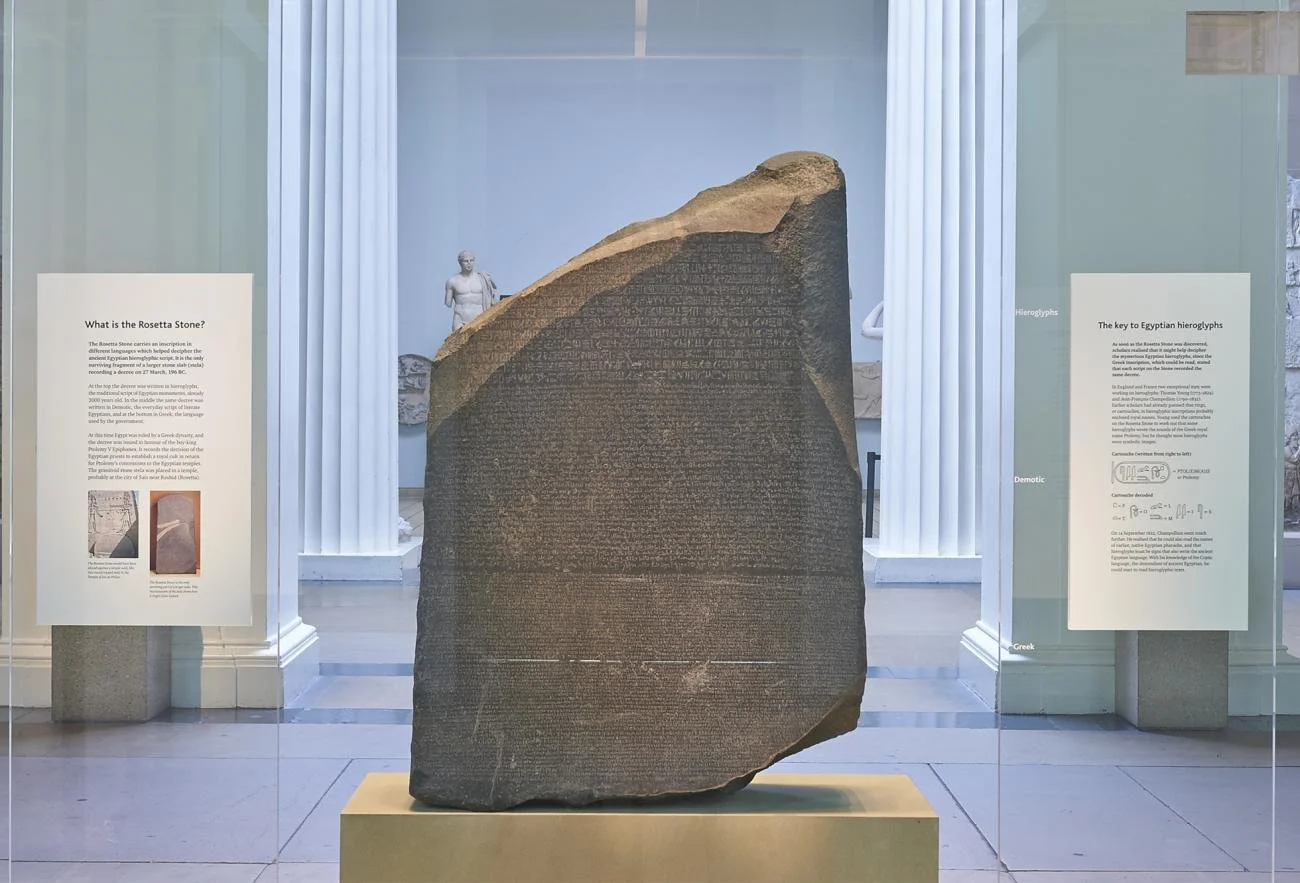
Discovered in 1799 in Rosetta, Egypt, this stone tablet became the key to unlocking the mysteries of Egyptian hieroglyphs. Engraved with a decree in three scripts—Ancient Greek, hieroglyphs, and demotic—by Ptolemy V, the Rosetta Stone allowed scholars to decipher the enigmatic script of ancient Egypt, opening a window into its rich culture and history.

2. The Terracotta Army

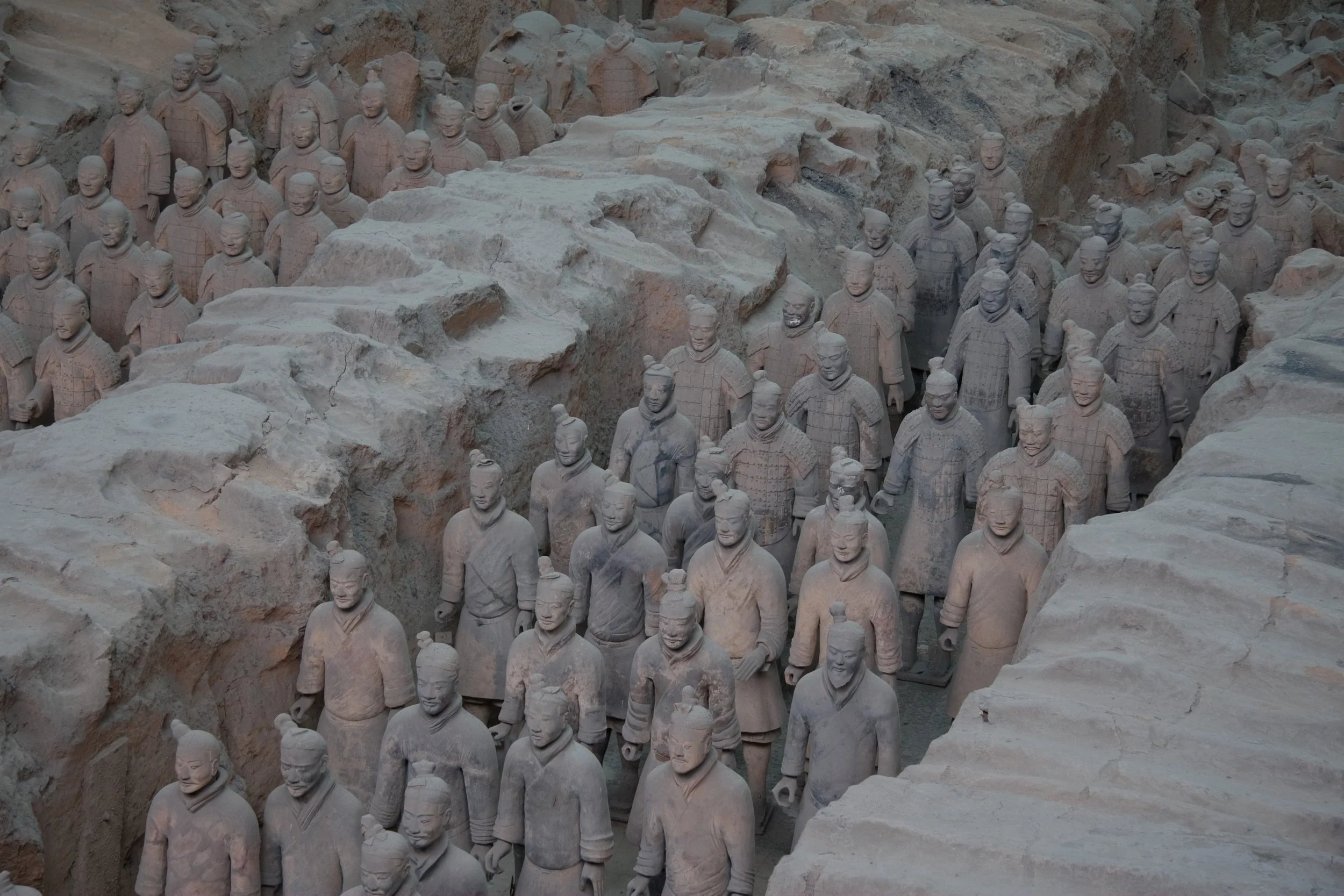
An army of thousands, sculpted in terracotta, stands guard in the tomb of China's first emperor, Qin Shi Huang. Buried over two millennia ago to protect him in the afterlife, these life-sized statues reveal an incredible attention to detail and artistic mastery. Each warrior, horse, and chariot is unique, reflecting the diversity of ancient Chinese military might.

3. The Mask of Tutankhamun

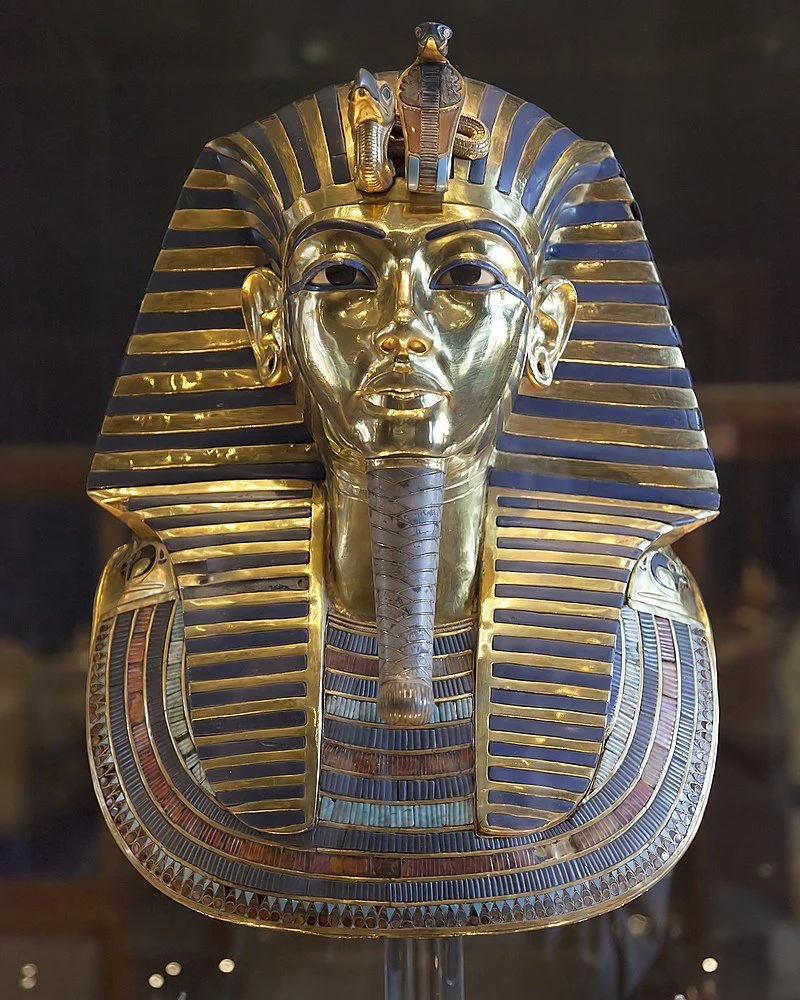
One of the most iconic treasures from ancient Egypt, the gold death mask of King Tutankhamun is a masterpiece of artistry and craftsmanship. Found in his tomb in the Valley of the Kings, this mask covers the young pharaoh's mummified face, adorned with intricate detailing and precious stones, echoing the grandeur of ancient Egyptian royalty.

4. The Parthenon Marbles

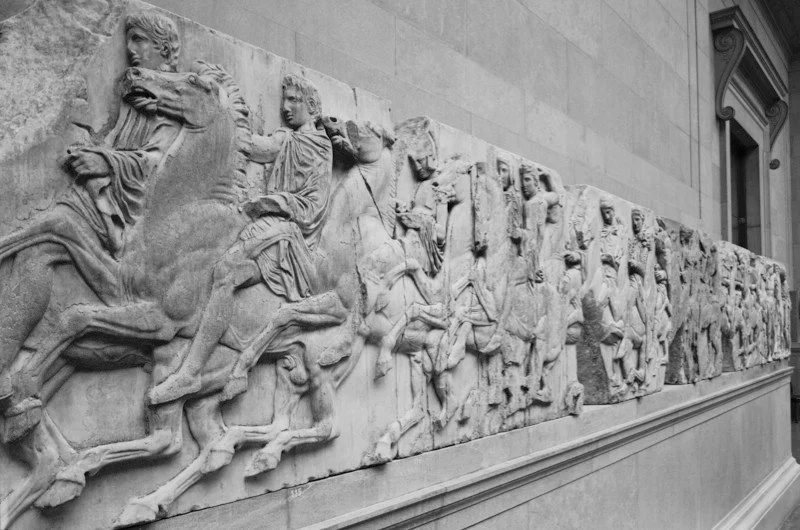
Also known as the Elgin Marbles, these sculptures once adorned the Parthenon temple atop the Acropolis in Athens. Carved in the 5th century BCE, these classical Greek sculptures are a testament to the aesthetic ideals of the time. Though now dispersed across various museums, they remain symbols of the height of Athenian art and culture.

5. The Moai of Easter Island

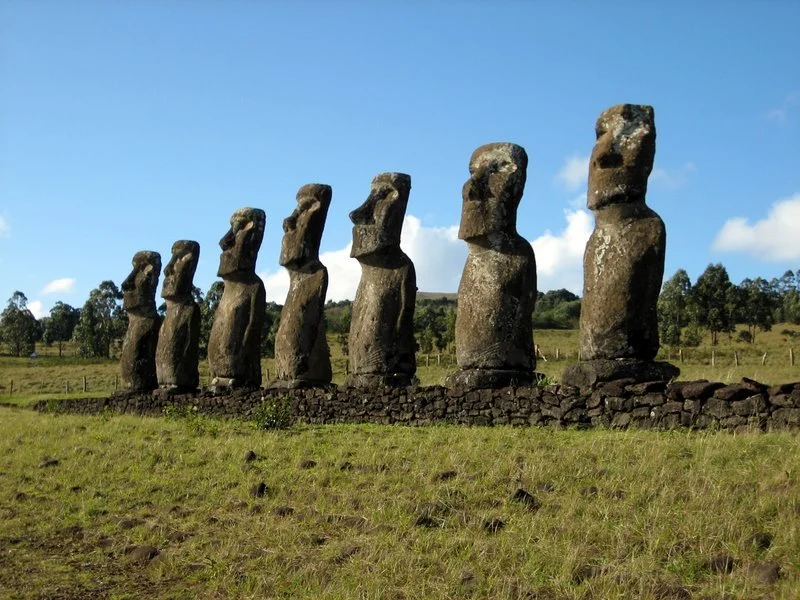
Standing on the remote Easter Island, the Moai are colossal stone statues that embody the island's mysterious past. Carved from volcanic rock by the Rapa Nui people around 800 years ago, these monolithic figures stand as guardians of a vanished civilization, their presence a testament to human determination and creativity.

6. The Book of Kells

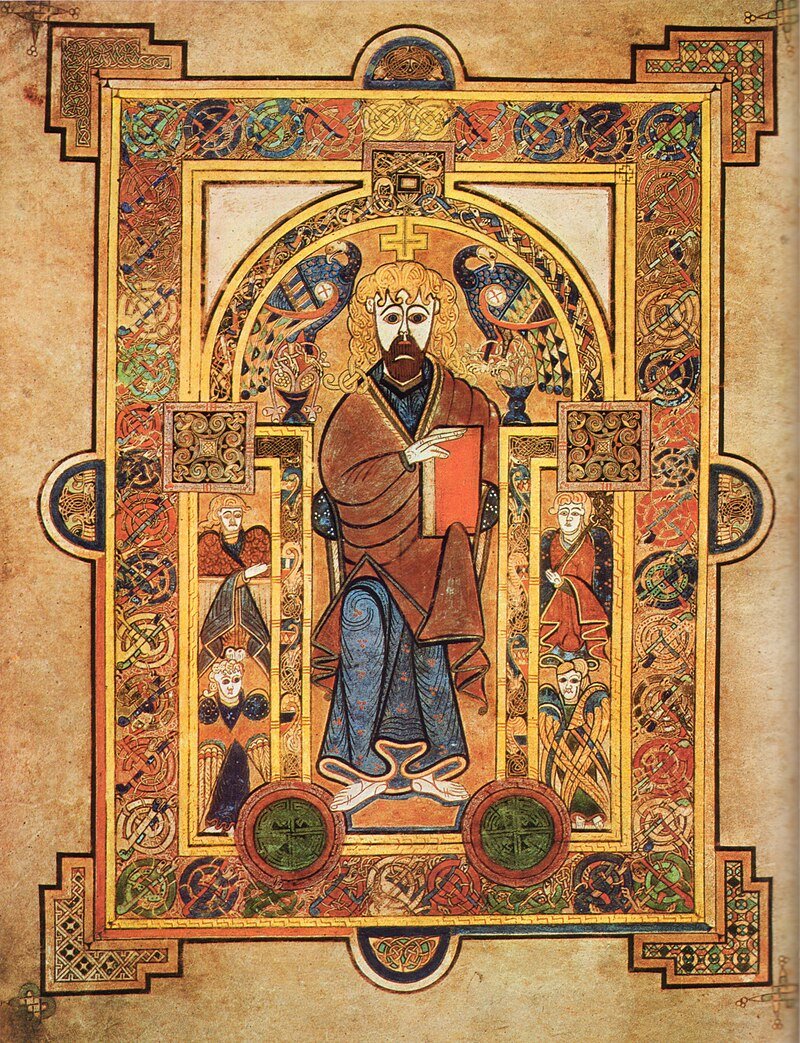
A masterpiece of medieval illumination, the Book of Kells is an ornate Gospel manuscript created around 800 CE in Ireland. Its intricate illustrations, vibrant colors, and intricate designs showcase the skill of the monks who dedicated years to its creation, serving as a dazzling example of the artistry of the Early Middle Ages.

7. The Sphinx of Giza

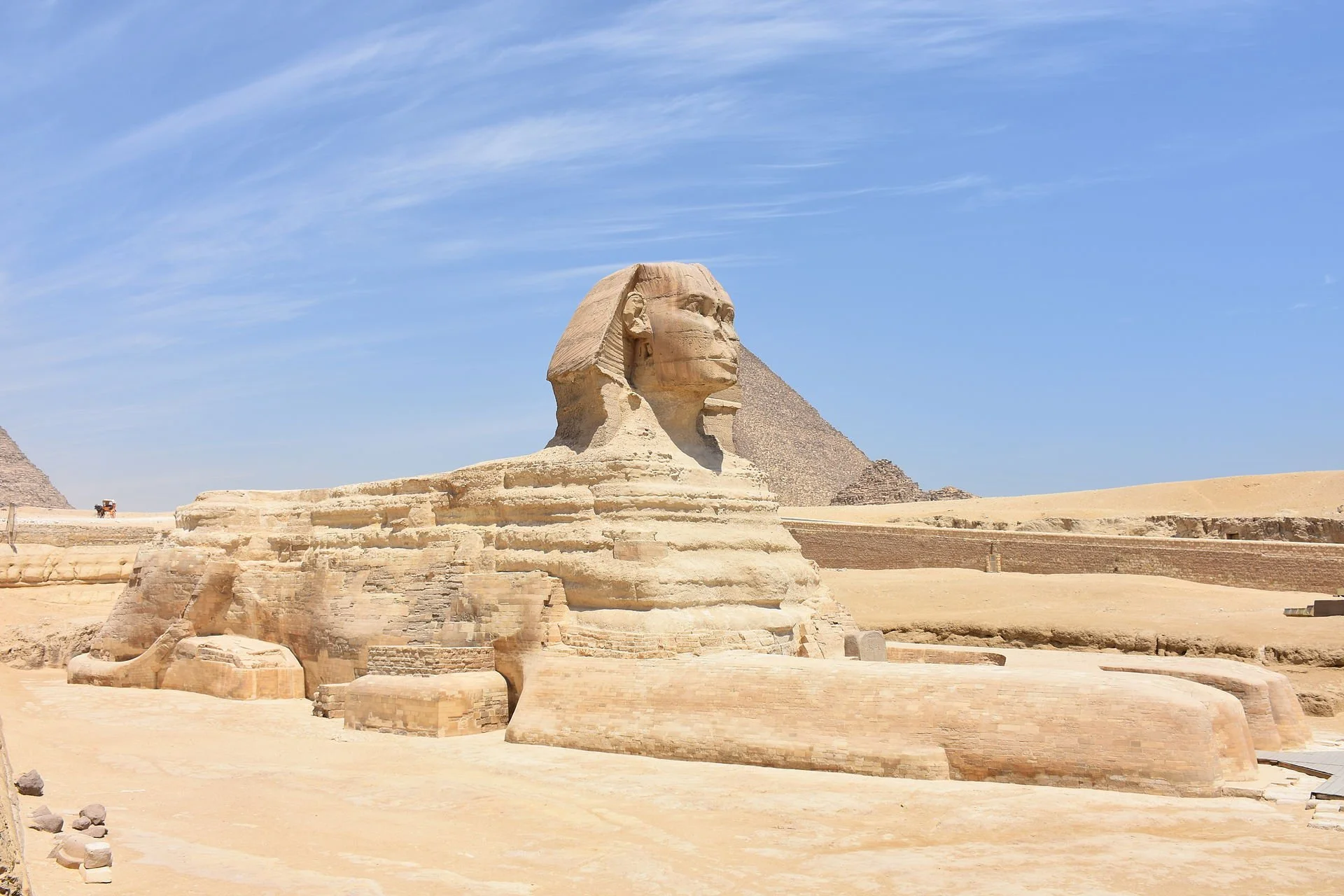
Guarding the Giza Plateau for over 4,500 years, the Great Sphinx of Giza stands as an enigmatic symbol of ancient Egypt's power and mystery. Carved from a single limestone block, this colossal creature with the body of a lion and the head of a pharaoh has intrigued and inspired generations, its significance and purpose still debated by historians.

Each of these ancient artifacts serves as a portal to the past, offering us glimpses into the creativity, beliefs, and achievements of ancient civilizations. These treasures, meticulously crafted by hands long gone, continue to whisper their stories, bridging the gap between then and now and reminding us of the timeless human quest for knowledge, beauty, and meaning.

Megalithic Foundations of Jerusalem | Natufian Origins at Temple Mount, Israel?

An exploration of the megalithic foundations of the Holy City of Jerusalem. Firstly, the Dome of the Rock contains a giant carved stone, once the top of a sacred mountain, now worshipped by Muslims, yet it has intricate niches, steps and carvings in the style of ancient Peru and even Karahan Tepe.

The 'Foundation Stone' is also known as the Pierced Stone, because it has a small hole on the southeastern corner that enters a cavern beneath the rock, known as the Well of Souls. The Western Wall (Waling Wall) stretches the length of Temple Mount with massive megalithic blocks in its lower levels, including one weighing 570 tons similar to Byblos and Baalbek in Lebanon.

We also visit the south side of what was once Solomons Temple finding more gigantic blocks and more features that could date back to the Natufian Culture. In tradition, giants constructed these sites, yet no one has explained why they are truly here, although officially they were constructed by Herod the Great c.19 BC.

The Brandiers Farm Roman Tile Kiln Mysteries Has Been Solved!

A recent show in New York is focused on Enheduanna, a little-known Mesopotamian poet and priestess. Diane Cole examines her impact and how she contributed to forging a shared set of values across the old kingdom.

The Mesopotamian poet, princess, and priestess Enheduanna was the first author to be referred to by name in all of recorded history. Surprised? She Who Wrote: Enheduanna and Women of Mesopotamia, ca. 3400–2000 BC, a recently launched exhibition at New York City's Morgan Library, is curated by Sidney Babcock. "When people ask who is the first author, they never guess anyone in Mesopotamia, and it's never a woman," Babcock adds. He claims that most of the time, they refer to an individual from ancient Greece; if they do, it's Sappho, a female author who lived more than a thousand years later and whose writing is less well-known than Enheduanna's.

You're not alone if you haven't heard of her. Up until 1927, Enheduanna was completely unknown to modern society. However, Sir Leonard Woolley, an archaeologist, discovered items that bear her name. We now know that her name means "Ornament of Heaven" in Sumerian, and that, as the high priestess of the moon deity Nanna-Suen, she wrote 42 temple hymns and three stand-alone poems that, like the Epic of Gilgamesh (which is not credited to a named author), scholars consider to be an important part of Mesopotamia's literary legacy.

Enheduanna was a political figure in addition to being a religious leader and priestess. She was also the daughter of Sargon the Great, who some historians believe to be the one who established the first empire in history. She was particularly important in bringing Akkad, the northern Mesopotamian region where Sargon initially attained power, together before he later conquered the southern Sumerian city-states. She did this by emphasizing the connections between the rituals and beliefs associated with the Akkadian goddess Ishtar and the Sumerian goddess Inanna in her literary and religious hymns and songs, thereby establishing a shared set of beliefs throughout the empire. Enheduanna composed 42 hymns for 42 temples in the southern portion of Mesopotamia; the hymns were transcribed by scribes at the temples for hundreds of years after her death. Each hymn emphasized the special qualities of the patron goddess to the devotees in those cities.

Enheduanna's writings are inscribed on to clay in cuneiform (Credit: The Yale Babylonian Collection/ Photo by Klaus Wagensonner)

On clay tablets with the wedge-shaped impressions known as cuneiform, rather than the manuscripts we are used to seeing in exhibitions highlighting, example, Jane Austen or Charlotte Bronte, are Enheduanna's works on display throughout the presentation. She recounts the creative process in the following passage from her poem The Exaltation of Inanna:

"I have given birth,

Oh exalted lady, (to this song) for you.

That which I recited to you at (mid)night

May the singer repeat it to you at noon!"

And at the conclusion of the Temple Hymns, she asserts her authorship by saying:

"The compiler of the tablet (is) Enheduanna. My lord, that which has been created (here) no one has created before."

In her 2009 book Princess, Priestess, Poet, Jungian analyst and Enheduanna translator Betty De Shong Meador claims, "The voice we hear in the hymns is that of a gifted poet." "She candidly portrays the daily activities, concerns, and fundamental character of the gods and their temples. She swarms the entire nearby cosmos with engaging, active, and unmanageable divine beings.

These songs may also allude to Enheduanna's strong mathematical background, which is probably not surprising given that historians attribute the origins of mathematics to Mesopotamia along with the invention of cuneiform and other early writing systems. In Mesopotamia's vibrant agricultural and textile economies, where the two systems grew entwined as farmers and merchants counted what was produced and recorded what was being sold and traded, writing and counting were likely forced to develop.

A scene of sacrifice is carved on to one side of this calcite disc; an inscription of Enheduanna appears on the other (Credit: The Penn Museum)

Babcock expects that the show would raise Enheduanna's profile. She is depicted in a calcite disc that was discovered in 1927 by Woolley and dates to around 2300 BC. The carving shows Enheduanna marching solemnly in line in front of a ziggurat-like temple while being escorted by three plainly clad attendants who are holding ritual goods. She can be recognized by her ornate circular headgear and flounced, tiered robe. Enheduanna's profiled face is visible when she lifts her eyes to Inanna, the goddess of war and love. For 40 years, up until her passing, she held onto her post.

Early feminism

Beyond Enheduanna, the exhibition's approximately 90 objects highlight the numerous ways in which women increasingly participated in different facets of Mesopotamian society. These objects range from different statuary and cuneiform tablets to wall plaques and a multitude of cylinder-shaped seals along with the images and impressions left when they were rolled on a clay or stone tablet. According to Babcock, by demonstrating women's increased prominence in the third millennium, "I wanted to set the stage for Enheduanna," noting that Mesopotamia at that time was less patriarchal than other societies. Indeed, he quips, "There would have been no Downton Abbey because in this era women could own property," and it could be passed down through the female line. This was true in Mesopotamia at that time.

Beginning around 3400 BC, this time saw a significant increase in Mesopotamia's urban centers as well as a persistent rise in the production and trade of products throughout the nation and the region. More personnel were required as a result of an increase in business orders, many of whom were women. These women took up positions in a wide range of trades, including as ceramics, weaving, baking, animal husbandry, brewing, and artisan work, going beyond their usual roles at home or taking on religious responsibilities. One photograph on exhibit shows a group of ladies weaving at the loom, one of whom is in full action with her hair flying behind her. Others depict women dining with males, seemingly on an equal footing, while another depicts women at what appears to be a pottery wheel. They are also shown playing musical instruments, either in ensembles or alone, as shown in a stunning shell inlay of a woman holding a flute to her mouth while wearing lovely ribbons in her curly hair.

The artefacts reveal a variety of Mesopotamian women engaged in different activities (Credit: Les frères Chuzeville)

And this is but one illustration of what might be seen as a fashion show showcasing the varying and frequently elaborate hair and attire preferences of Mesopotamian women. Ankle-length robes with tiered rows of hanging loops give the appearance of bird feathers. One particularly notable robe has a geometrically intertwined pattern that echoes thatched leaves or reeds. Statuettes, some as small as Barbie dolls, sport thick hair braids wound around the head like a coil. Most of these women are seated, barefoot, with hands joined and modest expressions, as if in prayer.

Royal opulence

The show's aesthetic centerpiece is Queen Puabi's spectacularly colorful burial costume, who lived roughly 150 years before Enheduanna. Puabi's magnificent headpiece is comprised of hammered leaves, gold ribbons, and round beads fashioned of lapis lazuli and carnelian, as befits a queen. A complex crown-like comb covered in star-shaped flowers is perched on top of those ornaments; it is made of the same material as the hair coils and the matching pair of enormous moon-shaped earrings and is also made of gold. The vibrant, waist-to-neck strands of gold and semi-precious stone beads, which are wound around a belt with gold ringlets, are just as impressive. In the late 1920s, these discoveries generated as much of a stir as the 1922 discovery of Tutankhamun's tomb in Egypt, which was made possible by excavations directed by Woolley.

However, according to Babcock, "We know very little about Queen Puabi," who reigned circa 2500 BC. The only place we have her name is on a lapis lazuli cylinder seal that was discovered on her body. According to Babcock, cylinder seals, many of which were scarcely bigger than a spool of thread, were widely used in Mesopotamian civilization as both a form of personal identification and a means of authenticating communications or, for example, the contents of jars. The impressions left by the ornate designs and figures that were frequently carved onto the seals, whose impressions provided a wealth of precise information about every level of society, are particularly essential for those attempting to reconstruct Mesopotamian life today.

These cylinder seals display the evolving characteristics of the two important female deities, Inanna and Ishtar, as well as those of mortal women. Enheduanna assisted in the fusion of Inanna and Ishtar's distinct personas into one interchangeable deity. Inanna served as a symbol of the divine feminine principle prior to Sargon's invasion of Sumer. She was the kind mother and the queen of heaven, who oversaw and preserved the cycle of life. Her face was typically hidden, but rings of bunched reeds served as a symbol of her presence.

However, change was afoot because by 2400 BC, a vessel fragment depicts a female divinity in human form. She embodies the fertility and fecundity associated with Inanna, wearing a horned crown with leafy, vegetable-like material emerging from her shoulders, and holding a cluster of dates, but the animal-like crown also symbolizes fierceness.

Queen Puabi's funerary ensemble was made up of gold and semi-precious stones (Credit: The Penn Museum)

Ishtar, represented in the exhibition with weapons sprouting out of her shoulders and her foot atop a lion whose leash she holds, is portrayed as a female deity who is ever more warlike with the rise of Sargon and through Eneheduanna's hymns. Enheduanna similarly depicts Inanna/Ishtar in her poems as a strong goddess of war and conquering in addition to love and abundance. Additionally, according to Babcock, the exhibition's cylinder seals depict scenes from her poem Inanna and Ebih.

The narrative pits an aggrieved, indignant Inanna against her foe, a mountain range that will not submit to her or grant her any concessions. We witness the goddess murder the male deity of the mountain by causing the mountain's stones to fall from the sky.Her dagger's blade was polished on both sides. She grabbed Ebih's neck and began torn up the grass. She "presented the blade into its heart" and "yelled like thunder" such that "the stones that make up Ebih crashed down its back." She then joyfully stamps her foot on the stone fragments to mark her victory. Another first for Enheduanna's literary legacy is Babcock's observation that "This is the first time you have illustrations for a text, ever."

Which is another way of saying that Enheduanna is still relevant today in a variety of fields, including literature. She was a prominent person in ancient Sumer, women's history, and feminism, among other fields.

Source: https://www.bbc.com/culture/article/202210...

The History and Culture of Olmec Civilization

The Olmec civilization, located in ancient Mexico, prospered in Pre-Classical (Formative) Mesoamerica from c. 1200 BCE to c. 400 BCE. Monumental sacred complexes, massive stone sculptures, ball games, the drinking of chocolate, and animal gods were all features of Olmec culture passed on to those peoples who followed this first great Mesoamerican civilization.

With their heartlands in the Gulf of Mexico (now the states of Veracruz and Tabasco), Olmec influence and trade activity spread from 1200 BCE, even reaching as far south as present-day Nicaragua. Many Olmec sites suffered systematic and deliberate destruction of their monuments sometime between 400 and 300 BCE.

The Olmec civilization presents something of a mystery, indeed, we do not even know what they called themselves, as Olmec was their Aztec name and meant 'rubber people'. Due to a lack of archaeological evidence their ethnic origins and the location and extent of many of their settlements are not known. The Olmecs did, however, codify and record their gods and religious practices using symbols. The precise significance of this record is much debated but, at the very least, its complexity does suggest some sort of organised religion involving a priesthood. The Olmec religious practices of sacrifice, cave rituals, pilgrimages, offerings, ball-courts, pyramids and a seeming awe of mirrors, was also passed on to all subsequent civilizations in Mesoamerica until the Spanish Conquest in the 16th century CE.

Mystery of Jerusalem: The Temple of Solomon

The temple of Solomon in Jerusalem is a mystery of Israelic history.

The Bible describes King Solomon - in Jerusalem - as a powerful and wise ruler. But did King Solomon really live? For millennia, there were no facts to confirm his existence - until 2003, when a tablet of writing emerged in Israel that supposedly provided airtight proof. However, the find in Israel was soon linked to a worldwide forgery ring. "Secrets of the Bible" delves into the mysterious world of secret agents, scientists, fences and millionaire collectors in Jerusalem.

The Insane Wealth of the Roman Empire

The Roman Empire's Economy was Massive and Elusive. Through trade, markets, warfare, and finance The Roman Economy provided a standard of living for some that would not be matched again until the emergence of modern national economies in the 17th century. In this video we cover and overview the early empires economy, its workings and structure, compare it to other ancient and modern economies and discuss its major limitations and inequalities.

Mankind Rising - Where do Humans Come From

Follow mankind's journey of life from the first cell to the present day! Captured in a single, animated time lapsed shot, and based on archeological findings, we trace our epic journey from the first spark of life billions of years ago up to our present status as the most successful species on the planet. Humans are the pinnacle of a chain of species that has survived by way of evolution, natural selection, adaptation, and pure luck. From the formation of primordial genetic material to the development of speech, this is the improbable story of the incredible set of circumstances that led to human existence.

This documentary aims to answer such questions as: How did we get here? How did mutations create male and female sexes? And were we actually fish at one point during the evolutionary chain?

We are the most complex creature on this planet, a big brained, two-legged mammal. We’ve risen from the raw materials of the Earth to dominate and shape it. Wind the clock backwards and the story of how we got to be us is a puzzle that defies all logic. Through nearly 4 billion years of evolutionary twists and turns, disasters strike, predators threaten to wipe us out. From rodent to reptile, we face extinction at every turn, from the land into the water, fighting to survive every step of the way, from fish to worm, back to the very first spark of life, to a single simple cell. One change or predator along the way and this extraordinary story would have never been told.

Ancient Scythia's Amazon Warrior Women: A Forgotten History

Penthesilea was a legendary warrior who was the offspring of Ares, the Greek god of battle and violence, and Otrera, the first queen of the Amazons. She sided with King Priam in the Trojan War because of her renown for fighting prowess, but she eventually ran across a stronger opponent. In a fairly evenly matched battle, Achilles prevailed over her, according to Homeric legend.

A mosaic depicting an Amazon warrior armed with a labrys, engaged in combat with a hippeus. (Credit: Jacques MOSSOT/CC-by-3.0/Wikimedia Commons)

According to Adrienne Mayor, author of the book The Amazons: Lives and Legends of Warrior Women Across the Ancient World, "As she's dying, he takes off her helmet and falls in love with her."

Penthesilea was referred to as a strong Amazon queen who led a band of formidable female warriors that were equally skilled and strong as males. They hunted well, were skilled with a bow, and engaged in horseback combat. The concept of fierce female fighters captivated the ancient Greeks, whether or not Penthesilea was an actual historical figure. Heroes like Hercules and Theseus battled Amazons as well; the latter even wed Hippolyta, another Amazon queen and Penthesilea's sister, and traveled to Athens with him. Vases and other Greek artifacts and crafts frequently include Amazons.

According to Mayor, "perhaps it was a way for the Greeks to imagine what it would be like to have a society ruled by women because they had a very male-dominated society."

But because the Amazons left no written records behind, many people doubted their existence—possibly because they held the sexist view that women couldn't have engaged in combat and hunting like men. According to Mayor, "for a very long time, historians and traditional tales believed that the mythology of the Amazon were just pure fables.

At least until a number of burials of female warriors were discovered in Central Asia starting in the 1970s, which may very likely relate to the mythical Amazonians.

Scythia

The Greeks thought the feisty, horse-obsessed ladies originated from far areas to the northeast of Greece; many scholars now think that region to have been Scythia, a huge region that approximately stretched from north of the Black Sea in the west to Mongolia in the east.

The nomadic steppe tribes that lived in Scythia from around the 8th century B.C. until the end of the 5th century A.D. presumably spoke a range of distinct languages, according to Mayor. As a result, the Scythians were not a single society.

Archaeologists had found many burials from this era in this vast area, but it wasn't until the 1970s that they started to find female Scythians buried alongside males with horses and weapons. Some of them had obvious combat wounds, and some ladies were even interred together; in one instance in western Russia, it appeared that three generations shared a single tomb.

"[Women] were buried with the same honors as men, and with the same battle scars," Mayor claims.

According to her, early Greek depictions of Amazons frequently represented them as looking more like Greek women. However, as time went on and the Greeks apparently came into contact with the nomadic tribes of Scythia, the pictures started to show Amazons who looked more like Scythians riding horses and wielding bows.

"They are dressed like the women we find in the graves," Mayor remarks.

Divergent Narratives

Others outside the Greeks also written about these women. Chinese, Egyptian, and Persian writings all made mention to amazons, albeit their descriptions varied slightly. The majority of what we know about the Scythians comes from the other cultures who were in their vicinity because they lacked a written language of their own. Despite the possibility that some of these stories contain some elements of fact, the majority speak more to the culture of the author than to the Scythian women themselves.

Greek mythology frequently had a male hero defeating an Amazon, for instance. They were only able to envision a zero sum game, according to Mayor. She continues, "The battles are always portrayed as very suspenseful." Of course you won't tell tales about foreign women beating your heroes in Greece.

Conflicts and trade with Amazons were mentioned in Persian, Chinese, and Egyptian texts, but the tales are a little more realistic, with more evenly matched clashes that finally led to alliances. To keep wandering tribes at bay, the Great Wall of China was erected. Although the name "Amazon" is not a Greek word and first appears in Greek narratives, some linguists think it may be related to the Persian word "Hamazon," which means "warrior."

Pedikhons, an Egyptian king, fought Serpot, an Amazon queen, for three days before they were both too fatigued to continue and decided to establish an alliance, according to pieces of Egyptian papyrus.

"It's very different from the ancient Greek society," Mayor claims.

These stories would endure for generations, and the name of the Amazon River was inspired by information that European colonial colonists learned about South American tribes that practiced equality.

Ignoring the Past

Some Greek versions were more credible than others; according to one myth, women would have one of their breasts amputated in order to throw spears and draw bowstrings. Even ancient Greek historians rejected the idea of one-breasted Amazons as absurd, according to Mayor, although certain Amazon statues and other representations still feature them.

The idea of an equitable society, or even one where women were in charge, captivated the Greeks because they were a civilization where men predominated. While Mayor notes that given the character of the Scythians, it's likely that some tribes had lost a lot of males in battle and may have been mostly female, at least temporarily, we haven't definitely uncovered proof that the Scythians were all-female or female-ruled.

Archaeologists initially preferred to disregard the Greek myths, seeing them as mere fiction. According to Mayor, "I believe male historians and classicists may have discounted any truth in the ancient Greek tales of Amazons due to sexism."

In a follow-up email, Mayor stated that some contemporary scholars "prefer to claim that Amazons were invented by Greeks to be defeated by male heroes, or that the Amazons were merely symbols of 'others' —'monstrous women who refuse to marry.'" This is despite prominent Greek historians and philosophers like Herodotus and Plato mentioning women in the Black Sea and Caucasus region living similarly to the mythical Amazons.

But according to Mayor, around 300 prehistoric warrior women from the Scythian era have been discovered in the last few years. More discoveries are probably on the way.

Despite the discovery of armed female archaeologists everywhere across the steppes, she says, "it is perplexing to me that some scholars still hold this dated opinion that Amazons were purely symbolic."

If the Scythians ever truly vanished, it is unclear why they did so. Nomadic horse culture persisted in some areas of the area under various identities; the Mongols are just one example.

"There were strong women among the steppe nomads during the time of Genghis Khan," Mayor claims.

Although the status of women in the local nomadic tribes may have changed when Islam expanded throughout much of what was formerly Scythia beginning in the 7th century, Mayor notes that remnants of equality may still be seen in Tajikistan and Kazakhstan.

Source: https://www.discovermagazine.com/planet-ea...

Scientists were "flabbergasted" to discover intricate dinosaur tracks covering a cliff in Alaska

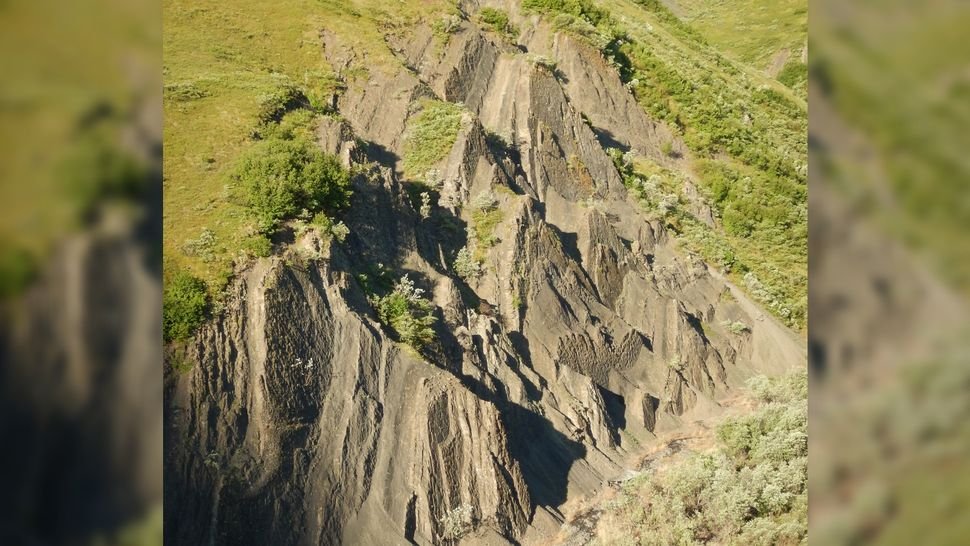
In Alaska, a 20-story rock face known as "The Coliseum" is covered in numerous layers of dinosaur footprints, including a tyrannosaur.

The cliff face, known as "The Coliseum," in Denali National Park and Preserve. Its surface is covered in fossilized dinosaur tracks. (Image credit: Patrick Druckenmiller)

The wall of a 20-story cliff in Alaska is covered in the fossilized footprints of dozens of dinosaurs, giving the impression that the animals defied gravity to walk across its surface, but a geological process is actually to blame. This discovery has "flabbergasted" researchers who have been studying the area.

Currently, the rock face in Denali National Park and Preserve rises at a height of around 218 feet (66 meters). But in the late Cretaceous, some 70 million years ago, the rock was muddy muck that probably surrounding a watering hole on a huge floodplain. This explains the wide range of dinosaur footprints found on the cliff face, including those of young dinosaurs and adults of several big, plant-eating, duck-billed, and horned dinosaurs, as well as carnivores like raptors, nonavian flying reptiles, and at least one tyrannosaur.

The tracks were hauled up and deposited on their side as the ground bulged upward during a tectonic plate collision, similar to how the bonnet of a car folds under the force of a collision, long after the dinosaurs had left their mark in the region. According to the National Park Service, this tectonic activity was a component of the geological turbulence that gave rise to the 600-mile-long (966-kilometer) Alaska Range next to Denali National Park.

A 3D reconstruction of a suspected tyrannosaur footprint discovered at The Coliseum. (Image credit: Dustin Stewart)

Due to the variety of dinosaurs that probably interacted with one another near the water's edge, the location has been given the moniker "The Coliseum" by researchers. The journal Historical Biology released the team's analysis of the site on July 27, 2023. The word "coliseum" refers to a theater, stadium, or other sizable public area.

A seven-hour hike from the closest road separates the cliff from the remainder of a vast rocky outcrop. Due to the fact that most of the footprints had been filled in by other sediments, prior researchers who found a set of tracks at the base of the cliff missed the intricate patchwork of footprints that was looming above them. However, when their colleagues arrived at the location, they discovered the covert tracks.

According to research co-author Pat Druckenmiller, a vertebrate paleontologist at the University of Alaska Fairbanks and curator at the University of Alaska Museum of the North, "When we first went out there, we didn't see much either." However, in a particular setting, the imprints were much easier to see.

Dustin Stewart, a paleontologist at Paleo Solutions and a former student at the University of Alaska Fairbanks, was the study's primary author and said in a statement, "When the sun angles itself perfectly with those beds, they just blow up." Immediately, he continued, "all of us were just flabbergasted." "We were panicking."

The Coliseum is part of an even larger rocky outcrop. The cliffs were lifted into the air by a tectonic plate collision. (Image credit: Patrick Druckenmiller)

The scientists noticed that the imprints were remarkably precise upon closer examination. Druckenmiller declared, "They are lovely." "You can see the skin's texture and the toes' shape."

The traces that were laid beneath those on the rock's surface were also found by the researchers.

Stewart remarked, "It's not simply one level of rock with tunes on it. It is a chronological progression. There have been other dinosaur footprints discovered in Denali National Park, but "nothing of this magnitude," he continued.

Along with petrified vegetation, pollen, and crustaceans, the cliff also has bird tracks from wading. The findings, according to the researchers, will enable them to create a thorough picture of the environment 70 million years ago. According to Stewart, "all these little hints put together what the environment looked like overall."

Source: https://www.livescience.com/animals/dinosa...

Odin's first citation can be discovered in a Danish artifact

Scandinavian researchers claim to have found the earliest-known mention of the Norse god Odin on a portion of a gold disc that was discovered in western Denmark in 2020.

The inscription appears to refer to a Norse king whose face appears in the center of the pendant, and may indicate he claimed descent from the Norse god Odin. © Arnold Mikkelsen, National Museum of Denmark

At least 150 years earlier than the previous earliest reference, which was on a brooch discovered in southern Germany and dated to the second half of the 6th century, according to Lisbeth Imer, a runologist with the National Museum in Copenhagen, the inscription represented the first conclusive evidence of Odin being worshipped as early as the 5th century.

The disc was found in Denmark as part of a hoard that included enormous medallions the size of saucers and Roman coins fashioned into jewelry, as well as around a kilogram (2.2 pounds) of gold. The Vindelev Hoard was discovered in the village of Vindelev in central Jutland.

Experts believe the treasure was buried 1,500 years ago, either as an homage to the gods or to hide it from adversaries. "He is Odin's man," was written on a golden bracteate, a form of slender, ornate necklace, and was probably referring to an unidentified monarch or ruler.

The inscription ‘He is Odin’s man’ is seen in a round half circle over the head of a figure on a golden bracteate unearthed in Vindelev, Denmark in late 2020. Scientists have identified the oldest-known reference to the Norse god Odin on a gold disc unearthed in western Denmark. © Arnold Mikkelsen, The National Museum of Denmark

Imer remarked, "It's one of the best executed runic inscriptions I've ever seen." Early tribes in northern Europe employed runes as symbols for written communication.

One of the principal gods in Norse mythology, Odin was frequently linked to both poetry and battle.

According to the National Museum in Copenhagen, where the collection unearthed in 2020 is on exhibit, more than 1,000 bracteates have been discovered in northern Europe.

Because runic inscriptions are so uncommon, according to expert on ancient languages Krister Vasshus, "every runic inscription (is) vital to how we understand the past."

It is extraordinary in and of itself when an inscription this long occurs, Vasshus stated. It provides some rather intriguing details about ancient religion, which also reveals something about ancient society.

The Viking Age, generally seen as lasting from 793 to 1066, was a time when Norsemen known as Vikings engaged in extensive raiding, colonization, conquering, and trading across Europe. They made it to North America as well.

Each of the many gods that the Norsemen worshiped had unique traits, flaws, and attributes. Details about the gods' characteristics and behavior have been revealed based on sagas and some rune stones.

According to Imer, "That kind of mythology can take us further and have us reexamine all the other 200 bracteate inscriptions that we know."

Source: https://mysteriesrunsolved.com/oldest-refe...

The Americas' Oldest Bone Spear Point Is 13,900 Years Old, According to the Evidence

The Manis bone projectile point has been determined by a team of academics to be the oldest bone-based weapon discovered in the Americas, dating back 13,900 years, under the direction of a professor at Texas A&M University.

The team's reconstruction of the bone point. Credit: Center for the Study of the First Americans, Texas A&M University

The researchers examined bone pieces found within a mastodon rib bone that Carl Gustafson first discovered during an excavation at the Manis site in Washington state between 1977 and 1979.

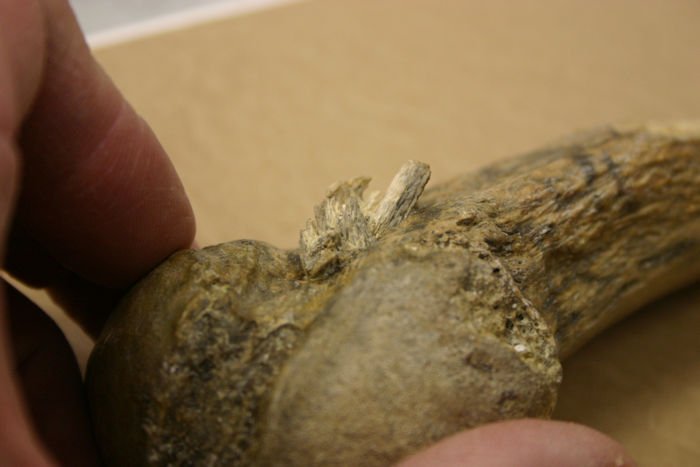
Waters and his team identified each piece of bone using a CT scan and 3D modeling software to demonstrate that it was the point of a projectile manufactured from the bone of a Mastodon, an extinct relative of the elephant.

Dr. Michael Waters, renowned professor of anthropology and head of Texas A&M's Center for the Study of First Americans, explained, "We isolated the bone fragments, printed them out, and assembled them." This was the tip of a bone projectile point, as was made very obvious. The oldest bone projectile point found in the Americas and the earliest direct indication of mastodon hunting in the continent.

According to Waters, the Manis point, which dates to 13,900 years ago, is 900 years older than projectile points connected to the Clovis people, whose stone tools he has previously studied. Spear points made by the Clovis people, who lived between 13,050 and 12,750 years ago, have been discovered in Texas and other locations around the US.

The fact that Manis is the first and only bone tool older than Clovis is significant. Only stone tools have been discovered at the second pre-Clovis site, according to Waters. This demonstrates that the Native Americans produced and utilized bone weapons as well as maybe other bone implements.

According to him, the projectile from the hunter's missed shot became caught in the mastodon's rib and is the sole reason the Manis specimen was preserved.

According to Waters, "we demonstrate that the bone used to make the point appears to have originated from the leg bone of another mastodon and was purposefully shaped into a projectile point form." "The bone-pointed spear was hurled at the mastodon. It cut through the tissue and hide before coming into contact with the rib. The hunter tried to go between the ribs to damage the lung function, but he failed and hit the rib instead.

In an earlier investigation of the rib bone by Waters, which was published in 2011 in Science, the age of the bone was established by radiocarbon dating, and the mastodon ancestry of the bone fragments was established through genetic analysis.

"In our new study, we set out to isolate the bone fragments using CT images and 3D software," the researcher added. "We were able to produce 3D representations of each element that were printed at a scale of six. The specimen's appearance before it entered and fractured in the rib was then demonstrated by putting the parts back together.

A close-up angle shows the bone point embedded in the mastodon's rib. Credit: Center for the Study of the First Americans, Texas A&M University

Other than the fact that they were some of the earliest Indigenous people to visit the Americas, nothing is known about the people who utilized the Manis spear point. According to Waters, the Manis site and others are shedding light on archaeology.

He remarked, "It appears that the first immigrants to the Americas arrived by boat." "They went south along the coast of the North Pacific. They eventually made it over the Canadian ice sheets and arrived on the Pacific Northwest coast.

It's fascinating to notice that Paisley Caves in Oregon is 14,100 years old, whereas Coopers Ferry in Idaho is 16,000 years old. We also cover the 13,900-year-old Manis site here. The Northwestern region of the United States thus appears to include a concentration of ancient sites that date from 16,000 to 14,000 years ago and precede Clovis. These locations probably mark the earliest immigrants to the Americas at the conclusion of the last ice age, along with their descendants.

Source: https://www.ancientpages.com/2023/02/03/ev...