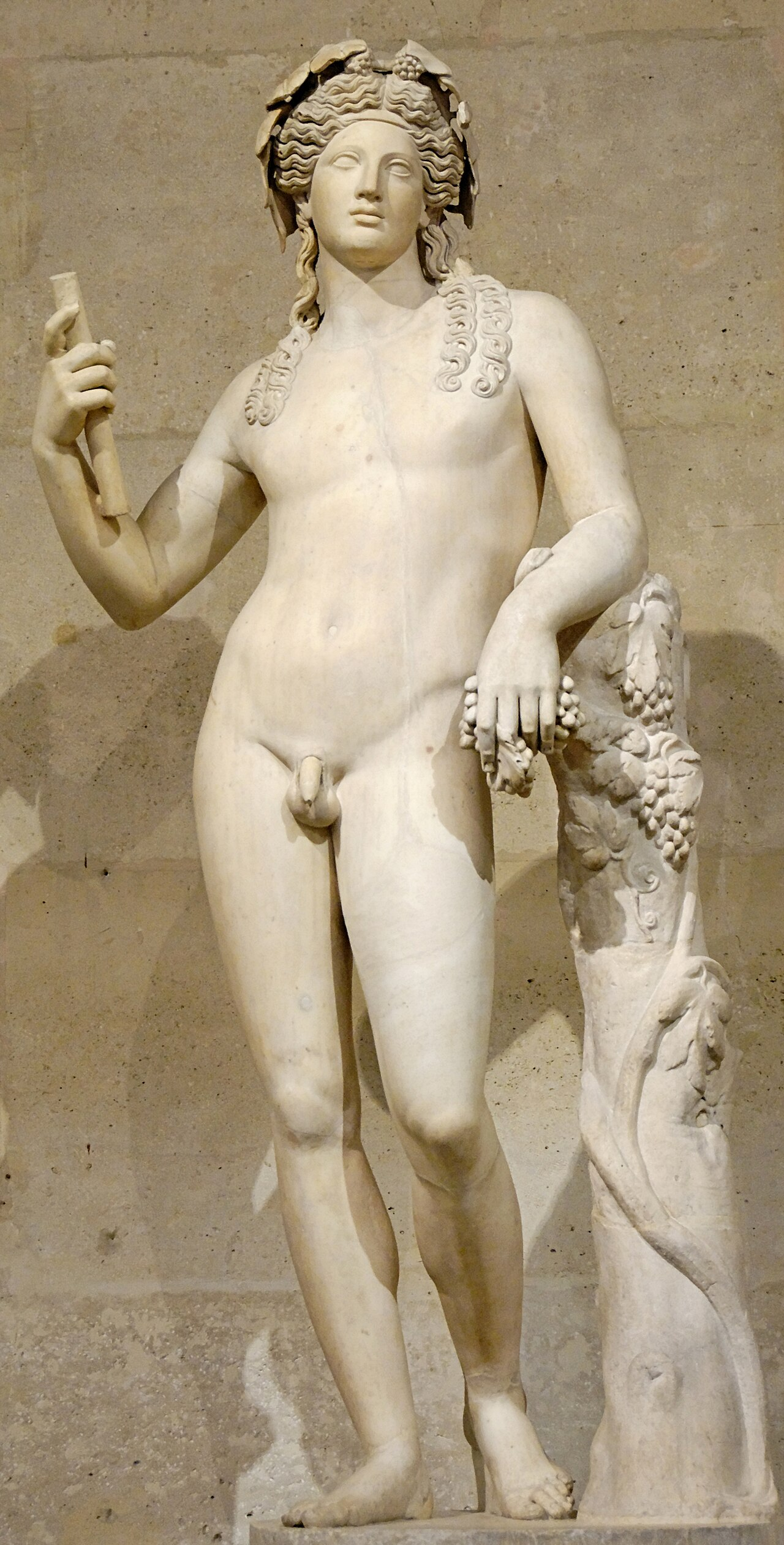
Discover the captivating world of ancient Norse beliefs as we delve into the pantheon of gods, epic sagas, and sacred rites. Join us on a fascinating exploration of Odin, Thor, Freyja, and more, as we unravel the threads of a rich and enigmatic faith that shaped the Viking Age.
10 Most Deadly and Feared Soldiers in History
In the following video we will analyze the 10 most deadly and feared soldiers in history. Watch the video to find out more!
The Most Isolated Tribe on Earth - North Sentinel Island
In the following video we will be talking about the most isolated tribe on Earth. Watch the video to find out more about the people of the North Sentinel island!
Why Didn't the Roman Empire Industrialize
The Roman Empire was once the eminent European superpower and by some estimates they were only 300 years away from their own Industrial Revolution. So why didn't the Romans industrialize and could that have saved the empire?
The Secrets of London’s Grisly Execution Sites
London is one of the most historic cities in the world, which means, it’s been home to some of the most famous executions in history. For the most minor crimes - cutting down trees, damaging Westminster Bridge, stealing from a rabbit warren or impersonating a Chelsea Pensioner - to more serious - murder, arson, robbery and treason - all of these could result in a journey to the gallows.
In this video, we will visit some of London’s most famous execution sites, many of which are hidden in plain site, from Newgate Prison to Wapping Execution Dock - famous for hosting executions of some of the most infamous pirates in history.
Excavations in Türkiye’s Inkaya Cave reveal traces of 86 thousand years of human life
In the excavations carried out in the İnkaya Cave in Çanakkale, located in the northwestern part of Türkiye, in addition to the traces of 86 thousand years of human life in the layers of the cave, many tools made of flint for various purposes were also found.
İnkaya Cave, located within the borders of Bahadırlı village in the Çan district, was found during the Muğla and Çanakkale Provinces Survey conducted in 2016 under the direction of İsmail Özer, a lecturer at Ankara University, Department of Paleoanthropology.
Excavations in the cave, which will shed light on Paleolithic period migrations between Anatolia and the Balkans, were carried out by an international team between 2017 and 2020 under the presidency of the Troy Museum Directorate.
During the excavations carried out last year, the Middle Paleolithic period workshop part of the cave was unearthed.
Rainforests of the Maya
"Rainforests of the Maya" explores the monumental, ingenious, and mysterious world of the great Maya civilization, the remnants of which still rise from the landscape of the Yucatan Peninsula and Northern Central America.
But the Maya were not only prolific builders, engineers and astronomers, they were also master gardeners and agricultural pioneers. They relied on the rich bounties of the tropical rainforests they inhabited. These are some of the most biodiverse jungles on Earth. The Maya tended those forest, shaping the landscape for generations to come.

Nine Career-boosting Advices from the Ancient Sages
BY THE ARCHAEOLOGIST EDITOR GROUP
Can the ideas of the past advance your career? In response, Patrick Kidd, dean of a prestigious business school in Madrid, offers a primer written by The Times of London. Kidd advises "future tycoons" to put down books on modern human resource management and instead study classical philosophy. "The timeless principles of Aristotle and Cicero serve as the cornerstone of a successful career. Everyone who wants to be truly successful at work can better prepare themselves by following these guidelines, "he claims. This is a beginner's manual based on Greek and Latin wisdom for people who do not have the time to sift through ancient books but nevertheless wish to achieve Since, in the words of Socrates, "I know one thing, that I know nothing,"
1. "A great book is like a great evil."
The poet and epigrammatist Callimachus, from Alexandria, is credited with coming up with the saying. He lived from 310 to 240 BC. It is thought to be a critique of authors of lengthy epic poems who failed to emulate Homer and implies that "a fat book is a tremendous evil." Today, it can be utilized in the workplace by someone who needs to justify, for instance, why it took them four weeks to prepare a three-page report.
2. "Accipe quam primum, brevis est occasio lucri."
Take advantage of the opportunity to win because it won't wait long for you, wrote the Roman poet and epigrammatist Marcus Valerius Martialis in one of his 12 books of epigrams. Because the Roman poet essentially encapsulated the idea of predatory capitalism in today's terms in just seven words, Kidd wrote of him, "He would tweet in surprise today."
3. "Merses profundo, evenit pulchrior"
One may roughly translate the Horace remark as "One must plunge deep to see something more beautiful come to light." The adage could be applied to modern life in the sense that you should dare if you want to succeed.
4. "Aièn Aristeein"
It refers to "ever excelling" and being superior to others. It is a Homeric term that conveys the deeply ingrained yearning for unquestionable superiority and personal distinction among people of the Homeric period. To constantly be first and finest is what it means. According to legend, Alexander the Great kept a copy of Homer's "Iliad" under his pillow as he slept so he could learn from it as he planned his military operations.
This particular piece of advice appears to have been provided by Peleus to his son Achilles before he went to Troy. Hippolochus offered the same counsel to his son Glaucus, who was in charge of the Lycians and a rival of the Achaeans. Glaucus boasted that his ancestors had always encouraged him to be better than others when he subsequently encountered the Greek Diomedes outside the walls of Troy.
But Diomedes argued that their grandfathers were friends and offered to trade armor as a peace offering. Aedes Telamonius eventually killed Glaucus on the battlefield, demonstrating that boasting about one's abilities does not protect them. In the Greek world, this aphorism came to represent the fundamental moral standard.
Many outstanding accomplishments, both individual and collective, can be attributed to this principle. This adage, however, was also a major contributor to rivalry, division, and uncontrolled ambition.
5. "If"
Invading the Peloponnese in the 4th century B.C., Philip II of Macedonia wrote to the Spartans to inquire "if they would embrace him as a friend or as an enemy." The Peloponnesians, according to Plutarch, neutrally retorted, "that they had no intention of receiving him as a friend or an adversary." When they responded, Philip became outraged and sent another message, warning them that they would become slaves forever if he won the war. He was silenced by the Spartans' succinct response: "If," which they gave without using any unnecessary words, as everyone who aspires to be successful in whatever line of work should.
6. "Education has a bitter root but a pleasant fruit."
Years of labor are worth much in the end, says the adage's purported originator, Aristotle, who did not have Spartan laconicity. Yet every successful professional should keep this proverb in mind, according to his biographer, Diogenes Laertius. Aeschylus holds a similar philosophical stance: "Knowledge comes from suffering."
7. "Omnia mea mecum porto"
The expression is, "What is mine, I carry with me." It was first used by Cicero to express Priene's preconceived assumption that wisdom and virtue were the only things required. Bias of Priene, one of the seven sages of ancient Greece, might just as easily be discussing his smartphone right now!
8. "Step away from my light."
Alexander the Great wished to meet Diogenes the Cynic when he was in Corinth in 336 BC, leading the Panhellenic Convention, according to Plutarch. The philosopher responded to his question about whether he needed anything by saying, "Stand out of my light," which roughly translates to, "Step back a little since you are blocking the sun from me." When saying goodbye, Alexander is credited with saying, "If I were Diogenes, I would gladly be Alexander." Many contemporary historians, however, question the veracity of this story and believe it to be a later invention of the Macedonian ruler. But take care—this statement might not be well received by all of your supervisors.
9. “Non quia difficilia sunt non audemus, sed quia non audemus difficilia sunt.”
This idiom, attributed to the Roman philosopher Lucius Annaeus Seneca, means: "Not that we are afraid to attempt difficult tasks. They are challenging because we are afraid to attempt them ". Liz Truss, a former British prime minister, used this passage in her resignation letter after serving just seven weeks. Perhaps the philosopher's other proverb, "The one who does not recognize his faults will not rectify them," is more appropriate: "Nam qui peccare se nescit, corrigi non vult."

The Terracotta Army: An Archaeological Treasure of China
BY THE ARCHAEOLOGIST EDITOR GROUP
Unveiling the Terracotta Army: A Look into the Reign of Emperor Qin
Thousands of life-size terracotta statues depicting soldiers and horses date back to the third century BCE and are collectively referred to as the Terracotta Army or the Terra Cotta Warriors and Horses. Farmers in the Lintong District of Xi'an, Shaanxi Province, China, stumbled upon the army in 1974. The find has helped shed light on ancient Chinese history and culture, earning it a place among the top archaeological discoveries of the twentieth century.
The Terracotta Warriors and Horses were built in 210 B.C. to guard the tomb of Qin Shi Huang, the first emperor of China. As the first emperor of China, Emperor Qin is remembered for bringing the country's warring states under one unified rule. The Great Wall of China and the Grand Canal are just two of his many famous building projects.
Farmworkers in the Lintong District, China, uncovered the Terracotta Army while digging a well. They discovered a terracotta warrior statue that was nearly life-size, prompting the dispatch of archaeologists. Soldiers, horses, chariots, and weapons were among the thousands of terracotta statues discovered by the team. Three pits, each about 200 meters in length and 5 meters in depth, were dug to house the statues' final resting places. Chariots and weapons were placed at the rear of the formation, and the soldiers and horses were lined up in battle formation.
Hollow molding, a technique used in pottery that involves shaping clay before firing it at high temperatures, was used to create the statues. Each of the terracotta soldiers has their own distinct expression, hairstyle, and outfit. This points to the statues being based on actual military personnel.

There are a variety of reasons why the Terracotta Army is such a rare and significant find in ancient China. First, it's a great resource for learning about ancient Chinese society and culture. The Qin army is a representation of the military might of the Qin empire as well as the high level of craftsmanship and artistic achievement of the period. The ancient Chinese concepts of death and the afterlife are partially revealed through the statues.
Secondly, the construction methods and materials used by the Qin empire have been partially revealed thanks to the discovery of the Terracotta Army. The statues were made by combining clay with straw and other materials and firing it at high temperatures. The statues were protected for over two thousand years thanks to the materials and methods used to preserve them.
In conclusion, the Terracotta Army is another major Chinese tourist attraction. As a UNESCO World Heritage Site, the location is accessible to the public. Several of the statues have been dug up from their original burial sites and put on display in a museum after the site was excavated and restored.
To sum up, the Terracotta Army is an important archaeological find that sheds light on China's past and culture. The army is a representation of the strength of the Qin Empire's armed forces, the sophistication of its artisans, and the ancient Chinese view of death and the afterlife. The discovery has also illuminated the building practices and materials of the Qin dynasty. Visitors from all over the world continue to be fascinated and amazed by the Terracotta Army, making it another major Chinese tourist attraction.

Why There was No Word for Blue in Ancient Greece and How Homer and Aristotle Perceived Colors
THE ARCHAEOLOGIST EDITOR GROUP
Why were the sky, wine, and sea nearly "purple" in ancient Greece?
There was no word for "blue" in classical Greece. The closest descriptions of blue are glaucous and cyan, which express the contrast between light and dark. They do not, however, define the color itself.
The perception of color and its linguistic representation in ancient cultures is a topic that has fascinated scholars, linguists, and historians for years. One of the most curious observations from ancient texts is the apparent absence of a term that directly corresponds to the modern color "blue" in Ancient Greek. Let's dive into this phenomenon.
In his two works, the Iliad and the Odyssey, Homer only refers to four colors: black, white, greenish-yellow (to represent honey, plant sap, and blood), and porphyro (red).
When Homer refers to the sky as "bronze," he does not mean that it is the color of bronze but rather that it is dazzlingly bright, like a well-polished shield. He implied that the wine, the sea, and the sheep were all the same hue, red, by applying the same logic.
Aristotle named seven distinct hues, which he thought came from black and white, but in fact, they were variations in brightness rather than colors.
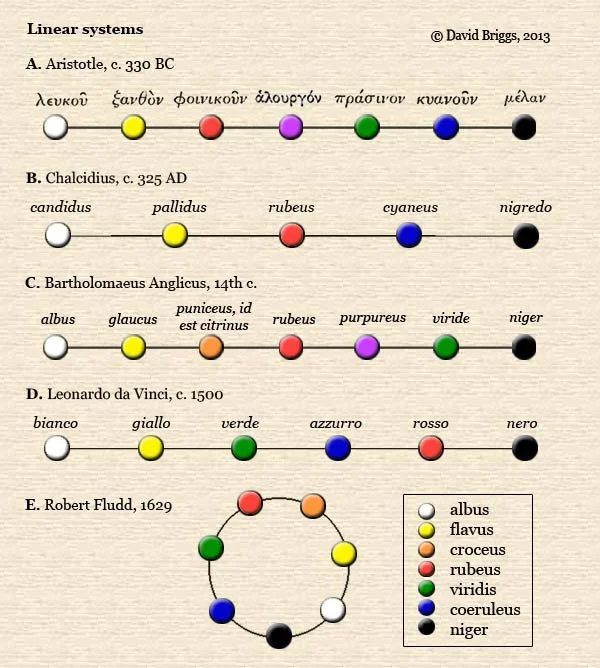
Surprisingly, two NASA robotic vehicles on Mars in 2006 and an ancient Greek who lived around 2,500 years ago both experienced colors exactly the same way.
One explanation offered after Darwin's theories gained popularity was that the ancient Greeks' retinas did not possess the same capacity for color perception as ours do today.
Nonetheless, it is now thought that they categorized things based on their characteristics, not color. The phrase "yellow" or "bright green," which was used to describe the blood, or "juice," of the people, actually indicated wet, fresh, and alive.
This occurrence is not as uncommon as one may believe. More languages are spoken in Papua New Guinea than anywhere else in the world, but many of them do not discuss color at all outside of the struggle between light and dark.

No word for brown, gray, blue, or green exists in Old Welsh. The division of the color spectrum is considerably different: one term (glas) covers part of the green, another word covers all of the blue, another word covers all of the gray, and a third word covers all or part of the brown.
There isn't a single term for "blue" in Russian. The two phrases "galoboy" and "sini," which are typically translated as "light blue" and "dark blue," are used instead. Nevertheless, for Russians, these words refer to two entirely distinct colors rather than two variations of the same color.
The representation of color words is the same across all languages. Red is almost typically the third color stated after black and white, followed by green and yellow, blue, and then brown.
In his book "Through the Language Glass," linguist Guy Deutscher explores the topic of color in ancient languages. He suggests that as societies grow and develop, so does their need to name and categorize colors. This means the naming of colors is more of a cultural evolution than a strict biological one.
The way Ancient Greeks described and perceived colors offers a window into their world, culture, and linguistic evolution. While it may seem strange to modern readers that they apparently lacked a word for "blue," it's a testament to the fluidity of language and the intricate relationship between culture, language, and perception. The exploration of color in ancient cultures challenged us to see the world not just in black and white or blue and green but in a myriad of shades and interpretations.
The largest Loch Ness monster hunt in decades begins
In the Scottish Highlands, the largest search for the Loch Ness Monster in fifty years began on Saturday as experts and enthusiasts from all over the world braved torrential weather to look for the elusive Nessie.

Claims of a creature living in Loch Ness have persisted for centuries (ANDY BUCHANAN)
The mission used underwater hydrophones, boats with infrared cameras, and drones with thermal scanners to try to solve a mystery that has intrigued people across the world for decades.
Αccording to Paul Nixon, general manager of the Loch Ness Centre, “there's not a corner of the globe you can go to where people haven't heard of Nessie, but it is still one of our biggest questions -- what is the Loch Ness Monster. I don't know what it is. All I know is that there is a big something in Loch Ness. I have seen sonar scans of objects the size of transit vans underneath the water moving.”
Tatiana Yeboah, a 21-year-old French tourist who arrived during the hunt, said it had been her lifetime desire to travel to Loch Ness.
“It could be myth, it could be real -- I like to believe it is something halfway in between”, Yeboah added.
Yeboah vowed to pay close attention to the loch the entire time she was there to make sure she didn't miss anything.
The searchers think that the thermal scanners may be essential for finding any odd abnormalities in the shadowy depths.
Several hundred sightings
The hydrophone will enable the searchers to hear peculiar underwater cries resembling those of Nessie.
The freshwater loch, which stretches over 23 miles (36 kilometers) and has a maximum depth of 788 feet (240 meters), is the largest lake in the UK in terms of volume.
Ancient stone engravings in the area portray an enigmatic beast with flippers, adding credence to reports of an aquatic monster hiding in Loch Ness.
The monster first appears in writing in AD 565, in a biography of the Irish monk Saint Columba.
The narrative claims that after attacking a swimmer, the monster was going to attack again until Columba ordered it to flee.
A couple was said to have noticed "a tremendous upheaval" in the water while travelling down a newly built lochside road in May 1933, according to the Inverness Courier local newspaper.
The Loch Ness Centre in Drumnadrochit, a town close to Inverness, claims that there have been more than 1,100 officially documented Nessie sightings to date.
The monster boosts Scotland's economy by millions of pounds (dollars) year through tourism.
An ancient reptile
Over time, experts and amateur enthusiasts have looked for signs of a giant fish, like a sturgeon, dwelling in the loch's depths.
Some have hypothesized that the monster might be a plesiosaur-like sea reptile from the prehistoric era.
The Loch Ness Investigation Bureau conducted the largest search to date in 1972, but it ended in failure.
Operation Deepscan claimed to have discovered a "unidentified object of unusual size and strength" in 1987 after deploying sonar equipment throughout the breadth of the loch.
To find out what kinds of species inhabit the waters of Loch Ness, scientists conducted a DNA study there in 2018.
No evidence of a plesiosaur or other similarly sized species was discovered, but the findings did show that there were a lot of eels.
Nixon continued, “the weekend gives an opportunity to search the waters in a way that has never been done before, and we can't wait to see what we find.”
Lost Mayan City discovered by experts in the forest after being buried for millennia
Lidar technology, commonly referred to as "lasers from the sky," has just been used by scientists to find an ancient Mayan city hidden deep within the jungle. On the western side of the Yucatan Peninsula, in the Balmaco Ecological Reserve, is where this city is located. Following a ground study, a number of intricate structures were found in a region that had previously eluded experts. The discovery of these structures supports the idea that the city was an important player in the area.

How was it found?
This city has been around for more than a thousand years, yet the contemporary world has yet to find it. Airborne laser scanning (lidar) made it possible to rediscover it. This device for measuring distance illuminates targets with laser beams and clocks the amount of time it takes for the light to return to the receiver. With the use of this equipment, researchers were able to see through the forest canopy and locate the city, which was 60 kilometers away and was concealed deep within the jungle. The village was established by a study group under the direction of Ivan Špraić, a Slovenian professor of archaeology who has been working on the Yucatán Peninsula since 1996. The team was able to find the elaborate buildings, plazas, and even ball courts of the old Mayan metropolis using data from the aerial scan.

This city stands out for its collection of shaped structures, each of which is over 15 meters tall and is situated on a high-ground peninsula surrounded by significant wetlands. The site, which covers 500 dunams, consists of three squares that are surrounded by grand structures and patio balconies. This heavily forested reserve in the state of Campeche is being studied by the National Institute of Anthropology and History (INAH) in Mexico, which notes that "between the two central squares, there is a complex comprised of various low and elongated buildings arranged almost in concentric circles."
Špraić continues, "There is also a ball game court." In addition, a route links the northwest, where the majority of the structures are located, to the southeast complex.
It’s name is Ocomtún
The region is distinguished by a pyramid that rises 25 meters above the surrounding terrain. This recently found city has been given the Mayan name "Ocomtún," which translates to "Pillar of Stone" in English. The cylindrical columns that were discovered in the settlement are thought to have served as entrances to higher rooms in the structures. This discovery is similar to earlier ones of extinct civilizations, like those made in Bolivia's Amazonian forests where laser technology unveiled enigmatic pyramids and ball courts.
The research team discovered further buildings while examining the area that led to the La Rigonia River. These structures consist of central altars, monolithic columns, and staircases. The crew also found an area that was utilized as a court for ball games and other areas that might have been markets or locations for local rituals. According to Špraić, "the site served as an important regional center, probably during the Classic period (250-1000 AD)." The majority of the ceramics discovered on the surface and in test pits are from the Late Classic era (600–800 AD). More thorough analysis of these samples will, however, yield more accurate information about the occupation sequences.
The temples in the middle of the patios and plazas are thought to be proof that the Oakhamton site changed around 1000 AD. "We see a reflection of ideological changes and population dynamics during times of crisis," argues Špraić. Ultimately, this resulted in the dissolution of the intricate socio-political structure and a considerable fall in the population in the central Maya lowlands.
It will need more time and money to properly uncover Ocomtn's mysteries. The researchers are confident in one thing, though: they will return to the Yucatan when the dry season starts in March to look for additional hints regarding a vanished civilization that is still present despite being hidden. "Many people may argue that with laser technology, the romance of archaeological discovery is lost, but I disagree," says Prof. Špraić. "There is still a sense of romance. It's hot, and we're hacking through the jungle with machetes, encountering water problems. Then, suddenly, a massive pyramid or an inscribed stele appears right before your eyes. At that moment, all those difficulties fade away."
A nose decoration made of human bone was found by INAH archaeologists in the Mexican
In the historic Mayan city of Palenque in Mexico, archaeologists from the National Institute of Anthropology and History (INAH) have uncovered a nose ornament made of human bone.

According to a statement from the National Institute of Anthropology and History (INAH), the find was made during excavations at House C, a building that was part of a complex of palaces constructed by Pakal the Great.
A scene depicting contact with the gods and ancestors is carved on the nose ornament, which was created from a portion of a human distal tibia.
An attire made of human bone worn by rulers and priests of this ancient city, during ceremonies in which they embodied K'awiil, the Mayan god of maize and fertility, was discovered for the first time in the history of explorations in the Archaeological Zone of Palenque, in Chiapas. This attire featured an elegantly carved scene on the nose ornament.
The Maya frequently portrayed Kawiil as having the promise of "Innumerable Generations" and as a part of the ritual Maya throne ascension and inauguration.
The ceremonial deposit that included the nose jewelry that archaeologists discovered dates to the Late Classic period of Mesoamerican history (between 600 and 850 A.D.).
The antique artifact was unearthed in a pit filled with clay soil and charcoal remnants that the researchers found beneath a stucco floor. While sorting the filling's contents, the crew also found animal carcasses, obsidian blades, fragments of a bone awl, and a human bone nose ring.

For the first time, in Palenque they find a nose ring: it must have been used to personify the Mayan god of corn. İmage credit: Carlos Varela Scherrer
INAH released the following statement in a news release: "The earth matrix was very dark with a high amount of charcoal and intermingled with seeds, fish bones, turtles, small mammals, obsidian blades, some large pieces of charcoal and, among them, a bone nasal ornament."
Due to its composition and the hardness, accuracy, and combination of the carving lines, which were produced in just 6.4 centimeters by 5.2 centimeters with a thickness of 5 centimeters at the bottom and decreasing to 3 centimeters at the top, the artifact has noteworthy artistic significance.
The nose ring, which has an intricately carved scene, is fashioned from a portion of a human distal tibia, which makes up the skeletal framework of the ankle joint. The profile of a guy wearing headgear with a bird head shape may be observed in one area of the artifact. A picture of a human skull missing a lower jaw can be seen in another section. The Mayan symbol for "darkness" or "night," ak'ab, can be seen on the left arm.
According to Arnoldo González Cruz, the director of the Palenque Archaeological Project (PAP), “one of the characteristic features of the divinity is the shape of the extremely elongated head and profile that ended in a point. Therefore, researchers believe the nasal ornament was worn by rulers and priests of the ancient city during ceremonies in which they embodied K’awiil, the Maya god of corn and fertility.”
How knowledge of Neanderthals was improved by studying ancient bee burrows
The Shanidar cave is located in southeast Turkey, near the Iranian border, in the Zagros Mountains of the Kurdish autonomous area of Iraq. One of the most contentious collections of Neanderthal remains can be found inside the cave.

Wild flowers at Shanidar Cave, photographed May 5, 2023. Credit: C.O. Hunt
University of Cambridge, University of London, and Liverpool John Moores University researchers worked together to reexamine one of the site's most contentious discoveries, the "Flower Burial." Previous theories have suggested that pollen discovered in a Neanderthal burial is proof of a floral grave gift.
The team presents evidence that the pollen discovered in the grave sites was placed by non-humans, most likely by bees, in an article titled "Shanidar et ses fleurs Reflections on the palynology of the Neanderthal Flower Burial hypothesis," which was published in the Journal of Archaeological Science.
In the 1950s and 1960s, Ralph Solecki conducted excavations in Shanidar Cave and proposed the "Flower Burial" theory. This theory holds that the Shanidar 4 Neanderthal was laid on a bed of flowers, possibly for therapeutic purposes, as a symbol of affection, or as a sign of respect.
The prior portrayals of Neanderthals as wholly brutish were called into question by this hypothesis, which also suggested that they were capable of empathy and concern.
Pollen found in the burial pits raised the notion that Solecki may have received funeral tributes. He mentions that several of the local laborers enjoyed wearing flowers on their belts and that the excavation team may have been a possible source of the pollen, however this was subsequently ruled out.
The researchers rule out the possibility that Solecki and his associates inserted the pollen based on earlier depictions by French archaeologist Arlette Leroi-Gourhan of the pollen surrounding the Shanidar 4 Neanderthal displaying flattening and corrosion, consistent with it being ancient. Instead, they come to the conclusion that the pollen was most likely present when the related Neanderthal was alive.
Mystery cleared up
According to the investigation, pollen clumps from the deposition of complete flowers are incongruous with the occurrence of taxonomically mixed clumps. The researchers contend that bees are much more likely to have collected and deposited the taxonomically mixed pollen.
The cave floor's solitary bee burrows can still be seen today in less-trafficked regions. Individual bees are a prime suspect for the pollen clumps since they are able to gather many floral pollen species while foraging, and because the cave is home to many of their burrows.
The majority of burrows are classified as sub-vertical to vertical and shallow (5 cm), while some can reach depths of more than 0.5 m and have diameters of 6–8 mm. The bullet-shaped linings are extremely resilient, and modern researchers found remains of ancient tunnel linings during their digs, providing further evidence that ancient bees were present.
Older burrows frequently contain a sand-and-ashy fill that makes them harder to spot. Textural variations from the host sediment can be noticed as they cut through stratification with close inspection (and artificial lighting).
The likelihood that the pollen aggregates were introduced by bees soon before Solecki's excavation is raised by the authors' observation that the region in which Shanidar 4 and related skeleton remains were discovered had been left open for more than a year prior to excavation.
It is possible that bees were nesting in the sediments nearby Shanidar 4 not long after it was buried because they would have been more obvious to the original excavation than the old bee burrows at the dig site.
The excavation crew and flowers could not have been gathered instantly at the moment of death under modern circumstances since none of the flowers depicted in the Shanidar 4 pollen could be simultaneously collected in any season. The pollen might have easily been spread during a growing season by bees.

Solitary bee excavating a burrow on the section wall of our trench in Shanidar Cave photographed September 4, 2022. The bee has broken through a whitish efflorescent crust into slightly-consolidated sediment behind. The insect is head-down in the burrow, spraying loose sediment out of the hole with her legs. Her abdomen is arrowed. Credit: E. Pomeroy
Solved?
However, Leroi-Gourhan's hypothesis that certain clusters included immature pollen could point to more intricate explanations. There are several issues that need to be clarified.
Out of the 21 samples containing pollen studied from the cave by Leroi-Gourhan, only three samples connected with Neanderthal remains included clumps of pollen, which has to be explained or established. According to the researchers, it is impossible to totally rule out the potential of alternative processes, such as small mammals or Neanderthal activity.
There may yet be more funerary mystery in the cave, as evidenced by the unexplained wood bits recovered in the grave dirt of Shanidar Z, a more recent Neanderthal skeleton that greatly overlaps the Shanidar 4 site.
Going back to the start
In contrast to earlier ideas of Neanderthals as primitive, less developed, or even savage beings, Solecki's original conclusions, as outlined in his hypothesis, proposed a scenario where Neanderthals displayed complex behavior related to the care of their dead, such as burial and funerary offerings.
Subsequent academics have contested and investigated his initial findings, frequently asking if the bodies were intentionally placed and buried. The burial theory continues to hold up in the face of numerous competing theories and criticisms over the years as more proof of intentional burial is uncovered.
In Shanidar Cave, notably Shanidar 1, Neanderthal bones have also been discovered. These remains show signs of having presumably received lifetime care. Male Neanderthal Shanidar 1 suffered a serious head wound that may have rendered him blind in his left eye and partially paralyzed his right arm and leg.
Previous studies have hypothesized that Shanidar 1's prolonged survival while suffering from these wounds was due to the support and care he received from other Neanderthal group members. This can be seen as proof of kindness and cooperation among Neanderthal groups.
Accepting the prospect of an intellectually advanced Neanderthal was the right move, even if the pollen found in the Shanidar cave turns out to be from bee activity.
Since the first discovery, Neanderthals have been found in various places, where they have left behind a variety of artifacts, including carved wooden throwing spears, jewelry made from eagle talons, and beads made of bone, shell, and ivory.
Furthermore, Neanderthals made fire-making kits, arranged enormous animal skulls around fire hearths, gathered decorative conches from remote beaches, distilled birch tar into a synthetic adhesive, and were endearing enough to interbreed with the progenitors of the majority of modern humans.
It is no longer considered outside the realm of Neanderthal behavioral sophistication to place a few flowers on a grave. It's possible that Solecki's open-minded "Flower Burial" idea is to blame for the paradigm shift that made it possible to evaluate several additional sites objectively and gain a deeper knowledge of our inner Neanderthal relatives.
Uncovering a 200-Year-Old Mysteries: New Research on Animal Evolution
The answer to the age-old topic of when the first creatures appeared on Earth has been eluding naturalists since Charles Darwin's time thanks to a study led by the University of Oxford. In the journal Trends in Ecology & Evolution, the findings were just recently published.

Reconstruction of the Ediacaran seafloor from the Nama Group, Namibia, showing early animal diversity. Credit: Oxford University Museum of Natural History / Mighty Fossils
Around 574 million years ago, the earliest fossilized animal remains were discovered. They appear as a sudden 'explosion' in Cambrian-era rocks (539 million to 485 million years ago), which seems to go against the generally slow rate of evolution. However, they are unable to explain why the earliest animals are absent from the fossil record. Many scientists, including Darwin himself, think that the earliest animals actually originated far before the Cambrian period.
In the early Neoproterozoic era (1,000 million years ago to 539 million years ago), according to the "molecular clock" technique, animals likely first appeared 800 million years ago. The time period when two or more living species last had a common ancestor can be ascertained using this method, which uses the rates at which genes accumulate mutations. Animal fossils have not been discovered, despite the fact that early Neoproterozoic rocks contain fossilized microbes like bacteria and protists.

Reconstruction of Charnia, a candidate for the first animal fossil from the Ediacaran Period as old as 574 million years ago. Credit: Oxford University Museum of Natural History / Mighty Fossils
Paleontologists were left with a conundrum: Does the molecular clock method overstate the time of animal origin? Or did animals exist in the early Neoproterozoic but were too soft and delicate to survive?
For this investigation, a group of scientists under the direction of Dr. Ross Anderson from the Department of Earth Sciences at the University of Oxford performed the most extensive evaluation to date of the preservation conditions that would be anticipated to catch the earliest animal fossils.
Lead author Dr. Ross Anderson said: “The first animals presumably lacked mineral-based shells or skeletons, and would have required exceptional conditions to be fossilized. But certain Cambrian mudstone deposits demonstrate exceptional preservation, even of soft and fragile animal tissues. We reasoned that if these conditions, known as Burgess Shale-Type (BST) preservation, also occurred in Neoproterozoic rocks, then a lack of fossils would suggest a real absence of animals at that time.”
The research team compared the Cambrian mudstone deposits from almost 20 locations that preserved just mineral-based remnants (such as trilobites) with those that preserved BST fossils in order to better understand this. These techniques included infrared spectroscopy performed at Diamond Light Source, the UK's national synchrotron, as well as energy dispersive X-ray spectroscopy and X-ray diffraction at the Departments of Earth Sciences and Materials at the University of Oxford.
According to the research, berthierine, an antibacterial clay, was notably concentrated in fossils with outstanding BST-type preservation. Around 90% of samples that contained at least 20% berthierine produced BST fossils.

Dickinsonia, one of the oldest animal fossils from the Ediacara Biota, Ediacaran Rawnsley Quartzite Formation, Australia. 560–550 million years old. Credit: Lidya Tarhan
An further antibacterial clay known as kaolinite appears to actively bond to decomposing tissues at an early stage, producing a protective halo during fossilization, according to microscale mineral mapping of BST fossils.
“The presence of these clays was the main predictor of whether rocks would harbor BST fossils” added Dr. Anderson. “This suggests that the clay particles act as an antibacterial barrier that prevents bacteria and other microorganisms from breaking down organic materials.”
The materials were then analyzed using these methods using a variety of fossil-rich Neoproterozoic mudstone layers. According to the research, the majority lacked the components required for BST preservation. However, three deposits in Canada's Nunavut, Russia's Siberia, and Norway's Svalbard exhibited compositions that were nearly identical to BST-rocks from the Cambrian era. The conditions were probably suitable for the preservation of animal fossils, however none of the samples from these three strata included any.
“Similarities in the distribution of clays with fossils in these exceptional Cambrian deposits and rare early Neoproterozoic samples suggest that, in both cases, clays were attached to decaying tissues and that conditions favorable to BST preservation were available in both time periods,” Dr. Anderson continued. Contrary to certain molecular clock estimations, this is the first “evidence for absence” and supports the idea that animals had not developed by the early Neoproterozoic epoch.

Image of one of the Tonian sites with BST preservation but no animal fossils from fieldwork. Svanbergfjellet Formation, De Geerbukta, Svalbard, Norway. Credit: Ross Anderson / University of Oxford
The study, in the opinion of the experts, points to the Svalbard formation's youngest estimated age of 789 million years as the earliest feasible age for the beginning of animals. The team will now look for deposits in the Neoproterozoic that are increasingly younger and have the right circumstances for BST preservation. By doing so, it will be possible to determine the age of rocks where creatures are missing from the fossil record for reasons other than the fact that they couldn't have been preserved as fossils. Additionally, they plan to conduct laboratory tests to look at the processes behind clay-organic interactions in BST preservation.
Dr. Anderson continued, “We are now able to understand the nature of the remarkable fossil record in a way that we have never been able to accomplish before by mapping the compositions of these rocks at the microscale. In the end, this might help us understand how the fossil record may be skewed towards retaining particular species and tissues, changing how we perceive biodiversity throughout various geological eras.”
Paleogeneticists examine an extended family that dates back 3,800 years to interpret Bronze Age family patterns
Scientists have always been captivated by the variety of family systems in prehistoric societies. The origins and genetic make-up of prehistoric family communities have recently been better understood thanks to research conducted by Mainz anthropologists and an international team of archaeologists.

A skeleton from the Nepluyevsky site. Credit: Svetlana Sharapova
The genomes of bones from an extended family from a Bronze Age necropolis in the Russian steppe have been examined by researchers Jens Blöcher and Joachim Burger from Johannes Gutenberg University Mainz (JGU). On the boundary between Europe and Asia, the 3,800-year-old Nepluyevsky burial mound was discovered few years ago.
The family and marriage ties in this society have now been analyzed using statistical genomics. The research was done in collaboration with archaeologists from Frankfurt am Main and Ekaterinburg, and it was published in Proceedings of the National Academy of Sciences.
The graves of six brothers, their spouses, kids, and grandkids were located in the kurgan (burial mound) that was under investigation. With two spouses, one of which was from the eastern Asian steppe regions, the brother who was apparently the oldest produced eight children. The other brothers appeared to be monogamous with much fewer offspring and exhibited no symptoms of polygamy.
Incredible image of a prehistoric family
"The burial site provides a fascinating snapshot of a prehistoric family," explains Blöcher, lead author of the study. "It is remarkable that the first-born brother apparently had a higher status and thus greater chances of reproduction. The right of the male firstborn seems familiar to us, it is known from the Old Testament, for example, but also from the aristocracy in historical Europe."
Even more is revealed by the genetic data. Immigrants made up the bulk of the women buried in the kurgan. The buried brothers' sisters, meanwhile, relocated to new residences elsewhere. According to Burger, "female marriage mobility is a common pattern that makes sense from an economic and evolutionary perspective. While one sex stays local and ensures the continuity of the family line and property, the other marries in from the outside to prevent inbreeding."
Compared to men, prehistoric women had a higher level of genetic diversity
Therefore, the genomic diversity of the prehistoric women was larger than that of the men, according to the Mainz population geneticists. As a result, the ladies who married into the family were not linked to one another and came from a wider region. They accompanied their husbands into the grave in their new country. The authors draw the conclusion that Nepluyevsky had "patrilineality," or the transfer of regional customs through the male line, as well as "patrilocality," or the idea that a family's home is where the males live.
According to Svetlana Sharapova, an archaeologist from Ekaterinburg who is in charge of the excavation, "Archaeology shows that 3,800 years ago, the population in the southern Trans-Ural knew cattle breeding and metalworking and subsisted mainly on dairy and meat products. The state of health of the family buried here must have been very poor. The average life expectancy of the women was 28 years, that of the men 36 years."
In the most recent generation, the kurgan was almost exclusively used by newborns and young children. Furthermore, according to Sharapova, "it is possible that the inhabitants were decimated by disease or that the remaining population went elsewhere in search of a better life."
The presumed firstborn son has had numerous partners and children
"There is a global connection between different family systems and certain forms of life-style and economy," says Blöcher. "Nevertheless, human societies are characterized by a high degree of flexibility." He adds, "in Nepluyevsky, we find evidence of a pattern of inequality typical of pastoralists: multiple partners and many children for the putative firstborn son and no or monogamous relationships for most others."
The authors uncover more genomic proof suggesting groups with ancestries similar to those of Neplujevsky culture existed across the majority of the Eurasian steppe region. According to Burger, "It is quite possible that the local pattern we found is relevant to a much larger area." The validity of the "Neplujevsky" paradigm at other prehistoric sites in Eurasia will be the subject of further research.
Ancient DNA Shows Irish Are Not Celts; Scientists Say Irish Ancestors Came from Biblical Lands
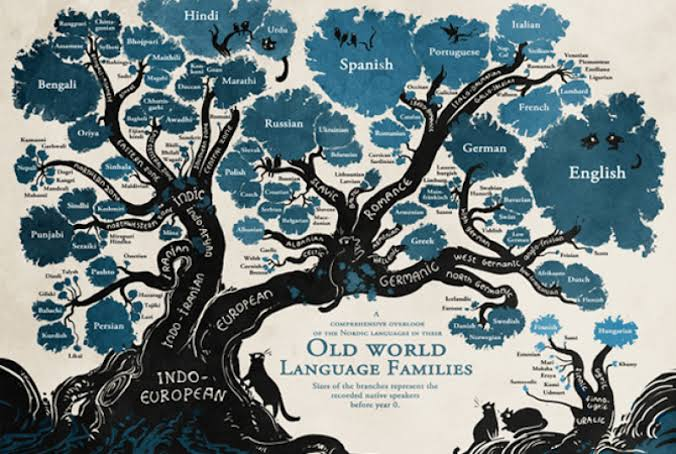
There are more reasons than ever for people in Ireland to be curious about their ancestry. Ancient DNA evidence suggests that the Irish are not Celts, and it is extremely likely that their ancestors came from the Middle East, specifically from biblical regions.

Ancient Europe's history would not have been the same without the intriguing Celts. Irish people have long been thought to be closely linked to the Celts, although this hypothesis may not be accurate.
On Rathlin Island near Antrim, Bertie Currie discovered a sizable, flat stone buried beneath the ground in 2006. He was preparing the area to build a driveway for McCuaig's Bar at the time.
Currie looked more closely after noticing a sizable gap beneath the stone.
What Carrie found has the potential to dramatically rewrite ancient Irish history. "I shot the torch in and saw the gentleman, well, his skull and bones," Currie reportedly said to the Washington Post.
Finally, he discovered the remains of three people, and he immediately dialed the police.
Scientists in Ireland and Britain have now investigated the ancient relics, and their findings indicate that these individuals predate the Celts by about 1,000 years and are the forefathers of present Irish people, according to DNA evidence.
In essence, Irish DNA was there in Ireland long before the Celts arrived on the island.
“Radiocarbon dating at Currie's McCuaig's Bar found that the ancient bones date back to at least 2,000 BC, which is hundreds of years older than the oldest known Celtic artifacts anywhere in the world,” Irish Central reports.
According to the Proceedings of the National Academy of Science, the bones were very similar to those of modern Irish, Scottish, and Welsh people.
“The DNA evidence based on those bones completely upends the traditional view,” stated Barry Cunliffe, an emeritus professor of archaeology at Oxford University.
This implies that the finding might fundamentally alter how Irish ancestry is perceived.
Almost 8 century old horse skull from a cult pit discovered during an archaeological dig in NC, Bulgaria
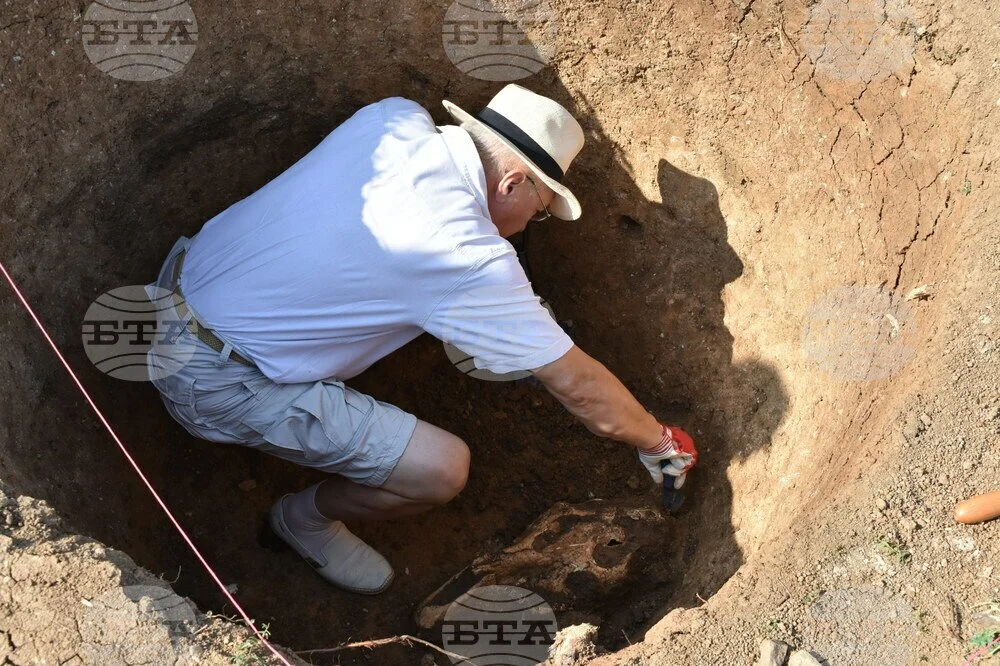
Near Ryahovets Fortress in Gorna Oryahovitsa (North-Central Bulgaria), an archaeological site with a cult pit and an animal skull that dates back roughly eight centuries was found. According to expedition leader Iliyan Petrakiev, the archaeologists discovered a 50 cm horse skull facing south in a ritualistic manner. This discovery follows those of a cow skull and another horse skull.
The three-year-old digs near Gorna Oryahovitsa are in an area where 13th-century ritual pits, a necropolis, and a neighborhood have all been discovered. The scientific theory that the region was occupied by a late nomadic population that was undergoing Christianization is supported, in Petrakiev's opinion, by this year's discoveries.
He claimed that the burials found are peculiar. The upper limbs of the deceased are in various attitudes that are not typical of Christian burial practices, and close by are ritual pits filled with animal remains. They are facing southwest-northeast.
One theory holds that the Kumans, a tribe that sided with the Bulgarian kings of the time in the late 12th and early 13th century, lived in the region. In order to support the notion, the discoveries will undergo additional analysis in addition to the archaeological one.
In order to maintain its integrity, restorer Rouen Hadzhinikolov of the Veliko Tarnovo Regional Museum of History pulled the horse skull from the hole. The discovery will be examined in the National Museum of Natural History and, if feasible, displayed at the Gorna Oryahovitsa History Museum.
Burnt house beams, another discovery from this year's excavation efforts at the location, are significant since a wood analysis can help date them.
Archaeology students from the University of Veliko Tarnovo are working on the excavation. Gorna Oryahovitsa Municipality is providing funding in the amount of BGN 20,000.
Did researchers discover the fabled Jomsborg, a Viking city?
Does this evidence actually reveal a historical "medieval New York"? On a Baltic island, an archaeologist discovers evidence of "Jomesburg," a Viking metropolis. Skepticism persists despite the discovery of an old castle.

An archaeologist claims that the finding of historic stronghold ruins on a Polish island in the Baltic Sea provides proof that the Jomsborg Viking metropolis existed. These findings disprove a belief that has long been held to be false.
An observation tower on a Polish island in the Baltic Sea has rekindled the dispute over the existence and location of a possibly lost Viking city from the 10th century. A large portion of Viking history is literally and figuratively buried. However, an apparently straightforward construction project for an observation tower in a public park on Wolin Island turned some unexpected artifacts. According to the finder, these relics might point to the existence of a city from the tenth century.
Viking researchers are ecstatic as artifacts from Polish islands suggest the existence of a metropolis from the tenth century. The mysterious city of Jomsborg might at last be recorded in history.
Wojciech Filippowiak, an archaeologist at the Polish Academy of Sciences engaged in the study, describes it as "exciting." He told The New York Times, "It might answer a 500-year-old mystery: Where is Jomesburg.
Ancient Viking literature made reference to Jomsborg
The first written accounts of Jomsburg, a key aspect of Viking history, are from the 12th century. However, nobody is certain of where it is. Because of this ambiguity, some people came to think of Jomesborg as a collection of myths—a fantastical city that combined a castle and a thriving commercial center.
If confirmed, Jomsborg would have served as a trading hub for Slavs, Germans, and Vikings—groups with a long history in the area. The Volyn History Museum's director, Karolina Kokura, compares it to "the New York of the Middle Ages on the Baltic Sea."
This comparison would still be valid if Jomsborg had existed prior to its mention in early Viking texts. In those sources, a bustling town with a sizable population, a fortified military outpost, and a harbor for refueling Viking ships are all depicted.
It would be more than serendipitous if Filippowiak's finds turned out to be pieces of the original fortification. The park has been the subject of island-wide excavations in search of Viking history, but these efforts have not produced any firm conclusions. The discovery of such a crucial historical component might open the door to a plethora of fresh inquiry.
Additionally, it might spark heightened public interest. Should a historic Viking colony be proven, the persistent fascination of Viking civilisation might possibly boost tourism in the area.
In an interview with the New York Times, the mayor of Wolin, Eva Grybovska, said that "Vikings are captivating and garner enormous attention. Every corner here holds history".
She is so certain that displaying Viking items in a public park on a Baltic Sea island would pave a new way for drawing tourists—assuming, of course, that everything turns out to be authentic.
New information on the lives of slaves in ancient Pompeii is discovered by archaeologists
The culture ministry said on Sunday, August 13, 2023, that archaeologists had found a tiny bedroom in a Roman villa close to Pompeii that was probably certainly occupied by slaves, shedding information on their poor standing in the ancient world.

A small bedroom that was almost certainly used by slaves is pictured after it was discovered by archaeologists in a Roman villa near Pompeii.
The villa at Civita Giuliana, some 600 meters (2,000 feet) north of Pompeii's walls, which were destroyed by Mount Vesuvius' volcanic eruption over 2,000 years ago, is where the room was discovered.
The Director of Pompeii Archeological Park, Gabriel Zuchtriege, explains in a video released by the ministry of culture that the room contained two beds, only one of which had a mattress, two small cabinets, and a number of amphorae and ceramic containers where the remains of two mice and a rat were discovered.
Over time, materials like furniture and textiles that were damaged by the horrific explosion of rock pieces, gas, and ash from Vesuvius disintegrated, leaving a gap in the rubble.

The shape and contours of the long-gone material, including the outline of a crumpled blanket left on the bed netting, are revealed when the hole is filled with plaster.
The Civita Giuliana villa underwent excavations in 1907–1908 and again starting in 2017, when police discovered that the site was being looted by unauthorized diggers.