• MAIN PAGE
  • LATEST NEWS
    • Lost Cities
    • Archaeology's Greatest Finds
    • Underwater Discoveries
    • Greatest Inventions
    • Studies
    • Blog
  • PHILOSOPHY
  • HISTORY
  • RELIGIONS
    • Africa
    • Anatolia
    • Arabian Peninsula
    • Balkan Region
    • China - East Asia
    • Europe
    • Eurasian Steppe
    • Levant
    • Mesopotamia
    • Oceania - SE Asia
    • Pre-Columbian Civilizations of America
    • Iranian Plateau - Central Asia
    • Indus Valley - South Asia
    • Japan
    • The Archaeologist Editor Group
    • Scientific Studies
    • Aegean Prehistory
    • Historical Period
    • Byzantine Middle Ages
    • Predynastic Period
    • Dynastic Period
    • Greco-Roman Egypt
  • Rome
  • PALEONTOLOGY
  • About us
Menu

The Archaeologist

  • MAIN PAGE
  • LATEST NEWS
  • DISCOVERIES
    • Lost Cities
    • Archaeology's Greatest Finds
    • Underwater Discoveries
    • Greatest Inventions
    • Studies
    • Blog
  • PHILOSOPHY
  • HISTORY
  • RELIGIONS
  • World Civilizations
    • Africa
    • Anatolia
    • Arabian Peninsula
    • Balkan Region
    • China - East Asia
    • Europe
    • Eurasian Steppe
    • Levant
    • Mesopotamia
    • Oceania - SE Asia
    • Pre-Columbian Civilizations of America
    • Iranian Plateau - Central Asia
    • Indus Valley - South Asia
    • Japan
    • The Archaeologist Editor Group
    • Scientific Studies
  • GREECE
    • Aegean Prehistory
    • Historical Period
    • Byzantine Middle Ages
  • Egypt
    • Predynastic Period
    • Dynastic Period
    • Greco-Roman Egypt
  • Rome
  • PALEONTOLOGY
  • About us

Scientists Reconstruct the Face of Homo Heidelbergensis: A Glimpse into Our Distant Ancestors

October 22, 2023

Anthropologists in Greece have undertaken an awe-inspiring endeavor to shed light on the enigmatic Homo heidelbergensis, a relatively obscure cousin of the Neanderthals who roamed the Earth between 700,000 and 200,000 years ago. Using state-of-the-art facial reconstruction techniques, these scientists have meticulously crafted a portrait that offers a tantalizing glimpse into what Homo heidelbergensis might have looked like.

Homo heidelbergensis, an extinct species within the Homo genus, left behind a fossil record dating back to the Middle Pleistocene era, spanning across Africa, Europe, and possibly Asia. This species possessed distinctive features, including a prominent browridge, a larger braincase, and a flatter facial structure when compared to its older hominid counterparts.

One of the most remarkable aspects of Homo heidelbergensis was its ability to adapt to colder climates, characterized by its short and wide physique, likely an evolutionary response to conserve heat. Notably, this species pioneered the art of shelter-building, constructing rudimentary dwellings from wood and rock—a testament to their resourcefulness. They were also the earliest known hunters of large animals, leaving behind fossilized remains of wild creatures such as deer, horses, elephants, hippos, and rhinos, bearing telltale butchery marks. Wooden spears unearthed at sites like Schöningen, Germany, further attest to their prowess as hunters.

Frontal view of the portrait of Homo heidelbergensis from Petralona, Greece, with hair and skin pigmentation. Image credit: Aidonis et al., doi: 10.1016/j.jasrep.2023.104206.

The origins of the name "Homo heidelbergensis" can be traced back to 1908, when it was coined to accommodate the discovery of an ancient human jaw in a quarry near Heidelberg, Germany. However, it was only towards the end of the 20th century that this species gained broader recognition due to the unearthing of additional fossil specimens. Notable among these discoveries are specimens from Bodo in Ethiopia, Kabwe in Zambia, Ndutu in Tanzania, Petralona in Greece, Arago in France, and potentially Dali in China.

The ambitious task of reconstructing the face of Homo heidelbergensis was entrusted to anthropologist Christina Papageorgopoulou and her colleagues at Democritus University of Thrace. They turned to the well-preserved skull found in Petralona, Greece, a treasure trove of anatomical information that has played a pivotal role in unraveling the mysteries of our ancient relatives.

"The Petralona skull is one of the most anatomically complete human fossils of the Middle Pleistocene and a key paleoanthropological finding in Europe," emphasized the researchers. It was serendipitously discovered in 1960 during an amateur exploration of Petralona Cave, nestled in the rugged landscapes of Chalkidiki, Northern Greece.

The skull is kept in the Museum of Geology, Paleontology and Paleoanthropology of the Aristotle University in Thessaloniki

Currently housed in the Museum of Geology, Palaeontology, and Paleoanthropology of the Aristotle University of Thessaloniki, the Petralona skull has yielded critical insights. The scientists deduced that this skull belonged to a male individual, judging by its sexually dimorphic characteristics. Furthermore, the closure of cranial sutures indicated a young age, likely no older than 35 years, with an estimated body mass of approximately 52 kilograms.

To bring the face of the Petralona man to life, the team employed a cutting-edge Artec Spider 3D scanner to digitize a cast of the original skull. While the facial skeleton remained intact and undistorted, minor deformations in the rear of the vault and temporal bones had no bearing on the facial morphology. However, a key piece was missing—the mandible. In this critical juncture of reconstruction, the researchers turned to the Mauer jaw, often referred to as the holotype specimen of Homo heidelbergensis. This ancient relic, dated to approximately 609,000 years ago, provided a vital missing link.

The resulting facial approximation of the Petralona man showcased characteristic features: a sloped forehead, massive brow ridges, and facial robusticity that set Homo heidelbergensis apart from both Neanderthals and anatomically modern Homo sapiens. This meticulous reconstruction provides an invaluable window into the past and enhances our understanding of our distant ancestors.

"This facial approximation of the Petralona man represents a milestone in paleoanthropological research, marking the first hominin facial approximation derived from Greek material," the researchers remarked. While acknowledging the inherent limitations of facial approximation techniques, especially when applied to archaic hominins, they underscored the immense potential of this method in cultural, educational, and scientific contexts.

In an age marked by rapid technological advancements, encompassing fields like medical imaging, geometric morphometrics, ancient DNA analysis, 3D scanning, image processing, and virtual reality, facial approximation stands poised to become an invaluable tool for the dissemination of cultural heritage and scientific exploration. The unveiling of Homo heidelbergensis's visage is not just a tribute to our ancestral lineage but also a testament to the power of cutting-edge technology in reconstructing the past.

The team's groundbreaking research, which ushers us closer to our ancient relatives, has been published in the Journal of Archaeological Science: Reports, marking a significant milestone in our quest to understand the fascinating tapestry of human evolution.


References:

Asterios Aidonis et al., 2023 Digital 3D facial approximation of the Petralona skull Methodological issues and applications Journal of Archaeological Science: Reports 51: 104206; doi: 10.1016/j.jasrep.2023.104206.

In Paleontology

10 Most Ancient Surviving Books in Human History

October 22, 2023

The written word has been a cornerstone of human civilization for millennia. From clay tablets and scrolls to modern-day books, the medium for recording knowledge has evolved significantly over time. The question of the oldest surviving book is a complex one, as it depends on how we define a book and its significance. In this article, we'll delve into ten of the most ancient known surviving books in the world, each with its unique historical and cultural significance.


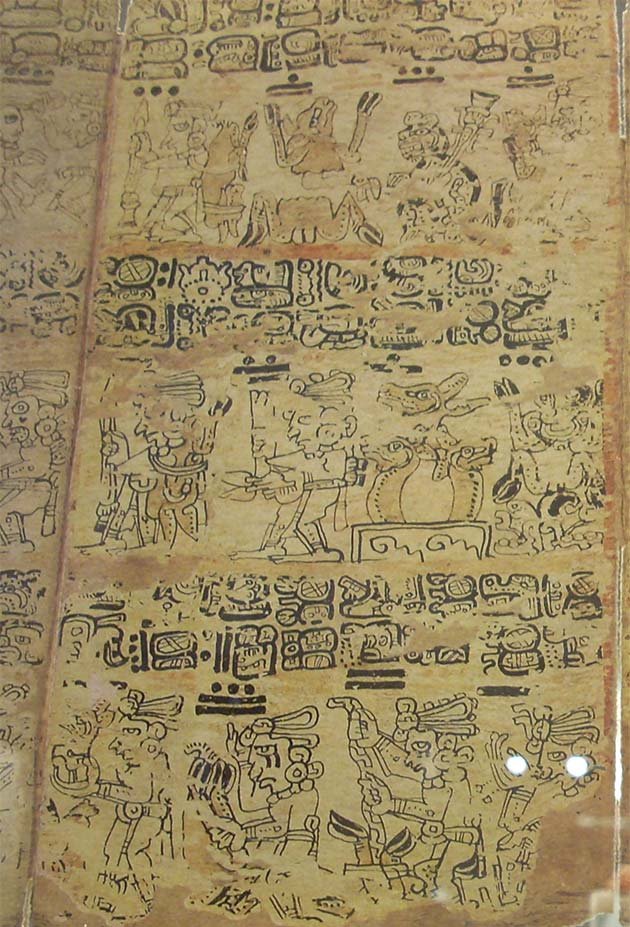
Scenes connected to the hunt, Madrid Codex

1. Madrid Codex (Estimated age: 494 years old)

The Madrid Codex, also known as the Tro-Cortesianus Codex, is a rare treasure from the pre-Columbian Maya culture, dating back to around 900–1521 AD. It was discovered in Spain in the 1860s and is currently housed in the Museo de América in Madrid. Experts debate its exact creation date, but some suggest it predates the Spanish conquest of the 16th century. Written in Yucatecan, a group of Mayan languages, this codex provides valuable insights into the Mayan civilization.


Gutenberg Bible of the New York Public Library. Bought by James Lenox in 1847, it was the first copy to be acquired by a United States citizen.

2. Gutenberg Bible (Estimated age: 559 years old)

The Gutenberg Bible, also called the 42-line Bible, stands as the world's oldest mechanically printed book, with the first copies produced in 1454–1455 AD by Johannes Gutenberg in Mainz, Germany. While China had earlier examples of book printing, such as the Diamond Sūtra, this Bible marked a significant advancement in Western printing technology. There are 48 known original copies, with 21 complete copies. The New York Public Library owns one of these iconic editions.


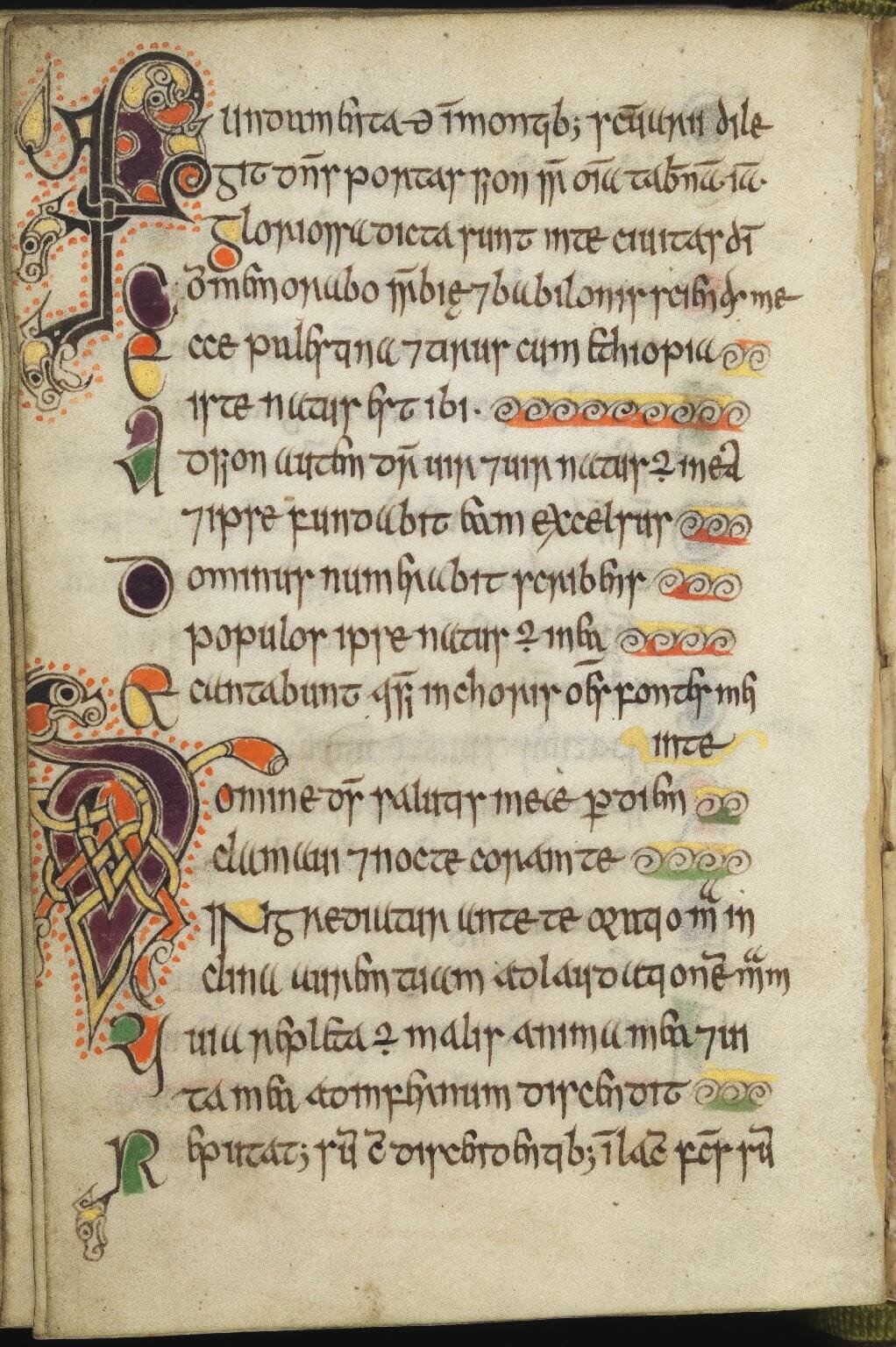
3. Celtic Psalter (Estimated age: 938 years old)

Scotland's answer to the Book of Kells, the Celtic Psalter, is a pocket-sized book of Psalms. Created in the 11th century AD, it is Scotland's oldest surviving book. In 2009, it went on public display at the University of Edinburgh, allowing admirers to appreciate its historical and artistic significance.


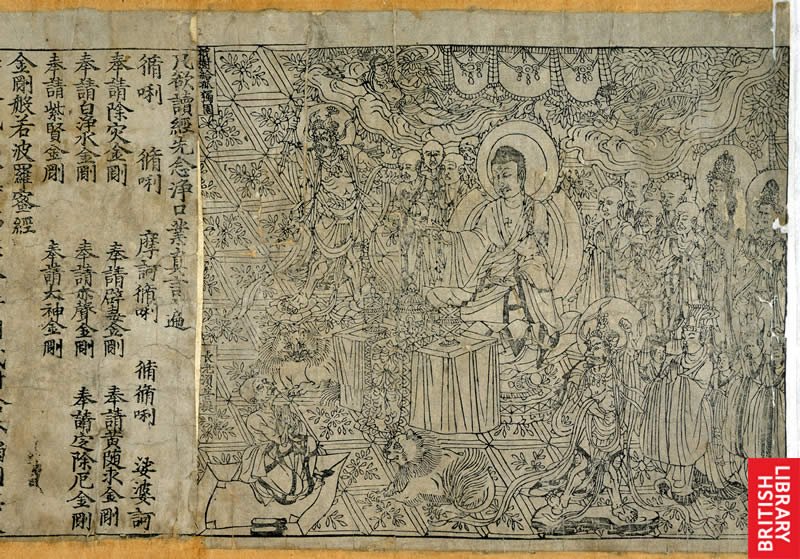
4. Diamond Sūtra (Estimated age: 1,145 years old)

The Diamond Sūtra, a Buddhist holy text, claims the title of the world's oldest surviving dated printed book. Unearthed in China in a sealed cave, this scroll consists of Chinese characters printed on gray paper and dates back to May 868 AD. What sets this text apart is an inscription at the end detailing the book's creation by Wong Jei on his parents' instructions.


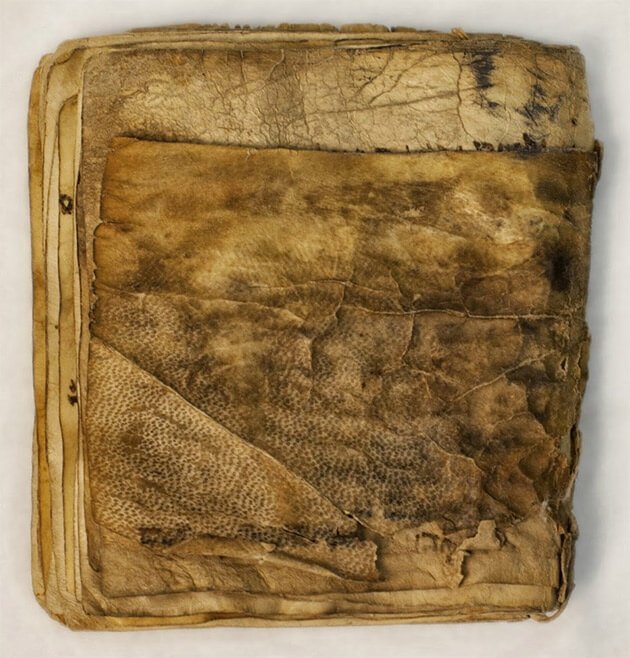
5. Siddur, Jewish Prayer Book (Estimated age: 1,173 years old)

In 2013, a remarkable discovery was made—a Jewish prayer book, or'siddur,' dating back to around 840 AD. This parchment, still in its original binding, features Babylonian vowel pointing, reflecting the language of the Geonim during the Middle Ages. This remarkable find offers a glimpse into the religious practices of that era.


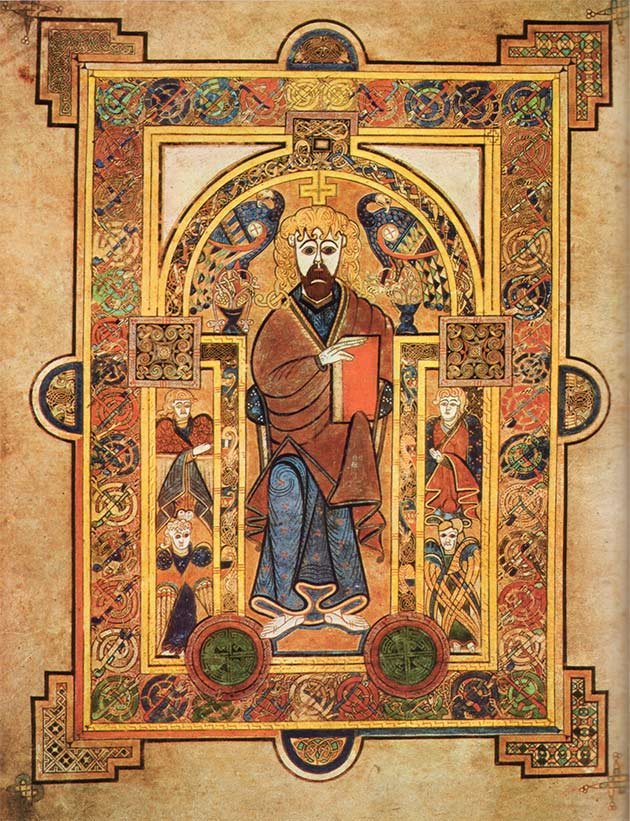
6. Book of Kells (Estimated age: 1,213 years old)

Housed in the Trinity College Library in Dublin, Ireland, the Book of Kells is a masterpiece created by Celtic monks around 800 AD. This illuminated manuscript Gospel book is written in Latin and contains the four Gospels of the New Testament. Its intricate designs and vivid illustrations make it a marvel of medieval artistry.


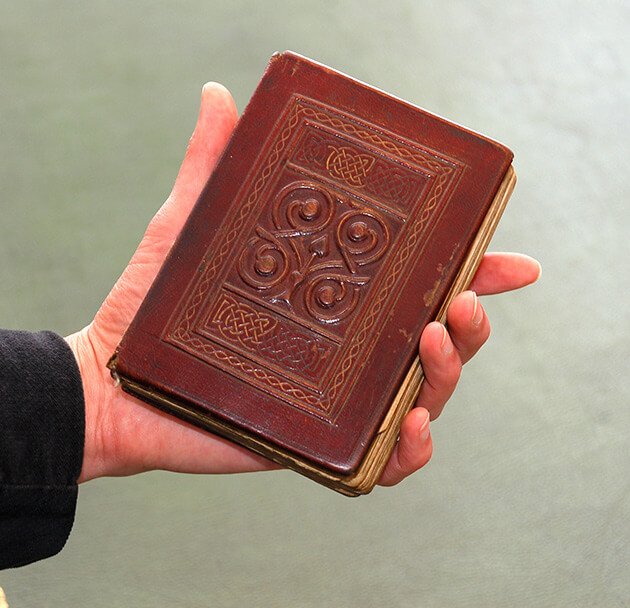
7. St Cuthbert Gospel (Estimated age: 1,315 years old)

Europe's oldest known surviving intact book is the St. Cuthbert Gospel. It was acquired by the British Library in 2012 for £9 million as part of a fundraising campaign. This book was buried with St. Cuthbert, an early British Christian leader, around 698 AD. Its journey through history, surviving Viking conquests and rediscovery in 1104 AD, adds to its historical significance.


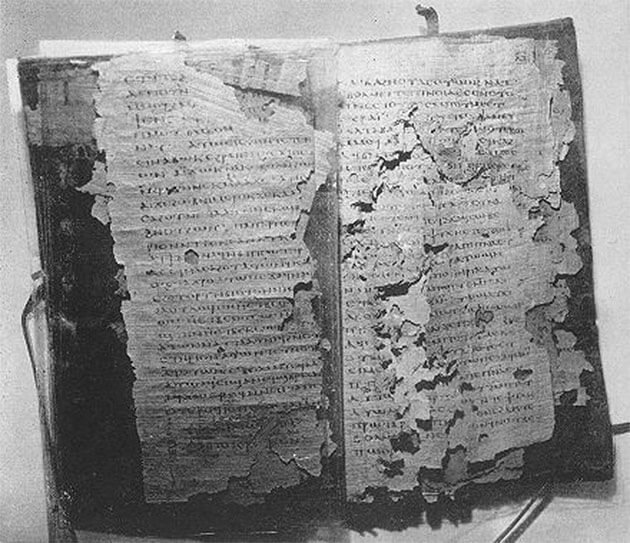
8. Nag Hammadi Library (Estimated age: 1,693 years old)

Considered among the oldest surviving bound books, the Nag Hammadi Library consists of 13 leather-bound papyrus codices discovered in 1945 in Upper Egypt. These codices contain Gnostic texts and are dated to the first half of the 4th century AD. They are currently housed in the Coptic Museum in Cairo, shedding light on early Christian thought.


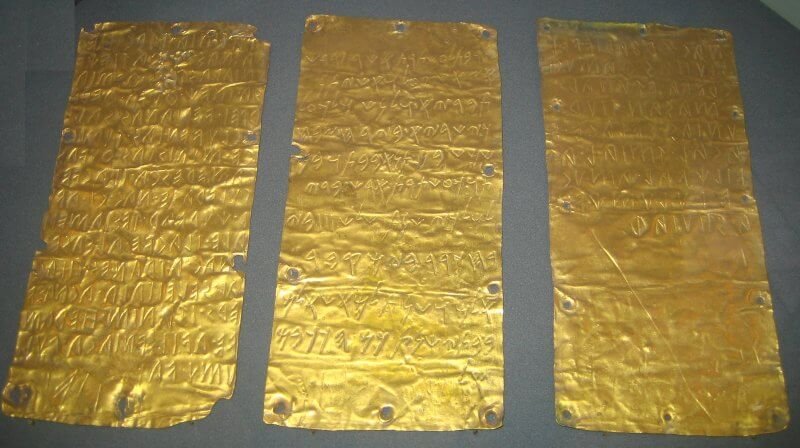
9. Pyrgi Gold Tablets (Estimated age: 2,513 years old)

In 1964, three gold plates were discovered in ancient Pyrgi, Italy, dating back to 500 BC. These plates, written in Etruscan and Phoenician, comprise a dedication from King Thefarie Velianas to the Phoenician goddess Astarte. Their display at the National Etruscan Museum in Rome offers a glimpse into the ancient Etruscan civilization.


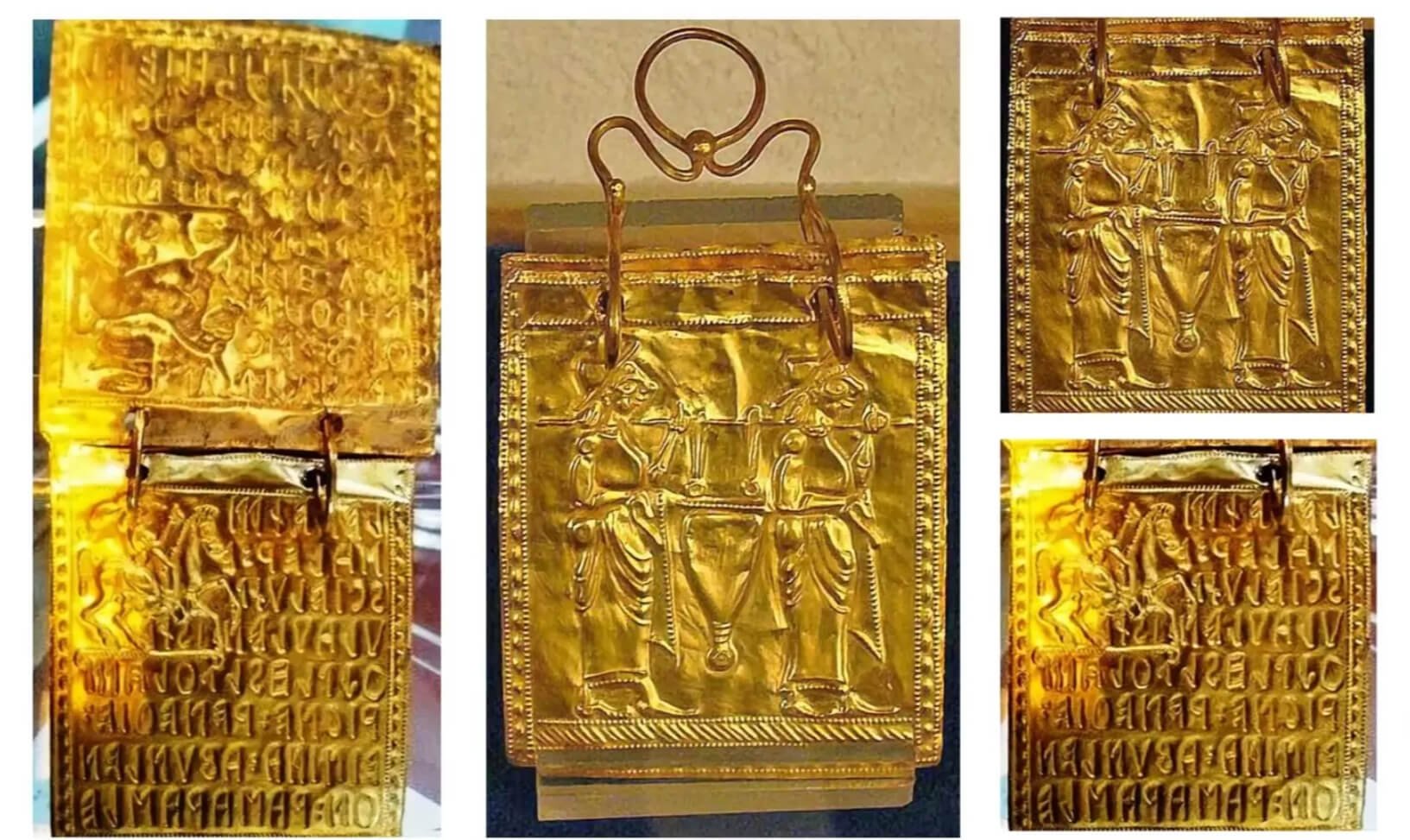
10. Etruscan Gold Book (Estimated age: 2,673 years old)

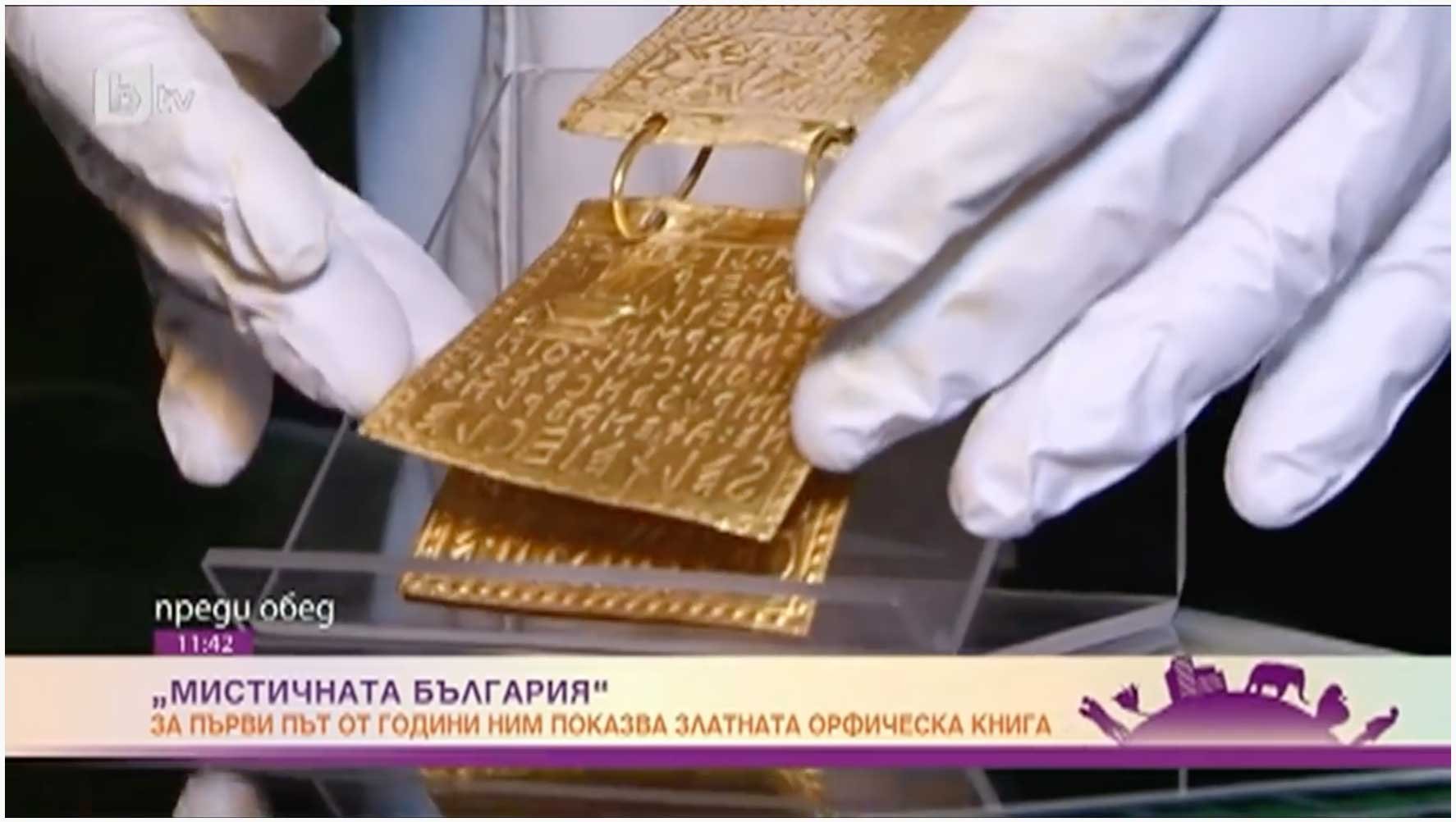
The Etruscan Gold Book, dating to about 660 BC, is thought to be the world's oldest multi-page book. Comprising six sheets of 24-carat gold bound together with rings, this remarkable artifact features Etruscan characters and depictions of a horse, a horseman, a siren, a lyre, and soldiers. It was donated to Bulgaria's National History Museum in Sofia by an anonymous donor.


These ten ancient surviving books provide windows into the rich tapestry of human history, culture, and knowledge. From the Mayan civilization to the dawn of printing technology in Europe, and from religious texts to illuminated manuscripts, these books transcend time, connecting us with our ancestors and their wisdom. They are not just records of the past but treasures that continue to inspire and educate generations.

Tags Archaeology's Greatest Finds

Illustration by Dimosthenis Vasiloudis

The Golden Etruscan Orphic Book: The World's Oldest Book

October 22, 2023

BY DIMOSTHENIS VASILOUDIS


Bulgaria's Golden Wonder: The Tale of the Etruscan Orphic Book

The ancient world holds many secrets, waiting for intrepid archaeologists to unveil them. Among these mysterious artifacts, one gleams brighter than most—the Golden Book of Orpheus. Currently showcased in the National Historical Museum in Sofia, Bulgaria, it is not just a treasure trove of history but a testament to human craftsmanship and spiritual endeavors from millennia ago.

Discovery and History

The Golden Orphism Book was discovered quite serendipitously about 70 years ago. As a soldier toiled away, digging a canal around the Struma River, he stumbled upon what would later be recognized as one of the world's oldest preserved books.

Dating back to around 660 BC, this ancient codex is comprised of six pages, each measuring 5 cm by 4.5 cm. Made from 23.82-karat gold, these pages are bound together with gold rings, presenting a dazzling and magnificent sight. The entire artifact weighs a delicate 100 grams.

Etruscan Influence and Cultural Significance

The contents of the book are written in Etruscan characters, a language of the Etruscans, an ancient civilization that originated in Lydia (modern-day Turkey) and was later settled in central Italy almost three millennia ago. Illustrations on the plates depict various symbols and figures, such as a horse, a horseman, a siren, a lyre, and soldiers, pointing towards the rich cultural tapestry of that era.

The book's Etruscan connection, particularly its writings, hint at the mystical rites and practices surrounding death. Scholars believe this artifact is related to the funeral of an aristocrat devoted to the Orphic cult, a belief system rooted in the mythic tales of Orpheus.

Orphic Connection

Orphism, tied closely to Thracian and Hellenistic traditions, found resurgence in the 6th century BC with the Greek philosopher Pythagoras. Its origins in Thrace make the discovery of the book in Bulgaria even more significant, and the linkage with Etruscan culture underlines the intermingling of beliefs in ancient times.

Interestingly, while individual pages of Etruscan "Orpheus" books have been found scattered in various parts of the world, only in Bulgaria was a complete book discovered with its pages still connected by golden rings.

Current Status and Future Studies

Generously donated to Bulgaria’s National History Museum by an anonymous 87-year-old benefactor, the book is now stored in the NIM Cellar. It has undergone extensive examination by experts both in Sofia and London, with translations of its text currently underway.

The discovery of the Golden Etruscan Orphism Book reminds us of the interconnectedness of ancient civilizations and the rich cultural legacies they left behind. As scientists and historians continue to decode its secrets, the book stands as a gilded beacon, bridging the past with the present and underscoring the enduring human quest for understanding and meaning.

The pages and cover are made of 23.82-carat gold. The quality of the work of the craftsmen who made this book indicates the advanced goldsmith techniques used by the Etruscans.


REFERENCES:

  • Golden Orphism Book

  • ЗЛАТНАТА ОРФЕЕВА КНИГА (The Golden Orphism Book)

  • Ще бъде ли потвърдена автентичността на Златната орфическа книга? (Will the authenticity of the Golden Orphic Book be confirmed?)

  • Какво се знае за загадъчната "златна книга"? (What is known about the mysterious "golden book"?)

  • ЗАГАДЪЧНАТА ЗЛАТНА “КНИГА” (THE MYSTERIOUS GOLDEN "BOOK")

In Europe Tags Dimosthenis Vasiloudis

Iberian Amber Imports Began Over 5,000 Years Ago: Oldest Pieces Found on Iberian Peninsula

October 21, 2023

Early Baltic Amber Trade: Ancient Exchange Networks in Northeastern Iberia

The history of human civilization is intricately woven with the exchange and trade of materials and goods. One of the most fascinating aspects of this exchange is the acquisition of rare and exotic raw materials, often referred to as "exotica," which held significant social and cultural value. In this article, based on new research, we delve into the discovery of Baltic amber in northeastern Iberia, shedding light on its implications for our understanding of early exchange networks and their role in shaping social structures. This discovery challenges traditional timelines and provides a glimpse into the complex web of cultural interactions during the Late Neolithic period.

The Enigmatic Baltic Amber

Amber, with its rich golden hues and captivating beauty, has fascinated humans for millennia. Beyond its aesthetic appeal, amber held great importance in ancient cultures due to its scarcity and the mysteries it encapsulated. The presence of Baltic amber in northeastern Iberia, dating back to the 4th millennium BC, has raised significant questions about the early movement of this precious material.

Amber bead from Cova del Frare. Photos: C. B. González edited by M. J. Vilar Welter.

Early Exchange Networks

Long-distance trade networks in ancient times were pivotal for acquiring knowledge, technologies, objects, and forging social relationships. These networks not only facilitated cooperation but also led to interdependence, social debt, and competition. Therefore, understanding how long-distance trade influenced the distribution of exotic materials is crucial for unraveling the dynamics of social power and prestige in the past.

Location of Cova del Frare (red star) and all sites mentioned in the text. 1. Cova del Frare, 2. Bòbila Madurell, 3. Can Gambús, 4. El Pendo, 5. Morín, 6. La Garma A, 7. Las Caldas, 8. La Velilla, 9. Trikuaizti I, 10. Los Lagos I, 11. Larrarte, 12. La Almoloya, 13. Cabana del Moro de Colomera, 14. Pedra Cabana, 15. El Bosc, 16. La Pera, 17. Cova de El Garrofet, 18. Muricecs, 19. Fossa del Gegant, 20. Villevenard, 21. Oyes, 22. Charavines, 23. Annecy, 24. Epone, 25. Flavacourt, 26. Méréaucourt, 27. Mériel, 28. Chouilly, 29. Ay Champagne, 30. Isturitz, 31. Thiré, 32. Narbonne, 33. Xanton-Chassenon, 34. Montagnac-Montpezat, 35. Salses, 36. Saint-Pargoire, 37. Saint Maurice-de-Navacelles, 38. Châteaurenard, 39. Montpezat. Amber deposits in Iberia are also indicated.

The Evolution of Exotica

During Late Prehistory in Europe, the use of scarce and exotic raw materials expanded dramatically. These materials included organic resources like amber, ivory, and ostrich eggshell, as well as abiotic materials like obsidian, rock crystal, and cinnabar. However, the social significance of these materials varied throughout their life cycle, depending on factors such as their rarity and their role in local, mid-, or long-distance trading networks.

Two Distinct Trade Systems

Between 3500 and 2200 cal BC, intense interactions and trade networks operated in the Western Mediterranean region. Two distinct trade systems emerged during this period. The first spanned southern Iberia, North Africa, and Sicily, involving the exchange of materials such as ostrich eggshell, ivory, and Sicilian amber. The second network encompassed northeastern Iberia, southern France, Sardinia, and Italy, leading to intensive exchange networks between these regions.

Topography of the cave. Sectors A-B, B-C, C, D and E are shown in different colours. Zones 1–4 where bones were concentrated are indicated. Square Y34, where the amber bead was found, is highlighted in red. In the picture, blocks B and C at the entrance can be observed.

The Earliest Evidence of Baltic Amber in Iberia

The most striking revelation comes from the discovery of Baltic amber in northeastern Iberia, specifically in the Cova del Frare (Matadepera, Barcelona), dating back to the middle of the 4th millennium BC. This discovery challenges traditional timelines and suggests that Baltic amber arrived in the Mediterranean and Western Europe much earlier than previously thought. The amber beads found in a Late Neolithic funerary cave provide a unique glimpse into ancient exchange networks.

Implications and Conclusions

The discovery of Baltic amber in northeastern Iberia reshapes our understanding of early exchange networks, exotic materials, and their role in shaping social structures. It suggests that these networks were highly dynamic and that exotic materials played a crucial role in the emergence and consolidation of social status and power.

As we continue to unearth archaeological treasures and analyze ancient materials, we uncover new layers of the past, revealing the intricate web of connections that defined ancient civilizations. The presence of Baltic amber in northeastern Iberia serves as a testament to the enduring fascination with exotic materials and the enduring impact of trade on human history.

Images by Klaus Wagensonner, YPM BC 002842; EAH 197

Writing, Wisdom, and the Role of Teachers in Ancient Mesopotamia

October 21, 2023

By The Archaeologist Editor Group


Unveiling the Mysteries of Ancient Mesopotamian Scribal Education

In a world that was dominated by the majestic rivers of the Tigris and Euphrates, ancient Mesopotamia was a cradle of civilization. It was a place where the earliest forms of writing, known as cuneiform, were developed and where knowledge was passed down from generation to generation through the diligent efforts of teachers. As we celebrated World Teachers' Day, it is fitting to delve into the intriguing realm of ancient Mesopotamian scribal education, a practice that played a pivotal role in shaping the intellectual landscape of the time.

The Teacher-Student Dynamic

Much like today, teachers in ancient Mesopotamia were instrumental figures in shaping the minds of the young. However, unlike the abundance of information we have about student experiences, our understanding of the teaching experience in this ancient land is somewhat limited. Questions arise: How many students did a teacher take on? Were teachers exclusively men, or did women also participate in this noble profession? And who decided on the curriculum with standard texts for students to copy?

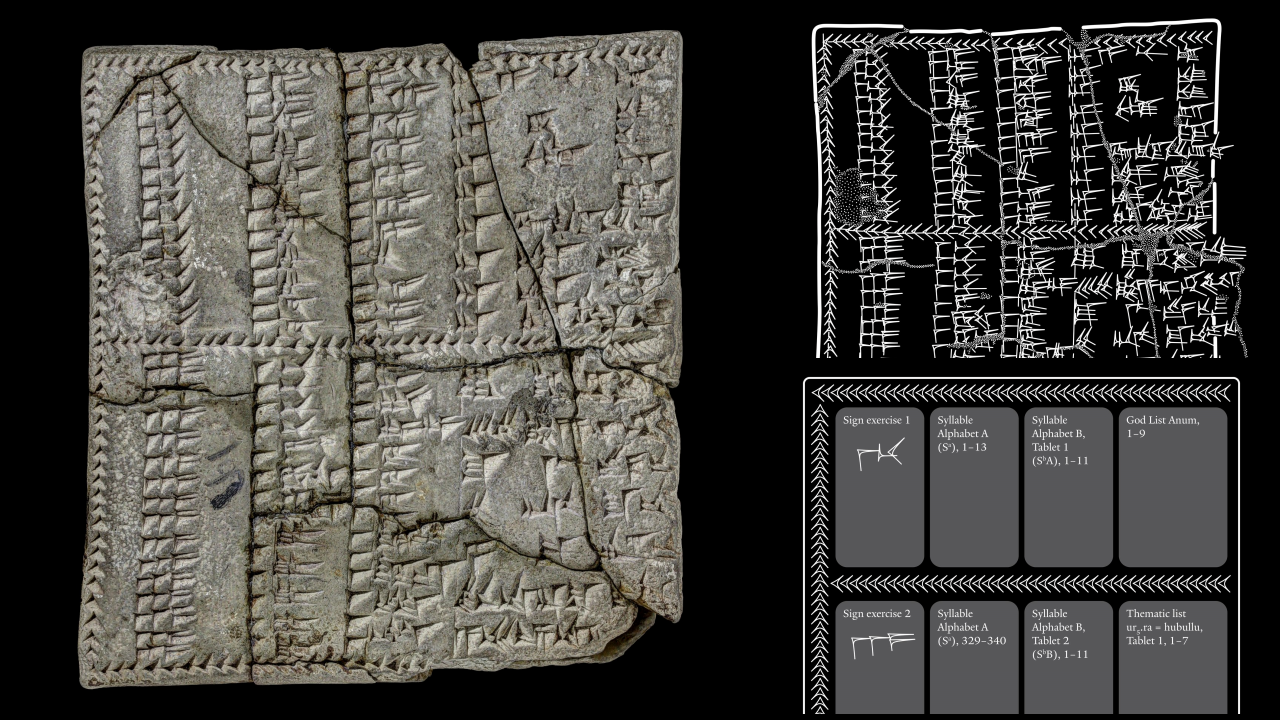
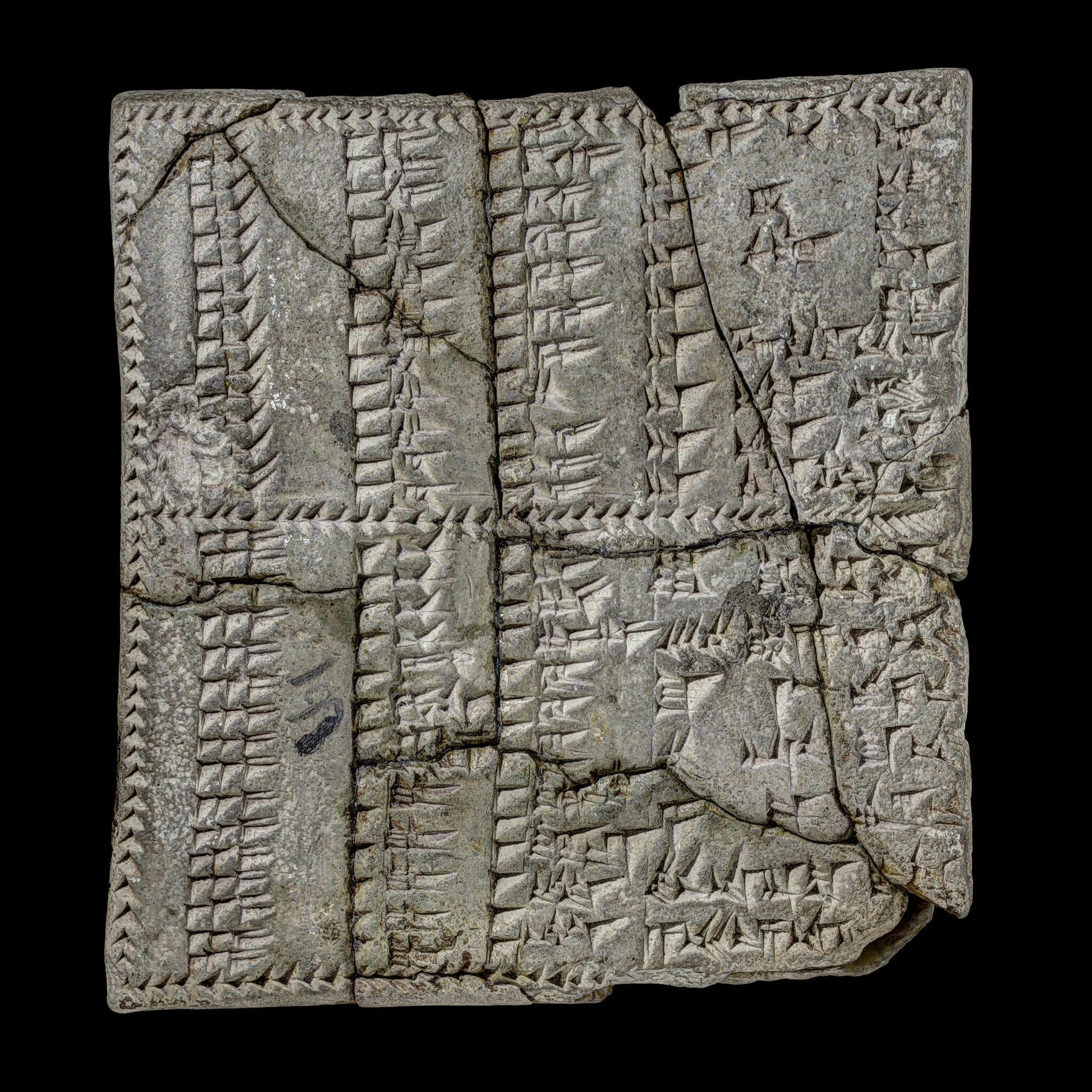
While we may not have definitive answers to all these questions, we can gain insights into the minds of ancient instructors by examining the meticulously crafted model texts found on the obverse of school tablets. It is possible that instructors maintained a repository of master copies from which they drew exercises, possibly influenced by their own education. Some of these well-preserved exemplars of lexical, literary, and mathematical compositions may very well have served as the equivalent of ancient "textbooks."

Images by Klaus Wagensonner, YPM BC 002842; EAH 197

The Legacy of Ancient Texts

One remarkable tablet from the late first millennium BC provides us with a glimpse into the enduring traditions of scribal education. Despite the passage of time, the content of the curriculum remained remarkably consistent. Students were still tasked with mastering the art of using a stylus, forming simple signs and syllables, and expanding their vocabulary. However, the format of this particular exercise tablet differs from its predecessors. Notably, it features decorative frames of diagonal wedges, which were characteristic of late-school exercises.

These tablets, adorned with such intricate details, were dedicated to Nabû, the god of writing, and placed in various shrines throughout Babylonia. Many such examples have been discovered in Nabû's temple in the ancient city of Babylon, highlighting the deep reverence for writing and education in Mesopotamian society.

Images by Klaus Wagensonner, YPM BC 002842; EAH 197

Further Exploration and Exhibitions

For those eager to delve deeper into the world of scribal education in ancient Mesopotamia, there are valuable resources available. The "Becoming a Scribe" chapter in the Ancient Mesopotamia Speaks Catalog (2019) provides an in-depth exploration of the topic with additional references. Online translations of literary texts taught in schools and texts related to school life can also be found in the ETCSL catalogue: scribal training literature.

Additionally, enthusiasts and scholars alike can explore the new exhibition titled "Back to School in Babylonia," hosted at The Institute for the Study of Ancient Cultures at the University of Chicago from September 21, 2023, to March 24, 2024. The exhibition's online catalog delves into many key aspects of scribal learning, providing a fascinating journey into the ancient world of education.

As we celebrate World Teachers' Day, it is crucial to recognize that the importance of education transcends time and place. In ancient Mesopotamia, teachers were revered for their role in nurturing the minds of the young and preserving the knowledge of their civilization. The study of scribal education in this ancient land offers us a profound glimpse into the intellectual heritage of humanity and the enduring legacy of those who dedicated their lives to the pursuit of knowledge.

In Mesopotamia Tags The Archaeologist Editorial Group

Archaeologists and students at the Eurasian National University have been excavating the Bronze Age pyramid since 2014.L. N. GUMILYOV EURASIAN NATIONAL UNIVERSITY/KAZAKHSTAN MINISTRY OF SCIENCE AND HIGHER EDUCATION

Mysterious Bronze Age Pyramid Unearthed in Kazakhstan with Possible Links to Ancient Horse Culture

October 21, 2023

In a remarkable archaeological discovery, a massive Bronze Age pyramid has been unearthed in the Abai region of Kazakhstan, shedding light on a fascinating chapter in human history. This hexagonal structure, which dates back to the 2nd millennium BC, has baffled researchers with its intricate design and potential ties to an ancient horse-centered culture.

Unveiling the Enigmatic Pyramid

Archaeologists and students from the L.N. Gumilyov Eurasian National University have been meticulously excavating this enigmatic pyramid since 2014. Dr. Ulan Umitkaliyev, Head of the University's Archaeology and Ethnology Department, expressed astonishment at the complexity of the structure. "This is a very complex construction," he stated. "The steppe pyramid was built with great precision; it is hexagonal, with thirteen meters and eight rows of stones between each face. It is a very sophisticated, complex structure with several circles in the middle."

The pyramid's hexagonal shape is unlike anything found in the Eurasian steppes before, making it a unique archaeological find. Each face of the pyramid spans roughly 42 feet, indicating the meticulous craftsmanship that went into its construction.

Each face of the hexagonal pyramid spans roughly 42 feet.EURASIAN NATIONAL UNIVERSITY

The Era of Bronze and the Horse Connection

The Bronze Age, which spanned from 3300 BC to 1200 BC, marked a significant period in human history characterized by the widespread use of bronze for tools and weapons. During this epoch, the Eurasian steppe played a central role as a hub for trade, cultural exchange, and the movement of people. It was during this time that humans in Kazakhstan began the domestication of horses, a pivotal development that transformed ancient societies.

Images adorning the pyramid's walls provide compelling evidence of the close relationship between the structure and the horse culture of its time. Dr. Umitkaliyev notes, "Images of various animals, especially horses, predominate on the walls outside the building in the same complex. There are also images of a camel." The domestication of horses during the Bronze Age revolutionized human travel, facilitating the exchange of languages, ideas, and goods along the famous Silk Road, which connected Eastern Europe to Asia and beyond.

A Center of Ancient Culture

The treasures discovered at the site further attest to its importance during ancient times. Excavations have revealed ceramics, female gold earrings, and other jewelry, suggesting that this Bronze Age pyramid was a cultural epicenter. "Findings in excavations...indicate that this Bronze Age was the center of culture in ancient times," explained Dr. Umitkaliyev. "This means that even at that time, the cult of the horse was extremely high, as evidenced by the discovery of horse bones around the stone building."

The Ongoing Exploration

Excavation efforts at this remarkable site will continue with the collaboration of students from the university and researchers from international institutions. As the layers of history are peeled back, more insights into the significance of this Bronze Age pyramid and its connection to the ancient horse culture may come to light.

The discovery of this hexagonal pyramid in Kazakhstan adds a fascinating chapter to our understanding of ancient civilizations, trade networks, and the pivotal role that horse domestication played in shaping human history during the Bronze Age. As research continues, the mysteries of this unique structure may reveal even more about the cultural landscape of ancient Eurasia.

Final physical reconstruction of the necklace, today exposed at the new museum of Petra in Jordan. Credit: Alarashi et al., 2023, PLOS ONE, CC-BY 4.0

Remarkable Neolithic Ornate Necklace Unearthed in Child's Grave Offers Insights into Ancient Society

October 21, 2023

Archaeological discoveries often provide us with remarkable glimpses into the lives and cultures of our ancient ancestors. One such discovery has recently captured the attention of scientists and archaeologists alike—a Neolithic ornate necklace, adorned with over 2,500 stones and artifacts, found in the grave of a child in Jordan. This single accessory has opened a window into the social complexity of Neolithic culture, shedding light on the intricate web of relationships that defined the lives of people over 9,000 years ago.

Body adornments, such as jewelry and ornaments, have always served as powerful symbols, conveying cultural values and individual identities. They are invaluable artifacts for researchers seeking to understand the customs, beliefs, and social hierarchies of ancient civilizations. In the case of the Neolithic necklace discovered in Jordan, its significance transcends its beauty and craftsmanship.

Hala Alarashi, a researcher affiliated with the Consejo Superior de Investigaciones Científicas in Spain and the Université Côte d'Azur in France, led the team of scientists in analyzing the materials that adorned the body of an eight-year-old child buried in the Neolithic village of Ba'ja. This archaeological site in Jordan dates back to a period between 7400 and 6800 BCE, making it a treasure trove of ancient history.

The necklace, now meticulously reconstructed and displayed in the Petra Museum in Southern Jordan, is a testament to the artistry and craftsmanship of the time. Comprising more than 2,500 colorful stones and shells, two exceptionally rare amber beads (the oldest of their kind found in the Levant), a substantial stone pendant, and a delicately engraved mother-of-pearl ring, the necklace is a marvel of Neolithic jewelry.

By analyzing the composition, workmanship, and spatial arrangement of these items, the researchers concluded that they once formed a single, composite, multi-row necklace. Over the millennia, it had disintegrated into its individual components, but through the painstaking efforts of the scientific team, it has been recreated in its original glory.

What makes this necklace even more remarkable is that it offers insights into the funerary practices of the Neolithic period, particularly for individuals of high social status. The creation of such an intricate and ornate necklace would have required meticulous craftsmanship, as well as the procurement of exotic materials from distant regions. This suggests complex social dynamics within the community at Ba'ja, including the presence of artisans, traders, and high-status individuals who had the means and authority to commission such pieces.

In a statement, the authors of the study highlighted the symbolic significance of adorning the deceased child, bridging the realms of life and death. This extraordinary discovery from the ancient village of Ba'ja provides us with a glimpse into the spiritual and cultural beliefs of a civilization that flourished thousands of years ago.

The implications of this find are far-reaching, as it underscores the need for further investigation into the Neolithic culture at Ba'ja. The necklace serves as a tangible link to the past, connecting us to a society that thrived in a world very different from our own.

This groundbreaking study was published in the journal PLoS ONE, and it reminds us of the enduring power of archaeology to illuminate the hidden facets of our shared human history. As we gaze upon the meticulously reconstructed necklace on display in the Petra Museum, we are transported back in time, and for a moment, we stand in awe of the ingenuity and artistry of our Neolithic ancestors.

In conclusion, the discovery of the Neolithic ornate necklace in a child's grave in Jordan is a testament to the rich tapestry of human history. This remarkable find not only showcases the artistic achievements of our ancestors but also invites us to ponder the complex social dynamics and spiritual beliefs that once thrived in a distant era. As archaeologists continue to unearth treasures from the past, we are reminded that the past is not lost but patiently waiting to be rediscovered, one artifact at a time.

Luzia Woman: Unraveling the Enigmatic Origins of America's Oldest Human Remains

October 21, 2023

Luzia Woman, an enigmatic Paleo-Indian skeleton from the Upper Paleolithic period, has captivated the world since her discovery in 1975 in Lapa Vermelha, Brazil. Unearthing the ancient past, this remarkable find has led to numerous questions and debates among archaeologists and scientists about her origins, ancestry, and the early human migrations to the Americas.

The Discovery of Luzia

Luzia Woman owes her name to the Ethiopian fossil "Lucy," discovered a year earlier in 1974. Annette Laming-Emperaire, the archaeologist who found Luzia, believed this ancient woman lived approximately 11,500 years ago in south-central Brazil. Some experts argue that Luzia might have been part of the first wave of immigrants who ventured into South America, adding to the intrigue surrounding her origins.

Luzia’s skull. Photo Credit

Discovery Details

Luzia's remains were uncovered during a joint French-Brazilian expedition working near Belo Horizonte, Brazil. She was found in a rock shelter, with her skull separated from the rest of her skeleton and buried beneath layers of mineral debris and deposits. Intriguingly, no other human skeletons were discovered at the site, although numerous tools were found in close proximity.

3D model of Luzia’s face. Photo Credit

Luzia's Profile

Forensic analysis suggests that Luzia was in her early twenties at the time of her death. What sets her apart from most Native Americans and their Siberian predecessors is her strikingly distinct facial features. Some anthropologists, including renowned forensic facial reconstruction expert Richard Neave, liken her features to those of Negroids, Indigenous Australians, and the Negritos of Southeast Asia. Walter Neves, an anthropologist from the University of Sao Paulo, theorized that her ancestors resided in Southeast Asia for thousands of years after migrating from Africa. Luzia's unique characteristics continue to fuel debates about early human migration patterns.

Speculative Reconstructions

Computerized facial reconstructions of Luzia have been created, offering glimpses into what she may have looked like during her lifetime. These reconstructions depict a woman with intriguing features, sparking the imagination and curiosity of researchers and the public alike.

A sculpture of the possible features of Luzia. Photo Credit

The Journey to Washington, D.C.

After her discovery, Luzia was transported to the National Museum of Natural History in Washington, D.C. In 1995, a dedicated team of anthropologists began the painstaking process of drawing up a profile of Luzia, using her remains as a window into the distant past. This endeavor has led to a deeper understanding of her and her significance in the history of the Americas.

Luzia Woman's discovery remains a remarkable archaeological find, shedding light on the ancient history of the Americas. Her distinctive features and mysterious origins continue to captivate researchers and enthusiasts, sparking ongoing investigations into the early human migrations that shaped the continent. Luzia stands as a testament to the enduring quest for knowledge about our shared human heritage, reminding us that the past is never truly lost but is patiently waiting to be unearthed and explored.

This is Why the Middle East’s Borders Guarantee Forever Wars

October 21, 2023

The Middle East, a region of great historical significance, has been marred by warfare, instability, and conflict for decades. From the turn of the 21st century to the present day, this part of the world has witnessed major wars raging across territories that include Iraq, Syria, Lebanon, Israel, Palestine, and Yemen. The involvement of numerous countries, both regional and global powers, has contributed to a complex web of geopolitical interests and rivalries. These conflicts have exacted a heavy toll, costing trillions of dollars and claiming millions of lives. Millions more have been forced into exile and refugee status, creating a humanitarian crisis of staggering proportions.

To truly understand the root causes of the Middle East's ongoing turmoil, one must delve deep into history, tracing the origins of this perpetual crisis back over a century. At the heart of this turbulent history lies the legacy of two dominant empires: the Ottoman Empire and the British Empire.

The Ottoman Empire, a sprawling and diverse realm that once held sway over much of the Middle East, was characterized by a distinct approach to governance. It had little tolerance for nations and nationalism within its territories and ruthlessly repressed any signs of dissent or self-determination among its diverse subjects. This approach, aimed at preserving imperial stability and control, sowed the seeds of discontent and unrest that would eventually erupt into the region's modern-day conflicts.

The Ottoman Empire's decline, however, opened the door for the rising British Empire to expand its influence across the Middle East. The British Empire, in its pursuit of maintaining a vital link between its home islands and India, its most prized colony, began to acquire protectorates in the Middle East. This expansion started as early as 1820 with the establishment of a British presence in the modern-day United Arab Emirates. Over the years, the British added Southern Yemen, Bahrain, and ultimately Egypt in 1888 to their list of protectorates.

The turning point in the region's history came during World War I. In 1916, British and French diplomats secretly negotiated a treaty known as the Sykes-Picot Agreement. This clandestine pact aimed to divide and partition the lands of the Ottoman Empire between the two colonial powers following the empire's inevitable collapse. The agreement drew artificial borders across the Middle East with little regard for the region's ethnic, religious, or tribal divisions. These arbitrary lines sowed the seeds of future conflicts, creating nations that often contained diverse groups with conflicting interests and loyalties.

The repercussions of the Sykes-Picot Agreement have been far-reaching and long-lasting. It has guaranteed over a century's worth of turmoil, forever wars, and misery for the people of the Middle East. The boundaries it established have been a source of tension, conflict, and instability, as different ethnic and religious groups found themselves forced into artificial states that often did not reflect their historical or cultural identities.

Today, the Middle East remains a hotbed of geopolitical competition, with regional powers vying for influence and global powers seeking to protect their interests. The legacy of the Ottoman Empire's suppression of nationalism, combined with the colonial legacy of the British and French, continues to shape the region's political dynamics. As the world grapples with the ongoing conflicts and crises in the Middle East, it is essential to recognize that the roots of these issues run deep, reaching back to a time when empires and colonial powers wielded immense influence and made decisions that would have profound and enduring consequences for the people of this troubled region.

Photo: Lukas Bischoff Photograph/Shutterstock

Discover Hegra: Saudi Arabia's Historic Treasure and UNESCO World Heritage Site

October 20, 2023

When Saudi Arabia opened its doors to non-Muslim international tourists in 2019, it unveiled a hidden gem: Mada’in Saleh, an archaeological wonder also known as Hegra. This 2,000-year-old Nabatean city, located in the Medina Province of Saudi Arabia, bears striking resemblances to Jordan's Petra but offers a more serene and less crowded experience. In this article, we will delve into the captivating world of Hegra, exploring its significance, history, accessibility, and more.

Where is Hegra, and How Do I Get There?

Hegra, or Mada’in Saleh, is situated in the Medina Province, nestled within the Hejaz region of Saudi Arabia. To reach this remarkable site, travelers can fly to the city of AlUla, which boasts an international airport with convenient connections to Dubai, Riyadh, Jeddah, and Damman. From AlUla, it's a mere 35-minute drive (approximately 26 miles) to reach Hegra. Moreover, visitors to Hegra will find themselves just 11.6 miles away from the astonishing Maraya Concert Hall, the largest mirrored building in the world, making it an ideal destination for cultural enthusiasts.

Are Petra and Mada’in Saleh the same?

While Petra and Mada’in Saleh (Hegra) share striking similarities, they are distinct archaeological sites located in different countries. Petra graces Jordan, while Mada’in Saleh resides in Saudi Arabia. Both sites, however, bear witness to the architectural prowess of the Nabateans, an ancient Arab people who once dominated the caravan trade in the Arabian Peninsula. Petra served as the Nabatean Kingdom's capital and largest city, while Mada’in Saleh was its second-largest settlement. The common thread between these sites lies in their captivating Nabatean rock-hewn monuments, featuring highly adorned tombs. Both also showcase the Nabateans' ingenuity in water management, evident through structures such as wells, water tunnels, cisterns, and reservoirs.

Photo: Lubo Ivanko/Shutterstock

The Significance of Hegra or Mada’in Saleh

Mada’in Saleh, known as Hegra, stands as an immense and exceptionally well-preserved archaeological site in northwestern Saudi Arabia. It represents one of the most extensive remnants of the Nabatean civilization, an ancient nomadic people who eventually settled in Jordan during the fourth century BC, giving rise to Petra. At its zenith, the Nabatean Kingdom spanned across regions in Jordan, Israel, Egypt, Syria, and Saudi Arabia.

While Mada’in Saleh began as a city, it eventually evolved into a necropolis, or a vast cemetery. Today, the site's stunning rock-cut structures comprise 111 tombs constructed between the first century BC and the first century AD. Among these, the iconic 72-foot-tall Qasr al-Farid, known as the Lonely Castle, stands out. Additionally, remnants of rock-hewn water wells provide evidence of the Nabateans' expertise in water harvesting and conservation within the desert landscape.

Beyond its impressive tombs, UNESCO recognizes Mada’in Saleh for its pre-Nabatean inscriptions and cave drawings, offering insights into human presence preceding the Nabatean civilization.

Hegra: Saudi Arabia's First UNESCO World Heritage Site

In 2008, Hegra, also known as Mada’in Saleh, achieved the distinction of becoming Saudi Arabia's first UNESCO World Heritage site. Today, Saudi Arabia boasts seven UNESCO-listed sites and an additional 14 sites on the tentative list. The seven UNESCO-listed sites are as follows:

  1. Hegra Archaeological Site

  2. At-Turaif District in ad-Dir’iyah

  3. Historic Jeddah

  4. Rock Art in the Hail Region of Saudi Arabia

  5. Ḥimā Cultural Area

  6. Al-Ahsa Oasis

  7. ‘Uruq Bani Ma’arid

The most recent addition to Saudi Arabia's UNESCO list is 'Uruq Bani Ma’arid, inscribed in 2023, further showcasing the nation's rich cultural heritage and historical significance.

Photo: Lubo Ivanko/Shutterstock

The History of Mada’in Saleh in Saudi Arabia

The rock-cut monuments of Mada’in Saleh, or Hegra, span from the first century BC to the first century AD, a testament to the achievements of the Nabatean people. During this era, Saudi Arabia as we know it did not exist, and the Arabian Peninsula was inhabited by various peoples. Mada’in Saleh predates the advent of Islam by many centuries; the revelations to Prophet Muhammad in Mecca occurred in the year 610. Subsequently, Islam spread across the globe, and by the eighth century, the Islamic Empire extended from Spain to China. The Kingdom of Saudi Arabia, as we know it today, was established on September 23, 1932. Notably, the Nabateans were not the first inhabitants of Saudi Arabia, with evidence of human presence dating back 15,000 to 20,000 years.

Can Muslims visit Mada’in Saleh?

In the past, Mada’in Saleh and the surrounding AlUla region were believed to be cursed and haunted by jinn, malevolent spirits in Arab folklore. It was even believed that Prophet Muhammad had warned against visiting this area. However, in the contemporary era, as Saudi Arabia emerges as a prominent tourist destination, the curse has largely been relegated to history. Today, Muslim and non-Muslim visitors alike are encouraged to explore the beauty of this region.

It is essential to note that while Mada’in Saleh welcomes tourists of all backgrounds, the holy cities of Mecca and Medina, located in Saudi Arabia, remain restricted to non-Muslim visitors.

Hegra, or Mada’in Saleh, offers a captivating journey into the past, showcasing the marvels of the Nabatean civilization and the rich history of Saudi Arabia. As Saudi Arabia continues to open its doors to the world, this UNESCO World Heritage site stands as a testament to the nation's cultural heritage and historical significance, inviting travelers from all walks of life to explore its wonders.

In Arabian Peninsula

Ancient Reindeer Hunting Techniques Surface from Melting Norwegian Ice

October 20, 2023

In a breathtaking discovery within the icy expanse of Breheimen National Park in Norway, archaeologists have unearthed remnants of reindeer hunts believed to be approximately 1,500 years old.

During a recent survey of the glaciers, the archaeological team from the Secrets of the Ice project stumbled upon peculiar sticks trapped amidst the rocks. The subsequent identification of these as "scaring sticks" has shed light on ancient hunting methods previously unknown to the world.

These scaring sticks, as the Secrets of the Ice revealed, were strategically used by ancient hunters to exploit the innate behavioral tendencies of reindeer. Reindeers, by nature, are highly sensitive creatures, often wary of human-like silhouettes or animated objects. Leveraging this understanding, the hunters would place lines of these sticks, equipped with movable objects, across the snowy terrain. The sight of these sticks would consequently spook the reindeers, directing them straight into the path of waiting hunters.

The reconstruction of this archaic hunting method has provided an illustrative insight into the tactical ingenuity of ancient civilizations. Notably, these finds were not isolated. The team came across multiple scaring sticks, each hinting at the location of the millennia-old reindeer hunting site.

Lars Holger Pilø, co-director of the project, provided specifics about the site's location, which lies nearly 160 miles northwest of Oslo. Despite its historical richness, the site today is dominated by what the experts term "dead glaciers". A revelation made on August 25 highlighted the drastic climatic transformations impacting the region. The glaciers, as per archaeologists, have undergone significant melting, to the point where they've lost the mass required for movement.

While the melting ice did expose cairns indicating two ancient trails, the probability of uncovering other artifacts remains slim, the team shared. The rapid melting, while detrimental to the glaciers, has, ironically, unveiled a frozen chapter from the annals of history, reminding us of the intricate bond between man, nature, and the evolving climate.

This image shows a well-defined pipe stem groove caused by a tobacco pipe in the teeth of one of the European men buried at Avery's Rest, a 17th-century farmstead and burial site found near Rehoboth Beach.

KATE D. SHERWOOD, SMITHSONIAN INSTITUTION

DNA Analysis Unearths a Diverse Frontier Society in Early Colonial Delaware

October 20, 2023

In the 17th century, life along the shores of what we now know as Delaware was a complex interplay of European settlers and enslaved Africans struggling to make a living on the rugged frontier. Recent archaeological discoveries and groundbreaking DNA research near Rehoboth Beach are rewriting the history of Delaware and early America, shedding light on a more culturally diverse and intricate society than previously assumed.

Approximately a decade ago, archaeologists stumbled upon a burial site at Avery's Rest, near today's Rehoboth Beach Yacht and Country Club. This site yielded 11 skeletons of individuals with both European and African heritage, marking a significant moment in historical research. Experts from the Smithsonian National Museum of Natural History embarked on a journey to decode the genetic story within these remains, resulting in a groundbreaking report published this summer in the scientific journal Current Biology. This research has unveiled the extent of the slave trade and the dire working conditions faced by the residents of colonial Delaware.

Leading the DNA analysis project was anthropological geneticist Raquel Fleskes, who made a remarkable discovery. Among the 11 bodies found, three were of African descent—two adult men and a child, likely enslaved during the late 1600s. Most notably, the research showed that one of the African individuals was the father of the African child, making this site the earliest identification of kinship between individuals of African descent in North American colonial times.

When archaeologists found evidence of a 17th-century settlement at a site known as Avery's Rest near Rehoboth Beach, they knew a house should be nearby. Before finding the foundation of a structure, experts uncovered 11 colonial-era burials, and the oldest known gravesite of African Americans discovered in Delaware. 

SUBMITTED PHOTO

Traditionally, historical accounts have portrayed enslaved Africans as experiencing significant family separations during enslavement. However, this discovery challenges that narrative by revealing a father and son buried together, providing invaluable insight into the relationships of the time.

Moreover, the report revealed that the hardships faced were shared not only by individuals but by families and communities working closely together. The graves of European individuals also exhibited biological connections, including a grandmother, mother, and child, all displaying signs of strenuous labor far more severe than previously believed.

"Avery's Rest," as Raquel Fleskes notes, "places the lives of people of African descent, the lives of children, and of women as main players in this narrative of early colonial Delaware." Contrary to the historical focus on white male migration during this period, this DNA research highlights the significance of family and kinship in surviving and thriving in the frontier region.

Aside from reshaping our understanding of colonial life, the discovery at Avery's Rest is particularly crucial due to the limited archaeological sites in Delaware from this era. Few sites have yielded preserved human skeletons, especially those of African descent, who made up only around 5% of the population in 1700. The excavation of Avery's Rest, however, opened a door to a wealth of historical information.

Objects, including pipes, ceramic vessels and plates and tools from the archaeological dig of Avery's Rest are displayed at the State of Delaware Center for Material Culture in Dover. Study of the site - which included multiple well-preserved graves- is acclaimed as providing a fuller picture of life in colonial Delaware and of its inhabitants. 

WILLIAM BRETZGER, DELAWARE NEWS JOURNAL-USA TODAY

Avery's Rest, in the late 1600s and early 1700s, was situated in a frontier region claimed by both Maryland and the colony of Pennsylvania/New York, leading to confusion and disputes among landowners. This period also coincided with the height of the trans-Atlantic slave trade, territorial conflicts, indigenous displacement, and the cultivation of emerging crops like tobacco.

John Avery and his family, who farmed tobacco in the area from 1675 to 1725, played a significant role in shaping this history. Despite Avery's reputation as a boisterous character, he contributed to the emergence of colonial agriculture, including the growth of what is believed to be some of the first imported peach trees in America.

The Avery's Rest discovery has shifted previous assumptions about labor during colonial times, highlighting the involvement of various classes of people in strenuous work and suggesting a lesser degree of racial separation than previously thought.

Although Delaware was not directly connected to the trans-Atlantic slave trade, the presence of three African individuals at the site underscores the early origins of slavery in colonial America.

As researchers continue their work, they hope to uncover more details about the individuals buried at Avery's Rest, their origins, and their interactions. While DNA analysis has pinpointed the European individuals' roots in northwest Europe, tracing the African individuals' ancestry has proven more challenging. Efforts are also underway to determine if any of the European individuals are related to the Avery family, although conclusive proof remains elusive.

Regrettably, the scarcity of archaeological sites from this period in Delaware is compounded by the encroachment of development. Many sites that could reveal critical historical information have been lost to urban sprawl. This underscores the urgency of preserving and excavating "at-risk" areas before they too vanish.

The future of the Avery's Rest project involves engaging the community to unearth archival records and delve deeper into the stories of these individuals, their origins, and their relationships. By using DNA to visualize these historical narratives, we continue to uncover and rewrite the hidden histories of colonial America, offering a more complete and nuanced understanding of our past.

As anthropological geneticist Raquel Fleskes aptly put it, "It's amazing that DNA can visualize these stories." In the process, we not only rewrite history but also honor the lives and experiences of those who have long been forgotten.

Ancient Ancestor Worship Site Unearthed in Northern Peru: A Glimpse into Pre-Incan Rituals

October 20, 2023

In a remarkable archaeological discovery, a joint team of Peruvian and Japanese archaeologists has recently uncovered a pre-Incan site dedicated to ancestor worship in northern Peru. This significant find, which includes burial chambers, human remains, and ceramic offerings, sheds light on the rich cultural heritage of this region and provides valuable insights into the rituals and practices of ancient societies.

The archaeological site, dating back to the Wari period and estimated to be between 800 and 1000 years old, is situated in the Cajamarca region, approximately 900 kilometers (560 miles) north of Lima. Japanese archaeologist Shinya Watanabe, who is a professor at Nanzan University in Japan, shared his excitement about the discovery, stating, "We have discovered an archaeological site of the Wari period with an antiquity of between 800 and 1000 years AD."

What makes this site particularly fascinating is the presence of two burial chambers, each containing two levels and five niches in the walls. These niches served as repositories for offerings such as mollusk shells, ceramic fragments, and a tripod dish with three conical supports. Additionally, a bundle containing a female character, a black Wari ceremonial vessel, two musical ceramic wind instruments, and two copper fasteners were also found, adding to the treasure trove of historical artifacts.

Watanabe explained the significance of this discovery, saying, "It is a great find because the archaeologists were looking for evidence of the Wari culture." The Wari culture, which thrived between the 7th and 13th centuries in what is now modern-day Peru, played a crucial role in shaping the region's history. However, by 1100 AD, the Wari civilization was absorbed by the emerging Inca Empire.

The Jequetepeque valley in the province of San Miguel in Cajamarca, where this discovery was made, is believed to have been a ceremonial center dedicated to the veneration of ancestors. "Many people of multiple origins lived here. It was a ceremonial center dedicated to the cult of the ancestors," explained Watanabe.

Judith Padilla, the head of Cajamarca's culture office, emphasized the importance of these findings, stating that they provide insights into "the lifestyle and ritual practices" of the ancient societies that once inhabited the region. This newfound knowledge allows us to better understand the cultural and religious customs of the past, helping us piece together the puzzle of our shared history.

The discovery was made possible by the Project of Archaeological Investigation (PIA) Terlen-La Bomba and covers an area of approximately 24 hectares (60 acres). The Ministry of Culture has noted that the primary objective of this research is to gain a deeper understanding of the socio-political system of the Cajamarca culture during the Middle Horizon (900–1000 years AD) and its connections with the Wari civilization.

In conclusion, the unearthing of this pre-Hispanic ancestor worship site in northern Peru is a testament to the importance of archaeological research in uncovering the secrets of our past. As scholars continue to investigate and analyze the artifacts and remains discovered at this site, we can anticipate a deeper understanding of the ancient cultures that once thrived in this region, enriching our appreciation of the history and heritage of Peru.

The ancient terracotta figurines found near Moodbidri in Dakshina Kannada. | Photo Credit: SPECIAL ARRANGEMENT

Ancient Indian Terracotta Figurines Found at Megalithic Dolmen Shed Light on Karnataka's Mystical Past

October 20, 2023

In a recent archaeological excavation near Moodbidri in Dakshina Kannada, India, a remarkable discovery has stirred excitement among historians and archaeologists. Unique terracotta figurines, in various states of preservation and accompanied by bone and iron pieces, were unearthed at the megalithic dolmen site of Mudu Konaje. These ancient artifacts provide a rare glimpse into the rich cultural heritage of coastal Karnataka and are believed to date back to the period between 800-700 B.C.

The discovery of these terracotta figurines is credited to the diligent efforts of historian T. Murugeshi, a retired Associate Professor from the Department of Ancient History and Archaeology at Mulki Sunder Ram Shetty College, Shirva, in Udupi district. According to Mr. Murugeshi, these figurines are of great significance, shedding light on the Bhoota cult, or Daiva Aradhane, a religious and cultural phenomenon of coastal Karnataka.

Among the eight figurines found at Mudu Konaje, two depict cow bovines, one represents a mother goddess, two are peacocks, one is a horse, another is the hand of a mother goddess, and the final one remains an enigmatic object yet to be fully deciphered.

The megalithic site at Mudu Konaje was originally discovered and reported by historian and researcher Pundikai Ganapayya Bhat in the 1980s. Situated approximately 8 kilometers from Moodbidri along the Moodbidri-Shirthady Road, this site once boasted nine dolmens on the slope of a stone hill. However, only two dolmens remain intact, while the others have succumbed to the ravages of time.

The megalithic culture is distinguished by its diverse burial practices and the use of iron in ancient India, with dolmens being a notable example. Under a dolmen, massive stone slabs known as orthostats were arranged in a clockwise order to create a square chamber, which was then sealed with another substantial stone slab serving as a capstone. Typically, a round or U-shaped entrance, referred to as a port-hole, was fashioned on the eastern slab. These dolmens went by various names in South India, such as Kalmane, Pandavara Mane, Moriyara Mane, Moriyara Betta, Panara Arekallu, Madmal Gunda, Kandi Kone, Kottya, Toonth Kal, Pandavara Kal, and many others, attesting to their widespread presence among the populace.

The terracotta figurines discovered at Mudu Konaje within a megalithic context are an exceptional find in the Indian archaeological landscape. These figurines were situated inside the dolmens but had been previously disturbed by treasure hunters. Notably, the cow bovines found in these dolmens are pivotal in establishing the chronology of the dolmens themselves. Furthermore, these terracotta artifacts offer valuable insights into the Bhoota cult or Daiva Aradhane practices of coastal Karnataka, where the cow bovine, or cow goddess, finds intriguing parallels with megalithic terracotta figurines discovered in Malampuzha, Kerala, and even ancient Egypt. These specific terracotta figurines from Mudu Konaje are believed to date back to the period between 800-700 B.C.

One of the cow bovines discovered is a meticulously crafted figurine, standing approximately 9 cm in height and 5 cm in width. It exhibits a distinct bull's head atop a solid, handmade human body. Two breasts, attached using the applique method, confirm its feminine identity. Notably, a groove runs from below the right arm to the left side of the neck, while both arms are present but with broken hands. The left arm is oriented toward the front, and the figurine features a flattened, wide belly with a round section below it, suggestive of legs. A unique elongated round bun at the back of the head serves as headgear, adding to its enigmatic charm.

The second cow bovine figurine, measuring about 7.5 cm in height and 4 cm in width, is another finely crafted artifact. It boasts a bovine snout and distinct archetypal headgear. Applique ornamentation adorns the figurine around the neck and below the belly, while the base features a prop to help it stand upright.

Among the other figurines, two peacocks stand out. One is a solid peacock measuring approximately 11 cm in height and 7 cm in width, its feathers seemingly dipping towards the earth. The second peacock, however, is unique, with an elongated head designed to be inserted into a shallow body, which regrettably remains missing. Nevertheless, the feathers are meticulously designed to point upward.

Lastly, a mother goddess figurine, though lacking a head, hands, and legs, offers a tantalizing glimpse into the artistic craftsmanship of the time.

The discovery of these terracotta figurines at Mudu Konaje has not only added to our understanding of megalithic cultures in India but has also opened a window into the spiritual and cultural practices of coastal Karnataka. These ancient artifacts serve as a bridge connecting us to a bygone era where art, religion, and society intertwined in intriguing ways. As further research and analysis unfold, we can expect more revelations about the Bhoota cult and Daiva Aradhane, shedding light on the mysteries of ancient coastal Karnataka.

A Guide to Egypt: Millennia of Mysteries Along the Nile

October 20, 2023

The Pyramids, the Valley of the Kings, and the Nile—these iconic wonders have beckoned travelers for centuries. But if you're planning a journey to Egypt, make sure you do it right. In this article, we'll take you on a captivating adventure down the historic River Nile, exploring the marvels of ancient and modern Egypt.

Cruising the Tranquil Nile

Picture this: It's a serene morning just before 7 a.m., and the Nile flows peacefully, mirroring the clear sky. The usual chorus of children splashing and playing by the riverbanks has temporarily quieted, leaving the river undisturbed. Sipping on a cup of coffee, you gaze at the palm-fringed shores, a stark contrast to the vast desert beyond. It's a moment of tranquility and reflection that makes you feel connected to Egypt's rich history.

As you drift along, you can't help but imagine the legendary Queen Nefertari or the enigmatic Cleopatra embarking on similar journeys. The River Nile, with its lush banks, has borne witness to millennia of life and history. This thought alone is enough to boggle the mind, as Egypt's history stretches back over 3,000 years.

Surprisingly, this isn't the most astonishing fact you'll encounter during your week-long tour of Egypt. Still, it serves as a starting point to grasp the overwhelming grandeur of this country. In 2023, Egypt has surged to the top of travelers' bucket lists, setting new records for visitor numbers.

Visiting Egypt is both mentally and physically stimulating, especially during the mid-40s Celsius temperatures. But regardless of the season, Egypt's bustling cities like Cairo, more populous than Beijing or Mumbai, can be a challenge to navigate.

Cairo's Evolution and Challenges

Cairo, in the midst of a colossal urban regeneration project, is experiencing a transformation. A new administrative capital, New Cairo, is being constructed 45 kilometers from the current city center, and plans to eliminate slums are underway. This transformation has brought about a flurry of construction and road closures, challenging even experienced locals.

The legacy of the Arab Spring uprising, which toppled President Hosni Mubarak over a decade ago, still lingers in the form of stringent security measures. Bomb-sniffing dogs and metal detectors greet travelers at airports, tourist sites, and hotels. Venturing out without a guide and driver is discouraged.

While this environment might be intimidating for some, it's the reality of Egypt today. Thanks to experienced tour operators like Abercrombie & Kent, travelers receive a seamless experience. From handling entry visas to assisting with transfers and check-ins, they ensure that your journey is as smooth as possible.

Unlocking Egypt's Mysteries

Your journey through Egypt begins at the Egyptian Museum in Cairo, where an Egyptologist guide introduces you to the replica of the Rosetta Stone. This stone was the key to deciphering hieroglyphs, allowing scholars to unlock the secrets of ancient Egypt. Without it, over 3,000 years of history might have remained shrouded in mystery.

The next day, you explore Sakkara and Giza, where the awe-inspiring pyramids and the enigmatic Sphinx captivate your senses. A visit to Upper Egypt reveals the magnificent Abu Simbel temple, a testament to both ancient artistry and modern archaeological efforts.

Embarking on a four-night cruise aboard the Sanctuary Nile Adventurer provides a welcome respite after the hustle and bustle of Cairo and Abu Simbel. Along the way, you disembark to explore the unfinished obelisk, the temple of Philae, and the fascinating crocodile god Sobek.

Valley of the Kings and Beyond

As your journey progresses, you arrive in Luxor, often referred to as the jewel of the Nile. Here, you venture into the sacred burial ground known as the Valley of the Kings. The tombs of pharaohs and nobles, including the famous Tutankhamun, offer a glimpse into the afterlife beliefs of ancient Egyptians.

One of the highlights is the tomb of Seti I, one of the longest and deepest in the valley. Its walls are adorned with vibrant murals and hieroglyphs, including a celestial blue ceiling adorned with thousands of golden stars.

Egypt's bold use of color becomes evident as you visit the temple of Esna, where archaeologists work tirelessly to restore the original vivid hues. From mixing egg whites with ground minerals to the grand carvings and decorations, the ancient Egyptians were pioneers of technicolor.

Karnak Temple: A Monument to Human Achievement

A visit to Karnak Temple in Luxor leaves you in awe. To this day, it remains the largest religious site ever built, dwarfing even the Vatican. The sheer scale and complexity of this ancient marvel defy comprehension, leaving you pondering how it was constructed and how it has endured for nearly 4000 years.

A Glimpse into Egypt's Later History

Ending the day at the temple of Luxor, you witness the layers of history that followed ancient Egypt's golden era. Roman frescoes and the ancient Abu Haggag mosque illustrate the transformations these sacred sites underwent over the centuries, even after Egypt's decline in 30 BCE.

A Grateful Reflection

Your journey through Egypt ultimately leaves you with a sense of gratitude and relief. The tireless labor of loyal servants and artisans who dedicated their lives to constructing and decorating tombs continues to benefit the living. As you stand in the shadows of their work, you realize the enduring power of human achievement and the ever-evolving tapestry of history.

Returning to everyday life, it takes time to process the profound experience. Egypt has expanded your horizons and challenged your comfort zones. It serves as a reminder that life is short, but history is long, and the most impactful travel experiences should leave you with more than just photographs.

Egypt, a land of timeless wonders, offers an unparalleled travel experience. From the banks of the Nile to the magnificent temples and tombs, this journey will leave you with a profound appreciation for history and human achievement. As you return to the modern world, you'll carry with you the echoes of an ancient civilization that has left an indelible mark on the sands of time.

Epictetus's Life Laws you should know Before you Get Old

October 20, 2023

Epictetus was a Greek Stoic philosopher. Epictetus taught that philosophy is a way of life and not just a theoretical discipline. To Epictetus, all external events are beyond our control; we should accept whatever happens calmly and dispassionately. However, individuals are responsible for their own actions, which they can examine and control through rigorous self-discipline.

Timeline of the Life of Jesus

October 20, 2023

The video provides a timeline of the life of Jesus based on the four canonical gospels, using a chart created by Clarence Larkin in 1892 with revisions by Reverend Earl in 1894. It explains the importance of the "Graphic Harmony of the Gospels" section in understanding Jesus' life, highlighting the similarities and differences between the synoptic Gospels and the Gospel of John. The timeline covers Jesus' birth, childhood, baptism, ministry in Galilee, events in other regions, and his crucifixion, burial, and resurrection.

Watch the video to find out more!

How Did The Romans Defeat The Greeks?

October 20, 2023

Let's discuss two powerful ancient civilizations: the Roman Empire and Ancient Greece.

The Roman Empire, which emerged in 31 BC, covered a vast territory, including Europe, North Africa, and Western Asia. It began with the rule of Emperor Augustus and later adopted Christianity as its state religion. The Western Roman Empire fell in 476 AD, while the Eastern Roman Empire (Byzantine Empire) continued until 1453.

Ancient Greece, on the other hand, existed from the 12th century BC to around 600 AD. It was a collection of city-states and regions, with Alexander the Great briefly unifying them. Greece influenced Western culture significantly, especially in philosophy, politics, and art.

In a nutshell, these two civilizations, Rome and Greece, played crucial roles in shaping the foundations of Western civilization.

Watch the video below for more information:

These Civil War Photos in Color will Amaze You

October 20, 2023

Step back in time and experience the American Civil War like never before!

In this mesmerizing video, we delve into history to unveil a collection of rarely-seen photographs from one of the most pivotal moments in American history. Join us as we transport you to the 1860s through the magic of colorization, bringing these black-and-white images to life in stunning detail.

From battlefields to portraits of iconic figures, each image has been carefully restored to provide a fresh perspective on the American Civil War. Enjoy!

6 Ancient Human Species We Once Co-Existed With

October 20, 2023

In this captivating video, we delve into the fascinating world of ancient human species that once shared the earth with us. Join us on a journey through time as we explore the rich tapestry of our evolutionary history and uncover the stories of six remarkable human species that co existed with our ancestors.

From the enigmatic Neanderthals, to the mysterious Denisovans, and even the tiny island dwelling, Homo Floresiensis, and another three more! Each one of these species left behind intriguing clues that shed light on our past. Through engaging visuals and expert insights, we unravel the secrets of these ancient humans, their unique characteristics, and the impact they had on shaping our present day understanding of humanity.

Prepare to be amazed by the diversity and complexity of our human family tree. So join us as we unravel the mysteries of our ancient cohabitants in this thought-provoking exploration of the past. Enjoy!

← Newer Posts Older Posts →
Featured
image_2026-01-17_204356244.png
Jan 17, 2026
Archaeologists find a supersized medieval shipwreck in Denmark
Jan 17, 2026
Read More →
Jan 17, 2026
image_2026-01-17_203016176.png
Jan 17, 2026
Free Access to Greece’s Archaeological Treasures This Sunday
Jan 17, 2026
Read More →
Jan 17, 2026
image_2026-01-17_202652467.png
Jan 17, 2026
Ancient temple rich with gold and ritual altars unearthed on Evia island
Jan 17, 2026
Read More →
Jan 17, 2026
image_2026-01-17_194536616.png
Jan 17, 2026
Signs of neolithic trading and medieval monastery among National Trust’s top discoveries of 2025
Jan 17, 2026
Read More →
Jan 17, 2026
image_2026-01-17_194400111.png
Jan 17, 2026
Meet £200m road team and view ancient artefacts
Jan 17, 2026
Read More →
Jan 17, 2026
image_2026-01-17_193815498.png
Jan 17, 2026
Iron Age teeth fossils reveal diversity of diet of ancient Italians
Jan 17, 2026
Read More →
Jan 17, 2026
read more

Powered by The archaeologist