• MAIN PAGE
  • LATEST NEWS
    • Lost Cities
    • Archaeology's Greatest Finds
    • Underwater Discoveries
    • Greatest Inventions
    • Studies
    • Blog
  • PHILOSOPHY
  • HISTORY
  • RELIGIONS
    • Africa
    • Anatolia
    • Arabian Peninsula
    • Balkan Region
    • China - East Asia
    • Europe
    • Eurasian Steppe
    • Levant
    • Mesopotamia
    • Oceania - SE Asia
    • Pre-Columbian Civilizations of America
    • Iranian Plateau - Central Asia
    • Indus Valley - South Asia
    • Japan
    • The Archaeologist Editor Group
    • Scientific Studies
    • Aegean Prehistory
    • Historical Period
    • Byzantine Middle Ages
    • Predynastic Period
    • Dynastic Period
    • Greco-Roman Egypt
  • Rome
  • PALEONTOLOGY
  • About us
Menu

The Archaeologist

  • MAIN PAGE
  • LATEST NEWS
  • DISCOVERIES
    • Lost Cities
    • Archaeology's Greatest Finds
    • Underwater Discoveries
    • Greatest Inventions
    • Studies
    • Blog
  • PHILOSOPHY
  • HISTORY
  • RELIGIONS
  • World Civilizations
    • Africa
    • Anatolia
    • Arabian Peninsula
    • Balkan Region
    • China - East Asia
    • Europe
    • Eurasian Steppe
    • Levant
    • Mesopotamia
    • Oceania - SE Asia
    • Pre-Columbian Civilizations of America
    • Iranian Plateau - Central Asia
    • Indus Valley - South Asia
    • Japan
    • The Archaeologist Editor Group
    • Scientific Studies
  • GREECE
    • Aegean Prehistory
    • Historical Period
    • Byzantine Middle Ages
  • Egypt
    • Predynastic Period
    • Dynastic Period
    • Greco-Roman Egypt
  • Rome
  • PALEONTOLOGY
  • About us

They reconstructed the face of a 4,200-year-old Bronze Age woman in Scotland

November 12, 2023

A young woman who was buried in a stone-lined grave in Scotland over 4,000 years ago has had her skeletal remains reconstructed. A bust-like reconstruction along with a 3D print of her head has been created from CT scans of her skull, and her left side of the cranium was rebuilt with a mandible.

The forensic artist Oscar Nilsson researched various aspects of the woman, including her age, sex, weight, and ethnicity, to determine tissue thickness but made educated guesses based on other burials from the region and time where her DNA was better preserved. The reconstructed Upper Largie Woman is now displayed at Kilmartin Museum, serving as a focal point for visitors to contemplate her life, and is "sensitively reburied" in the same position she was originally buried in.

A picture made available by the Italian Culture Minister showing some of the discovered ancient bronze coins.

Priceless Discovery: Over 30,000 Ancient Coins Unearthed off Italian Coast in Remarkable Condition

November 12, 2023

In an extraordinary underwater discovery off the coast of Sardinia, Italy, a diver's keen eye led to the unearthing of a trove of over 30,000 ancient bronze coins, possibly dating back to a 4th-century shipwreck. The find, hailed as "exceptional" by Italy's culture ministry, has ignited excitement among archaeologists and historians alike.

The journey to this historic discovery began when a diver, exploring the depths not far from Sardinia's coast, noticed a glint of something metallic beneath the sea grass. Swiftly alerting authorities, a team of divers from the art protection squad, alongside experts from the ministry's underwater archaeology department, embarked on a mission to uncover the secrets hidden beneath the waves.

The ministry, eager to share the magnitude of the find, posted images and videos showcasing the ancient coins resting on the seabed. Dated from the first half of the fourth century, the coins were found in remarkable condition, nestled in the sea grass near the northeast shore of the Mediterranean island. Officials revealed that the presence of coinage from Constantine the Great firmly established the treasure's age, placing it between 324 and 340 AD.

The sheer scale of the discovery is still being assessed, with estimates ranging from 30,000 to a staggering 50,000 coins, their collective weight contributing to the mystery that surrounds them. What sets this trove apart is the impeccable preservation of the coins. Even those that suffered some damage retained legible inscriptions, a testament to the extraordinary state of preservation in which they were found.

A picture made available by the Italian Culture Minister showing some of the discovered ancient bronze coins.

A video shared by the ministry captured divers using metal detectors to uncover coins, some partially buried in the sand, unveiling the rich history hidden beneath the waves. Luigi La Rocca, an official from the Sardinian archaeology department, expressed the significance of the find, stating that the underwater treasure is "one of the most important coin discoveries" in recent years. He emphasized that this remarkable find adds to the growing evidence of the richness and importance of the archaeological heritage concealed beneath the seabeds of our oceans, where traces of ancient civilizations still endure.

The collaboration between firefighter divers and border police divers played a crucial role in locating and retrieving the coins scattered across a wide area of sand between the underwater seagrass and the beach. The ministry suggests that, given the location and shape of the seabed, remnants of ship wreckage may lie nearby, promising further insights into the historical context of the find.

Remarkably, this discovery comes hot on the heels of the announcement of Roman coins, dating to a similar period, being found in Wales. The synchronicity of these findings raises questions about the interconnected maritime routes and trade networks that linked ancient civilizations.

As archaeologists continue to sift through and study the coins, the underwater trove promises to unlock new chapters in the history of the Mediterranean region. The unearthing of these ancient artifacts stands as a testament to the enduring allure of the sea, concealing secrets from the most ancient epochs that continue to captivate our imagination and deepen our understanding of the past.

Featured Image Credit: German Archaeological Institute/Getty Stock Photo

Discovering the Hidden Wonders of the Amazon: Ancient Pyramids and Lost Civilizations

November 12, 2023

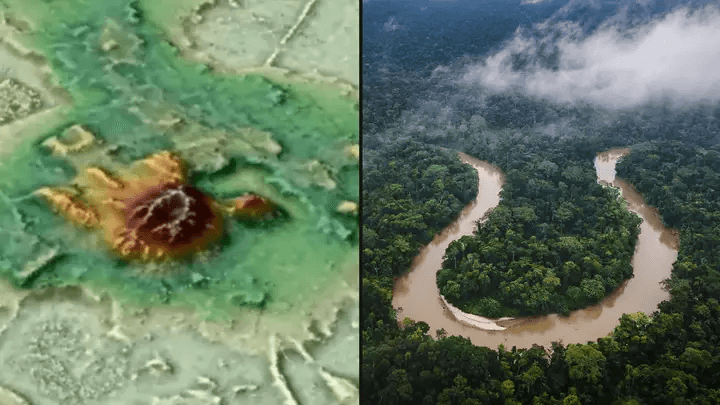
In the heart of the Amazon rainforest, a groundbreaking discovery has unfolded, rewriting the history of the region and challenging preconceived notions about its ancient inhabitants. Recent advancements in laser-mapping technology have unveiled a series of ancient pyramids and interconnected settlements, showcasing evidence of town-like civilizations that thrived long before the arrival of the Spanish in South America.

Last year, a journal published in Nature revealed the utilization of advanced laser-mapping technology to penetrate the dense Bolivian rainforest. The breakthrough allowed scientists to explore one of the Amazon's most impenetrable regions, leading to the unearthing of 26 settlements, 11 of which were previously unknown. This new research tool has opened a gateway to a new era of exploration in the Amazon.

The Historical Implications

For years, the history of the Amazon region remained shrouded in mystery, with beliefs that pre-Hispanic Amazonians lived in small, scattered groups with limited social development. However, these recent findings challenge this narrative, suggesting that the Amazonians lived in complex, city-like structures, pushing the boundaries of what was traditionally considered as cities.

The discovery was made in the Amazon. Credit: Getty Stock Photo

Chris Fisher, an archaeologist from Colorado State University, emphasized the significance of this discovery, stating that it marks the beginning of a series of studies that will redefine our understanding of pre-Hispanic polities in the Amazon. The laser-mapping technology has not only unveiled the extent of ancient settlements but has also hinted at their complexity, size, and density, challenging existing historical perspectives.

The discovery was a result of collaborative efforts between scientists from Germany and the UK who explored six regions of the Amazon in Bolivia using a helicopter equipped with light detection and ranging equipment. The success of this venture has not only shed light on the historical richness of the Amazon but has also showcased the potential of international collaboration in scientific exploration.

Credit: Nature/Heiko Prümers, Carla Jaimes Betancourt, José Iriarte, Mark Robinson and Martin Schaich.

The Future of Amazonian Archaeology

As archaeologists delve deeper into the Amazon with this revolutionary technology, the possibilities for new discoveries seem limitless. The interconnected settlements and pyramids hint at a sophisticated society that has remained hidden for centuries. This technological leap promises a new chapter in Amazonian archaeology, with researchers poised to unravel more secrets of this vast and enigmatic region.

The recent discovery of ancient pyramids and interconnected settlements in the Amazon challenges our understanding of the region's history and highlights the power of cutting-edge technology in archaeological exploration. As scientists continue to explore the Amazon's depths, we can anticipate more revelations that will reshape our perception of ancient civilizations and the rich tapestry of human history in the heart of the world's largest rainforest.

Rare 1900-Year-Old Mosaic Discovered in Durrës, Albania

November 12, 2023

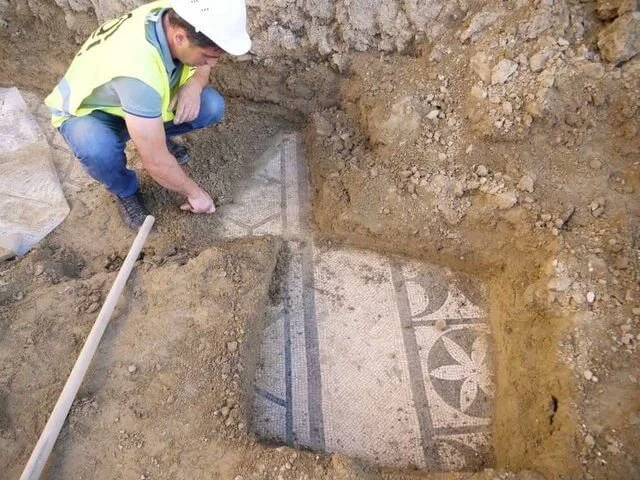
In the heart of the ancient port city of Durrës, situated along the picturesque Adriatic Sea in western Albania, a captivating archaeological revelation has emerged, adding a new chapter to the already intricate history of this significant region. Recently unearthed during the excavation work for the reconstruction of a high school foundation, a rare mosaic dating back an astonishing 1900 years has come to light.

Durrës, a city with a rich history spanning nearly 3,000 years, holds the esteemed title of Albania's oldest city, often referred to as the "eternal city over the Adriatic Sea." Established in 627 B.C. by Corinthian and Corcyran invaders, this city has stood witness to the ebb and flow of empires, from Illyrians to Romans. Under Roman dominion, Durrës, or Dyrrhachium as it was known, flourished as the pivotal port of Illyricum and later ascended to the status of the capital of Epirus Nova in the 4th century.

The city's cultural heritage is exemplified by landmarks such as the renowned Roman amphitheater of Emperor Hadrian, the second-largest amphitheater in the Balkans. Another jewel from antiquity, the "Beauty of Durres" mosaic from the 4th century BC, currently graces the exhibits of the National History Museum in Tirana. Now, under the leadership of archaeologist Professor Luan Perzhita, a new treasure has been unearthed, promising to become a cornerstone in Durrës' historical legacy.

Crafted from dark blue and white stones, the recently discovered mosaic spans an estimated 60 square meters and adorned a luxurious villa that once stood near the Durrës amphitheater. Dating to the end of the 1st century and the beginning of the 2nd century, the mosaic showcases intricate geometric and floral patterns, capturing the essence of the opulence that characterized the city's past. This masterpiece not only constitutes a rare find for Albania but also stands as a significant discovery for the entire Balkan region.

Beyond the mosaic, the archaeological excavation revealed a 3-meter-high section of the wall on the eastern side and various artifacts, further enriching our understanding of the cultural and architectural marvels of the ancient city. As restoration efforts progress, this newfound treasure trove is poised to illuminate the daily lives, artistic tastes, and architectural sophistication of the inhabitants of this ancient villa.

The discovery of the mosaic underscores Durrës' enduring role as a cradle of civilization, contributing to the ongoing narrative of Albania's diverse and storied past. In a world where each archaeological find serves as a key to unlocking the mysteries of our shared history, the 1900-year-old mosaic in Durrës stands as a testament to the enduring allure of the past and the unyielding quest to unravel the secrets buried beneath the layers of time.

The Temple of Amun at Jebel Barkal: Its Role in Egyptian-Kushite Syncretism

November 11, 2023

By The Archaeologist Editor Group


Sanctuaries of Syncretism: Deciphering Egyptian-Kushite Spiritual Connections

Jebel Barkal, a small mountain located in modern-day Sudan, has long been shrouded in the mystique of ancient history. This site, deeply intertwined with the religious and political dynamics of the ancient kingdoms of Egypt and Kush, hosts the remarkable Temple of Amun. The temple's rich history, architectural splendor, and the artifacts unearthed there offer invaluable insights into the religious and cultural practices of the time.

Historical Context

Jebel Barkal's prominence is largely attributed to its association with Amun, a major deity in Egyptian mythology. The site's significance escalated during the New Kingdom of Egypt (circa 1550–1077 BCE), when Pharaoh Thutmose III extended Egyptian influence into Nubia and identified Jebel Barkal as the dwelling of Amun. This association transformed Jebel Barkal into a spiritual epicenter, linking it directly to the Karnak Temple in Thebes, the primary cult center of Amun.

The Temple of Amun

The Temple of Amun at Jebel Barkal, primarily constructed during the reign of Ramses II, is a testament to the religious fervor and architectural ingenuity of the period. The temple complex, adorned with intricate carvings, colossal statues, and imposing pillars, was dedicated to the worship of Amun. It served as a spiritual and administrative hub, underscoring the interwoven nature of religion and governance in ancient Egypt and Kush.

Architectural Features and Artifacts

The temple's architecture is a blend of Egyptian and Kushite styles, reflecting the cultural exchange between the two civilizations. Notable features include the pillared hall, the sanctuary, and a series of chambers used for religious ceremonies. The temple walls are adorned with reliefs depicting various pharaohs making offerings to the gods, symbolizing the divine rights of kings.

View fullsize LSInc_Barkal_WholeSiteAerial_020618 (1).jpg
View fullsize kendall_fig4 (1).jpg

Excavations at Jebel Barkal have yielded a plethora of artifacts, including statues, stelae, and inscriptions. These findings provide crucial insights into the religious practices, art, and politics of the era. The artifacts also highlight the craftsmanship and artistic skills of the ancient artisans.

Jebel Barkal at Abu Simbel

The depiction of Jebel Barkal at Abu Simbel, another monumental temple complex located in Egypt, further underscores its religious significance. The imagery shows Jebel Barkal as a sacred mountain occupied by Amun of Karnak. The pinnacle of Jebel Barkal is often represented as a colossal royal uraeus (a rearing cobra), adorned with the White Crown, a symbol of pharaonic authority and divine protection.

(Left) The Jebel Barkal pinnacle viewed from the northeast (i.e. upstream, looking downstream); (right) Jebel Barkal, from the same angle, as pictured at Abu Simbel, showing it as a mountain occupied by Amun of Karnak and the pinnacle as a colossal royal uraeus wearing the White Crown.

Egyptian-Kushite Religious Syncretism: A Confluence of Beliefs

The relationship between ancient Egypt and Kush, particularly in the realm of religion, is a fascinating example of cultural and religious syncretism. From around 2000 BCE, when Kush began to emerge as a significant power, there was a gradual blending of religious practices and deities between the two civilizations. This syncretism was not merely an adoption of Egyptian gods by the Kushites; rather, it represented a mutual exchange and reinterpretation of religious ideas and rituals. The Kushite interpretation of Egyptian deities often involved merging them with native Kushite gods or adapting their characteristics to fit local beliefs. For instance, the Egyptian god Amun, originally a minor deity, was assimilated with the Kushite god Apedemak, resulting in a unique form of worship that was distinctly Kushite while retaining Egyptian influences. This hybridization of religious beliefs is evident in the art and architecture of the period, where Egyptian styles blend seamlessly with indigenous Kushite elements, creating a distinct cultural identity.

The Impact of Syncretism on Political and Social Structures

This religious syncretism had significant implications for the political and social structures in both Egypt and Kush. In Egypt, the Kushite pharaohs of the 25th Dynasty embraced Egyptian religious traditions, incorporating them into their rule, which helped legitimize their reign in the eyes of the Egyptian populace. Conversely, in Kush, the adoption and adaptation of Egyptian religious practices served to enhance the authority and divine status of Kushite kings. This mutual religious influence fostered a sense of shared identity and cultural unity, despite the geographical and political distinctions between the two regions. Temples such as those at Jebel Barkal and the widespread worship of gods in their syncretized forms became symbols of this intertwined relationship. This syncretism also facilitated diplomatic and trade relationships, as shared religious beliefs often led to a deeper mutual understanding and respect between these ancient civilizations. Thus, the Egyptian-Kushite religious syncretism was not just a merging of gods and rituals but a profound blending of cultures that shaped the political and social landscapes of the region for centuries.

Jebel Barkal and its pinnacle as seen today through the ruined hypostyle hall of the Great Amun Temple.

The Temple of Amun at Jebel Barkal stands as a monumental testament to the religious and political landscape of ancient Egypt and Nubia. Its architectural grandeur, the rich array of artifacts uncovered, and its depiction in other significant Egyptian sites like Abu Simbel all highlight its importance as a cultural and religious nexus. Today, Jebel Barkal continues to captivate historians, archaeologists, and enthusiasts alike, offering a window into a world where the divine and the temporal intersect in profound ways.

In Africa, Egypt's Dynastic Period Tags The Archaeologist Editorial Group

Illustration by Dimosthenis Vasiloudis

The Egyptian Influences on the Kushites: A Cultural Exchange Through Millennia

November 11, 2023

BY DIMOSTHENIS VASILOUDIS


The relationship between ancient Egypt and the Kingdom of Kush, a region located in what is now northern Sudan, represents one of the most intriguing aspects of African history. This connection, spanning several millennia, profoundly influenced the Kushite civilization in various domains, including religion, architecture, and art. The interaction between these two ancient powers was not merely one-sided; rather, it was a dynamic interchange that shaped the cultural landscapes of both civilizations.

The interaction between Egypt and Kush dates back to the Old Kingdom of Egypt (c. 2686–2181 BC), when trade and military campaigns brought the two regions into contact. The Middle Kingdom (c. 2055–1650 BC) saw increased Egyptian influence in Kush, leading to the establishment of Egyptian fortresses in Kushite territory. This period of direct control and influence was pivotal in transmitting Egyptian culture to the Kushites.

Religion: The Divine Synthesis

Religion was a significant arena for Egyptian influence in Kush. The Kushites adopted many Egyptian deities, most notably Amun. The temple of Amun at Jebel Barkal, a holy site for both Egyptians and Kushites, stands as a testament to this religious synthesis. The Kushite interpretation of Egyptian gods often involved integrating them with local deities, creating a unique religious blend that highlighted both Egyptian and indigenous characteristics.

Moreover, the practice of pyramid building for royal burials in Kush, a clear Egyptian import, was adapted to local customs and styles. The Nubian pyramids, smaller and steeper than their Egyptian counterparts, reflect this adaptation.

Architecture: Stone Echoes of an Ancient Civilization

Egyptian architectural influence is most visible in the grandiose structures that dot the Kushite landscape. This influence is evident in the use of Egyptian motifs, column designs, and temple layouts. The construction of temples, palaces, and pyramids in Kush followed Egyptian architectural styles but also incorporated distinct local elements, demonstrating a fusion rather than mere imitation.

Art: A Canvas of Cultural Interchange

Kushite art, heavily influenced by Egyptian styles, especially during the New Kingdom (c. 1550–1070 BC), is a vivid illustration of cultural exchange. Egyptian artistic conventions, like the depiction of figures in profile and the use of hieroglyphs, were widely adopted in Kushite art. However, Kushite artisans infused these elements with local flavors, evident in the portrayal of Kushite physiognomy and dress in art and sculptures.

The Kushite Pharaohs of the 25th Dynasty

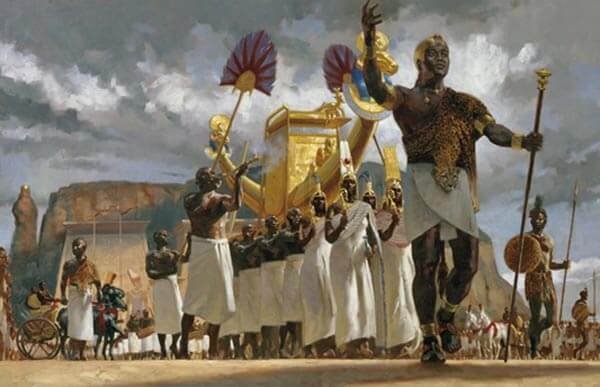
The zenith of Egyptian influence on Kush can be seen during the 25th Dynasty (c. 747–656 BC), when Kushite rulers, known as the "Black Pharaohs," conquered and ruled Egypt. This period saw the resurgence of traditional Egyptian art and architecture under Kushite patronage, symbolizing a cultural renaissance. The Kushite Pharaohs not only embraced Egyptian traditions but also played a role in their revival and preservation.

The cultural exchange between Egypt and Kush was a dynamic and complex process that transcended mere imitation. The Kushites adopted and adapted Egyptian religious, architectural, and artistic elements, creating a distinct culture that resonated with Egyptian influences yet retained its unique character. This interaction highlights the interconnectedness of ancient civilizations and the importance of cross-cultural influences in shaping the historical narrative of the Nile Valley civilizations.

In Africa, Egypt's Dynastic Period Tags Dimosthenis Vasiloudis

Unveiling Arkaim: Russia's Enigmatic Stonehenge of the East

November 11, 2023

By The Archaeologist Editor Group


In the annals of history and archaeology, few discoveries have captivated the imagination quite like Arkaim, the Russian Stonehenge nestled in the Southern Urals. Unearthed by the University of Chelyabinsk's archaeological expedition in 1987, this ancient fortified settlement has since become a symbol of the enigmatic past, dating back to 2,000–3,000 BC. Often hailed as Russia's answer to the famous British Stonehenge, Arkaim's secrets continue to intrigue and mystify researchers and enthusiasts alike.

Arkaim: A Marvel of Ancient Engineering

Arkaim's allure begins with its remarkable engineering. This fortress boasts two concentric circular walls, fortified by an outer defensive wall and a two-meter-wide moat. The rectangular dwellings that populate the space between these walls form an intricate design, with the entire structure spanning an impressive 160 meters in diameter. Notably, four gates align precisely with the cardinal points, demonstrating meticulous planning and advanced engineering. Approximately 35 houses adjoin the outer wall, their entrances strategically positioned along the main street, a testament to the town's well-thought-out layout.

Reconstructed example of one of the ancient settlements in the “Land of Towns”. ( Ilin / Adobe Stock)

However, Arkaim's complexity doesn't stop with its architectural design. The site has revealed a sophisticated water distribution system, tunnels for excess water removal, mines, metallic objects, pottery, ritualistic remains, utensils, and furnaces. Ground tombs in the vicinity add another layer of intrigue. These discoveries underscore the unique character of Arkaim, setting it apart from other Bronze Age settlements and highlighting the ingenuity of its builders.

The Sintashta Culture: Masters of the Eurasian Steppe

To truly appreciate Arkaim, we must delve into the culture that gave rise to it—the Sintashta culture. Arkaim's construction is attributed to the early Proto-Indo-Iranian speakers of this culture. Some scholars propose that the Sintashta culture represents the proto-Indo-Iranians before their division into various groups and subsequent migrations to Central Asia, Persia, India, and beyond. This hypothesis paints Arkaim as a vital piece in the puzzle of Indo-European origins.

Sacred Architecture and Cosmic Parallels

Arkaim's architecture has drawn intriguing parallels with ancient Indo-Aryan and Iranian spiritual texts, such as the Vedas and the Avesta. The settlement's layout features three concentric rings of walls and three radial streets, a design reminiscent of the city of King Yima described in the Rigveda. Furthermore,'swastika-like patterns' found on the foundation walls and dwellings of the second ring suggest symbolic significance. These patterns appear on numerous artifacts unearthed from the site, emphasizing the potential spiritual and cultural importance of Arkaim's architecture.

Arkaim's spiritual significance extends beyond its architectural features. Some groups perceive it as the "land of the Aryans" and a model for a new spiritual civilization in harmony with the universe. However, the Russian Orthodox Church and other entities have expressed criticism regarding Arkaim's archaeological interpretations, sparking ongoing debates about its role in history.

Reconstruction of Arkaim, Russia. Source: Ilin / Adobe Stock

Religious Significance and Diverse Interpretations

The unearthing of Arkaim has given rise to various ideologies among different religious and cultural groups. For some, it represents the second homeland of the Indo-Europeans, who initially inhabited Arctic regions before migrating southward and westward, influencing the development of other civilizations. Arkaim has been designated a "national and spiritual shrine" of Russia and serves as a sacred site for Rodnover, Zoroastrianism, and other religious movements. Some even identify it as the mythical Asgard of Odin from Germanic mythology or Zoroaster's birthplace.

The Arkaim of Today

Today, Arkaim stands as a significant archaeological site and a cultural and historical reserve. It welcomes tourists and pilgrims eager to connect with its ancient history and spiritual significance. Ongoing excavations and research continue to shed light on the Sintashta people, their culture, and their place within the broader Indo-European family. Arkaim's enigmatic allure persists, reminding us that the echoes of the past resonate through time, inspiring us to uncover the mysteries that history has hidden for millennia.

Aerial view of the main citadel at Arkaim, Russia (Rafikova / CC by SA 4.0)

In conclusion, Arkaim, Russia's Stonehenge of the East, is more than just a historical relic; it is a testament to the ingenuity and cultural richness of the past. As we continue to unravel its secrets, we draw closer to understanding the complex tapestry of human history and the interconnectedness of civilizations across time and space.

In Eurasian Steppe Tags The Archaeologist Editorial Group

Can Video Games Teach us Real History?

November 10, 2023

BY DIMOSTHENIS VASILOUDIS


"Can Video Games Be a Portal to the Past?"

"What Can Virtual Battles Teach Us About Real History?"

"How Accurate Are Video Games in Teaching Us History?"

"Is History More Engaging Through the Lens of a Video Game?"

"Can Playing with the Past Enhance Our Understanding of History?"

"How Do Video Games Shape Our Perception of History?"

"What Role Do Inaccuracies Play in Learning History via Gaming?"

"Are Interactive Media the Future of Historical Education?"

The intersection of entertainment and education is fertile ground for innovation, and one of the most compelling crossroads is the use of video games as a medium for learning history. The idea might raise eyebrows among purists who venerate traditional educational methods, yet there's a compelling case for why video games, even those with inaccuracies, can be a powerful tool for historical education.

Engagement and Interactivity

Unlike the passive absorption required in reading or lecture-based learning, video games demand active participation. This engagement can transform a casual gamer into an enthusiastic student of history. As players navigate through storylines set in bygone eras, they become invested in the outcomes of their historical avatars, leading to a more profound and lasting grasp of historical narratives.

Immersive Contextual Learning

Video games are a masterclass in context. They can recreate historical settings with vivid detail, allowing players to experience the textures of ancient Rome or the turbulence of the French Revolution. This sensory-rich learning helps players understand the complexities of historical events within their broader social and political context.

Visualization and Realism

Reading about the Battle of Gettysburg is one thing; leading a charge across its fields in a game is another. The visual power of video games brings history to life, making abstract events concrete and tangible. The sights and sounds of a historical period can do more than any textbook to make history feel relevant and real.

Critical Thinking Through Inaccuracy

The inaccuracies found in some historical games are not necessarily a downside; they can be a starting point for critical thinking. When players question the historical validity of what they're playing, they're prompted to research and learn more, sharpening their ability to critique sources and appreciate the nuances of historical truth.

Narrative and Empathy

Video games tell stories, and humans are wired to learn from narratives. By framing historical events within a storyline, games can foster a deeper emotional connection to the past. Playing as a character from a different time can build empathy for people who lived in different historical contexts, enriching the player's understanding of the human experience.

In conclusion, video games have a unique capacity to bring history to life. They can inspire passion for the past and serve as a launchpad for further exploration of historical facts. While they are not a replacement for academic study, video games can be a valuable ally in the quest to understand our world's history, wars, and all.

Tags History, Dimosthenis Vasiloudis

Illustration by Dimosthenis Vasiloudis

Felice Vinci's Baltic Hypothesis on Homeric Epics: Navigating the Nordic Narrative

November 10, 2023

BY DIMOSTHENIS VASILOUDIS


From Scandinavia to Ithaca: Tracing the Baltic Roots of Greek Epic Poetry—Retracing the Homeric World According to Vinci

The Homeric epics, "The Iliad" and "The Odyssey," have long stood as the bedrock of classical literature, central to our understanding of ancient Greek culture. For centuries, scholars have scoured these texts, not only for their literary merit but also as a window into the ancient world. Yet, the work of Italian nuclear engineer turned amateur historian Felice Vinci offers a radical departure from the Aegean Sea's warm breezes to the chillier shores of the Baltic, challenging the very geography of these timeless tales.

The Baltic Origins of Homeric Tales

Vinci's theory, articulated in his book "The Baltic Origins of Homer's Epic Tales," posits that the epic tales attributed to Homer were originally composed by bards in a much colder climate, far from the Mediterranean basin. According to Vinci, the ancestors of the Greeks migrated from the Baltic region to Greece during a prehistoric "Dorian invasion" or a similar movement of peoples in the 2nd millennium BCE. They brought with them their oral poetry, which preserved memories of their northern origins.

Geographical and Linguistic Parallels

Vinci meticulously maps the Homeric descriptions to the coasts and islands of the Baltic. He argues that places like Ithaca can be identified not in the Ionian Sea but in Scandinavian waters. He draws parallels between the climatic conditions described in the epics, which seem more reflective of harsh northern latitudes than the Mediterranean climate. Vinci further supports his hypothesis by highlighting the linguistic similarities between Greek and ancient northern European languages, suggesting a shared or connected lineage.

Challenging the Classical Consensus

This hypothesis challenges the classical consensus that the Homeric epics were purely Mediterranean in nature. Vinci's supporters argue that his theory illuminates inconsistencies and mysteries within Homer's text that traditional Aegean-centered interpretations cannot. Critics, however, are quick to point out the lack of direct archaeological evidence linking Mycenaean Greeks to the Baltic region, asserting that Vinci's readings of the texts are overly literal and disregard the poetic and metaphorical nature of epic literature.

Cultural Implications and Reinterpretation

If Vinci's theory were to be proven, it would necessitate a profound reevaluation of the cultural and historical narratives of ancient Greece. It would imply that the cradle of Western civilization, often claimed by the Mediterranean, might have shared its infancy with the cultures of the distant north. Such a notion would underscore the dynamic and interconnected nature of ancient civilizations, suggesting that the seeds of Greek culture, and by extension, Western culture, are far more widely dispersed than previously acknowledged.

The views of Felice Vinci on the Baltic origins of Homer's epics have been met with skepticism from the mainstream scientific community. His theories, while intriguing and imaginative, are generally considered speculative and unsupported by the concrete archaeological and philological evidence that underpins classical scholarship. Most classicists and historians adhere to the well-established view that the Homeric epics are deeply rooted in the Mediterranean world, specifically the Aegean Sea, as supported by extensive linguistic, literary, and archaeological research.

Vinci's ideas have not been entirely dismissed, as any hypothesis that encourages re-examination of historical narratives can have value. However, they remain peripheral and have not shifted the consensus that the Homeric tales are a product of early Greek civilization as traditionally understood. The lack of tangible archaeological evidence linking Mycenaean Greece to the Baltic region is a significant barrier to the acceptance of Vinci's theories as anything more than an interesting conjecture.

While Vinci's "Baltic Hypothesis" remains on the periphery of scholarly debate, it continues to evoke interest and discussion among historians and enthusiasts alike. It serves as a testament to the enduring mystery of the Homeric epics and the human desire to seek a new understanding of our most treasured ancient narratives. Whether Vinci's northern odyssey will ever gain mainstream acceptance is uncertain, but it undeniably enriches the tapestry of Homeric scholarship with its bold vision and imaginative scope.

In Europe Tags Dimosthenis Vasiloudis

The skull could be of a pre-human origin (Image: Luca Sola/AFP)

World's largest ancient burial site found by archaeologists—and it wasn't constructed by humans

November 9, 2023

In a groundbreaking discovery, a team of paleoanthropologists led by Lee Berger has uncovered what appears to be the world's largest ancient burial site, nestled within the heart of the UNESCO world heritage site known as the Cradle of Humankind in South Africa. However, the most astonishing revelation is that the findings at this site may not be linked to human civilization at all.

The site, located 100 feet underground in the Cradle of Humankind cave system, is believed to be the world's oldest known burial site. It holds remnants from the Stone Age, dating back hundreds of thousands of years. This discovery challenges previous beliefs that ancient burials in the Middle East and Africa were around 100,000 years old.

The skull is now under further analysis to see whether it is the ground-breaking find the team believe it to be (Image: Truly)

What is even more perplexing is that the remains found at this site do not appear to belong to humans. Among the discoveries, the Homo naledi skull stands out, estimated to be an astonishing 250,000 years old. Professor Berger remarked, "These are the most ancient interments yet recorded in the hominin record, earlier than evidence of Homo sapiens interments by at least 100,000 years." This revelation challenges the notion that mortuary practices were unique to humans or hominins with larger brain sizes.

These findings suggest that symbolic practices such as art and burials may have existed long before the development of human civilization. The implications of this discovery are profound, potentially altering our understanding of human evolution. Co-author Agustín Fuentes, a professor of anthropology at Princeton University, stated, "Burial, meaning-making, even 'art' could have a much more complicated, dynamic, non-human history than we previously thought."

Finds at an ancient burial site point to non-human items (Image: (Luca Sola/AFP)

The Homo naledi skull is now undergoing further analysis to confirm its significance. Carol Ward, a fellow anthropologist at the University of Missouri, expressed her eagerness to see the results once they have been peer-reviewed, emphasizing the considerable potential importance of these findings.

This groundbreaking discovery has opened new avenues for the study of ancient burials and the evolution of symbolic practices. It challenges long-held assumptions about the uniqueness of human behaviors and could lead to a significant shift in our understanding of the past. Further analysis and peer review are currently underway, and the scientific community eagerly awaits the results that may reshape our knowledge of human history.

(a) Aerial view of Gunung Padang taken from a helicopter. (b) Topography and site map generated from a detailed geodetic survey. (c) Geology map of the Gunung Padang region (Sudjatmiko, 1972). (d) Orthophoto map obtained from a drone survey conducted in 2014, indicating the locations of trenching sites (white rectangles) and core-drilling sites (red dots). T1, Terrace 1; T2, Terrace 2; T3, Terrace 3; T4, Terrace 4; T5, Terrace 5. Credit: Archaeological Prospection (2023). DOI: 10.1002/arp.1912

Indonesia's Gunung Padang Revealed as the Oldest Known Pyramid in the World

November 9, 2023

In a groundbreaking discovery, a team of archaeologists, geophysicists, geologists, and paleontologists in Indonesia has unveiled a remarkable revelation—Gunung Padang, a megalithic structure atop an extinct volcano in West Java, is not only a sacred site for locals but also the oldest known pyramid in the world. This astonishing find challenges previously held beliefs about the origin of this enigmatic structure and sheds new light on ancient human civilization. This article delves into the recent study that has rewritten the history of this historic site.

Gunung Padang, perched majestically on a dormant volcano, has long been the subject of debate among archaeologists and historians. While some argued that it was a natural geological formation embellished by human hands, others believed that it was predominantly a man-made structure. The disagreement surrounding its origins spurred a multi-year, comprehensive study to uncover the truth.

A Decades-Long Investigation

The research team embarked on a comprehensive scientific exploration of Gunung Padang from 2011 to 2015. Utilizing advanced techniques, including seismic tomography, electrical resistivity tomography, and ground-penetrating radar, they sought to unravel the mysteries hidden within the layers of this ancient edifice. Moreover, the team conducted core drilling, allowing them to employ radiocarbon dating methods to determine the ages of the different layers composing the hill.

Compelling Evidence of Human Construction

Upon analyzing their extensive dataset, the researchers uncovered compelling evidence that Gunung Padang was primarily constructed by human hands. Notably, they established that this monumental structure was built in distinct stages, spanning millennia. The oldest segments of the pyramid date back to an astounding 25,000 to 14,000 years ago, making Gunung Padang the oldest pyramid known to humankind.

The research team unearthed a narrative of human ingenuity and determination that transcended the boundaries of time. The earliest phase involved the sculpting of lava, with builders carving intricate shapes onto the summit of the dormant volcano. Thousands of years later, between 7900 and 6100 BCE, a second group of architects contributed by adding layers of bricks and rock columns. A subsequent group further expanded the structure, incorporating dirt layers that partially concealed earlier work. Finally, between 2000 and 1100 BCE, the structure was adorned with additional topsoil, stone terracing, and various elements.

Hidden Chambers Await Exploration

Intriguingly, the research team discovered signs of possible hollow areas within the structure, indicating the presence of concealed chambers or passageways. The next phase of their investigation is to drill into these areas and lower a camera to unveil the secrets that lie hidden beneath the surface of Gunung Padang.

The recent findings regarding Gunung Padang have rewritten the history books and established it as the world's oldest known pyramid. This ancient structure is a testament to human innovation, collaboration, and dedication over thousands of years. As further exploration reveals the mysteries concealed within this megalithic monument, we can only anticipate more revelations that will deepen our understanding of our distant past. Gunung Padang is a testament to the enduring spirit of human achievement and the continuous quest to uncover the secrets of our past.

Tristan Barnden, Lead Superintendent Radiographer at Maidstone and Tunbridge Wells NHS Trust, positioning the skull for scanning

Before museum display the following year, the mystery skull undergoes a CT scan at Maidstone Hospital

November 9, 2023

A mysterious skull discovered at a historic site in Maidstone is currently undergoing investigations to unveil the secrets of its past. The cranium, found at this historic location, has been entrusted to the care of the Maidstone Museum and is set to be a centerpiece of the new archaeology gallery, slated to open next summer.

To delve into the enigma surrounding this ancient relic, the skull recently underwent a detailed CT scan at Maidstone Hospital on Hermitage Lane. This procedure took place after regular patient hours and was made possible through the collaborative efforts of the nuclear medicine department and dedicated volunteers.

The skull will be put on display at Maidstone Museum in St Faith's Street. Picture: Stock image

Councillor Claudine Russell, who serves as the cabinet member for communities, leisure, and arts at Maidstone council, expressed her fascination with the skull's potential to reveal a window into the past. She commented, "I am really intrigued to find out what this person may have looked like and when they lived. We are really grateful to Maidstone and Tunbridge Wells NHS Trust for their help with this exciting project. Maidstone Museum looks forward to welcoming visitors to the new gallery 'Lives In Our Landscape,' to discover more about the people who lived, thrived, and died in this area."

Samantha Harris, the museum's collections manager, brings her expertise in scanning from her work with Egyptian mummies at the museum. She noted, "The scanning of this skull in partnership with MTW NHS Trust is a great opportunity, using non-destructive techniques, to learn more about the individual when they were alive. Using the scans in conjunction with other scientific testing, we hope to bring them to life, thousands of years after their death."

The Swanscombe Skull found at Barnfield Pit, Swanscombe. Picture: Natural History Museum

During the CT scan, the skull was meticulously examined, capturing its surface in remarkable detail. This data will be handed over to FaceLab at Liverpool John Moores University, where experts will utilize it to recreate the appearance of the person to whom the skull once belonged. Visitors to the new gallery will have a unique opportunity to gaze upon the face of an individual who may have lived approximately 6000 years ago.

James Elliot, a senior lecturer in diagnostic radiography at Canterbury Christ Church University and an expert in forensics and archaeological imaging, emphasized the value of CT scans in creating a digital record of the deceased. He explained, "CT scans are an excellent tool to create a digital record of the deceased, providing an assessment of health as well as appearance." An interesting revelation during the scan was the identification of a bone lesion (tumor) within the frontal bone of the skull, its nature still under examination.

Maidstone Hospital in Hermitage Lane. Picture: Stock image

This process echoes a similar discovery in another part of Kent, known as the Swanscombe skull. Swanscombe is one of only two locations in Britain where actual human remains from this early period have been found. A fossilized human skull fragment was unearthed in Swanscombe in 1935, originally believed to be from a man but later confirmed as female.

The Maidstone Museum is set to exhibit this mysterious skull at its location on St Faith's Street, offering the public a captivating glimpse into the lives of ancient inhabitants of the region. As the researchers continue to unravel the mysteries surrounding the skull, it promises to be a remarkable addition to the rich tapestry of history in Maidstone.

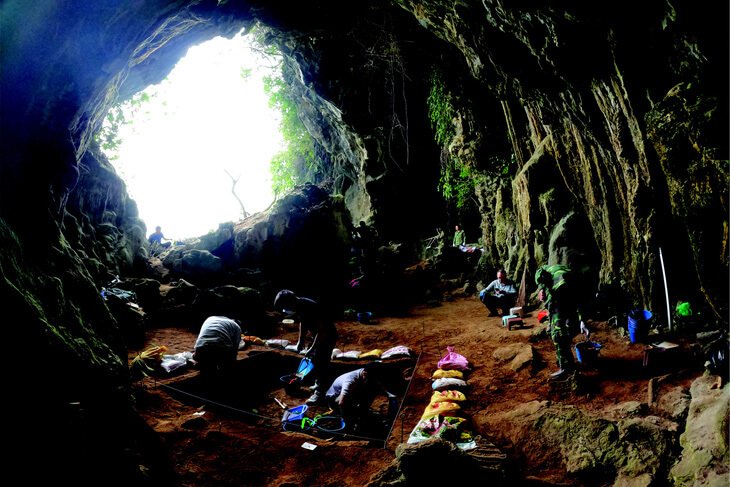
Human remains found in Tam Chuc Pagoda Complex in Kim Bang District of Ha Nam Province, northern Vietnam, March 2023. Photo: Vietnam Institute of Archaeology

Remarkable Discovery of 10,000-Year-Old Human Remains in Northern Vietnam

November 9, 2023

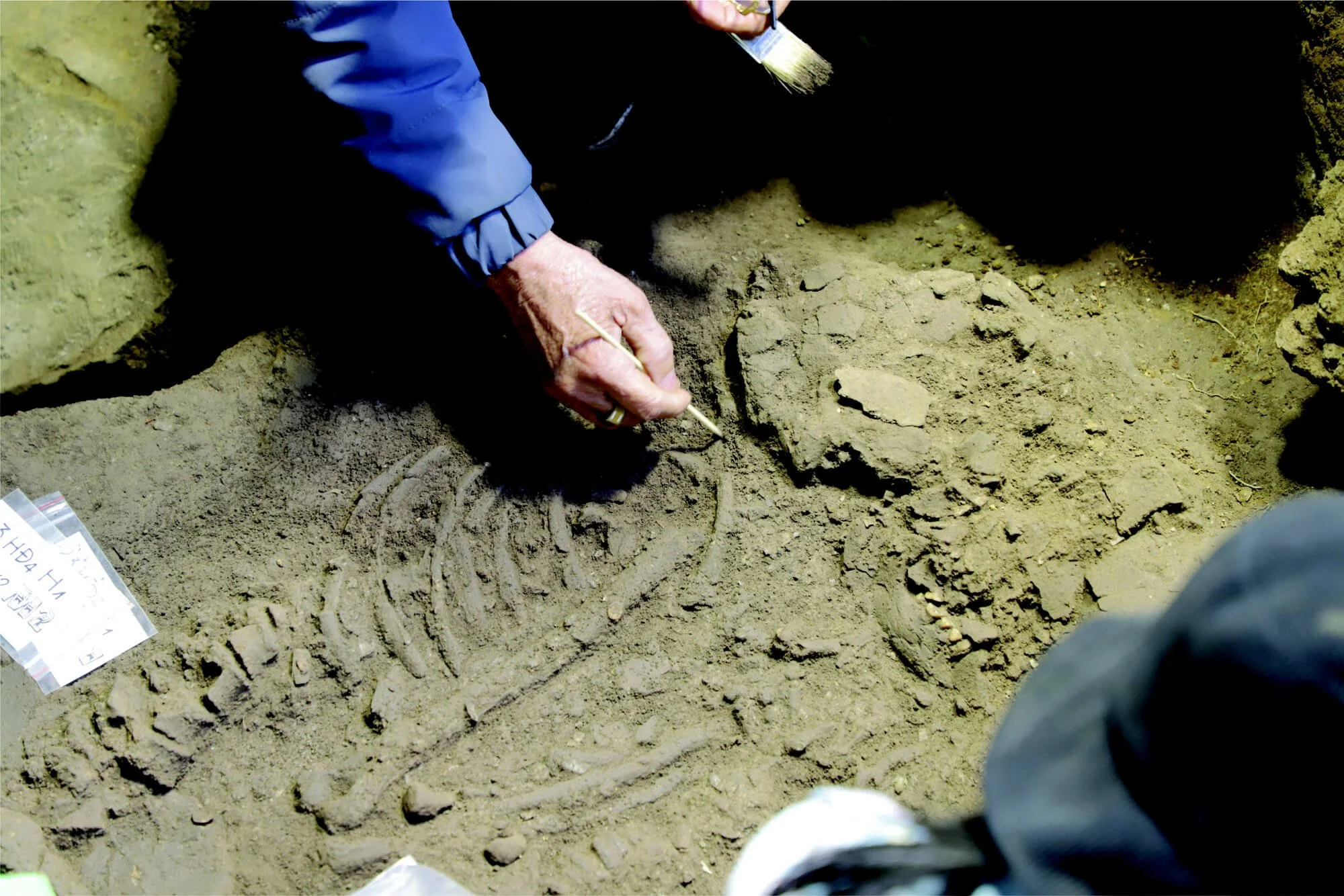
A groundbreaking discovery has recently come to light in Ha Nam Province, northern Vietnam, as archaeological excavations revealed skeletal remains dating back 10,000 years. This revelation marks the first of its kind in the Southeast Asian country and provides valuable insights into the region's ancient history. The findings, which include human remains, stone tools, and other artifacts, shed light on the cultural heritage and lifestyles of Vietnam's early inhabitants.

In March, during an excavation conducted by the Vietnam Institute of Archaeology at the Tam Chuc Pagoda Complex in Kim Bang District, three graves were unearthed, each containing the remains of both children and adults. What sets this discovery apart is that these individuals were interred in a distinctive kneeling position, a significant aspect of the findings. Mai Thanh Chung, director of the Ha Nam Department of Culture, Sports, and Tourism, remarked that this marked the first discovery of human remains dating back 10,000 years in Vietnam.

Human remains found in Tam Chuc Pagoda Complex in Kim Bang District of Ha Nam Province, northern Vietnam, March 2023. Photo: Vietnam Institute of Archaeology

Alongside the human remains, archaeologists also uncovered mollusk shells and the teeth of small animals, suggesting that these resources likely served as a source of sustenance for the ancient inhabitants. This insight into their diet offers a glimpse into the daily lives and dietary habits of these early Vietnamese residents.

The Stone Tools and Cultural Significance

Notably, the stone tools discovered at the excavation site are attributed to the Hoa Binh culture, which dates back to 15,000 years ago, extending to 2,000 years BC in northern Vietnam. These tools offer a window into the technology and craftsmanship of this ancient culture, shedding light on their daily activities, including hunting and tool-making.

An archaeologist from the Vietnam Institute of Archaeology during an excavation in Tam Chuc Pagoda Complex in Kim Bang District of Ha Nam Province, northern Vietnam, March 2023. Photo: Vietnam Institute of Archaeology

Further discoveries from the Kim Bang District excavation include animal fossils and fragments of reddish-brown rope pottery, which can be attributed to the Dong Son culture. This culture thrived in ancient Vietnam's Red River valley, located in the country's northern region, from 1000 BC to the first century AD. These artifacts provide valuable insights into the artistic and technological achievements of the people living in the region during this period.

The Tam Chuc Complex and Its Ecological Significance

Within the Tam Chuc complex, archaeologists also came across sea mollusk shells and stream snails, highlighting the rich natural resources available to ancient residents. At the summit of the mountain within the complex, pottery shards were found alongside pieces of mollusks, providing further evidence of the diverse cultural and ecological aspects of the area.

Archaeologists from the Vietnam Institute of Archaeology during an excavation in Tam Chuc Pagoda Complex in Kim Bang District of Ha Nam Province, northern Vietnam, March 2023. Photo: Vietnam Institute of Archaeology

Historical Significance

The relics discovered in Kim Bang District span a wide time frame, ranging from the late Pleistocene to the late Holocene era, approximately 10,000 to 12,000 years ago, according to the Vietnam Institute of Archaeology. These findings indicate that the district was once a favorable and inhabited area for ancient residents, offering a new perspective on the history and significance of this region.

Archaeologists from the Vietnam Institute of Archaeology during an excavation in Tam Chuc Pagoda Complex in Kim Bang District of Ha Nam Province, northern Vietnam, March 2023. Photo: Vietnam Institute of Archaeology

The discovery of 10,000-year-old human remains and associated artifacts in northern Vietnam is a remarkable achievement in the field of archaeology. It not only sheds light on the cultural heritage and lifestyles of Vietnam's early inhabitants but also underscores the ecological richness of the region. The findings from the Tam Chuc Pagoda Complex in Kim Bang District open the door to further research and exploration, enriching our understanding of Vietnam's ancient past and the intricate tapestry of its early civilizations.

The excavation site in Tam Chuc Pagoda Complex in Kim Bang District of Ha Nam Province, northern Vietnam, March 2023. Photo: Vietnam Institute of Archaeology

Archaeologists from the Vietnam Institute of Archaeology during an excavation in Tam Chuc Pagoda Complex in Kim Bang District of Ha Nam Province, northern Vietnam, March 2023. Photo: Vietnam Institute of Archaeology

An archaeologist from the Vietnam Institute of Archaeology during an excavation in Tam Chuc Pagoda Complex in Kim Bang District of Ha Nam Province, northern Vietnam, March 2023. Photo: Vietnam Institute of Archaeology

The Etruscan 'Tomb of the Whipping': Apotropaic Eroticism and the Afterlife

November 9, 2023

BY DIMOSTHENIS VASILOUDIS


The "Tomb of the Whipping" is an eminent Etruscan burial site that is part of the larger Necropolis of Monterozzi, located near Tarquinia, Italy. Dated to around 490 B.C., this tomb provides a unique glimpse into the funerary practices and cultural expressions of the Etruscan civilization, a major influence on early Roman culture.

Structurally, the tomb is comprised of a single chamber, which is notable for its ceiling with double scope, an architectural feature that enhances the sense of depth and space within the burial context. The tomb is accessed by a dromo, a passageway with steps that leads the visitor into the depths of the necropolis, further evoking a journey to the underworld.

The interior decoration of the tomb is rich with symbolic imagery and iconography. The tympanum of the end wall is particularly striking, featuring two groups of fighting animals on either side of the central beam supports—a lion and a deer. This scene, possibly evoking the themes of nature’s eternal struggle and the cycle of life and death, is characteristic of the vibrant Etruscan art that often depicts such dynamic interactions.

Central to the tomb’s iconography is the concept of the false door, which is represented on the end wall and on each of the lateral walls. The false door serves as a symbolic portal to the afterlife, signifying the belief in the deceased's transition from the world of the living to that of the dead.

Adjacent to these false doors, the end wall hosts depictions of a harpist and a dancer, images that may be interpreted as representations of funerary rituals or as symbols of the joy and festivities that the deceased enjoyed in life and would continue to enjoy in death.

On the left wall, figures known as comastes are depicted. These individuals, often shown in Etruscan art, are characterized by their exuberant poses and are thought to represent revelers or attendants at a symposium, further emphasizing the theme of celebration.

The right wall presents the most discussed aspect of the tomb: two erotic scenes, each flanked by a false door. The depiction of these explicit acts has been subject to various interpretations. One scene suggests the possibility of sexual intercourse, while the other depicts a woman in a submissive posture, engaging with two men in a manner that suggests both eroticism and violence. The presence of a whip, held by one of the men, gives the tomb its name and suggests that these acts may have had a ritualistic element.

The erotic scenes within the Tomb of the Whipping are thought to serve an apotropaic function, aimed at warding off evil spirits and demons from the resting place of the deceased. Such imagery was not uncommon in Etruscan tombs and is indicative of the Etruscan belief in the power of sexuality and fertility as forces of life that stand in stark contrast to death. This duality is a recurring theme in their funerary art.

The walls also feature dancers and a nude boxer, motifs that celebrate human vitality and physical prowess. These figures could be interpreted as symbolic guardians of the tomb or as representations of the deceased's virtues and attributes.

The Tomb of the Whipping provides invaluable insights into Etruscan beliefs about the afterlife, the significance of funerary art, and the cultural mores of a society that laid much of the groundwork for Roman civilization. Through its vivid and somewhat enigmatic depictions, the tomb continues to fascinate historians, archaeologists, and art enthusiasts, serving as a poignant reminder of a civilization that deeply valued the celebration of life, even in the context of death.

READ ALSO

In Europe Tags Dimosthenis Vasiloudis

Rethinking Neanderthals: Were They More Human Than We Thought?

November 9, 2023

For over a century and a half, Neanderthals have been cast as primitive, stoop-backed brutes, seemingly distant relatives of modern humans. This enduring image, shaped by the discoveries of the mid-19th century, has persisted despite mounting evidence to the contrary. Recent research conducted by a team led by University of Trento archaeologist Diego Angelucci suggests that it's time to reconsider our perspective on Neanderthals. Are they really a separate species, Homo neanderthalensis, or should we view them as different forms of humans? In this article, we delve into the evolving understanding of Neanderthals and their remarkable similarities to our own species.

A Shared History

The Gruta da Oliveira cave site in central Portugal has been a focal point for researchers studying Neanderthal history. Angelucci's team spent two decades excavating this site, uncovering intriguing evidence that challenges conventional wisdom. They found that Neanderthals, more than 71,000 years ago, coexisted with various wild animals, including wolves, lions, brown bears, and lynxes.

What sets this discovery apart is the strong evidence of controlled fire use. Neanderthals at Gruta da Oliveira were not just huddling around fires for warmth; they were cooking a variety of meats, from goats and deer to horses, on a well-maintained hearth. This suggests that fire played a central role in their daily lives, a skill often associated with modern human culture.

The Fire of Innovation

The controlled use of fire has deep implications for our understanding of Neanderthal capabilities. While it's known that other hominins appreciated fire for hundreds of thousands of years, Neanderthals might have taken it a step further. They didn't merely rely on naturally occurring fires; they actively started, managed, and used fire for cooking, heating, and defense.

The exact methods they employed to spark these flames remain a mystery, but Diego Angelucci speculates that they may have used techniques similar to those seen in Neolithic practices, such as the flint and tinder methods used by Ötzi, the Iceman. This suggests a level of ingenuity and problem-solving that aligns more closely with modern human behavior than previously believed.

A Shared Ancestry

As genetic analysis continues to reveal, Neanderthals interbred with our ancestors on multiple occasions throughout history. This genetic mixing underscores the blurred lines between Neanderthals and modern humans. It challenges the notion of them being a separate species and emphasizes their position as close relatives.

While the classification of Homo neanderthalensis remains a part of our scientific taxonomy, it's time to reconsider how we view Neanderthals. The evidence from Gruta da Oliveira and elsewhere suggests that Neanderthals were not as different from us as once thought. They were more than mere cousins; they were different forms of humans who shared a rich history, sophisticated culture, and a mastery of fire. It's time to welcome Neanderthals into the Homo sapiens family portrait, recognizing them as our remarkable relatives who have much to teach us about our shared past.

In Paleontology

Plaque Marking 'The Earliest Black Briton' Removed Because ...She Was Cypriot

November 9, 2023

Revisiting History: The Beachy Head Lady's True Origins

In the realm of historical discoveries, the narrative often takes unexpected twists and turns. Such is the case of the Beachy Head Lady, whose story was once thought to be a testament to Britain's diverse heritage. However, recent DNA analysis has uncovered a surprising revelation, challenging our understanding of her origins. In this article, we delve into the intriguing tale of the Beachy Head Lady and the quest for historical accuracy.

The Beachy Head Lady: A Remarkable Discovery

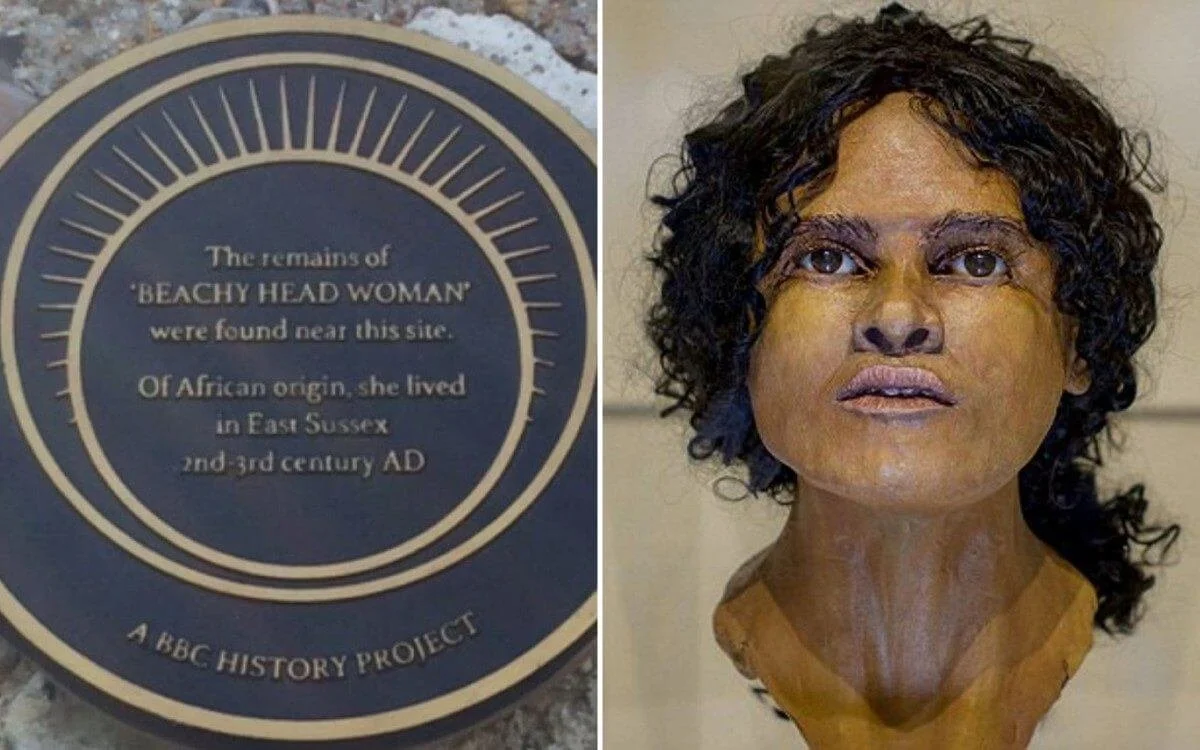
In 2016, a plaque was proudly installed at the East Dean cricket club in East Sussex, commemorating the enigmatic figure known as the "first black Briton." The plaque celebrated the life of the Beachy Head Lady, whose remains, dating back 1,800 years, had been unearthed in the region. The narrative surrounding her heritage was one of African origin, and her story was prominently featured in the BBC documentary series "Black and British: A Forgotten History," hosted by Professor David Olusoga, a distinguished historian.

A Mysterious Ancestry

The BBC History Project plaque, which stood as a testament to Beachy Head Lady's legacy, stated that she was "of African origin; she lived in East Sussex, 2nd–3rd century AD." This assertion was echoed in Prof. Olusoga's documentary, where she was presented as "sub-Saharan African in origin." Her inclusion in the series was significant, as it aimed to shed light on the enduring relationship between Britain and people with African roots.

DNA Analysis uncovers the Truth

The twist in the tale came with the meticulous DNA analysis conducted by the Natural History Museum. Contrary to the previously accepted narrative, this scientific examination pointed to a different origin for Beachy Head Lady. According to the research, her roots trace back to "southern Europe, most likely Cyprus." This revelation challenges the notion that she was of African descent.

A Change in Perspective

As the scientific evidence mounted, the historical narrative surrounding Beachy Head Lady evolved. Jo Seaman, an expert archaeologist who initially researched her remains, updated his findings in 2022 to reflect the DNA analysis results. It became clear that although she lived in Eastbourne, her ancestral roots could be traced to southern Europe.

The Controversy and debate

This revelation stirred debates and controversies concerning the ethnic makeup of ancient Britain. It is not an isolated incident; similar discussions have arisen recently in the context of historical claims about the diversity of early Britons. A children's book titled "Brilliant Black British History" suggested that the very first Britons were black. While such assertions may be intriguing, genetic studies have indicated that the earliest inhabitants of Britain were pale-skinned farmers with origins in Anatolia.

The story of the Beachy Head Lady, once hailed as the "first black Briton," highlights the dynamic nature of historical research. It underscores the importance of subjecting historical claims to rigorous scrutiny, even when they align with prevailing narratives. In the end, her true origins, discovered through DNA analysis, remind us that history is an ever-unfolding narrative, subject to revision and reinterpretation. Beachy Head Lady's Tale invites us to continue exploring and reevaluating our understanding of the past, always striving for a more accurate portrayal of history.

Mirage: A Journey Through Ninth-Century Baghdad in Assassin's Creed and the Riches of Islamic Art and Architecture

November 9, 2023

The Assassin's Creed franchise has long been celebrated for its ability to transport gamers to meticulously detailed historical cityscapes. From ancient Damascus to Athens, each installment offers players an immersive experience in a bygone era. The upcoming release, Mirage, continues this tradition by plunging players into the vibrant world of ninth-century Baghdad, the capital of the Abbasid caliphate. In this article, we will explore the significance of ninth-century Baghdad, its architectural marvels, and how Mirage pays homage to the rich legacy of Islamic art and architecture.

The Historical Context

Ninth-century Baghdad, founded in 762 by al-Mansur, the Abbasid caliph, was a thriving metropolis that played a pivotal role in shaping the medieval world. It was a hub of international politics, intellectual pursuits, the arts, and a bustling global economy. Architectural historians have meticulously reconstructed the city's layout, despite the absence of archaeological remains.

Baghdad, often referred to as the Round City, was designed with circular urban planning reminiscent of ancient Sasanian practices. It spanned approximately 3,000 meters in diameter and was predominantly constructed using mud-brick, a favored building material of the region since antiquity. The city featured two concentric circular walls, surrounded by a moat, and adorned with four domed gates, each crowned with a lance-bearing figure. At its center stood the grand domed Golden Palace of the Abbasid caliph.

Within the city walls, one could find the main mosque, elite residences, official government spaces, grand avenues leading to surrounding quarters, palaces, gardens, canals, bridges, markets, baths, and industrial areas. These detailed descriptions left behind by medieval scholars offer a glimpse into the opulence and complexity of ninth-century Baghdad.

Archaeological Remains

Regrettably, very little physical evidence from the ninth century survives in modern-day Baghdad. Most of the extant archaeological remnants date back to the later Abbasid period, particularly the 13th century. Notable structures include the Mustansiryya Madrasa, with its monumental gate adorned with intricate geometric patterns and inscriptions, and the shrine of 'Umar al-Surawardi, featuring a characteristic conical muqarnas dome.

A notable artifact is a marble prayer niche (mihrab) preserved in the Iraqi National Museum, which may be one of the few surviving remnants from the ninth-century palace city. However, no comprehensive architectural remains from that era have endured the test of time.

Clues from Other Sites

To better understand what ninth-century Baghdad looked like, scholars have turned to archaeological sites such as Al-Rafiqa in Raqqa, Syria, and Qadisiyya near Baghdad. These cities functioned as imitations of the Round City, providing valuable insights into its architectural style and layout. Additionally, the archaeological site of Samarra, founded in the 9th century, offers further clues with its grand palaces, monumental gates, and similar decorative elements.

Mirage: A Fantastical Interpretation

Mirage, as presented in its trailers, offers a breathtaking and fantastical rendition of Baghdad that never truly existed. While it takes artistic liberties, the game's art and architecture evoke diverse influences from various times and places beyond Baghdad and the caliphal age. Players will encounter elements reminiscent of medieval North African gates, early modern Iranian bazaars and mosques, domed tombs from South and Central Asia, and tiled interiors from the Iberian peninsula.

A Showcase of Islamic Art and Architecture

Some scholars of Islamic art and architecture may express disappointment at the liberties taken in Mirage. However, I view these artistic choices as an opportunity to showcase the wealth of Islamic art and architecture from different regions and time periods. Islamic architecture is a profound tradition, often misunderstood or unfamiliar to those outside Muslim-majority regions. Mirage serves as an homage to this tradition, making these riches visible and relevant to a global audience.

In conclusion, Assassin's Creed's Mirage transports players to ninth-century Baghdad, offering an immersive experience in a city of historical significance. While the game takes artistic liberties, it provides a unique platform to appreciate the diverse influences and rich legacy of Islamic art and architecture. By doing so, it contributes to a broader understanding of this remarkable cultural heritage, bridging the gap between the virtual world and the real historical treasures that await discovery.

In Central Asia-Iranian plateau

A 1,900-Year-Old Greek Inscription Was Found in Bulgaria's Roman Baths

November 8, 2023

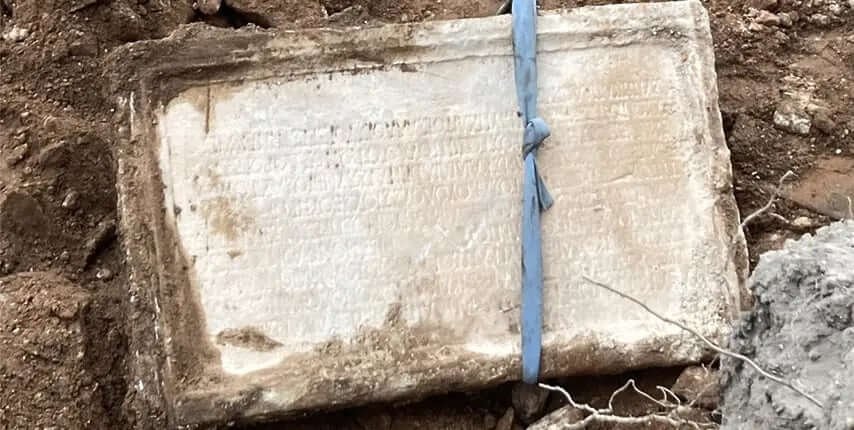
In a recent archaeological discovery in the Roman Baths of Hisarya, a quaint resort town in Bulgaria's Plovdiv province, archaeologists unearthed a remarkable 1,900-year-old marble slab adorned with an ancient Greek inscription. This inscription sheds light on the administration of the province of Thrace and the origins of these baths.

Located approximately 40 kilometers from Plovdiv, Hisarya boasts a rich history dating back to the 4th century BC when it was established by Emperor Diocletian, who also bestowed upon it the name Dioclecianopolis. The town is known for its remarkably well-preserved Roman baths, which were utilized for thermal treatments during ancient times. With 22 mineral water sources featuring diverse physical-chemical compositions and temperatures renowned for their healing properties, Hisarya has long been a hub of wellness.

The marble slab, found within a designated area, is a tribute to Emperor Antony Pius and Marcus Aurelius. It provides precise information that the baths were constructed in the year 152 AD and that the financial matters of the province of Thrace were overseen by Volusius Severus. This inscription was erected during the governance of Galonius Fronton, the governor of Thrace, as a generous donation by Elia Bendida and her husband in support of the thermal baths adjacent to the mineral springs.

This discovery corroborates prior assertions regarding the baths' construction during the mid-2nd century. Dr. Nikolay Sharankov, an epigrapher from Sofia University, is diligently deciphering the inscription, a task entrusted to him by the Municipality of Hisarya.

Associate Professor Mitko Madjarov, Director of the Hisarya Archaeological Museum, emphasized the significance of the find. He described the inscription, measuring 1.3 x 70 cm, as part of an imperial cult, suggesting its placement in a sacred space—namely, a deep pool filled with an abundance of marble and cipher slabs.

The Roman Baths gained prominence after the region was designated as imperial property, ultimately becoming the spa capital of Thrace and the Balkans.

To date, approximately 3.5 decares (units of land area) within the Roman Baths have been excavated and explored. According to Assoc. Prof. Madjarov, this valuable artifact may pave the way for the discovery of further treasures, such as statues, in the future.

Experts regard these findings as highly valuable, as they provide insight into the historical significance of the thermo-mineral deposits in the ancient city of Diocletianopolis.

This discovery marks the third epigraphic monument uncovered at the site during rescue archaeological excavations conducted under the auspices of the Municipality of Hisarya, as part of the operational program Regions in Growth. The marble slab is now showcased in a special exhibit at the Archaeological Museum.

This remarkable find not only enriches our understanding of the past but also underscores the cultural and historical significance of the region.

The boat’s conservation work has been long and demanding. Image courtesy Perth Museum & Art Gallery/Culture Perth & Kinross

The 3,000-Year-Old Logboat of Carpow Returns to Perth

November 8, 2023

In the realm of archaeology, some discoveries stand out not just for their historical significance but also for the incredible journey they undertake from the moment they are unearthed. Such is the case with the 3,000-year-old logboat from Carpow, a unique artifact that has recently made its triumphant return to Perth, Scotland. This venerable vessel, carved from a single 400-year-old oak tree trunk, offers us a captivating glimpse into the distant past of the Bronze Age. In this article, we will delve into the fascinating story of the Carpow logboat, its remarkable preservation, and its ultimate homecoming.

The Discovery

The story of the Carpow logboat began in 2001, when it was officially discovered by metal detectorists combing the mudflats at Carpow during an unusual period of exceptionally low river levels. This serendipitous find marked the inception of a journey that would span decades and capture the imaginations of historians, archaeologists, and the general public alike.

Carved from a single ancient oak tree, this logboat was an astonishing 30 feet (9 meters) in length, making it an extraordinary specimen of its kind. However, the true marvel lay not just in its size but also in its age; radiocarbon dating revealed that the logboat hailed from around 1000 BC, a testament to its enduring resilience through the millennia.

The logboat was restored over the course of a year at the National Museums Scotland collection centre in Edinburgh. Credit: national Museums of Scotland.

Preservation Challenges

Preserving such a venerable artifact posed a substantial challenge. The peaty soil composition of the Perth and Tay Estuary areas had played a vital role in protecting the logboat from the ravages of time, but its fragile state demanded meticulous care.

The Conservation Effort

To ensure the logboat's long-term preservation, a collective decision was made to partially impregnate it with polyethylene glycol (PEG) to replace water and fortify its structure. Subsequently, it underwent an extensive freeze-drying process. However, this endeavor was not without its complexities. The sheer size of the logboat necessitated that it be divided into three sections, each immersed in its own PEG solution. Over the course of three years, this painstaking process removed a staggering 588 kilograms of water.

Differential distorting occurred during the cutting process as various sections of the boat warped at different rates, releasing pent-up tension in the wood. To rectify this, an innovative approach was employed. Flexible heating mats and an adjustable aluminum frame were used to gently mold the boat back to its original shape, a task that required both patience and precision.

The logboat was previously on display at the Perth Museum and Art Gallery for ten years. Image courtesy Perth Museum & Art Gallery/Culture Perth & Kinross

The Small Details

Amidst the arduous preservation work, conservators made remarkable discoveries. Footrests for the pilot and intricate details etched into the boat's design offered insights into the lives of those who had once navigated the vessel. Charles Stable, an artifact conservator at National Museums Scotland, marveled at these small yet profound details, pondering the stories of the people who had relied on this ancient craft.

The Carpow Logboat Returns Home

After a year of intensive conservation efforts at the National Museums Scotland collection center in Edinburgh, the 3,000-year-old logboat is now making its triumphant return to Perth. The logboat's incredible journey, from its discovery in the mudflats to its meticulous preservation, culminates in a homecoming that will allow visitors to witness the Bronze Age treasures of Perth and the Stone of Destiny, which returns to Perthshire after more than seven centuries.

The Carpow logboat. Image courtesy Perth Museum & Art Gallery/Culture Perth & Kinross

The Carpow logboat is a testament to the enduring allure of archaeology and the determination of experts to safeguard our cultural heritage. Its story not only unveils the mysteries of the past but also serves as a reminder of the importance of preserving these remarkable artifacts for generations to come. As we gaze upon this ancient vessel, we are transported back in time, bridging the gap between the present and a world that existed three millennia ago.

Archaeology Uncovers the Brutal Truth of The Viking Raids on Scotland's Coasts

November 8, 2023

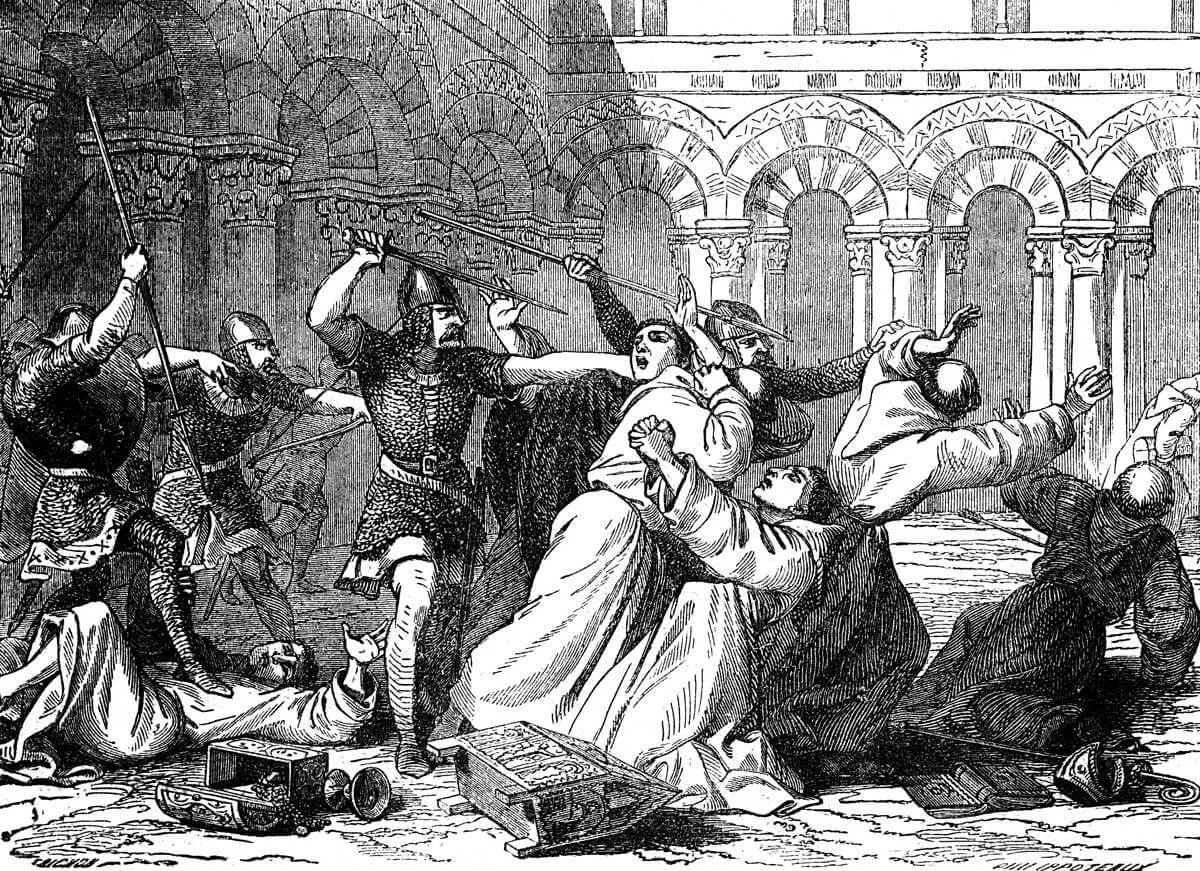
In recent years, there has been a growing trend among historians and commentators to portray the Vikings as peaceful settlers who came to places like the British Isles with the intent to engage in trade, share agricultural knowledge, and foster cultural exchanges. While there is some truth to this perspective, it is essential to remember that the Vikings, particularly the seafaring marauders, earned their reputation as fearsome raiders through their actions. This article delves into the archaeological evidence and historical accounts to shed light on the violent nature of Viking raids on the coasts of Scotland, with a focus on the significant sites of Portmahomack and Iona.

The Elusive Archaeological Evidence

When examining Viking raids, one must acknowledge the scarcity of direct archaeological evidence. One notable exception is the former monastery of Portmahomack, where excavations have revealed signs of a violent attack that left the religious community devastated. However, in most cases, understanding these raids relies heavily on detailed written accounts from Anglo-Saxon, Celtic, and Frankish scribes. These accounts, though not entirely objective, provide valuable insights into how Viking raids unfolded.

Viking Raids in Scotland

The Vikings began their raids on Scotland's shores from the late eighth century onward, striking fear into the hearts of the local Pictish and Celtic populations. These raids served dual purposes: exploration of unknown territories and the allure of seizing valuable treasures. In true pirate fashion, Viking raiders often departed with precious religious ornaments, metals, and other valuable items, which brought wealth and prestige upon their return home. Tales of these lands with apparent riches fueled further Norse expeditions.

Iona Abbey, situated on the remote Scottish island in the Inner Hebrides, was a central religious site that experienced multiple Viking raids. Source: Heartland Arts / Shutterstock

The First Viking Raid on Iona

While the famous attack on Lindisfarne in 793 is often considered the starting point of the Viking Age, the first of four reported attacks on Iona Abbey occurred just two years later. The most brutal assault on Iona took place in 806, when 68 monks were ruthlessly slaughtered. Many of them were diligently working on the Book of Kells, an illuminated Latin manuscript of the Gospel. Despite this tragedy, some survivors continued their work at the Abbey of Kells.

The Final Raid and Iona's Resilience

The last Viking raid on Iona in 825 brought the monastery to the brink of total destruction. Yet, the monks on Iona displayed remarkable fortitude in the face of brutality. Their bravery became known throughout Europe, inspiring scholars like Walahfrid Strabo to compose poems about the martyrdom of figures like Blathmac of Iona. These monks' unyielding spirit was a testament to their dedication to their faith and their resistance against Viking aggression.

Iona's Legacy and Portmahomack

Iona Abbey's enduring legacy is seen today in its spiritual significance as the home of the Iona Community, an ecumenical Christian religious order, and a popular site of Christian pilgrimage. In contrast, the Monastery of Portmahomack tells a different story. Archaeological investigations from 1994 to 2007 uncovered evidence of a brutal attack, with smashed fragments of stone sculptures and torched buildings. While it cannot be confirmed with certainty that Vikings were responsible, the ninth-century dating aligns with Viking activities in the region, and the damage is consistent with their known methods.

The Viking raids on the coasts of Scotland left a lasting impact on the region's history. While some Viking settlers eventually integrated into these lands, they could never fully escape their reputation as ruthless raiders. Iona Abbey's enduring spirit and Portmahomack's archaeological evidence remind us of the complex history and legacy of these Viking incursions. These raids were not solely about trade and cultural exchange but also about violence and the pursuit of wealth and power.
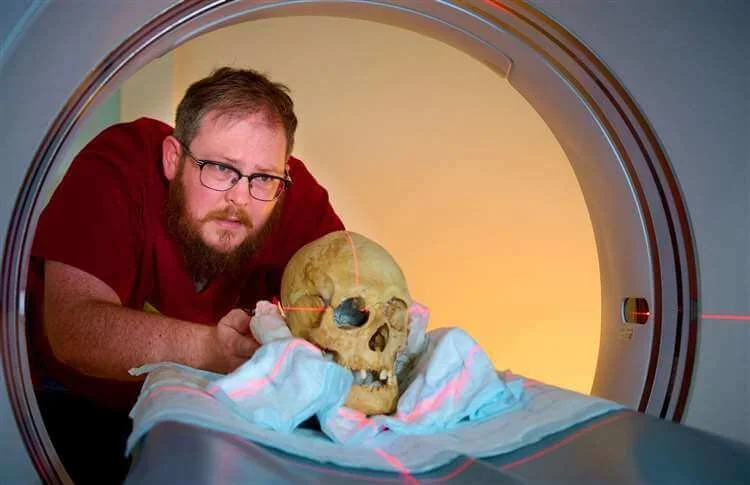
In our quest to understand history, it is essential to recognize the multifaceted nature of past events, as the Vikings' legacy in Scotland illustrates.

In Europe
← Newer Posts Older Posts →
Featured
image_2026-01-17_204356244.png
Jan 17, 2026
Archaeologists find a supersized medieval shipwreck in Denmark
Jan 17, 2026
Read More →
Jan 17, 2026
image_2026-01-17_203016176.png
Jan 17, 2026
Free Access to Greece’s Archaeological Treasures This Sunday
Jan 17, 2026
Read More →
Jan 17, 2026
image_2026-01-17_202652467.png
Jan 17, 2026
Ancient temple rich with gold and ritual altars unearthed on Evia island
Jan 17, 2026
Read More →
Jan 17, 2026
image_2026-01-17_194536616.png
Jan 17, 2026
Signs of neolithic trading and medieval monastery among National Trust’s top discoveries of 2025
Jan 17, 2026
Read More →
Jan 17, 2026
image_2026-01-17_194400111.png
Jan 17, 2026
Meet £200m road team and view ancient artefacts
Jan 17, 2026
Read More →
Jan 17, 2026
image_2026-01-17_193815498.png
Jan 17, 2026
Iron Age teeth fossils reveal diversity of diet of ancient Italians
Jan 17, 2026
Read More →
Jan 17, 2026
read more

Powered by The archaeologist