• MAIN PAGE
  • LATEST NEWS
    • Lost Cities
    • Archaeology's Greatest Finds
    • Underwater Discoveries
    • Greatest Inventions
    • Studies
    • Blog
  • PHILOSOPHY
  • HISTORY
  • RELIGIONS
    • Africa
    • Anatolia
    • Arabian Peninsula
    • Balkan Region
    • China - East Asia
    • Europe
    • Eurasian Steppe
    • Levant
    • Mesopotamia
    • Oceania - SE Asia
    • Pre-Columbian Civilizations of America
    • Iranian Plateau - Central Asia
    • Indus Valley - South Asia
    • Japan
    • The Archaeologist Editor Group
    • Scientific Studies
    • Aegean Prehistory
    • Historical Period
    • Byzantine Middle Ages
    • Predynastic Period
    • Dynastic Period
    • Greco-Roman Egypt
  • Rome
  • PALEONTOLOGY
  • About us
Menu

The Archaeologist

  • MAIN PAGE
  • LATEST NEWS
  • DISCOVERIES
    • Lost Cities
    • Archaeology's Greatest Finds
    • Underwater Discoveries
    • Greatest Inventions
    • Studies
    • Blog
  • PHILOSOPHY
  • HISTORY
  • RELIGIONS
  • World Civilizations
    • Africa
    • Anatolia
    • Arabian Peninsula
    • Balkan Region
    • China - East Asia
    • Europe
    • Eurasian Steppe
    • Levant
    • Mesopotamia
    • Oceania - SE Asia
    • Pre-Columbian Civilizations of America
    • Iranian Plateau - Central Asia
    • Indus Valley - South Asia
    • Japan
    • The Archaeologist Editor Group
    • Scientific Studies
  • GREECE
    • Aegean Prehistory
    • Historical Period
    • Byzantine Middle Ages
  • Egypt
    • Predynastic Period
    • Dynastic Period
    • Greco-Roman Egypt
  • Rome
  • PALEONTOLOGY
  • About us
No results found

What If Titanoboa Snake Never Went Extinct?

December 18, 2023

Titanoboa, the largest snake ever discovered, lived 60 million years ago in the swampy jungles of South America. It was a colossal snake that stretched a remarkable 13 meters long and weighed upwards of 1,000 kilograms.

Titanoboa had anatomical characteristics of a boa constrictor, but it behaved more like an anaconda, spending most of its time immersed in shallow water. It may have masked its giant body in layers of mud and murky water, slowly ambushing its prey, clamping down its hooked teeth, and choking the life from their bodies. Titanoboa could capture and kill the largest predators in its ecosystem, including crocodylomorphs and even other snakes.

During the Paleocene Epoch, global temperatures climbed due to abundant CO2 in the atmosphere, and under these conditions, the tropics of South America became a smoldering greenhouse. Cold-blooded animals like snakes flourished in the superheated jungles of the mid to late Paleocene, but none more than Titanoboa.

Titanoboa disappeared from the lowland tropics of northern Colombia sometime during the late Paleocene. The exact cause of its extinction remains unclear, though it may have been affected by sudden changes in the Earth’s climate.

Anubis: The Egyptian God of Death

December 18, 2023

The Ancient Egyptians believed in the immortality of the soul and that the life on Earth was only a pitstop on its journey to a heavenly realm called the Field of Reeds. The souls of the deceased entered an everlasting paradise, free of sickness, disappointment, and death. Before anyone could enter the Field of Reeds, souls traveled from their tombs into the afterlife.

Most souls traversed the treacherous halls of the underworld on foot; but many kings and pharaohs arrived on handcrafted ships, mimicking the sun god Ra, who sailed into the underworld each time the sun set. Each soul gathered in the Hall of Truth, where they were judged by the lord of the underworld, the god of death.

One by one, the god of death placed their hearts on a golden scale and weighed the goodness of each soul against a white feather of truth. If the soul’s heart was heavier than the feather of truth, it fell to the floor, where it was devoured by a god with the head of a crocodile. If its heart was consumed by the crocodile god, the soul ceased to exist. As lord of the underworld and guardian of the Field of Reeds, the god of death played a critical role in the immortality of Ancient Egyptian souls.

'Meditations' by Marcus Aurelius - The Complete 12 Books on Stoicism in Today's Language

December 18, 2023

"Meditations" by Marcus Aurelius is a collection of personal notes written by the Roman Emperor to reflect, realign and reinforce his commitment to stoic virtues. Although not a structured treatise, it is a meditative mantra that often revisits themes for deeper introspection. The audiobook serves as both a soothing, meditative experience and a historical window into stoicism. The beauty of "Meditations" lies in its dual approach, with golden nuggets of wisdom nestled in the emperor's spontaneous streams of thought. While not every facet of stoicism may be agreeable, there is undeniable value in Aurelius's teachings that resonate even today. Chapter 8 offers a concise encapsulation of his philosophy for those with limited time.

In the book, Aurelius reflects on the lessons he learned from his family, mentors and teachers, emphasizing the importance of humility, kindness, simplicity and hard work. He also stresses the value of staying true to oneself, avoiding show-off behavior and being genuine in one's actions. Aurelius highlights the power of family love, truth, fairness and loyalty to one's beliefs. He encourages us to appreciate good teachers, not brush off criticisms and truly adore our children. Overall, "Meditations" serves as a journey through the profound mind of Marcus Aurelius, offering timeless wisdom that can benefit readers today.

What Ate Us?

December 18, 2023

The Dragon Bone Cave in China is the site where bones of Homo erectus, our predecessor, have been discovered. While the bones suggested cannibalism, researchers found that the marks were made by the giant short-faced hyena, which was a predator throughout the region 400,000 years ago.

Hyenas were capable of consuming bones whole, and their waste was full of excess calcium. This pattern is seen across Eurasia, where caves were more likely to echo with the cackles of hyenas than the laughter of hominins. Our ancestors were just as likely to be prey as predators. Humans tend to sit at the top of the food chain as apex predators, but history and prehistory show that our roles can be reversed.

This is exemplified by the story of John Wade, a young boy who survived a tiger attack in London 150 years ago. Our sense of mastery over the world can cause us to lose our sense of danger and forget that we are part of the food chain.

Every Greek God Explained in 11 Minutes

December 18, 2023

The video discusses the Greek gods and goddesses, starting with the primordial deities Gaia and Uranus who gave birth to the Titans, including the youngest, Cronus. Cronus overthrew his father, Uranus, and ruled during the Golden Age but was afraid of being overthrown by his children, so he devoured them all except for Zeus. Zeus, secretly raised by Ria, eventually overthrew Cronus and became king of the gods, fighting a war against the Titans with his siblings and ultimately confining many of them to Tartarus. The video also briefly discusses some of the major gods and goddesses, including Hera, Poseidon, and Athena.

Bizarre & Creepy Things The Greeks Did

December 18, 2023

The ancient Greeks lived in a more open society than we do today and indulged in various pleasures. They believed in things that seem crazy to us today, such as fighting sports like boxing, wrestling, and pantion, which became official Olympic sports in ancient Greece.

The fertility festival is a dedication to Dionysus, the god of debauchery, wine, madness, and physical measure, and involves hundreds of phallic objects. It is celebrated every year in Athens, and its roots go back millennia. Greek medicine began to take shape around 800 BC and became even more advanced as philosophers shaped Greece into a society of thinkers.

However, not all remedies made sense, and the father of medicine, Hippocrates, believed that everything in the body could be explained through four substances called humors. For 2,400 years, the theory of the four humors was the golden standard of medicine, and doctors tried to drain blood from patients to balance their humors.

10 STOIC RULES FOR LIFE | Listen to This, They Will Prioritize You

December 18, 2023

Have you ever felt the sting of being overlooked by someone you deeply care about? It's as if they disregard your emotions and sentiments, treating you as if you're unimportant. They never seem to put you first, no matter how much love and dedication you show them. But imagine if there was a method to alter this pattern, to make them feel an irresistible urge to value and prioritize you. In this video, we're going to unveil 10 essential rules to transform yourself into a person who is irresistibly engaging and whom others eagerly want in their lives.

The Largest Predator During the Late Cretaceous Wasn't A Dinosaur?

December 18, 2023

If you to travelled back to North America, anywhere from 83 to 77 million years ago, you would find the lands covered with dinosaurs, many of which were giant. However, they wouldn't be the largest things you could 'run' into, as during those times that largest creature in North America was not a dinosaur, but rather a crocodilian, the Deinosuchus.

Thirty Ancient Artifacts Worth $3.7 Million Were Returned to Greece by the US

December 17, 2023

In a symbolic gesture of cultural preservation and cooperation, the United States recently returned 30 ancient artifacts to Greece, including an array of marble statues, bronze helmets, breastplates, and other priceless relics. These objects, dating back as far as 4,700 years ago to the Middle Ages, were discovered to have been illicitly removed from Greece, prompting their repatriation to their rightful home.

Manhattan District Attorney Alvin Bragg, who played a pivotal role in this restitution, described the returned artifacts as "exquisite" and collectively valued at a staggering $3.7 million (3.39 million euros). The significance of these pieces extends beyond their monetary worth, as they hold a profound cultural and historical resonance for Greece.

Nineteen of the artifacts were voluntarily surrendered by Michael Ward, a New York gallery owner, underscoring the importance of ethical stewardship within the art world. Additionally, three other artifacts were seized from British art dealer Robin Symes, shedding light on the shadowy world of art trafficking. Furthermore, one item was discovered in a storage unit belonging to an undisclosed New York-based private collector, emphasizing the need for vigilance in tracking down stolen antiquities.

Among the returned treasures stands a remarkable Roman-era headless marble statue of Aphrodite, the ancient Greek goddess of love. This particular statue has been concealed in Symes' storage unit since at least 1999, underscoring the lengths to which some individuals will go to circumvent the law in pursuit of valuable antiquities.

The repatriated artifacts encompass a diverse range of historical periods and artistic styles. They include seven bronze helmets dating from the 6th century B.C. to the 3rd century B.C., two bronze and two iron breastplates used by ancient soldiers, a medieval silver platter, a marble Cycladic figurine from 2,700–2,300 B.C., as well as Mycenaean and Minoan Cretan pottery. These objects collectively represent a tapestry of Greece's rich and multifaceted cultural heritage.

Greek Culture Minister Lina Mendoni commended the "strong cooperation and hard work" by U.S. and Greek experts that paved the way for the return of these antiquities. Such collaboration highlights the international commitment to rectifying the illicit trade in stolen cultural treasures and safeguarding the world's cultural heritage.

This repatriation effort is not an isolated incident. It follows two similar operations earlier this year, in which 29 antiquities were returned, and a significant repatriation event last year, when 55 works were brought back from New York. These actions reflect a growing global awareness of the need to combat the illegal trade of antiquities and restore stolen heritage to its rightful owners.

View fullsize screenshot-www.voria.gr-2023.12.17-03_00_19https_www.voria.gr_article_epanapatrizontai-30-arhaiotites-apo-ti-nea-yorki-deite-fotografies_fbclid=IwAR3_eutCaRkEhnewXdL_U3pnOSorUYFqPQOuBzIcXCXHjZKylrRQxlTeP4w{date} (1).jpg
View fullsize screenshot-www.voria.gr-2023.12.17-03_00_00https_www.voria.gr_article_epanapatrizontai-30-arhaiotites-apo-ti-nea-yorki-deite-fotografies_fbclid=IwAR3_eutCaRkEhnewXdL_U3pnOSorUYFqPQOuBzIcXCXHjZKylrRQxlTeP4w{date} (1).jpg
View fullsize screenshot-www.voria.gr-2023.12.17-02_59_40https_www.voria.gr_article_epanapatrizontai-30-arhaiotites-apo-ti-nea-yorki-deite-fotografies_fbclid=IwAR3_eutCaRkEhnewXdL_U3pnOSorUYFqPQOuBzIcXCXHjZKylrRQxlTeP4w{date} (1).jpg
View fullsize Aphrodite_antiquities_archaeology_US_repatriation-960x600 (1).jpg

Greece has been a prime target for criminal networks engaged in the trafficking of illegally excavated antiquities, which often command high prices in the international art market. By law, all ancient artifacts found in Greece are considered state property, further emphasizing the importance of repatriating these cultural treasures.

In conclusion, the return of these 30 ancient artifacts to Greece serves as a powerful testament to the enduring value of cultural heritage and the international commitment to protecting it. It is a reminder that the past should not be plundered for profit but preserved for future generations to appreciate and learn from, and it underscores the vital role that cooperation and vigilance play in safeguarding our shared history.

This handout picture released by the Italian Culture Ministry on December 12, 2023 shows mosaics uncovered in a luxurious Roman home near the Colosseum. (Photo by Handout / ITALIAN MINISTRY OF CULTURE / AFP) / RESTRICTED TO EDITORIAL USE - MANDATORY CREDIT "AFP PHOTO / ITALIAN CULTURE MINISTER " - NO MARKETING NO ADVERTISING CAMPAIGNS - DISTRIBUTED AS A SERVICE TO CLIENTS - RESTRICTED TO EDITORIAL USE - MANDATORY CREDIT "AFP PHOTO / ITALIAN CULTURE MINISTER " - NO MARKETING NO ADVERTISING CAMPAIGNS - DISTRIBUTED AS A SERVICE TO CLIENTS - RESTRICTED TO EDITORIAL USE - MANDATORY CREDIT "AFP PHOTO / ITALIAN CULTURE MINISTER " - NO MARKETING NO ADVERTISING CAMPAIGNS - DISTRIBUTED AS A SERVICE TO CLIENTS

An Ancient Roman Gem With a Magnificent Mosaic: The Luxurious Domus near the Colosseum

December 17, 2023

In the heart of Rome, beneath the bustling streets and modern cityscape, lies a hidden treasure that has recently come to light: a luxurious Roman home, or domus, near the iconic Colosseum. Italian archaeologists made this extraordinary discovery, revealing a mosaic of unparalleled beauty and historical significance that sheds light on the opulent lifestyles of ancient Roman nobility. In this article, we delve into the details of this remarkable find, exploring its historical context and the captivating scenes depicted in its mosaic.

A Treasure Beneath Rome's Bustling Streets

The domus, which dates back to the second half of the 2nd century BC and the end of the 1st century BC, is a testament to the grandeur of ancient Roman architecture and culture. Culture Minister Gennaro Sangiuliano aptly describes it as "an authentic treasure." Discovered in 2018, the excavation is ongoing, offering a tantalizing glimpse into the opulent world of the past.

The Banquet Hall of a Nobleman

At the heart of the domus lies its main room, a banquet hall styled as a grotto, which was likely used during the warm summer months. The owner of this residence, believed to be a nobleman, would have entertained guests with spectacular water games, thanks to lead pipes cleverly set within the decorated walls.

The Extraordinary Mosaic

What truly sets this discovery apart is an extraordinary wall adorned with a 'rustic' mosaic of unparalleled complexity. This mosaic is a captivating blend of different elements, including shells, Egyptian blue tesserae, precious glass, and minute flakes of white marble. The scenes depicted are a testament to the owner's triumphs, both on land and at sea.

A Triumph of Scenes

The mosaic tells a story of victory and conquest, with depictions of Celtic-type trumpets, warships, and tridents amidst vines and lotus leaves. These symbols allude to a double triumph, suggesting that the owner of the domus achieved greatness both on the battlefield and in naval conquests. Three imposing ships, one of which is proudly raising its sails, are plowing the sea in a landscape with a coastal city and a cliff made of travertine rock. This representation hints at a warlike conquest by the domus's owner, likely an aristocratic figure, perhaps even of senatorial rank.

A Glimpse into Roman Opulence

Adjacent to the mosaic, archaeologists have uncovered white stucco of the highest quality in the reception room. This exquisite find is a testament to the opulence and attention to detail that characterized the homes of the Roman elite.

A Window into Ancient Rome

This domus serves as an early example of "luxuria," the practice of displaying wealth and rank through lavish villas and lifestyles. It also aligns with historical sources that describe the extensive residences of prominent Roman senatorial families in the northwestern area of the Palatine, one of Rome's iconic seven hills.

The discovery of this luxurious Roman home near the Colosseum is not merely an archaeological find; it is a window into the opulent world of ancient Rome. The breathtaking mosaic and the history it represents offer us a glimpse into the lives of those who lived over two millennia ago. As the excavation continues, we eagerly anticipate the day when this evocative piece of history will be accessible to the public, allowing us all to step back in time and marvel at the grandeur of Rome's past.

Author: Altair4 Multimedia Archeo3D Production

The Transformation of the Vatican Hill: From Roman Necropolis to St. Peter's Basilica

December 16, 2023

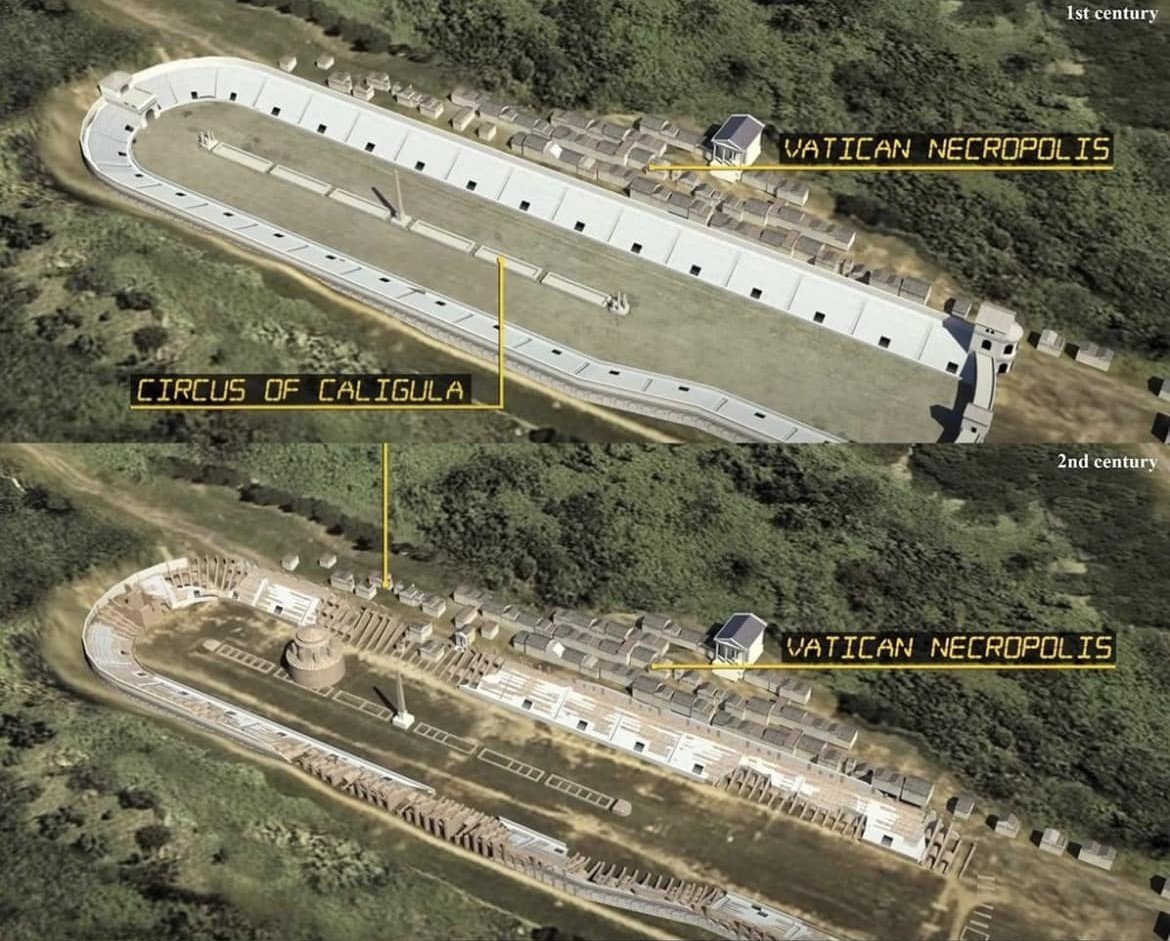
The Vatican Hill, an emblem of religious significance and an architectural marvel, has witnessed a remarkable transformation through the centuries. Its evolution from a Roman necropolis and the Circus of Caligula to the majestic St. Peter's Basilica is a tale that intertwines history, religion, and art.

The Early Days: Roman Necropolis and Circus

Originally, the Vatican was not a site of Christian significance. In the era of the Roman Empire, it was a necropolis, a city of the dead. This necropolis was located outside the city limits, as Roman law prohibited burial places within the city. The Vatican necropolis lay along the Via Cornelia and housed the tombs of various Roman families, some of which have been unearthed and studied by archaeologists. These findings reveal insights into the burial practices and beliefs of ancient Romans.

Author: Altair4 Multimedia Archeo3D Production

Adjacent to this necropolis was the Circus of Caligula, also known as the Circus of Nero. Constructed in the first century, this circus was a venue for chariot races and other public games, a common form of entertainment in ancient Rome. It is believed that St. Peter, one of Jesus Christ’s apostles, was martyred in this very circus under Emperor Nero's reign.

The Birth of a Sacred Site: Old St. Peter's Basilica

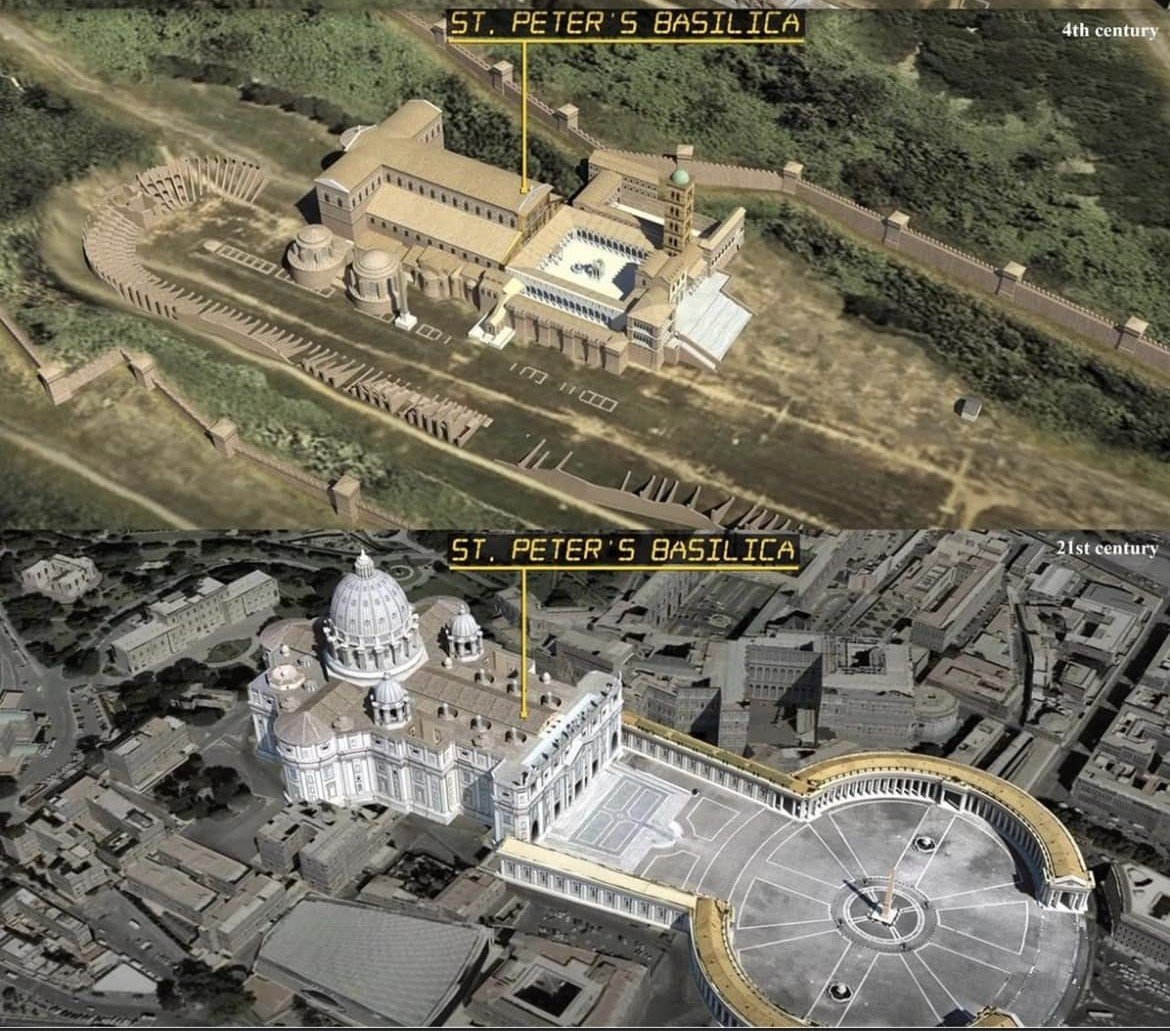
The transformation of the Vatican from a pagan site to a place of Christian worship began with the construction of the Old St. Peter's Basilica. Following Emperor Constantine’s conversion to Christianity and the Edict of Milan in 313 AD, which granted religious tolerance throughout the empire, the persecution of Christians ceased. Emperor Constantine commissioned the building of a great basilica over the supposed tomb of St. Peter.

The construction of Old St. Peter's Basilica marked a significant shift, both religiously and culturally. The basilica, completed in the 4th century, was an architectural wonder of its time. It boasted a vast nave with aisles, an atrium, and numerous chapels and altars, becoming a major pilgrimage site and a symbol of the burgeoning power of the Christian church.

Author: Altair4 Multimedia Archeo3D Production

The Renaissance Transformation: New St. Peter's Basilica

By the early 16th century, the Old St. Peter’s Basilica had deteriorated significantly. The decision to rebuild led to the construction of the New St. Peter’s Basilica, a project that spanned over a century and involved some of the most renowned architects and artists of the time, including Bramante, Michelangelo, and Bernini.

Bramante’s initial plan was for a Greek Cross design, but it was later altered to a Latin Cross by Carlo Maderno. Michelangelo, taking over the project at 71, redesigned the dome, combining architectural skills with his artistic vision. The dome of St. Peter's, completed after his death, remains one of the most iconic features of the Roman skyline.

The interior of the basilica is a celebration of Renaissance and Baroque art, with Bernini's Baldachin standing as a focal point over the papal altar. The basilica’s architecture, art, and its location over the tomb of St. Peter make it a place of unparalleled religious and historical significance.

The Vatican Hill’s transformation from a Roman necropolis and circus to the site of one of Christianity’s most sacred and architecturally significant buildings is a vivid illustration of the interplay between history, religion, and art. St. Peter’s Basilica, in its successive phases, not only symbolizes the growth of Christianity but also stands as a testament to human creativity and devotion through the ages.

Tags Religion, The Archaeologist Editorial Group

5 STOIC THINGS YOU MUST DO EVERY MORNING - Ancient Stoicism

December 16, 2023

This video discusses how to start each day with a morning routine that reflects the ancient appreciation for existence found in Stoic philosophy.

The video offers three Stoic practices to help begin each day with peace and purpose. The first practice is to meditate on the impermanence of all things, including the fleeting nature of life, to appreciate the beauty and fragility of existence. The second practice is to write down one's thoughts in a diary, which helps with self-reflection, grounding, and healing.

The third practice is to write daily intentions, which focus on the present journey, personal values, and the type of person one wants to be, rather than solely on future goals and outcomes. The video emphasizes that these practices can help one focus on what truly matters in life and avoid wasting time on unimportant things.

By starting each day with a sense of purpose and gratitude, one can celebrate life and make the most of it. The video encourages viewers to turn these practices into a daily routine and to use them as tools for personal growth and self-awareness.

12 Most Mysterious Recent Ancient Finds

December 16, 2023

Archaeologists have discovered several mysterious artifacts from ancient cultures that they struggle to understand. One of these discoveries includes a sacred bronze tree that was found in China's Sichuan Province. The tree is believed to have been made by the Shu culture, which existed about 3,200 years ago.

The tree was deliberately disturbed between layers of ivory, and its significance is unknown. In Scotland, a collection of artifacts from the witch hunts period, including a set of stone charms and a Gaelic prayer book that belonged to a wizard in the 16th century, were recently put on display for the public. At least 3,800 people were accused of witchcraft in Scotland between the 1560s and the 1730s.

Another artifact is the guinel stargazer idol, one of only 15 Anatolian marble female idols ever found. It is thought to have been illegally looted from Turkey in 1993 and is about 6,000 years old. Lastly, archaeologists discovered two delicately carved and polished stone balls inside a 5,500-year-old tomb on the Scottish island of Orne, and while there are many theories about their use, no conclusive answer has been found.

A day in the rebellion against the Inca Empire

December 16, 2023

The city of Chan Chan is the former seat of the Chimú Empire in modern-day Peru. The city was conquered by the Incas, and the Chimú king was taken hostage. In the midst of political turmoil, a group of influential people from the city gather secretly to plan a rebellion against the Incas. They ask Maxo, a former soldier who survived the last battle, to join them. Maxo is hesitant, fearing for the safety of the Chimú king and the city's residents. However, the Chimú king's son reveals that there are rumors that the king is already dead, and the time for rebellion is now. Maxo agrees to join the rebellion, and the group plans to attack the Inca soldiers at the old fortress down the road.

The city of Chan Chan was once a trade hub with thousands of artisans, but after the conquest, the Inca rulers took the artisans away to Cusco. The rebellion is successful, but the Inca Empire burns Chan Chan, killing many of its residents and scattering others throughout the empire. The mummified remains of a man from this period were discovered just outside Chan Chan in 2016, but many details of the rebellion and who was behind it remain mysteries.

Are there Descendants of Romans living in China?

December 16, 2023

A remote village in central China is home to people who claim to be descendants of Romans, with many having Western facial features such as blue eyes and fair hair. The story of these villagers who believe in their Roman ancestry is fascinating, with some believing that they are descendants of Roman soldiers captured during the Battle of Carrhae in 53 BC.

The Romans suffered a brutal defeat against the Persians, with 20,000 soldiers losing their lives and 10,000 being captured. According to some accounts, 10,000 of these captured soldiers were relocated to the eastern border of the Parthian Empire, which makes sense as the Parthians would have wanted to force them to fight for them.

It is believed that they were sent to what is now modern-day Afghanistan to fight against the Eastern Barbarian tribes. Fast forward 17 years, in 36 BC, and the Battle of Gigi was fought between the Chinese and the Xiongnu, with Chinese annals recording mercenaries fighting on the side of the Xiongnu, who used a fish scale formation. The formation impressed the Chinese, who extended an invitation for the strange surviving soldiers to travel with them to China.

Proponents of the theory believe that these strange soldiers using the fish scale formation were actually the surviving legionaries of the Battle of Carrhae who had switched sides from the Parthians to the Xiongnu. If true, the fish scale formation would then have been nothing else than the testudo formation of the Romans.

The Bizarre Life Of China's First Emperor: Qin Shi Huang

December 16, 2023

Qin Shi Huang, the first emperor of ancient China, is known for his construction of the Great Wall and the terracotta soldiers guarding his tomb, but he was also a paranoid ruler obsessed with living forever. He ascended to the throne at 13 years old, and rumors circulated that he was the son of his predecessor's concubine, while his chancellor plotted to install his friend on the throne.

Huang ruthlessly crushed a rebellion by his chancellor and had him executed, along with his entire family, sparing only his mother, whom he banished, and living under house arrest. Huang also eradicated his enemies, exterminating multiple bloodlines and enslaving their armies. He faced multiple assassination attempts, including one from a close associate who infiltrated the court as a lute player. Despite earning a royal pardon, the musician was punished by having his eyes gouged out and later put to death. Huang died at the age of 50, partially due to his obsession with immortality, as he consumed mercury pills and had a group of alchemists searching for the elixir of life.

The 5 Most Incredible Archaeological Discoveries of Recent Times

December 16, 2023

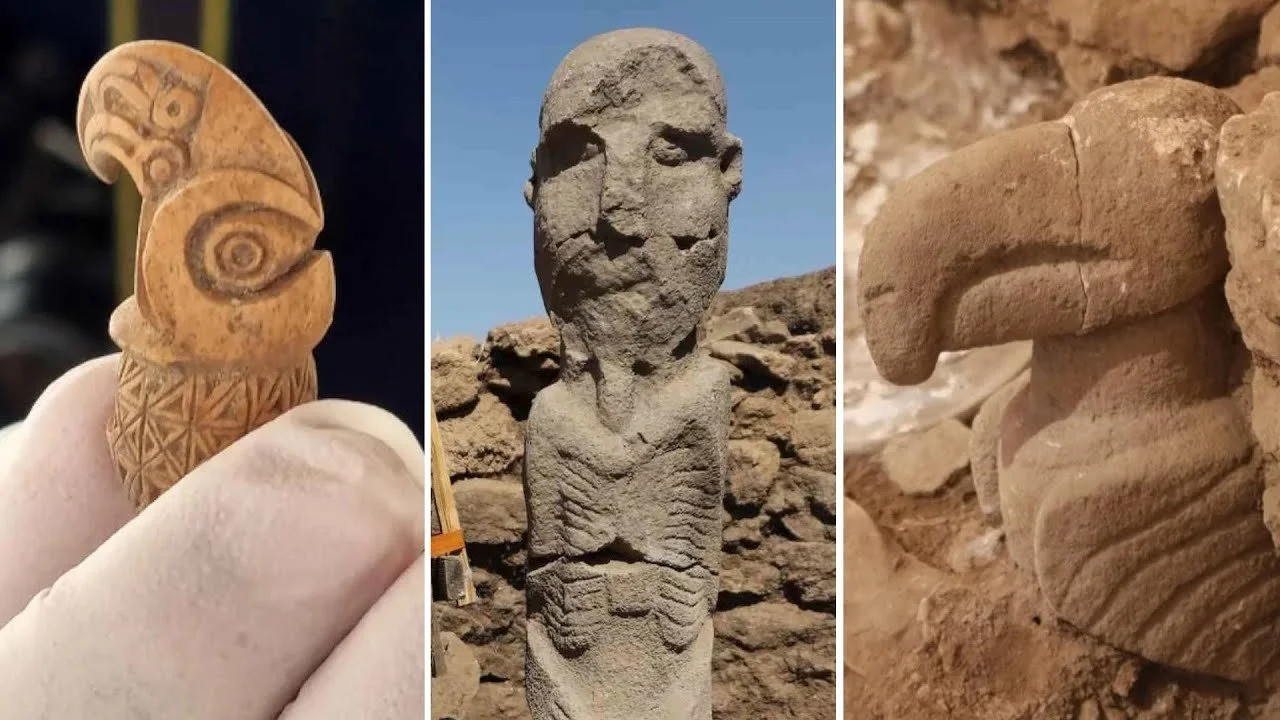
In this video, we have compiled a list of potential archaeological discoveries and stories that could occur in 2023. One significant discovery is a bone scepter belonging to a Scythian warlord from the 5th century BC that was found during excavations in northeast Bulgaria. Scythian graves are rare in today’s northeastern Bulgaria, with only four or five having been discovered so far, making this find particularly significant. In Göbeklitepe and Karahantepe, a human statue with a realistic facial expression was found in Karahantepe, and a painted wild boar statue was discovered in Göbeklitepe.

The painted sculpture was the first of its kind to be found, from its period to the present day. As part of the Taş Tepeler project, which sheds light on prehistory and has seen highly significant discoveries on a global scale, the archaeological excavations carried out in 2023 in nine different areas have recently led to the discovery of human and animal statues. Finally, researchers at the National Museum of Denmark using 3D scans have identified who carved the Jelling Stone Runes, located in the town of Jelling, Denmark, and the discovery shows that Queen Thyra was far more important than previously assumed.

Archaeologists discovered a cat's jaw during excavations in the Ancient City of Apameia

December 16, 2023

A jawbone from a large feline species, possibly a lion, tiger, or panther, has been discovered at the Ancient City of Apameia in Turkey. The city, established in the 3rd century BC by Antiochus I Soter, is considered the second most important city after the ancient city of Ephesus. Its theater, dating back to the Hellenistic period, is one of the significant structures in the city, with the ability to accommodate up to 7,000 people.

The discovered jawbone may have been used in the shows held at the theater, and DNA analysis will be conducted to determine its age and species. The animal is not native to the region where it was found, and its proximity to the theater suggests a connection to ancient period performances. Intact pottery has also been unearthed during the excavation, providing valuable data related to the Hellenistic period.

The Iliad – What did Ancient Greek poetry sound like?

December 16, 2023

The video is a tutorial on how to recite the first line of The Iliad by Homer in perfect dactylic hexameter. The video is presented by Luke of Polymathy, and he uses reconstructed classical attic pronunciation while reciting the line. He explains that even if one uses modern Greek qualities of vowels and consonants, observing phonemic vowel and syllable length is still obligatory when dealing with ancient Greek.

Dactyl is a type of magical foot that has one long syllable followed by two short syllables; often, the two short syllables can be replaced by one long syllable. The final dactyl in hexameter is regularly replaced by a spandi, which is two long syllables. He urges you to write the lengths of the syllables under the line and not above it. After mastering the basic mechanical rhythm, one can add musical accents to it, as the ancient Greeks wrote the musical accents of their speech right into the line. The higher pitches would usually correspond to the higher notes of the pitch accents. The video is sponsored by the Ancient Language Institute (ALI), which uses a flipped classroom model to teach ancient Greek grammar, vocabulary, and literature.

How Did Ancient Greece Begin?

December 16, 2023

The video provides an overview of Archaic Greece, a time when Greeks colonized three continents and a military and political revolution was taking place. The video explores the development of the stadium and the ancient running race, which was originally 192 meters but generally 180 meters and performed in Greece. The location gives clues to its significance, beginning in 776 BCE in Olympia on the Peloponnese. The race became the basis for the Olympic Games, which honored Zeus.

Over time, more events were added, like pankration and wrestling. The shared culture of the Olympics gave different tribes around the Aegean a common identity. The video also explores the development of Greek language and writing in Homer's epics, The Iliad and The Odyssey, which became the basis for not only Greek mythology but Western literature. The Greeks coalesced around the principles of shared language and religion, but they were separate enough that rivalries would form. Greece underwent a period of colonization abroad to gain more resources and land.

← Newer Posts Older Posts →
Featured
image_2026-05-15_160951429.png
May 15, 2026
The Viking Hoards of Gotland: The Wealth of the Baltic Sea
May 15, 2026
Read More →
May 15, 2026
image_2026-05-15_160824048.png
May 15, 2026
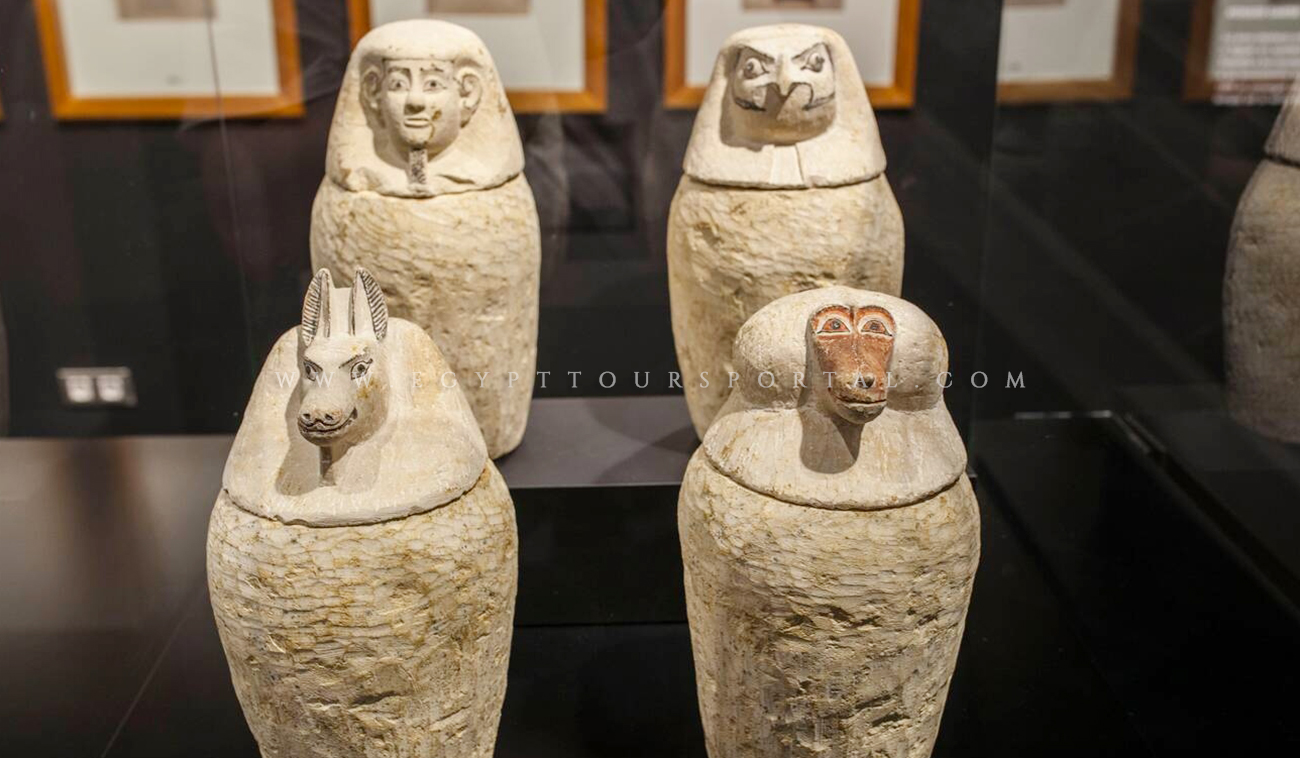
Ancient Egyptian Canopic Jars: The Science of Organ Preservation
May 15, 2026
Read More →
May 15, 2026
image_2026-05-15_160729796.png
May 15, 2026
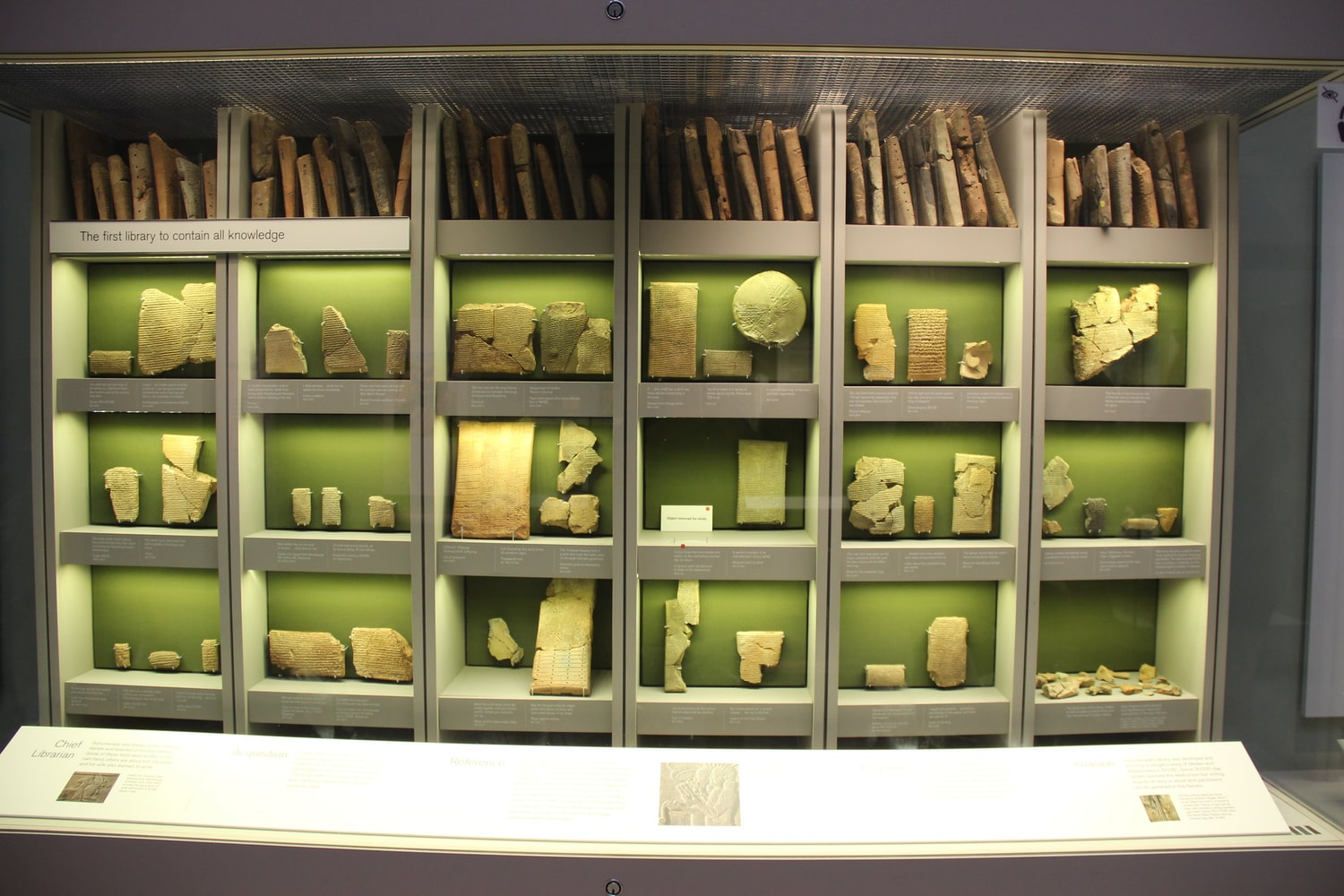
The Library of Ashurbanipal: The First Systematically Organized Collection
May 15, 2026
Read More →
May 15, 2026
image_2026-05-15_160702824.png
May 15, 2026
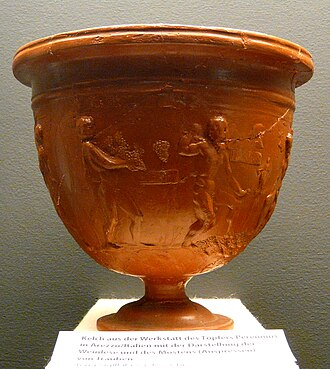
Roman Pottery: The Mass Production of Terra Sigillata
May 15, 2026
Read More →
May 15, 2026
image_2026-05-15_161100251.png
May 15, 2026
The Viking King Gorm the Old: The Jelling Stones and Danish Identity
May 15, 2026
Read More →
May 15, 2026
image_2026-05-15_160305875.png
May 15, 2026
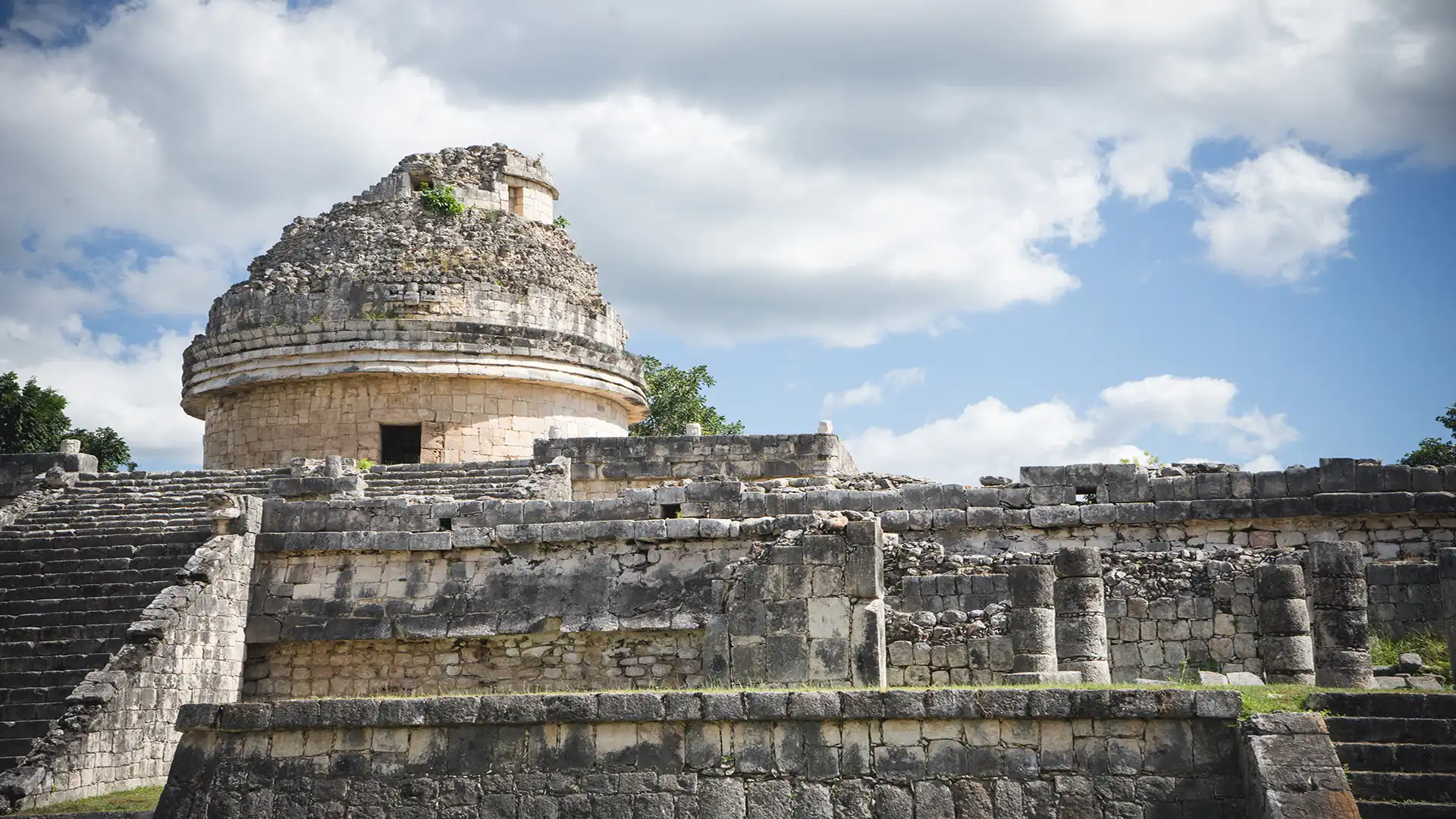
Ancient Maya Astronomy: The Alignment of the Caracol at Chichen Itza
May 15, 2026
Read More →
May 15, 2026
read more

Powered by The archaeologist