Waterfall discovery changes what we believed about evolution

Groundbreaking Discovery at Kalambo Falls Rewrites Understanding of Early Human Ingenuity
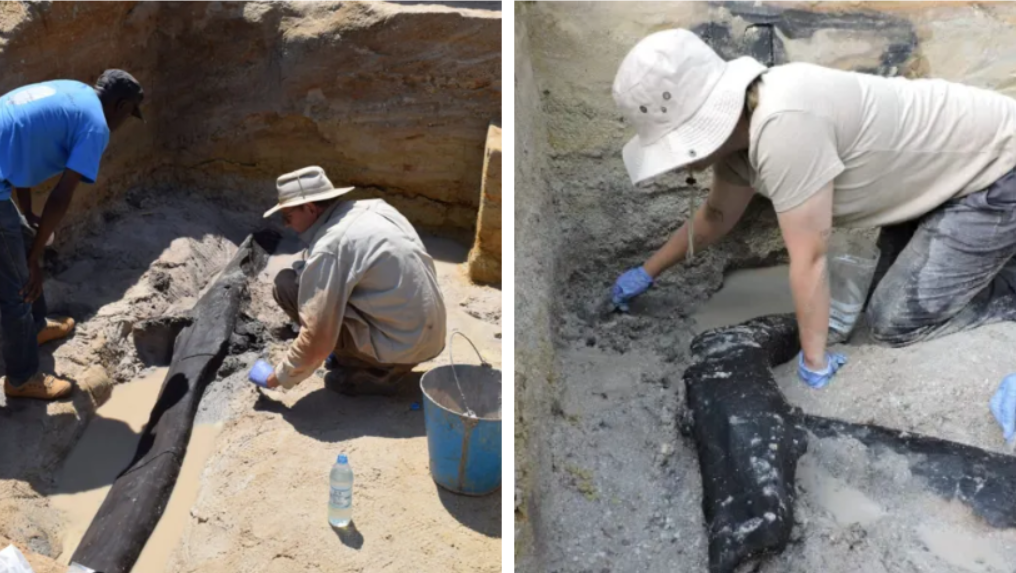
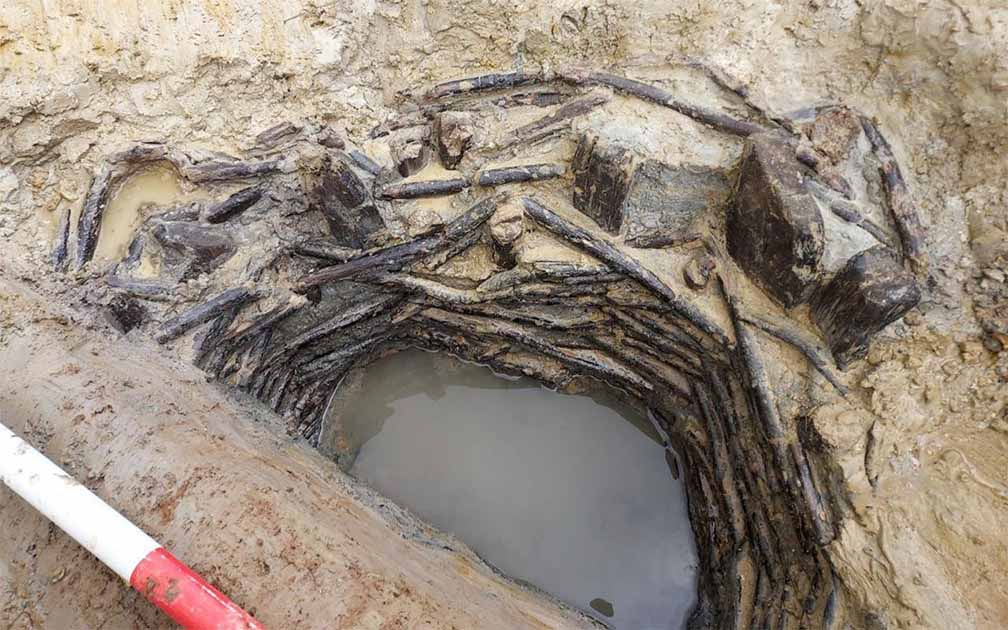
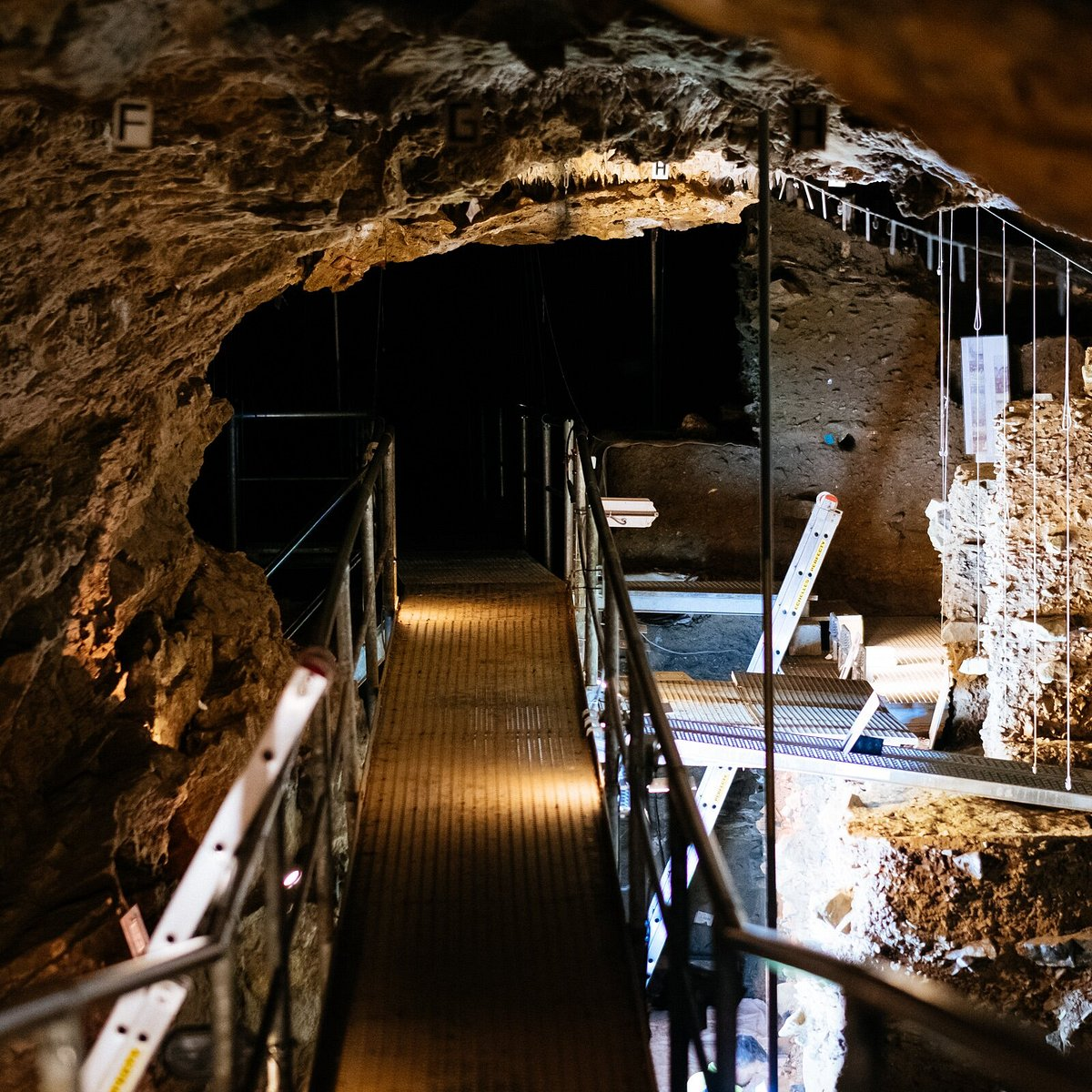
A wooden structure above a waterfall has changed our thinking of the Stone Age (Picture: Professor Larry Barham/UOL/SWNS)

A remarkable find at Zambia’s Kalambo Falls has revolutionized our understanding of the Early Stone Age, pushing the boundaries of what we believed about our ancestors' capabilities. Researchers from the University of Liverpool and Aberystwyth University unearthed the world's oldest known man-made wooden structures, dating back at least 476,000 years—predating Homo sapiens.

This discovery provides the earliest evidence of early humans deliberately shaping logs to construct complex structures, far surpassing the previous assumptions that early human use of wood was limited to simpler tools like spears or digging sticks. The well-preserved wooden remains, found due to the high water levels at Kalambo Falls, indicate that these early humans were more settled than previously thought, challenging the notion that Stone Age humans were strictly nomadic.

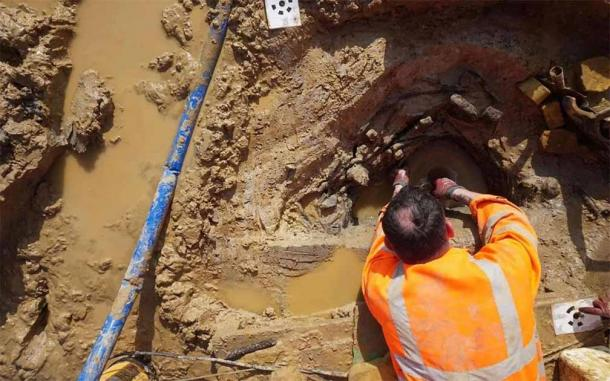
The structure could have been a platform, or possibly a dwelling (Picture: Professor Larry Barham/UOL/SWNS)

Professor Larry Barham, leader of the 'Deep Roots of Humanity' project at Liverpool University, remarked, “This discovery has profoundly changed my view of our early ancestors. It’s not just about survival; it’s about them using their intelligence and creativity to build their environment.”

The findings, featured in the journal Nature, suggest that these early humans constructed a platform or part of a dwelling, demonstrating advanced planning and craftsmanship. "They were not just survivors; they were innovators who manipulated their environment to make life more manageable," added Barham.

Aberystwyth University's Professor Geoff Duller, who helped date the find using advanced luminescence techniques, noted, "This technique allows us to push back the dates we can confirm, offering a more detailed picture of early human evolution."

The Kalambo Falls site, located on the Zambia-Tanzania border near Lake Tanganyika, is under consideration for UNESCO World Heritage status due to its significant archaeological potential, underscored by these latest findings.

This transformative discovery not only places the Kalambo Falls site in a new light but also enhances its importance as a key heritage site, promising more insights into the origins of human technology and settlement.

Discovery of Psychedelic Plants in Ancient Mayan Ballcourt Offers New Insights into Ritual Practices

Revolutionary Find at Yaxnohcah: Ancient Mayan Ballcourt Reveals Ritualistic Use of Psychedelic Plants

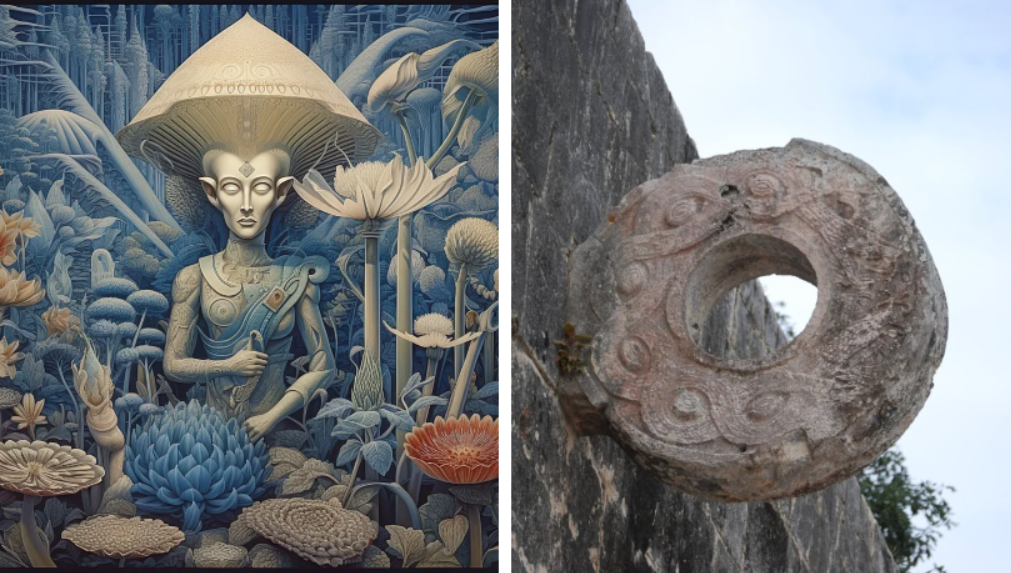
In an enlightening discovery at Yaxnohcah, an ancient Mayan city on the Yucatán Peninsula, archaeologists have unearthed evidence of ritualistic use of psychedelic and medicinal plants, dating back to the Late Preclassic period, approximately 2,000 years ago. This significant find, which was detailed in a recent study published in the journal PLOS One, underscores the integral role these plants played in Mayan religious and cultural practices.

Researchers, after conducting DNA analysis of soil samples from an elevated platform supporting a ballcourt at Yaxnohcah, identified several plants including the hallucinogenic xtabentun (Ipomoea corymbosa), lancewood (Oxandra lanceolata), chile peppers (Capsicum sp.), and jool leaves (Hampea trilobata). These plants are noted for their medicinal properties and were likely used in a bundle for rituals aimed at blessing or "christening" the ballcourt.

The discovery not only sheds light on the Mayans' sophisticated use of plant-based pharmacology but also enhances our understanding of their religious ceremonies, potentially offering new insights into ancient Mayan culture and its preservation of knowledge through natural resources.

Why Did Ancient Romans Make this Baffling Metal Dodecahedron?

Unraveling the Mystery: The Ancient Roman Dodecahedron Unearthed in England

This dodecahedron was found in Norton Disney in England and is one of the largest of its kind ever found, measuring 8 centimeters tall and weighing 254 grams.

Phil Crow/Alamy Stock Photo

In the quiet English village of Norton Disney, a remarkable discovery has captivated the archaeological community: a Roman dodecahedron, a perplexing 12-sided object crafted from a copper alloy and adorned with circular holes and protruding knobs. This discovery was made by the local Norton Disney Archaeology Group (NDAG), whose members were astonished by the artifact's exceptional condition and size—one of the largest found in Britain at 8 centimeters in height and weighing 245 grams.

Roman dodecahedra, first unearthed in the 18th century, continue to mystify experts as they are absent from ancient Roman texts and art. Over 130 examples have been found predominantly in Northern Europe, yet none in Italy, the heart of the Roman Empire. This absence in Italy further deepens the enigma surrounding their purpose, which remains speculative with theories ranging from religious artifacts to sophisticated crafting tools.

The Norton Disney dodecahedron's significance is underscored by its excellent preservation, suggesting it was a valued object. Further analyses, including an XRF (X-Ray Fluorescence) test, confirmed its composition predominantly of copper alloy, with traces of tin and lead. Plans for advanced scientific tests are underway to glean more insights.

Archaeological findings at the site, such as Iron Age pottery and a nearby Roman villa, indicate a rich historical usage of the area. This year, the NDAG aims to further excavate the site to uncover more about the mysterious dodecahedron's origins and purpose.

As the investigation continues, the intrigue surrounding this artifact only grows, promising to shed light on the sophisticated craftsmanship and perhaps the cultural significance of these enigmatic objects within the ancient Roman world.