• MAIN PAGE
  • LATEST NEWS
    • Lost Cities
    • Archaeology's Greatest Finds
    • Underwater Discoveries
    • Greatest Inventions
    • Studies
    • Blog
  • PHILOSOPHY
  • HISTORY
  • RELIGIONS
    • Africa
    • Anatolia
    • Arabian Peninsula
    • Balkan Region
    • China - East Asia
    • Europe
    • Eurasian Steppe
    • Levant
    • Mesopotamia
    • Oceania - SE Asia
    • Pre-Columbian Civilizations of America
    • Iranian Plateau - Central Asia
    • Indus Valley - South Asia
    • Japan
    • The Archaeologist Editor Group
    • Scientific Studies
    • Aegean Prehistory
    • Historical Period
    • Byzantine Middle Ages
    • Predynastic Period
    • Dynastic Period
    • Greco-Roman Egypt
  • Rome
  • PALEONTOLOGY
  • About us
Menu

The Archaeologist

  • MAIN PAGE
  • LATEST NEWS
  • DISCOVERIES
    • Lost Cities
    • Archaeology's Greatest Finds
    • Underwater Discoveries
    • Greatest Inventions
    • Studies
    • Blog
  • PHILOSOPHY
  • HISTORY
  • RELIGIONS
  • World Civilizations
    • Africa
    • Anatolia
    • Arabian Peninsula
    • Balkan Region
    • China - East Asia
    • Europe
    • Eurasian Steppe
    • Levant
    • Mesopotamia
    • Oceania - SE Asia
    • Pre-Columbian Civilizations of America
    • Iranian Plateau - Central Asia
    • Indus Valley - South Asia
    • Japan
    • The Archaeologist Editor Group
    • Scientific Studies
  • GREECE
    • Aegean Prehistory
    • Historical Period
    • Byzantine Middle Ages
  • Egypt
    • Predynastic Period
    • Dynastic Period
    • Greco-Roman Egypt
  • Rome
  • PALEONTOLOGY
  • About us
No results found

Receding waters reveals submerged ancient ruins

November 26, 2025

Ancient Structure Revealed as Lake Sapanca Waters Recede

A Hidden Building Comes to Light

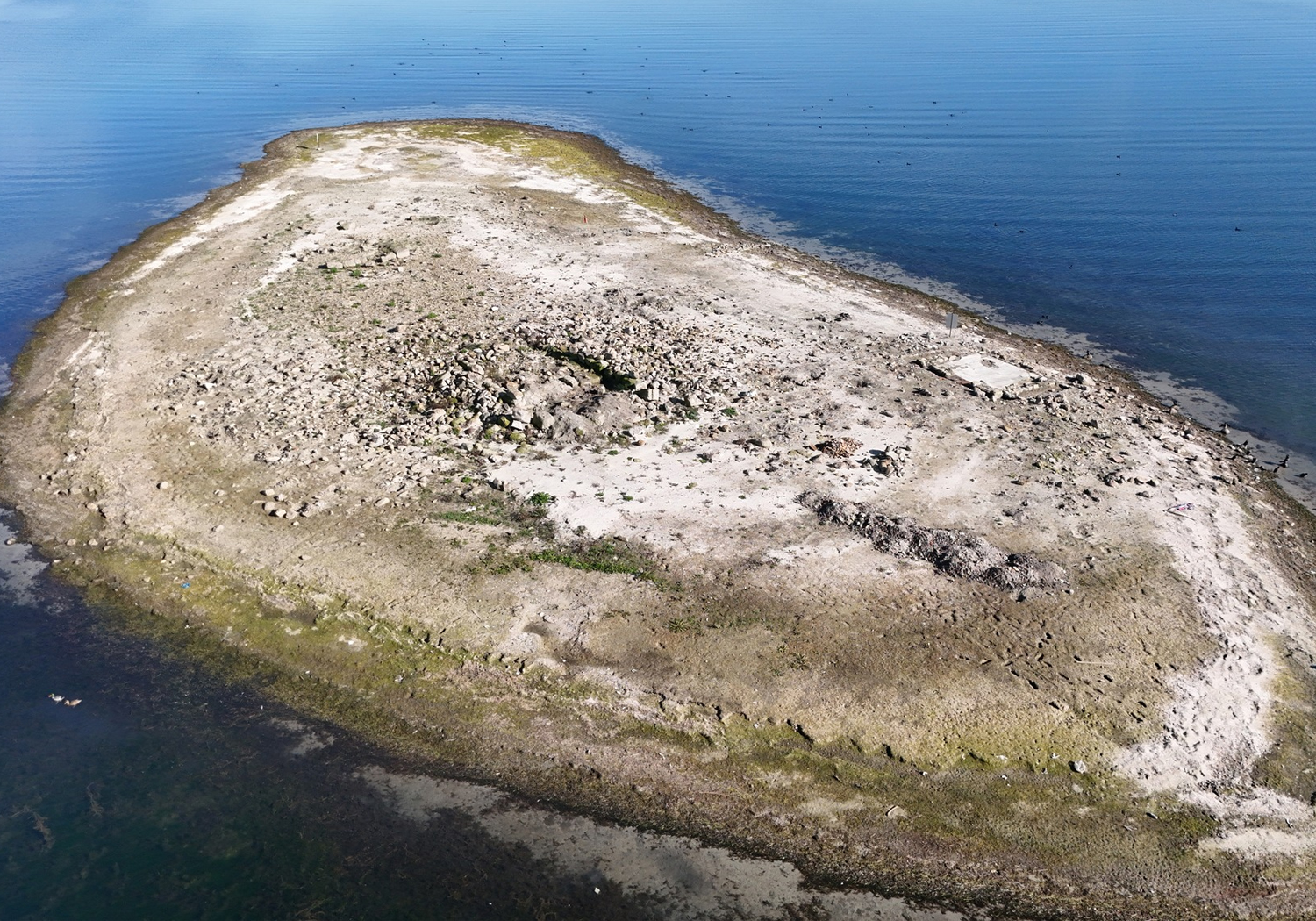
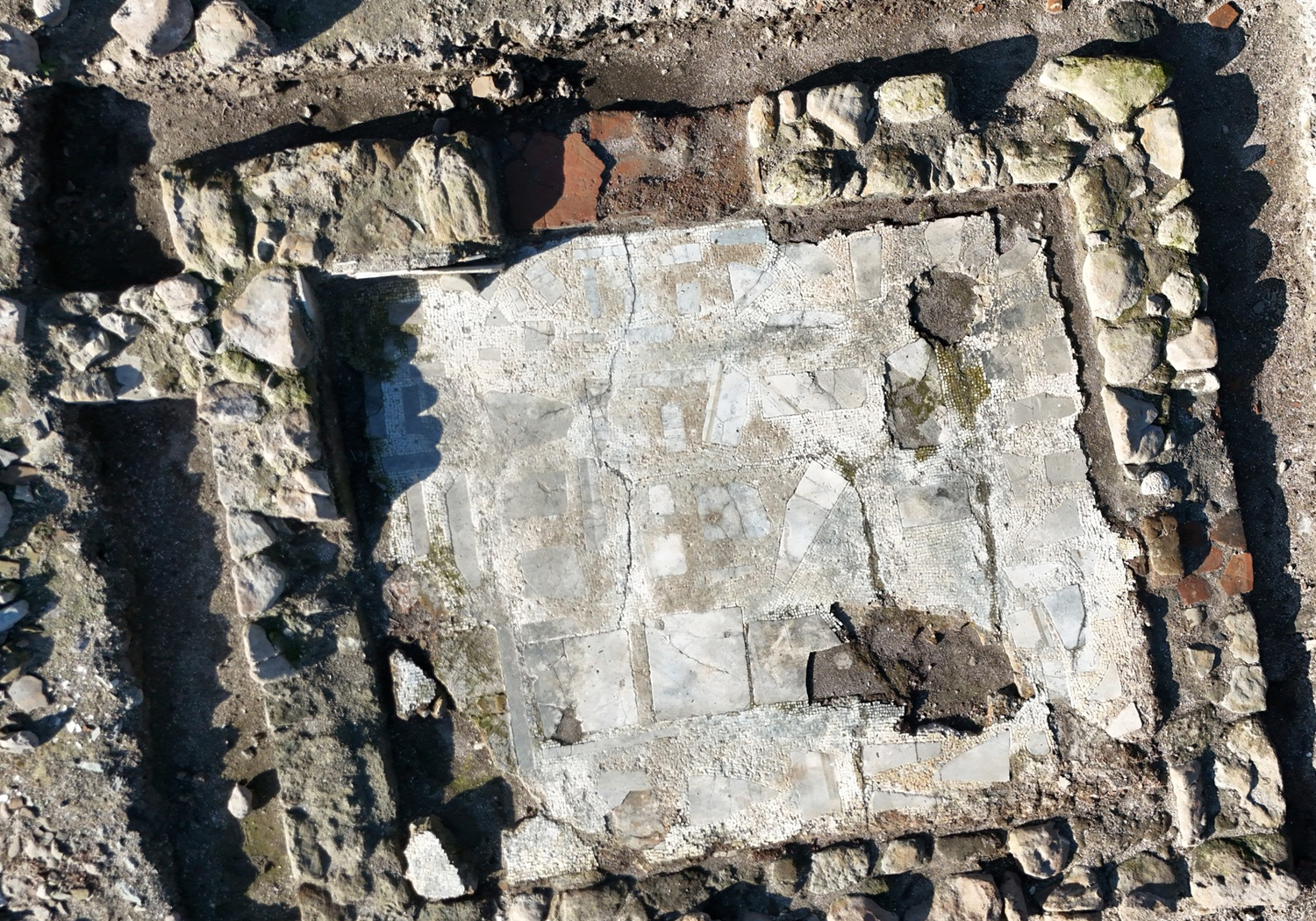
As water levels in Lake Sapanca continue to drop, an ancient structure decorated with mosaic flooring has emerged from beneath the surface.
Sapanca’s mayor, Nihat Arda Şahin, noted that local stories about submerged ruins have circulated for years, and this discovery appears to confirm them.

Possible Early Christian Chapel

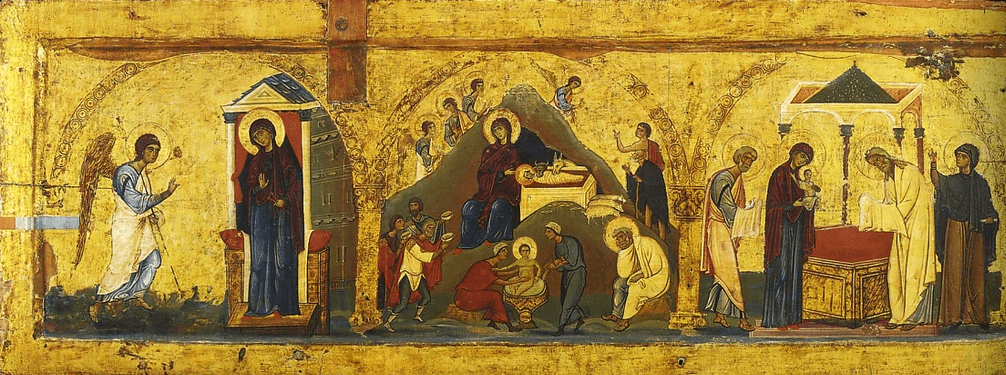
Archaeologists from Sakarya University’s Department of Art History believe the uncovered remains belong to a small chapel or early Christian church dating back to late antiquity.

Dr. Görkem Işık, who closely examined the site, explained that the structure likely dates to the 4th–6th centuries CE, based on the building technique and the design of the mosaics.

Architectural Features and Mosaic Design

The exposed building has a rectangular plan, with walls made from cut stone and marble blocks. Inside, the floor displays remnants of mosaic and marble inlays, still visible despite centuries underwater.

The surviving surface features light-colored mosaic tiles combined with larger marble pieces arranged in geometric patterns, suggesting the floor was created with artistic intention rather than for purely practical use.
Connections to Other Underwater Discoveries

Researchers have compared the Sapanca find to another famous submerged site the basilica beneath Lake Iznik.
According to Dr. Işık, the two share striking similarities in both location and architectural layout, strengthening the idea that the Sapanca structure also served a religious purpose.

How the Chapel Ended Up Underwater

The team believes that the building sank beneath the lake due to long-term natural changes in water levels.
When the structure was originally constructed, Lake Sapanca’s waterline was significantly lower. Over many centuries, rising waters gradually covered the building, eventually concealing it entirely.

Possible Links to Nearby Byzantine Sites

Experts also suggest that the chapel may have been part of a broader Byzantine-era landscape, possibly connected with nearby settlements. One likely association is the Byzantine castle at Kurtköy, which strengthens the theory that this region once hosted a network of religious and defensive structures.

Excavation Plans Moving Forward

Due to ongoing rainfall and muddy terrain, excavation efforts have been temporarily paused. Archaeologists plan to continue their work once conditions improve, likely in the spring or summer, depending on lake levels.
The Role of the Incan Road System in Empire-Building

November 25, 2025

Engineering Marvels of the Incas
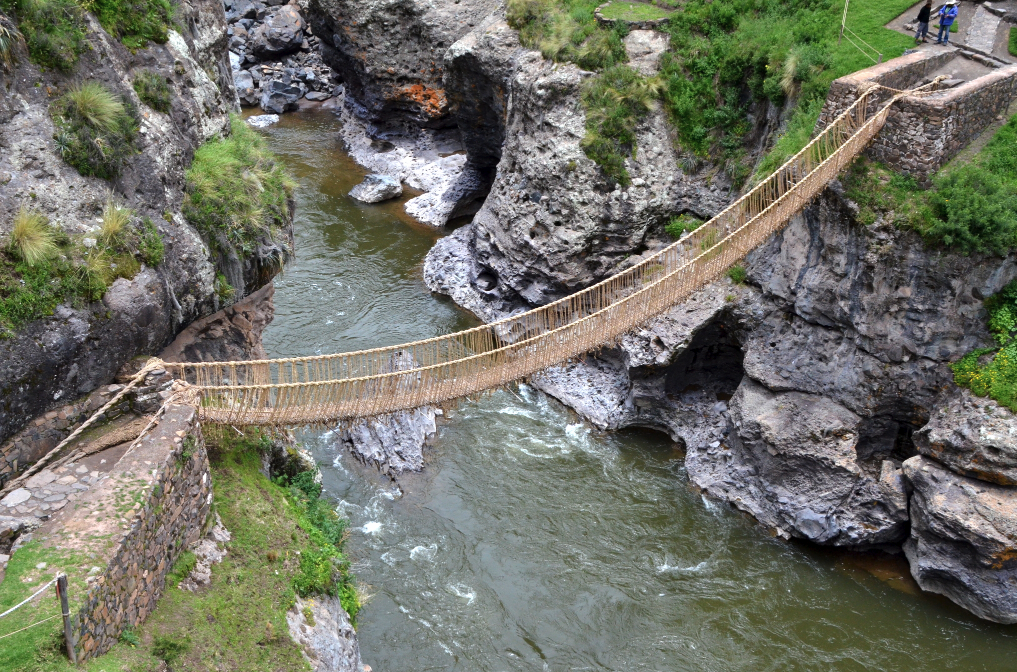
The Inca Empire, spanning much of western South America, built an extensive road network known as the Qhapaq Ñan. Stretching over 25,000 miles, these roads connected mountains, valleys, and coastal regions, enabling administrative control, trade, and military efficiency.

Construction and Design
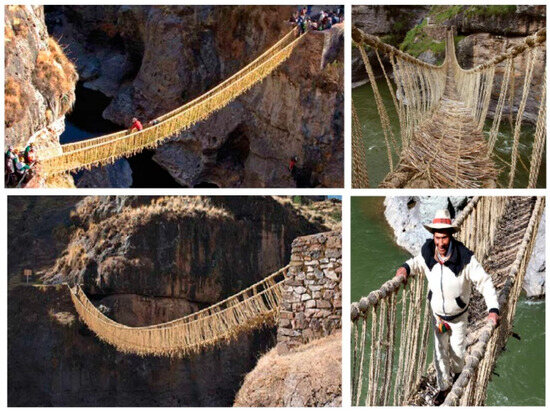
Incas engineered roads across rugged terrain using stone paving, suspension bridges, and stairways. Roads were maintained with relay stations and markers, facilitating communication through runners called chasquis. This infrastructure demonstrated remarkable adaptation to the Andes’ challenging geography.

Economic and Administrative Significance
The road system allowed the Incas to manage resources, collect tribute, and distribute goods like maize, textiles, and precious metals. It connected regional centers to Cusco, the empire’s capital, ensuring efficient governance and integration of diverse communities.

Cultural and Military Impact
Roads also supported military campaigns, troop movement, and rapid information flow. They symbolized imperial authority, unity, and technological ingenuity. Many roads remain in use today, testifying to their durability and strategic importance.

Legacy of the Incan Roads
The Incan road system exemplifies how infrastructure can consolidate power, foster trade, and unify vast territories. It remains a lasting testament to the empire’s organizational skill, engineering expertise, and vision of connectivity.

The Myth of the Trojans: Fact or Fiction?

November 25, 2025

The Trojan War
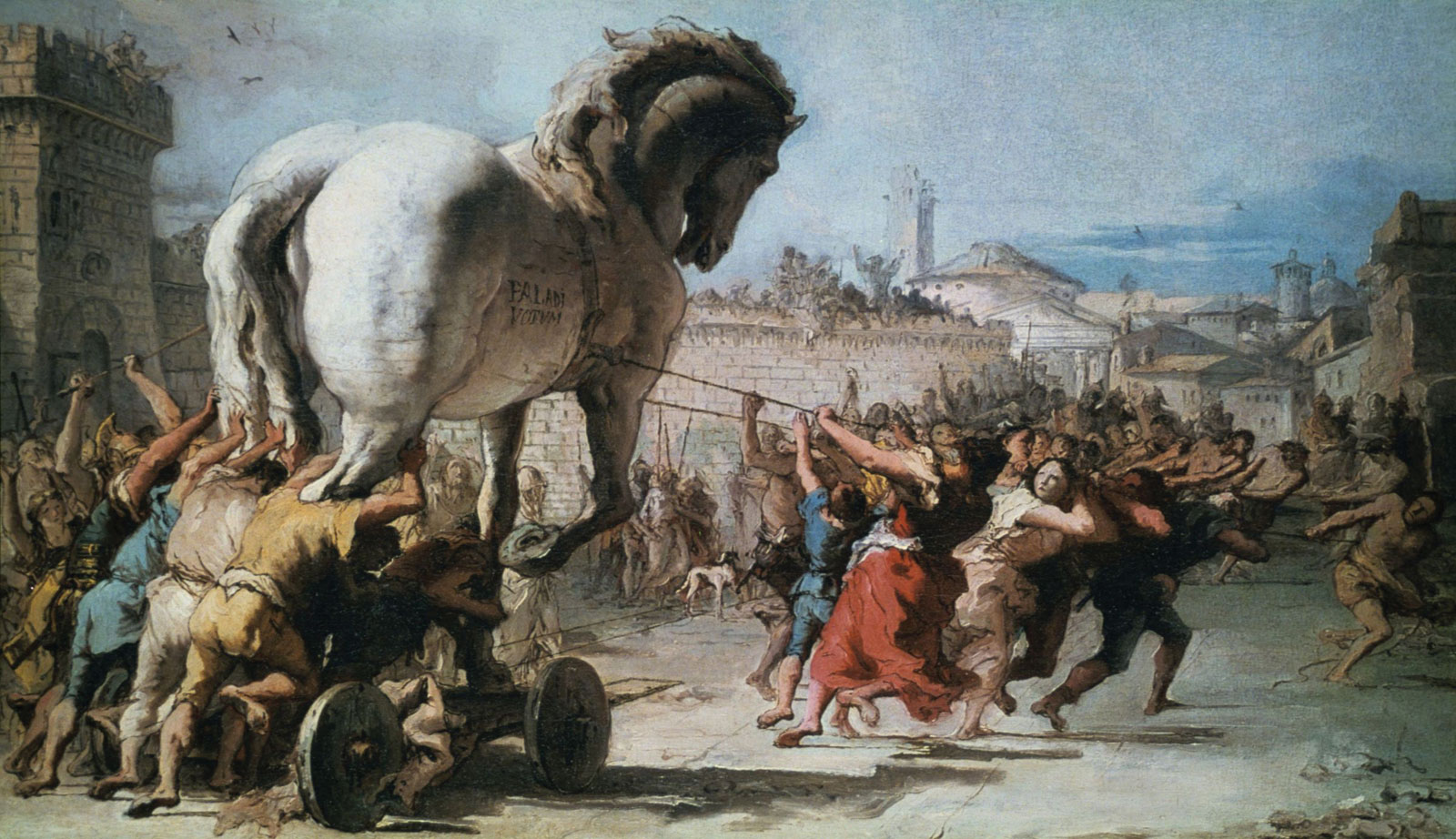
The story of the Trojan War, immortalized in Homer’s Iliad, recounts the conflict between Greek forces and the city of Troy. Heroes like Achilles, Hector, and Odysseus dominate the narrative, but historians have long debated how much is historical truth versus myth.

Archaeological Evidence
Excavations at Hisarlik, in modern-day Turkey, reveal layers of settlements dating to the Bronze Age, suggesting a city that could correspond to Troy. Destruction layers indicate warfare, lending credence to a historical basis for the epic tales.

Historical Debates
Scholars differ on whether the war was a single event, a series of conflicts, or largely legendary. Archaeology, textual analysis, and comparative mythology all contribute to reconstructing the possible reality behind the epic.

Cultural Impact
Whether factual or fictional, the Trojan myth shaped literature, art, and theater for millennia. It provides insights into ancient Greek society, values, and perceptions of heroism, honor, and fate.

Bridging Myth and History
The story of Troy illustrates how myth and history intertwine, offering lessons about culture, memory, and storytelling. Its enduring appeal lies in its universal themes of love, loyalty, conflict, and human ambition.

The Worship of Perun: The Thunder God of Slavic Mythology

November 25, 2025

Perun in Slavic Belief
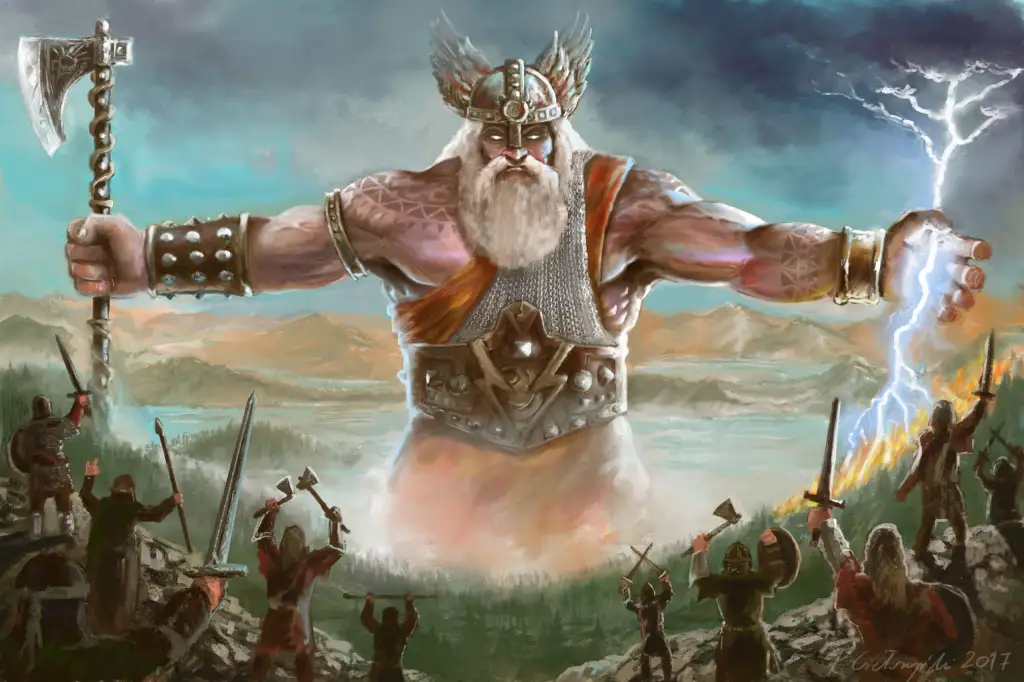
Perun, the Slavic god of thunder, lightning, and war, was a central deity in pre-Christian Eastern Europe. He ruled the skies, controlled storms, and protected communities, embodying strength, justice, and divine authority.

Mythology and Attributes
Perun is often depicted wielding an axe or hammer, striking enemies and demons with lightning. He is associated with oak trees, mountains, and rivers, symbolizing natural power and cosmic order. Legends portray him battling the serpent god Veles, representing the eternal struggle between order and chaos.

Worship and Rituals
Slavic tribes honored Perun through sacrifices, festivals, and sacred groves. Offerings included food, weapons, and libations, aimed at ensuring protection, good harvests, and victory in battle. His cult emphasized bravery, moral strength, and respect for natural forces.

Influence on Later Culture
Perun’s symbolism influenced folk tales, literature, and Christianized traditions in Eastern Europe. His attributes merged with saints like Elijah, preserving elements of pre-Christian belief in Slavic cultural memory.

Perun’s Lasting Legacy
Perun represents the human need to understand and connect with natural forces. His worship reflects the fusion of mythology, morality, and the awe-inspiring power of nature, leaving a lasting imprint on Slavic culture.

The Role of the Hanging Gardens of Babylon in Ancient Wonders

November 25, 2025

Mystery and Wonder
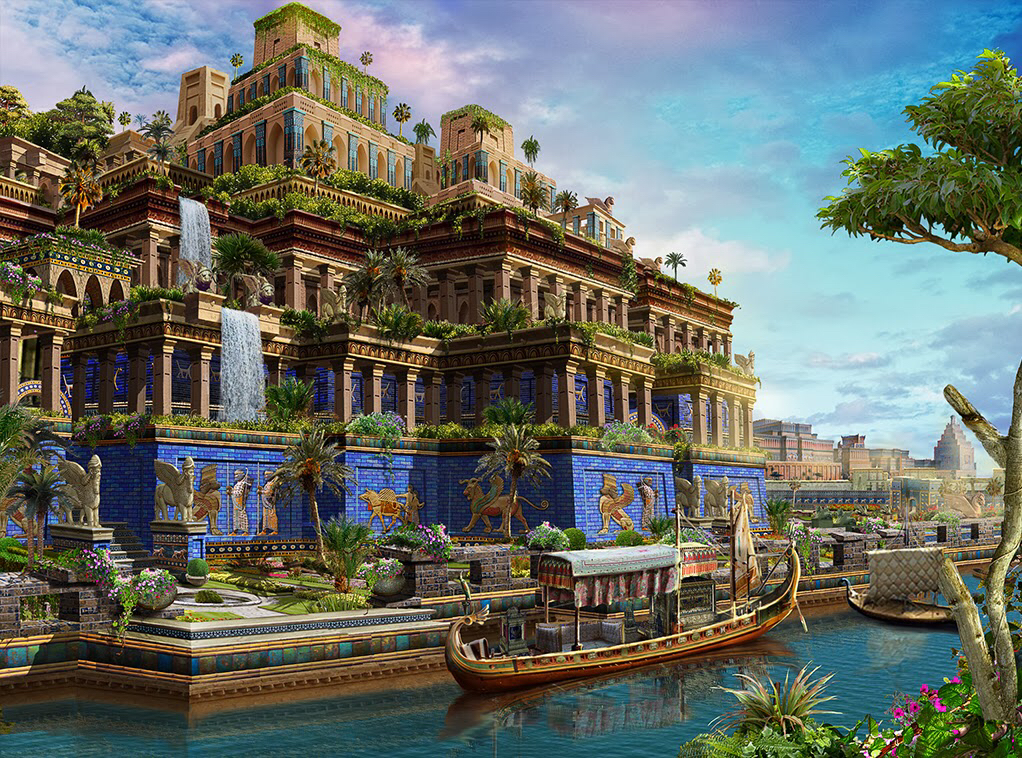
The Hanging Gardens of Babylon, one of the Seven Wonders of the Ancient World, captivate imaginations with tales of lush terraces, flowing water, and architectural genius. Built in ancient Mesopotamia, these gardens exemplified the ingenuity and aesthetic vision of early civilizations.

Construction and Legends
Ancient sources credit Nebuchadnezzar II, king of Babylon, with creating the gardens for his wife, Amytis, who longed for the green hills of her homeland. While their existence is debated, descriptions suggest multi-tiered gardens with intricate irrigation, demonstrating early mastery of engineering and design.

Cultural Significance
The gardens symbolize human creativity and the desire to harmonize nature with urban life. They also reflect Babylonian society’s sophistication, political power, and artistic sensibilities. Scholars view the gardens as a testament to the intersection of mythology, architecture, and landscape design.

Historical Debates and Archaeology
Despite centuries of study, no definitive archaeological evidence confirms the gardens’ existence at Babylon. Some researchers suggest alternative locations or symbolic interpretations. Whether literal or mythical, the gardens continue to inspire scholars, artists, and writers worldwide.

Enduring Fascination
The Hanging Gardens of Babylon, real or legendary, remain a symbol of human ambition, creativity, and the desire to merge beauty and function. They continue to inspire awe, bridging history, imagination, and architectural ingenuity.

The Myth of the Homunculus: Alchemical Man-Made Life

November 25, 2025

The Homunculus in Alchemy
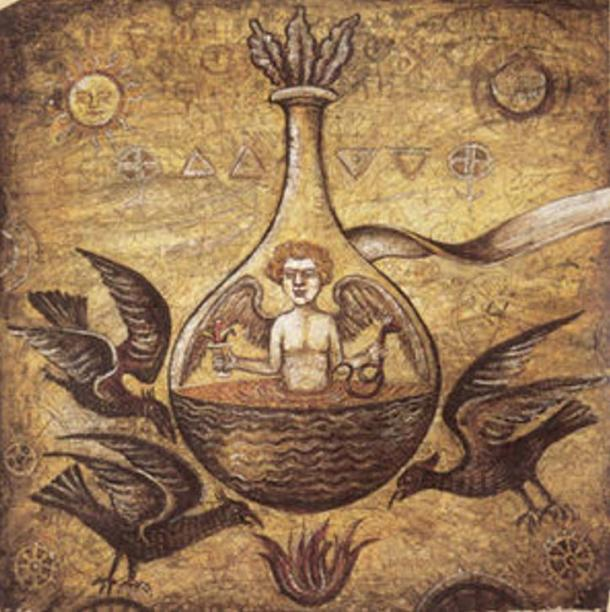
The homunculus is a legendary artificial human created through alchemical processes, representing humanity’s fascination with controlling life. Emerging in medieval European alchemy, the concept blends science, philosophy, and mysticism, highlighting the desire to understand and replicate the mysteries of creation.

Origins and Descriptions
Alchemists like Paracelsus described the homunculus as a tiny, fully formed human, often created from human or animal material and nurtured with secret methods. Legends claim these beings could possess supernatural powers, intelligence, or even immortality.

Symbolism and Cultural Meaning
The homunculus symbolizes human ambition, the pursuit of knowledge, and ethical dilemmas surrounding creation. It also serves as a metaphor for personal transformation, the alchemical process of refinement, and the blurred line between nature and artifice.

Influence on Literature and Popular Culture
The homunculus concept influenced works of literature, from Goethe’s Faust to modern science fiction. It appears in novels, films, and games, exploring themes of artificial life, ethics, and the consequences of playing god.

Legacy of the Homunculus
Though alchemical in origin, the homunculus remains a compelling figure symbolizing creativity, curiosity, and the limits of human knowledge. Its legacy endures in science, literature, and philosophical thought on life and creation.

The Worship of Kali: The Fierce Goddess of Destruction and Time

November 25, 2025

Kali in Hinduism
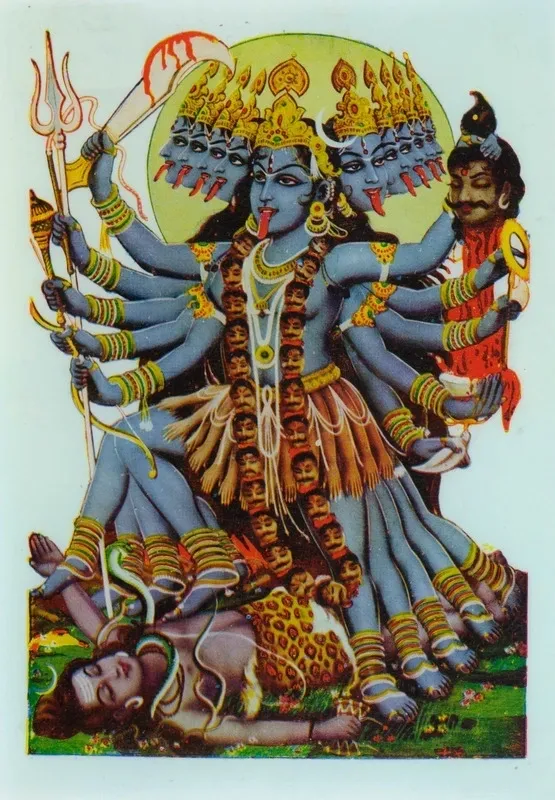
Kali is a powerful goddess in Hinduism, representing destruction, time, and transformation. Often portrayed with dark skin, multiple arms, and a fierce demeanor, she embodies the destruction of evil and ignorance, as well as the cyclical nature of creation and renewal.

Myths and Legends
Kali is often depicted battling demons, including the notorious Raktabija. In these myths, her ferocity ensures that evil cannot survive, while her devotees learn the importance of courage and moral strength. Despite her fearsome appearance, Kali also symbolizes maternal protection and spiritual liberation.

Rituals and Worship
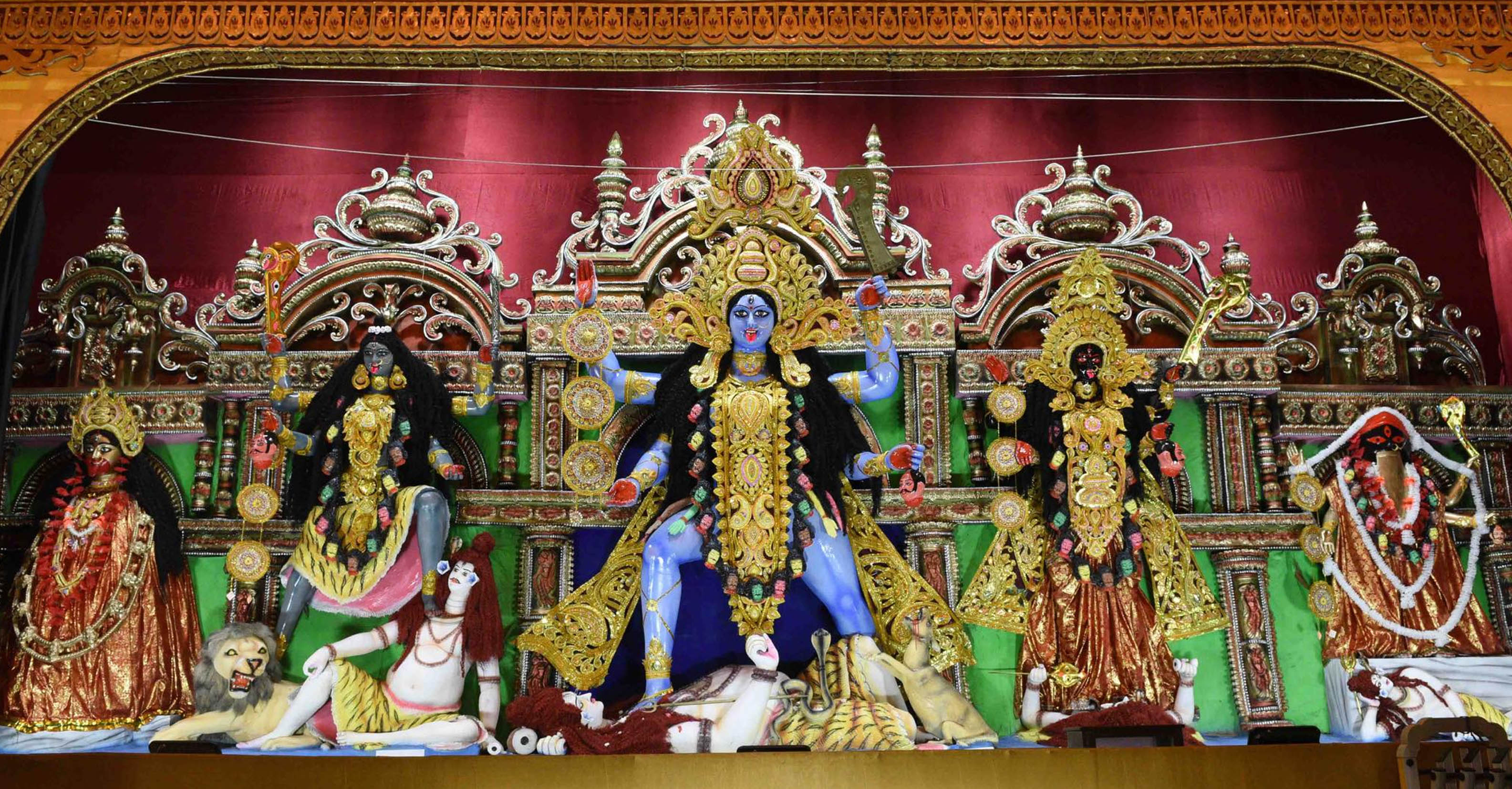
Kali is worshiped through festivals such as Kali Puja and Durga Puja, especially in Bengal. Devotees offer prayers, flowers, and symbolic sacrifices to seek her blessings for protection, courage, and liberation from fear. Temples dedicated to Kali, such as the Kalighat Temple in Kolkata, serve as spiritual centers for worshippers.

Cultural and Symbolic Influence
Kali’s imagery and symbolism extend into Indian art, literature, and performance. She embodies both destruction and renewal, teaching that endings are necessary for growth. Her dual nature as fierce destroyer and loving mother reflects the complex understanding of life, death, and time in Hindu thought.

Kali’s Spiritual Significance
Kali remains a profound symbol of transformation, courage, and spiritual insight. Worshiping her is both a ritual and a philosophical exercise, reminding humanity of the balance between destruction and creation, fear and devotion.

The Role of the Samurai Code: Bushido and Honor

November 25, 2025

The Philosophy of Bushido
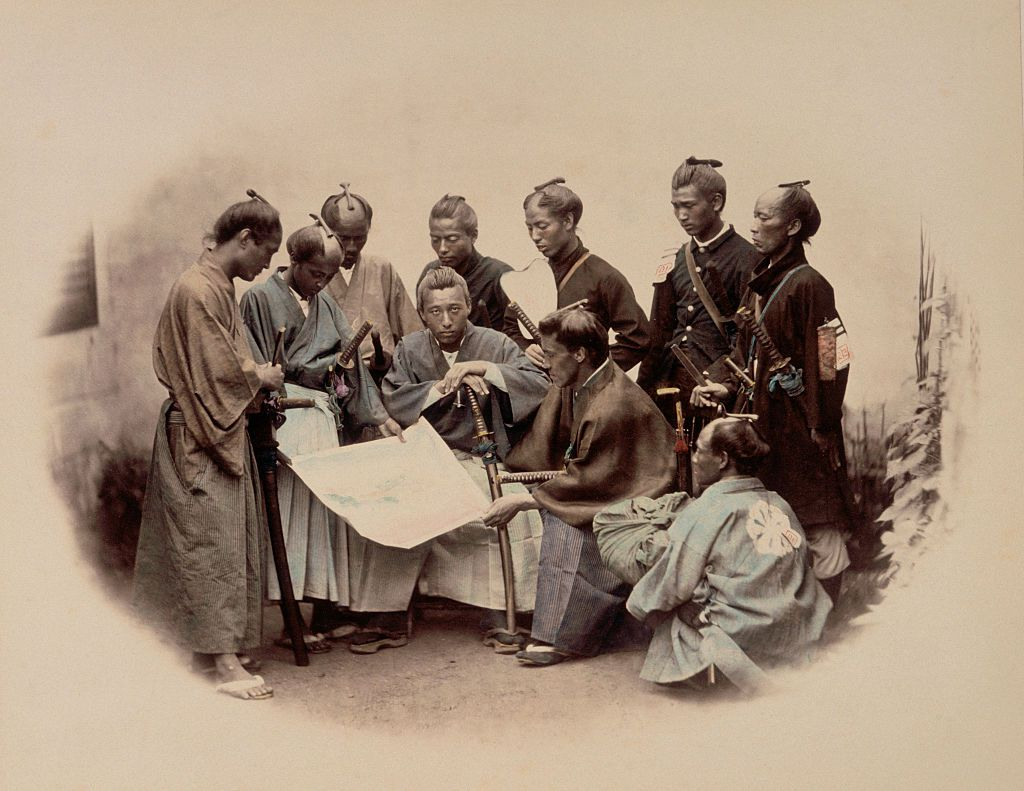
Bushido, meaning “the way of the warrior,” is the ethical code that guided Japan’s samurai class. Rooted in Confucianism, Shinto, and Zen Buddhism, Bushido emphasizes loyalty, honor, courage, and self-discipline, shaping the social, political, and military culture of feudal Japan.

Core Principles
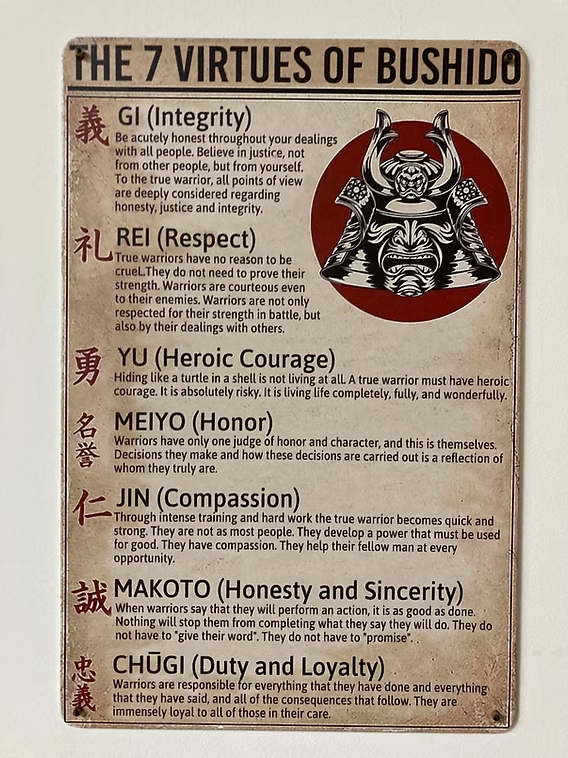
Bushido revolves around several key virtues:

  • Loyalty – Absolute devotion to one’s lord, clan, or master.

  • Honor – Upholding personal and family reputation at all costs.

  • Courage – Facing danger or death without fear.

  • Compassion/Benevolence – Protecting the weak and using strength for good.

  • Integrity – Always acting truthfully and morally.

  • Respect/Politeness – Showing courtesy to others, regardless of status.

  • Self-Control/Discipline – Mastering emotions, desires, and actions to maintain balance.

Bushido in Daily Life and Warfare
Samurai applied Bushido not only on the battlefield but also in governance, education, and personal conduct. Rituals such as seppuku (honorable suicide) reflected the extreme dedication to honor, while training in martial arts, strategy, and philosophy reinforced the ethical code.

Legacy in Modern Japan
Even after the decline of the samurai, Bushido influenced modern Japanese values, from corporate culture to sportsmanship. Concepts of discipline, respect, and loyalty remain embedded in society, demonstrating the lasting impact of the samurai code.

Bushido’s Enduring Influence
Bushido exemplifies the fusion of ethics, martial skill, and cultural identity. Its teachings continue to inspire respect for discipline, honor, and moral integrity, bridging medieval and contemporary Japanese society.

The Myth of the Roc: The Giant Bird of Arabian Nights

November 25, 2025

Origins of the Roc Legend
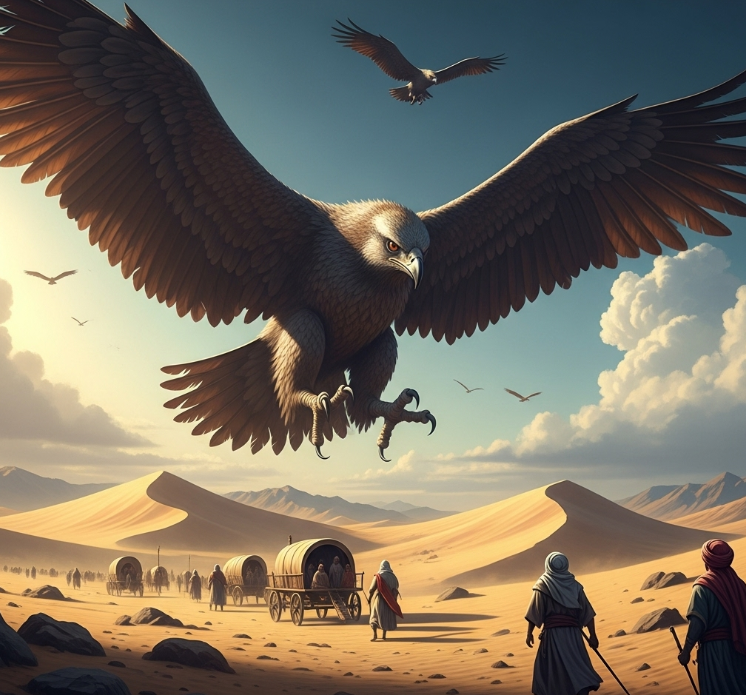
The Roc is a legendary giant bird featured in Middle Eastern folklore, most famously in the Arabian Nights. Known for its enormous size and immense strength, the Roc is often depicted as capable of lifting elephants or ships with ease. Its legend captures the human imagination, blending wonder, fear, and the allure of the unknown.

Legends and Stories
In the tales of Sinbad the Sailor, the Roc appears as a formidable force of nature, both protector and threat. Stories describe it nesting on remote islands, swooping down to seize large animals, and demonstrating intelligence and power beyond ordinary birds. Such narratives may have been inspired by sightings of large birds of prey, like the extinct Aepyornis (elephant bird) of Madagascar.

Cultural Significance
The Roc symbolizes both nature’s grandeur and human curiosity. It embodies the awe and danger of the unknown world, often representing challenges that heroes must overcome. The myth also reflects early trade and exploration between the Middle East, Africa, and Asia, where travelers’ tales merged with local folklore.

Modern References
Today, the Roc continues to inspire literature, games, and films. It appears in fantasy novels, role-playing games, and movies, highlighting its lasting cultural resonance and the universal fascination with enormous, mythical creatures.

The Enduring Legacy of the Roc
The Roc remains a powerful symbol of strength, mystery, and human imagination. From medieval Arabic storytelling to contemporary fantasy, it exemplifies how myths preserve cultural memory while igniting creativity across generations.

The Worship of Osiris: The God of the Underworld

November 25, 2025

Osiris in Egyptian Mythology
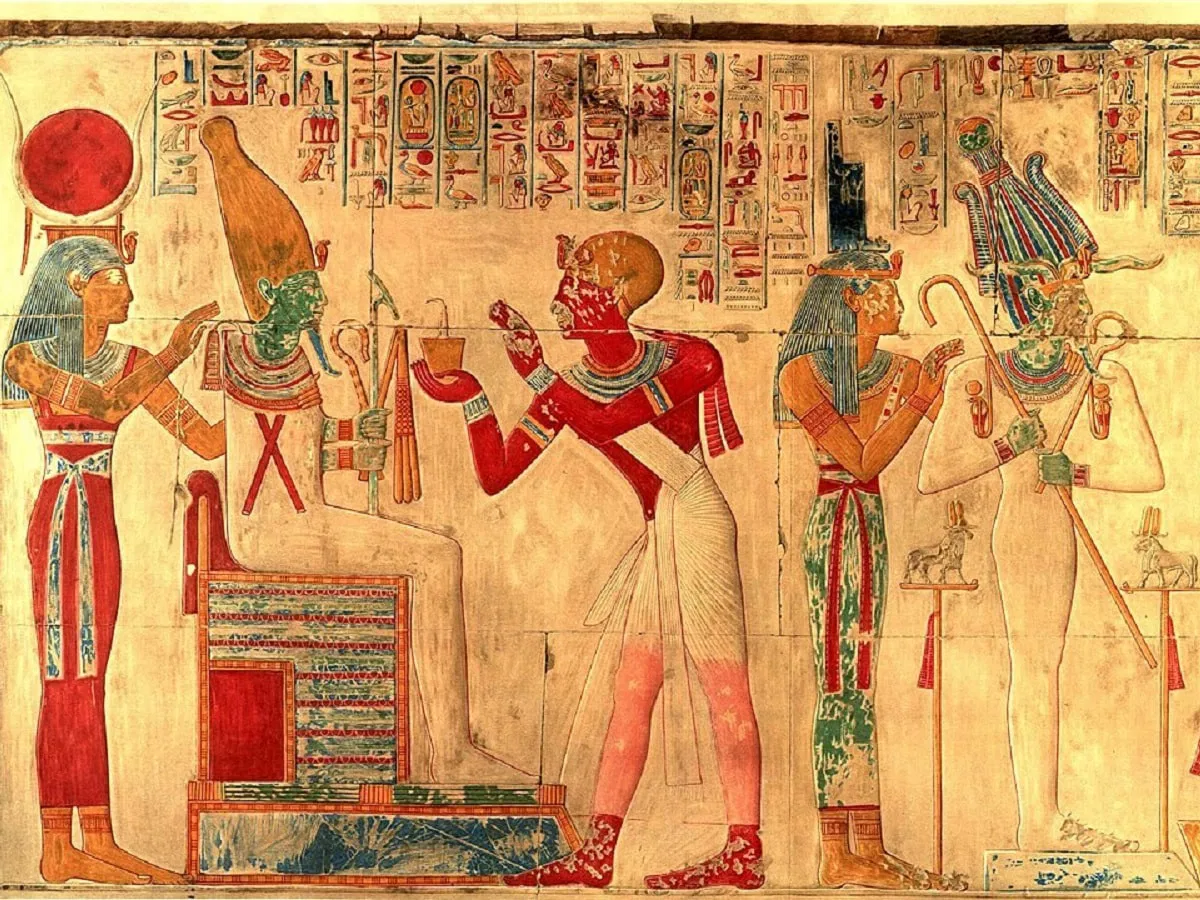
Osiris is one of the most important deities in ancient Egyptian religion, revered as the god of the underworld, resurrection, and eternal life. He symbolizes death and rebirth, moral judgment, and the cyclical nature of life and agriculture.

Myths and Stories
According to legend, Osiris was murdered by his brother Seth, who desired his throne. Osiris’ wife, Isis, restored him to life using magic, allowing him to rule the underworld. Their son, Horus, avenged his father, symbolizing justice and divine succession. These myths reinforced moral codes, kingship legitimacy, and the eternal struggle between order and chaos.

Rituals and Worship
Ancient Egyptians celebrated Osiris through elaborate ceremonies, including the Mysteries of Osiris, which reenacted his death and resurrection. Funerary rituals and offerings to Osiris aimed to secure safe passage to the afterlife. Temples across Egypt, such as in Abydos, were dedicated to him, serving as pilgrimage centers.

Cultural Influence
Osiris influenced Egyptian art, literature, and religious thought. His imagery appears in tomb paintings, sculptures, and amulets, reinforcing hope for immortality and moral living. His narrative inspired later religious traditions and remains a symbol of life, death, and regeneration.

Osiris’ Lasting Significance
Osiris embodies the human fascination with mortality, justice, and the afterlife. His worship highlights the enduring human desire to understand life, death, and moral order, leaving a legacy that transcends time and culture.

The Role of the Byzantine Empire in Preserving Knowledge

November 25, 2025

Byzantium as a Cultural Guardian
The Byzantine Empire, also known as the Eastern Roman Empire, existed from 330 CE to 1453 CE, centered in Constantinople. Beyond its political and military significance, Byzantium played a crucial role in preserving the knowledge and cultural heritage of classical Greece and Rome, ensuring that ancient wisdom survived into the modern era.

Preservation of Classical Texts
Byzantine scholars copied, annotated, and stored countless works of philosophy, science, mathematics, and literature. Manuscripts by Aristotle, Plato, Hippocrates, and Galen were meticulously preserved in monasteries and libraries, safeguarding ideas that might have otherwise been lost during the fall of the Western Roman Empire.

Education and Scholarship
The Byzantines valued education, establishing institutions that trained scholars in philosophy, theology, law, and medicine. Figures like Michael Psellos and Photios of Constantinople contributed significantly to intellectual life, translating and commenting on classical texts and producing new philosophical works.

Cultural and Artistic Contributions
Byzantium fused classical heritage with Christian culture, influencing architecture, iconography, and literature. The Hagia Sophia, mosaics, and illuminated manuscripts reflect the empire’s dedication to intellectual and artistic achievement.

Impact on Europe and the Renaissance
Byzantine scholars fleeing the empire during its fall in 1453 brought manuscripts and knowledge to Western Europe, fueling the Renaissance. Their efforts ensured that Greek philosophy, Roman law, and scientific principles reentered European intellectual life.

Byzantium’s Enduring Legacy
The Byzantine Empire’s preservation of knowledge shaped the course of Western civilization. Its scholars and institutions bridged antiquity and modernity, proving that the survival of ideas depends on careful stewardship, dedication, and cultural continuity.

The Myth of the Wendigo: A Terrifying Spirit of the North

November 25, 2025

Origins of the Wendigo Legend
The Wendigo is a fearsome creature rooted in the folklore of Native American tribes in the northern forests, particularly among the Algonquian-speaking peoples of Canada and the northern United States. It is often depicted as a malevolent spirit or cannibalistic monster that embodies greed, gluttony, and insatiable hunger, symbolizing the dangers of isolation and moral corruption in harsh environments.

Appearance and Behavior
Legends describe the Wendigo as gaunt and towering, with elongated limbs, sunken eyes, and a skeletal frame, representing starvation and the consequences of unchecked desire. Some accounts portray it as a human possessed by the spirit of the Wendigo, illustrating how fear, survival instincts, and moral failings can transform ordinary humans into monsters.

Cultural Significance
The Wendigo serves as both a cautionary tale and a spiritual warning. In harsh winters, the myth discouraged cannibalism among starving communities and reinforced social norms around sharing and cooperation. Beyond survival, the Wendigo embodies spiritual lessons about greed, selfishness, and the dangers of losing one’s humanity.

Modern Interpretations
Today, the Wendigo appears in literature, film, and video games as a symbol of horror and psychological tension. Works like Algernon Blackwood’s The Wendigo and modern horror media have popularized the legend, demonstrating its lasting cultural resonance. Psychologists have even referenced “Wendigo psychosis” to describe extreme cases of fear and obsession with cannibalism in isolated communities.

Legacy of the Wendigo
The Wendigo myth endures as a powerful narrative of human survival, morality, and fear. It bridges folklore, culture, and modern storytelling, reminding us of the thin line between humanity and savagery when faced with the extremes of nature.

The Worship of Vishnu: The Preserver of the Universe

November 25, 2025

Vishnu in Hinduism
Vishnu, one of the principal deities of Hinduism, is revered as the Preserver of the Universe, tasked with maintaining cosmic order and protecting humanity from chaos. Alongside Brahma, the Creator, and Shiva, the Destroyer, Vishnu forms the Hindu trinity, known as the Trimurti. Devotees consider him compassionate, benevolent, and eternally present, intervening whenever dharma—the cosmic law of righteousness—is threatened.

The Ten Avatars of Vishnu
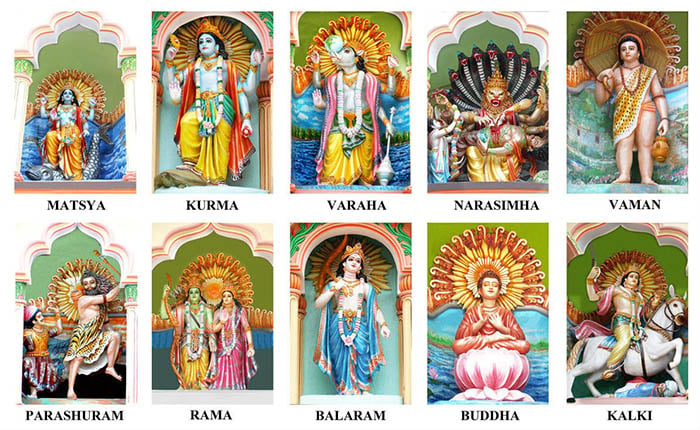
Vishnu is best known for his ten avatars, or incarnations, which descend to Earth in times of crisis to restore balance. These avatars include:

  1. Matsya (the Fish): Saved humanity and sacred texts from a great flood.

  2. Kurma (the Tortoise): Supported Mount Mandara during the churning of the ocean of milk.

  3. Varaha (the Boar): Rescued the Earth from a demon who had submerged it in the ocean.

  4. Narasimha (the Man-Lion): Defeated the tyrant demon Hiranyakashipu to protect his devotee Prahlada.

  5. Vamana (the Dwarf): Subdued the demon king Bali through wit and humility.

  6. Parashurama (the Warrior Sage): Restored justice by challenging corrupt rulers.

  7. Rama (the Prince of Ayodhya): Hero of the epic Ramayana, embodying virtue and dharma.

  8. Krishna: Central figure in the Mahabharata and the Bhagavad Gita, representing divine love, wisdom, and guidance.

  9. Buddha (in some traditions): Taught compassion and non-violence.

  10. Kalki (the Future Warrior): Yet to appear, will bring an end to corruption and restore righteousness.

These avatars illustrate Vishnu’s role as a protector and preserver, demonstrating that divine intervention adapts to the needs of each era.

Vishnu in Religious Texts
Vishnu appears extensively in Hindu scriptures, including the Vedas, Puranas, and epics like the Ramayana and Mahabharata. The Bhagavad Gita, a dialogue between Krishna (an avatar of Vishnu) and the warrior Arjuna, provides profound philosophical guidance, emphasizing dharma, devotion, and righteous action. Vishnu’s narratives often convey moral lessons, illustrating the importance of virtue, duty, and compassion.

Temples and Worship Practices
Temples dedicated to Vishnu, known as Vaishnava temples, are found across India and Southeast Asia. Famous examples include the Vishnu Temple at Tirupati in Andhra Pradesh and the Padmanabhaswamy Temple in Kerala. Devotees engage in rituals such as chanting mantras, offering flowers and food, and performing puja ceremonies, seeking protection, guidance, and spiritual growth. Festivals like Vaikuntha Ekadashi and Krishna Janmashtami celebrate his incarnations with devotion, music, dance, and storytelling.

Vishnu’s Cultural and Philosophical Influence
Beyond religion, Vishnu has influenced Indian art, sculpture, music, and literature. His avatars inspire countless works of classical dance, drama, and folk storytelling. Philosophically, Vishnu embodies the concept of preservation through balance, teaching that moral order is essential for personal and societal harmony.

Conclusion: Enduring Significance
Vishnu’s worship has endured for thousands of years, guiding millions of devotees and shaping Hindu culture. Through his avatars, teachings, and festivals, Vishnu represents the timeless principle that goodness, justice, and order can prevail even in the face of adversity. His legacy continues to inspire spiritual reflection, artistic expression, and cultural identity worldwide.

The Role of the Assyrian Empire in Shaping the Ancient World

November 25, 2025

A Military Powerhouse
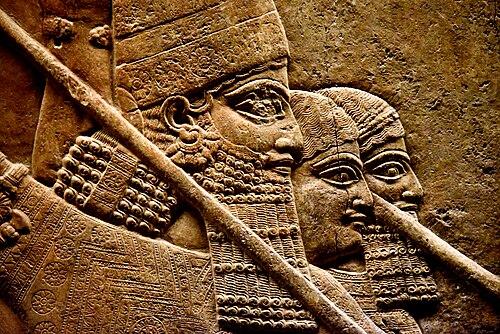
The Assyrian Empire, at its height from the 9th to 7th centuries BCE, was one of the most formidable empires of the ancient Near East. Renowned for its disciplined army and innovative tactics, it controlled vast territories through both conquest and administration.

Military Innovations
Assyrian forces used iron weapons, chariots, cavalry, and siege techniques that gave them a strategic advantage. Their ability to organize large-scale campaigns and supply troops across long distances allowed them to expand rapidly and maintain control over conquered regions.

Administration and Governance
Beyond military might, the Assyrians developed sophisticated administrative systems. Provincial governors, tax collection, and communication networks ensured effective management of their empire. They also used propaganda, art, and monumental architecture to reinforce authority and unify diverse populations.

Cultural and Historical Influence
The Assyrian Empire shaped the political and cultural landscape of the ancient Near East. Its innovations in warfare, governance, and infrastructure influenced later civilizations, including the Babylonians, Persians, and beyond. The empire’s legacy endures in archaeology, historical records, and studies of early imperial systems.

The Myth of the Minotaur: The Labyrinth of Crete

November 25, 2025

The Legend of the Minotaur
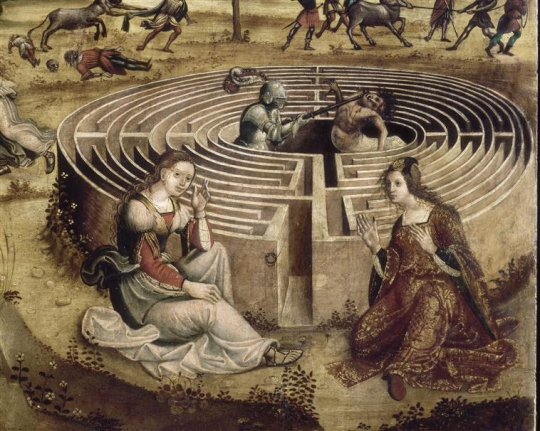
The Minotaur, a creature with the body of a man and the head of a bull, is one of Greek mythology’s most famous monsters. According to legend, King Minos of Crete kept the creature in a labyrinth designed by Daedalus, a maze so complex that escape was nearly impossible.

King Minos and the Labyrinth
Minos demanded tributes from Athens, including young men and women to be sent as sacrifices to the Minotaur. These stories reflect themes of power, punishment, and human courage in Greek myth. The hero Theseus eventually slayed the Minotaur, symbolizing triumph over chaos and fear.

Historical Connections
The myth may be linked to the Minoan civilization and the palace at Knossos, which had elaborate, maze-like architecture. Some scholars argue that the legend reflects cultural practices, rituals, or political control in ancient Crete.

Enduring Impact
The Minotaur remains a potent symbol in literature, psychology, and popular culture, representing the battle between human intellect and primal instinct, as well as the challenge of navigating complex and dangerous situations.

The Worship of Dionysus: The God of Wine and Ecstasy

November 25, 2025

The God of Wine and Celebration
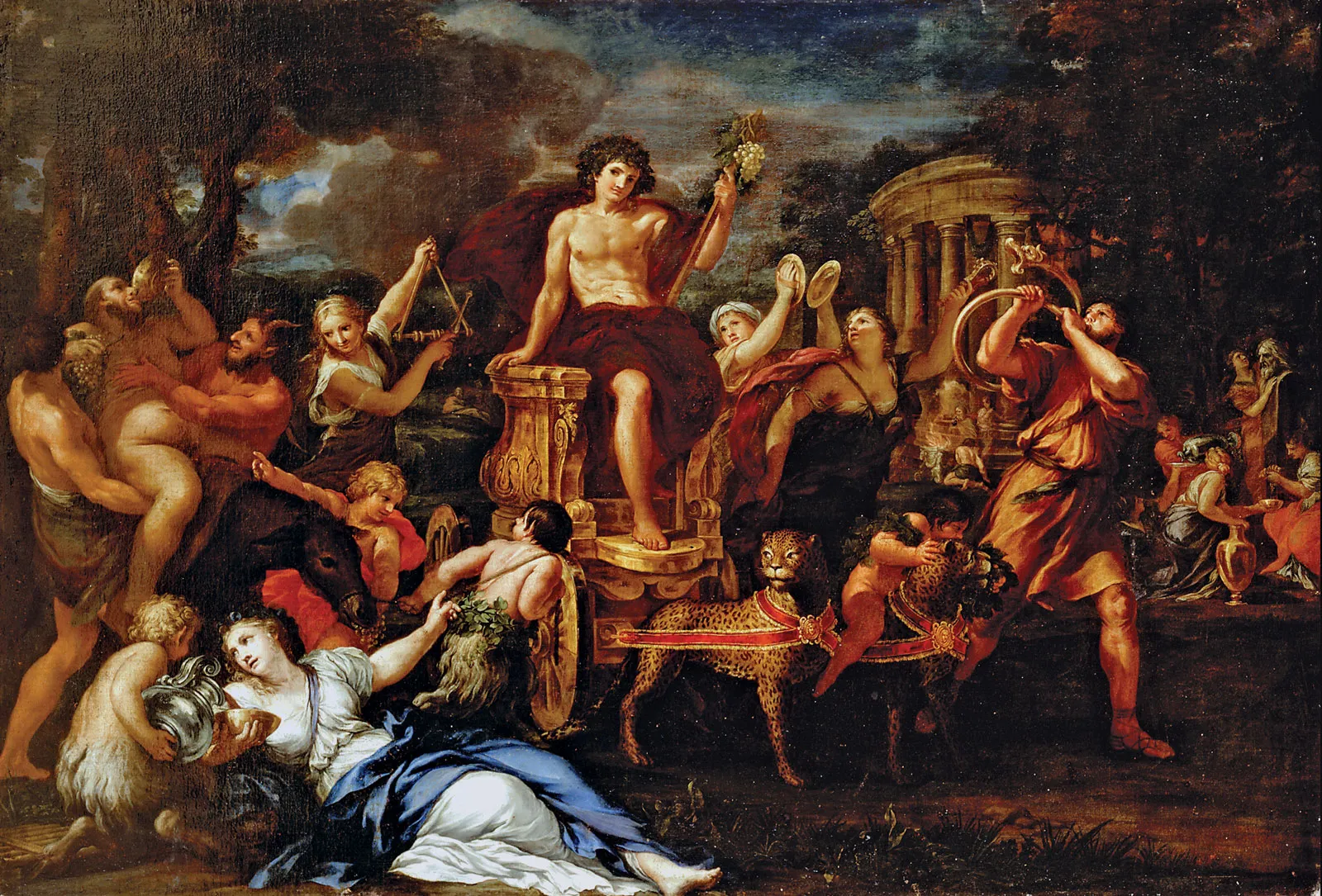
Dionysus, one of the Olympian gods, is associated with wine, festivity, and ecstatic experiences. He symbolizes both pleasure and chaos, reflecting the dual nature of indulgence and liberation.

Myths and Stories
Dionysus’ myths often depict his travels, miraculous feats, and interactions with mortals and gods alike. Stories emphasize his power to inspire joy and madness, demonstrating the transformative effects of wine and ritual.

Festivals and Rituals
The Dionysian festivals, including the famous Bacchanalia, were central to Greek culture. Participants engaged in music, dance, and dramatic performances, often breaking social boundaries. These events were not merely entertainment they were religious acts aimed at connecting humans with divine forces and communal ecstasy.

Cultural Significance
Dionysus represents freedom, creativity, and the balance between order and disorder. His worship highlights the importance of ritual, storytelling, and communal celebration in ancient Greek life. Today, he remains a symbol of artistic inspiration and the human desire for transcendence.

The Role of Ancient Silk Roads in Global Trade

November 25, 2025

Connecting Civilizations
The Silk Road was a vast network of trade routes linking East Asia, the Middle East, and Europe. More than just a single path, it comprised a series of interconnected roads, rivers, and sea routes. Merchants transported silk, spices, precious metals, and other goods, connecting distant civilizations in unprecedented ways.

Economic and Cultural Exchange
Trade along the Silk Road went beyond material goods. Ideas, religions, languages, art, and technology also traveled across these routes. Cities along the way became cultural melting pots, blending local traditions with foreign influences. Buddhism, for example, spread from India to China largely because of these trade networks.

Challenges and Achievements
Merchants faced harsh deserts, rugged mountains, and bandits, yet trade flourished for centuries. Caravans, port cities, and markets facilitated commerce, diplomacy, and cultural exchange. The Silk Road demonstrates how trade can shape not only economies but also societies, politics, and worldviews.

Legacy
The Silk Road laid the foundation for globalization in the ancient world. Its influence is still evident today, reminding us how human connection, exchange, and innovation can transcend borders and shape civilizations for generations.

The Myth of the Phoenix: A Symbol of Rebirth

November 25, 2025

A Legendary Bird Across Cultures
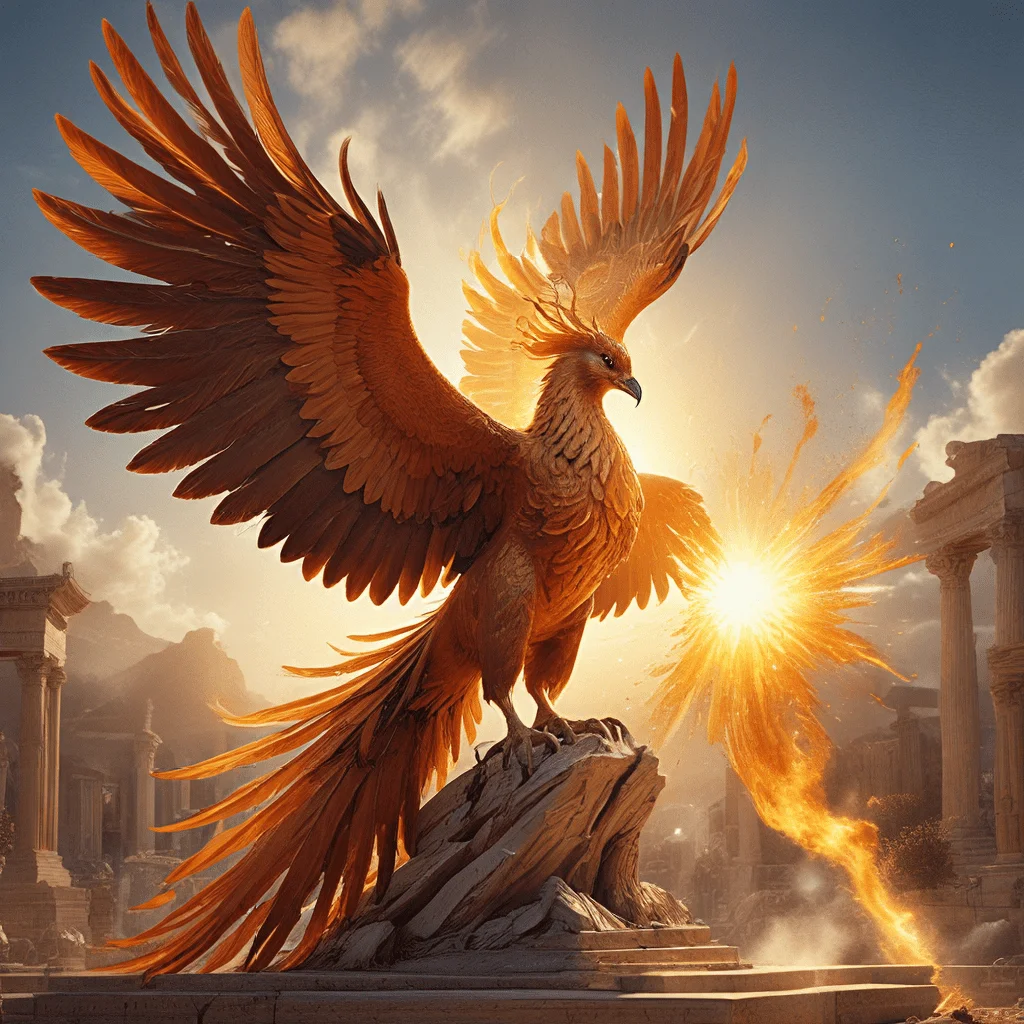
The Phoenix is one of the most enduring symbols of rebirth and renewal in world mythology. Its earliest origins can be traced to Ancient Egypt, where it represented the sun and cycles of life and death. The legend traveled across cultures, appearing in Greek, Roman, Chinese, and Middle Eastern traditions, often retaining its core symbolism of regeneration.

The Cycle of Life and Death
According to myth, the Phoenix lives for hundreds of years before bursting into flames at the end of its life. From its ashes, a new Phoenix emerges, fully alive and renewed. This dramatic cycle symbolizes transformation, immortality, and the enduring nature of life itself.

Symbolism and Influence
Beyond its mythological roots, the Phoenix has inspired art, literature, and religion throughout history. It represents hope, resilience, and the ability to overcome destruction or adversity. In alchemical traditions, the Phoenix is often associated with spiritual renewal and the pursuit of wisdom.

Modern Connections
The legend continues to capture imaginations today, appearing in novels, films, and popular culture as a metaphor for personal growth, recovery, and new beginnings. Across civilizations and centuries, the Phoenix remains a powerful reminder of life’s cycles and the potential for renewal in even the most challenging circumstances.

The Worship of Poseidon: God of the Sea and Storms

November 25, 2025

The Sea’s Supreme Deity
Poseidon, one of the twelve Olympian gods, held dominion over the seas, rivers, and earthquakes. Feared and revered in equal measure, he could calm the waters for sailors or summon devastating storms. His role in Greek mythology underscores the importance of the natural world in shaping human life and culture.

Myths and Stories
Poseidon appears in numerous myths, often interacting with gods, heroes, and mortals. He competed with Athena for the patronage of cities, contributed to the Trojan War, and challenged heroes like Odysseus. His temperamental nature reflected the unpredictable seas and the risks of seafaring life in the ancient world.

Worship and Cultural Influence
Coastal communities, sailors, and traders honored Poseidon through temples, rituals, and festivals. Offerings and sacrifices sought his favor for safe voyages, bountiful catches, and protection from natural disasters. His influence extended beyond mythology, shaping daily practices, maritime commerce, and cultural traditions across Greece.

Symbolism and Legacy
Poseidon represents both the power and unpredictability of nature. His myths communicate lessons about respect, caution, and reverence for forces beyond human control. Even today, he remains a powerful symbol in literature, art, and popular culture, embodying the ancient human fascination with the ocean’s might.

The Role of the Hoplites in Ancient Greek Warfare

November 25, 2025

Who Were the Hoplites?
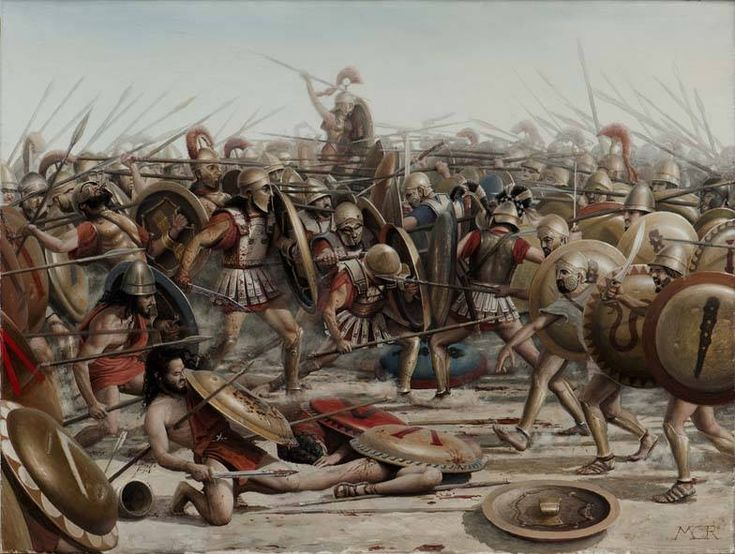
Hoplites were the backbone of Ancient Greek armies, serving as heavily armed infantry soldiers. They emerged around the 7th century BCE and remained central to Greek military strategy for centuries. Unlike warriors who relied solely on individual skill, hoplites fought as part of a disciplined, coordinated unit.

Training and Discipline
Hoplites trained rigorously from a young age. Physical fitness, stamina, and mastery of weapons were essential. They learned to fight shoulder-to-shoulder with comrades, emphasizing teamwork over personal glory. This training ensured that every soldier could maintain formation and respond to commands under the chaos of battle.

Armor and Weapons
A hoplite’s armor was designed for protection and mobility. It included a helmet, breastplate, greaves, and a large round shield called an aspis or hoplon. Their primary weapon was a long spear, supported by a short sword for close combat. The shield not only protected the individual but also linked them with their neighbor in the phalanx, creating a wall of overlapping defense.

Battle Tactics and Strategy
Hoplites fought in a formation called the phalanx, a tight rectangle of soldiers advancing as one unit. Success depended on discipline, cohesion, and endurance. This approach revolutionized Greek warfare, allowing relatively small city-states to defend against larger forces effectively. Hoplites were also symbols of civic duty, often serving their city-state in both military and political capacities.

Legacy
The hoplite system influenced military strategies for centuries and inspired later armies around the Mediterranean. It highlights the importance of collective effort, discipline, and preparation, principles that remain relevant in both historical study and military theory today.

← Newer Posts Older Posts →
Featured
images - 2026-10-28T160148.000.jpeg
October 28, 2026
Invisible Field Boundaries: Detecting Ancient Hedgerows with LiDAR
October 28, 2026
Read more →
October 28, 2026
images - 2026-10-28T160035.775.jpeg
October 28, 2026
Paleo-lakeside Cemeteries: Burials at Vanished Shorelines
October 28, 2026
Read more →
October 28, 2026
images+-+2026-10-17T225136.482.webp
October 28, 2026
Submerged Neolithic Causeways in the English Channel
October 28, 2026
Read more →
October 28, 2026
nabta-aggregate.webp
October 28, 2026
The Archaeology of Nightwatch Posts: Small Guard Stations and Social Order
October 28, 2026
Read more →
October 28, 2026
images - 2026-10-28T155920.814.jpeg
October 28, 2026
Reconstructing Ancient Roadside Inns from Faunal and Ceramic Data
October 28, 2026
Read more →
October 28, 2026
mascaras-de-ceramica-3.webp
October 28, 2026
Small-Scale Brick Kilns: Household Ceramic Production in Hinterlands
October 28, 2026
Read more →
October 28, 2026
read more

Powered by The archaeologist