• MAIN PAGE
  • LATEST NEWS
    • Lost Cities
    • Archaeology's Greatest Finds
    • Underwater Discoveries
    • Greatest Inventions
    • Studies
    • Blog
  • PHILOSOPHY
  • HISTORY
  • RELIGIONS
    • Africa
    • Anatolia
    • Arabian Peninsula
    • Balkan Region
    • China - East Asia
    • Europe
    • Eurasian Steppe
    • Levant
    • Mesopotamia
    • Oceania - SE Asia
    • Pre-Columbian Civilizations of America
    • Iranian Plateau - Central Asia
    • Indus Valley - South Asia
    • Japan
    • The Archaeologist Editor Group
    • Scientific Studies
    • Aegean Prehistory
    • Historical Period
    • Byzantine Middle Ages
    • Predynastic Period
    • Dynastic Period
    • Greco-Roman Egypt
  • Rome
  • PALEONTOLOGY
  • About us
Menu

The Archaeologist

  • MAIN PAGE
  • LATEST NEWS
  • DISCOVERIES
    • Lost Cities
    • Archaeology's Greatest Finds
    • Underwater Discoveries
    • Greatest Inventions
    • Studies
    • Blog
  • PHILOSOPHY
  • HISTORY
  • RELIGIONS
  • World Civilizations
    • Africa
    • Anatolia
    • Arabian Peninsula
    • Balkan Region
    • China - East Asia
    • Europe
    • Eurasian Steppe
    • Levant
    • Mesopotamia
    • Oceania - SE Asia
    • Pre-Columbian Civilizations of America
    • Iranian Plateau - Central Asia
    • Indus Valley - South Asia
    • Japan
    • The Archaeologist Editor Group
    • Scientific Studies
  • GREECE
    • Aegean Prehistory
    • Historical Period
    • Byzantine Middle Ages
  • Egypt
    • Predynastic Period
    • Dynastic Period
    • Greco-Roman Egypt
  • Rome
  • PALEONTOLOGY
  • About us

The Role of the Byzantine Empire in Preserving Knowledge

November 25, 2025

Byzantium as a Cultural Guardian
The Byzantine Empire, also known as the Eastern Roman Empire, existed from 330 CE to 1453 CE, centered in Constantinople. Beyond its political and military significance, Byzantium played a crucial role in preserving the knowledge and cultural heritage of classical Greece and Rome, ensuring that ancient wisdom survived into the modern era.

Preservation of Classical Texts
Byzantine scholars copied, annotated, and stored countless works of philosophy, science, mathematics, and literature. Manuscripts by Aristotle, Plato, Hippocrates, and Galen were meticulously preserved in monasteries and libraries, safeguarding ideas that might have otherwise been lost during the fall of the Western Roman Empire.

Education and Scholarship
The Byzantines valued education, establishing institutions that trained scholars in philosophy, theology, law, and medicine. Figures like Michael Psellos and Photios of Constantinople contributed significantly to intellectual life, translating and commenting on classical texts and producing new philosophical works.

Cultural and Artistic Contributions
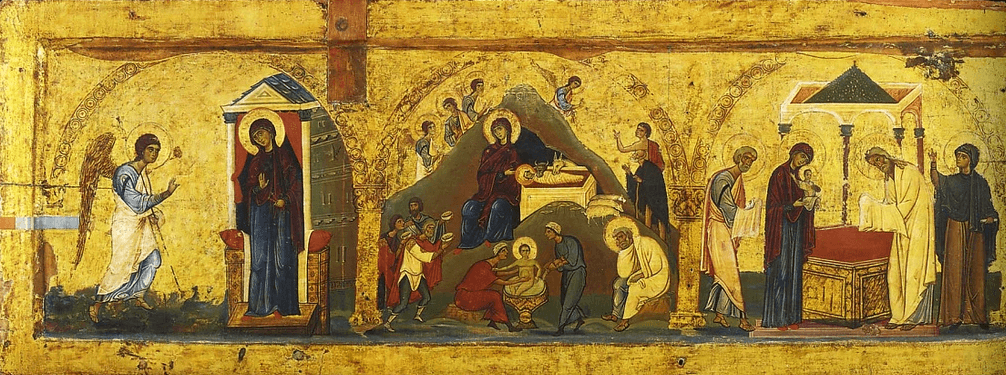
Byzantium fused classical heritage with Christian culture, influencing architecture, iconography, and literature. The Hagia Sophia, mosaics, and illuminated manuscripts reflect the empire’s dedication to intellectual and artistic achievement.

Impact on Europe and the Renaissance
Byzantine scholars fleeing the empire during its fall in 1453 brought manuscripts and knowledge to Western Europe, fueling the Renaissance. Their efforts ensured that Greek philosophy, Roman law, and scientific principles reentered European intellectual life.

Byzantium’s Enduring Legacy
The Byzantine Empire’s preservation of knowledge shaped the course of Western civilization. Its scholars and institutions bridged antiquity and modernity, proving that the survival of ideas depends on careful stewardship, dedication, and cultural continuity.

← The Worship of Osiris: The God of the UnderworldThe Myth of the Wendigo: A Terrifying Spirit of the North →
Featured
image_2026-01-09_134158495.png
Jan 9, 2026
Stunning UK village 'perfect for recharging' has 'hidden gem' attraction
Jan 9, 2026
Read More →
Jan 9, 2026
Jan 9, 2026
Medieval Graves of Three Elite Warriors Excavated in Hungary
Jan 9, 2026
Read More →
Jan 9, 2026
image_2026-01-09_130702520.png
Jan 9, 2026
Archaeologists Found a 7,500-Year-Old Seal From a Surprisingly Advanced Society
Jan 9, 2026
Read More →
Jan 9, 2026
image_2026-01-09_125433336.png
Jan 9, 2026
Common Childhood Virus Detected in Iron Age Remains
Jan 9, 2026
Read More →
Jan 9, 2026
image_2026-01-09_123726891.png
Jan 9, 2026
Arrow tips found in South Africa are the oldest evidence of poison use in hunting
Jan 9, 2026
Read More →
Jan 9, 2026
image_2026-01-09_122849202.png
Jan 9, 2026
And finally… first Scottish coin
Jan 9, 2026
Read More →
Jan 9, 2026
read more

Powered by The archaeologist