• MAIN PAGE
  • LATEST NEWS
    • Lost Cities
    • Archaeology's Greatest Finds
    • Underwater Discoveries
    • Greatest Inventions
    • Studies
    • Blog
  • PHILOSOPHY
  • HISTORY
  • RELIGIONS
    • Africa
    • Anatolia
    • Arabian Peninsula
    • Balkan Region
    • China - East Asia
    • Europe
    • Eurasian Steppe
    • Levant
    • Mesopotamia
    • Oceania - SE Asia
    • Pre-Columbian Civilizations of America
    • Iranian Plateau - Central Asia
    • Indus Valley - South Asia
    • Japan
    • The Archaeologist Editor Group
    • Scientific Studies
    • Aegean Prehistory
    • Historical Period
    • Byzantine Middle Ages
    • Predynastic Period
    • Dynastic Period
    • Greco-Roman Egypt
  • Rome
  • PALEONTOLOGY
  • About us
Menu

The Archaeologist

  • MAIN PAGE
  • LATEST NEWS
  • DISCOVERIES
    • Lost Cities
    • Archaeology's Greatest Finds
    • Underwater Discoveries
    • Greatest Inventions
    • Studies
    • Blog
  • PHILOSOPHY
  • HISTORY
  • RELIGIONS
  • World Civilizations
    • Africa
    • Anatolia
    • Arabian Peninsula
    • Balkan Region
    • China - East Asia
    • Europe
    • Eurasian Steppe
    • Levant
    • Mesopotamia
    • Oceania - SE Asia
    • Pre-Columbian Civilizations of America
    • Iranian Plateau - Central Asia
    • Indus Valley - South Asia
    • Japan
    • The Archaeologist Editor Group
    • Scientific Studies
  • GREECE
    • Aegean Prehistory
    • Historical Period
    • Byzantine Middle Ages
  • Egypt
    • Predynastic Period
    • Dynastic Period
    • Greco-Roman Egypt
  • Rome
  • PALEONTOLOGY
  • About us

The Legendary Amazons: Warrior Women of Myth and Reality

November 27, 2025

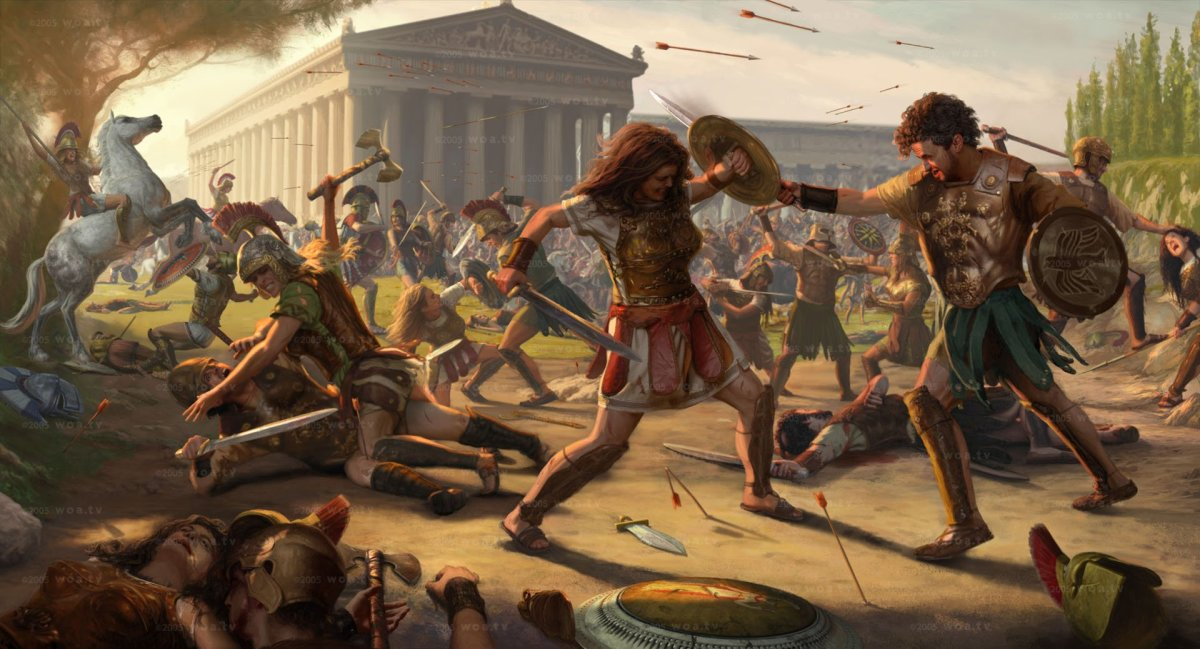
The Amazons are among the most enduring figures of ancient mythology fierce warrior women who lived beyond the edges of the Greek world. Their stories blend myth, cultural imagination, and possible historical truth. Exploring the origins of the Amazons reveals why they remain powerful symbols in literature, archaeology, and modern culture.

A World of Warrior Women

In Greek mythology, the Amazons were a nation of female fighters skilled in archery and horseback riding. They appear in numerous legends:

  • Achilles kills the Amazon queen Penthesilea.

  • Heracles battles them in his labors.

  • Theseus kidnaps Antiope, leading to a legendary Amazon invasion of Athens.

To the Greeks, Amazons represented the inversion of typical gender roles — a society where women governed, fought, and made decisions independently.

Possible Historical Inspirations

While many elements of the Amazon legends are mythical, archaeology suggests real cultures may have inspired them.

The Scythians and Sarmatians

Burials across the Eurasian steppe reveal that many women were buried with weapons, armor, and horse gear. Some skeletons show battle injuries.

These nomadic societies valued mobility, archery, and warfare — skills women fully participated in.

Ancient Sources Confirm the Link

Greek historians such as Herodotus described warrior women living near the Black Sea. Modern archaeological findings strongly support these accounts, showing that up to one-third of steppe “warrior graves” belonged to women.

Why the Amazons Fascinated the Greeks

The Greeks saw the Amazons as a reflection of their own anxieties and curiosity about foreign cultures. Stories of female warriors challenged Greek social norms and highlighted the differences between Greek city-states and the nomadic world.

Cultural Impact Through the Ages

The Amazon myth continued to evolve:

  • Classical art depicted Amazons as noble enemies.

  • Medieval writers incorporated them into romances and travel tales.

  • Modern culture reimagines them in literature, film, and comics including the iconic character Wonder Woman, inspired directly by Amazon mythology.

The Symbolism Today

Amazons represent strength, independence, and the idea that gender roles vary across cultures. They also remind us that women in history were far more active in warfare and leadership than traditional narratives once suggested.

The Secrets of Ancient Egyptian Papyrus Making

November 27, 2025

Papyrus is one of the most transformative inventions of the ancient world. Long before paper became common, the Egyptians created a writing surface that helped build their civilization, preserve their history, and influence cultures across the Mediterranean. Understanding how papyrus was made opens a window into Egyptian craftsmanship, religion, and bureaucracy all of which relied on this remarkable material.

A Plant at the Heart of the Nile

Papyrus (Cyperus papyrus) grew in thick clusters along the Nile Delta. The Egyptians saw the plant as a symbol of life and rebirth, connected to the marshlands where creation myths said the world began. Its image appears in temple columns, crowns of pharaohs, and sacred artwork. Yet its most important role was practical: papyrus became the foundation of Egyptian communication.

Step-by-Step Crafting: How Papyrus Was Made

Although exact ancient instructions have not survived, historians reconstructed the method through experimentation and analysis of preserved sheets.

1. Cutting and Preparing the Stalks

Workers harvested tall, triangular papyrus stalks and trimmed away the green outer skin. The inner white pith was sliced into long strips, sometimes soaked for several days to soften the fibers and activate natural plant sugars that acted like glue.

2. Laying Out the Strips

Artisans arranged strips side by side vertically. Another layer was placed horizontally on top, creating a lattice-like pattern. This crisscross structure gave papyrus its strength.

3. Pressing and Bonding

Sheets were pressed using stones or wooden boards. The pressure released sap, which fused the layers together. After pressing, sheets were left to dry in the sun — a natural environment that prevented mold and ensured durability.

4. Polishing the Surface

Once dry, scribes polished the surface using stones, shells, or bone tools. This produced a smooth writing surface ideal for ink made of soot and gum.

Sheets could be glued end to end to form scrolls. Some scrolls were several meters long, containing literary works, legal documents, and religious texts.

Papyrus in Egyptian Society

Papyrus was essential in nearly every aspect of life:

  • Government used it for tax records, census lists, land surveys, and royal decrees.

  • Temples wrote hymns, rituals, and offerings.

  • Scribes copied wisdom literature, tales, and instructions.

  • Doctors recorded medical knowledge — including the famous Edwin Smith and Ebers papyri.

Without papyrus, Egypt’s centralized administration would not have functioned. The material allowed for advanced record-keeping and the preservation of cultural memory.

Papyrus as an International Commodity

Egypt exported papyrus throughout the ancient Mediterranean. Greeks and Romans relied heavily on it, and Alexandria became a major center of papyrus production. Its quality was so esteemed that papyrus remained the primary writing material until medieval parchment replaced it.

Enduring Legacy

Surviving papyrus scrolls give modern scholars insight into everyday Egyptian life from magical spells to recipes, poetry, and mathematical problems. Today, artisans in Egypt still produce papyrus using traditional techniques, keeping the ancient craft alive.

The Mysterious Disappearance of the Indus Valley Civilization

November 27, 2025

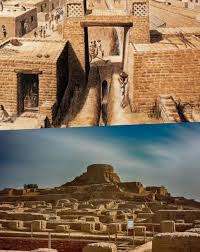
The Indus Valley Civilization also known as the Harappan Civilization was one of the world’s earliest urban societies, flourishing from around 2600 to 1900 BCE in what is now Pakistan and northwest India. Known for its advanced city planning, intricate drainage systems, standardized weights, and wide trade networks, the civilization once rivaled Ancient Egypt and Mesopotamia in sophistication.
But around 1900 BCE, this thriving culture began to decline, and within a few centuries, its cities were abandoned. To this day, the cause of its disappearance remains one of history’s enduring mysteries.

Below are the leading theories scholars have proposed, each offering different clues about what might have brought the Indus Valley Civilization to its end.

1. Climate Change and Environmental Shifts

One of the strongest theories centers on climate instability. Geological and environmental research suggests that around 2000 BCE, the region experienced major environmental changes:

a. Shifting Monsoons

The monsoon system that sustained agriculture may have weakened, leading to declining crop yields and widespread food shortages. As rainfall patterns changed, once-fertile land became difficult to farm.

b. River Drying: The Ghaggar-Hakra (Saraswati) Hypothesis

Many Harappan cities were located along a river system believed by some to be the ancient Saraswati. Several studies suggest this river gradually dried up due to tectonic movements and climate shifts.
If true, this would have devastated agricultural production and forced people to migrate.

c. Floods in Some Areas

Ironically, while some cities dried out, others—like Mohenjo-Daro—show evidence of repeated flooding from the Indus River. These unpredictable conditions may have made sustaining large urban populations difficult.

2. Decline in Trade Networks

The Indus Valley Civilization relied heavily on trade with Mesopotamia and other regions. Harappan seals and goods have been found as far as modern Iraq. But around the same time the Indus cities declined, Mesopotamia also faced political and economic upheaval.

With key trade partners struggling, long-distance commerce weakened. Without the influx of resources and wealth, the economic foundation of the Harappan cities may have crumbled, causing urban centers to break apart into smaller rural communities.

3. Internal Social and Political Changes

Unlike other ancient civilizations, the Indus Valley left no evidence of kings, armies, or palaces. Their political structure remains unknown, but some historians suggest:

a. Possible Breakdown of Central Organization

If they relied on a unified or cooperative governing system, internal social changes—such as competition between regions—may have weakened their ability to maintain large cities.

b. Gradual Urban to Rural Shift

Archaeological evidence shows a slow movement away from cities to small villages. This suggests a gradual transformation, not a sudden collapse, possibly triggered by loss of stable administration or resources.

4. Disease or Epidemic Outbreaks

Some researchers propose that the decline may have been accelerated by disease, possibly spread through crowded urban environments. Although direct evidence is limited, the density of Harappan cities combined with their extensive trade networks could have made them vulnerable to widespread illness. Even a single epidemic could have weakened their population over generations.

5. Invasion Theory: The Outdated Idea of Aryan Conquest

For many years, scholars believed that Indo-Aryan migrants invaded and destroyed the Indus Valley Civilization. This idea is now widely rejected.

There is no archaeological evidence of warfare, mass destruction, or large-scale conflict. Instead, the decline seems peaceful, slow, and largely due to environmental and economic pressures rather than invasion.

A Gradual Decline, Not a Sudden Collapse

Perhaps the most widely accepted view today is that the Indus Valley Civilization did not vanish instantly. Instead, it experienced a long and complex decline shaped by multiple overlapping factors:

  • Environmental stress

  • Shifting rivers

  • Weakened trade

  • Social changes

  • Possible disease

By around 1300 BCE, many Harappan descendants had moved eastward toward the Ganges River, forming new communities. Their legacy lived on through agricultural practices, craft traditions, and cultural developments that influenced later South Asian societies.

Conclusion

The disappearance of the Indus Valley Civilization remains one of the great enigmas of ancient history. While no single theory fully explains its decline, the most compelling evidence points to a combination of environmental change, economic transformation, and gradual social shifts.

The mystery continues to captivate scholars and the public alike, reminding us that even the most advanced civilizations can be vulnerable to the forces of nature and time.

The Myth of the Wild Hunt: Ghostly Riders Across the Sky

November 26, 2025

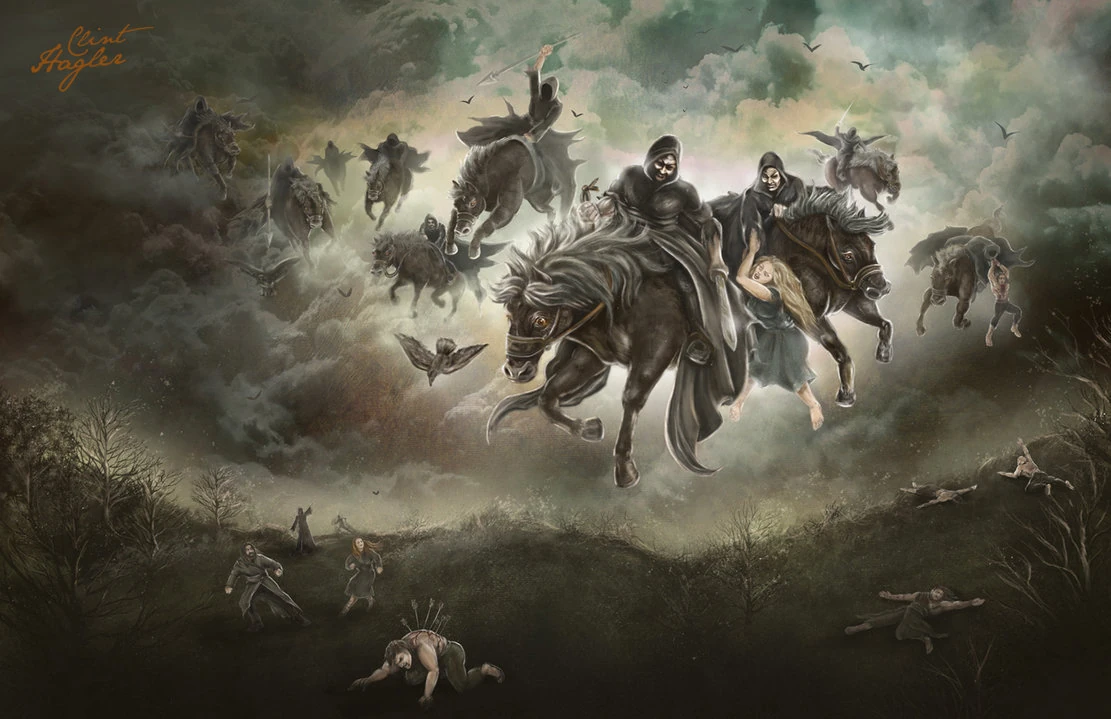
The Wild Hunt is a pan-European myth of spectral riders, often led by a god or legendary figure, sweeping across the night sky with a ghostly entourage.

Origins and Variations

The myth appears in Norse, Germanic, Celtic, and Slavic folklore. Leaders of the hunt include Odin in Norse tales or King Arthur in some British legends. The hunt’s appearance was seen as an omen of war, plague, or death.

Symbolism and Cultural Role

The Wild Hunt represents chaos, supernatural power, and the thin boundary between the mortal and spirit worlds. Communities interpreted its passing as a warning, blending fear with moral and social lessons. 

Modern Legacy

The Wild Hunt inspires literature, music, and games, retaining its eerie reputation. It exemplifies Europe’s rich folklore tradition, connecting ancient fears with cultural storytelling.

The Worship of Astarte: The Goddess of Love and War

November 26, 2025

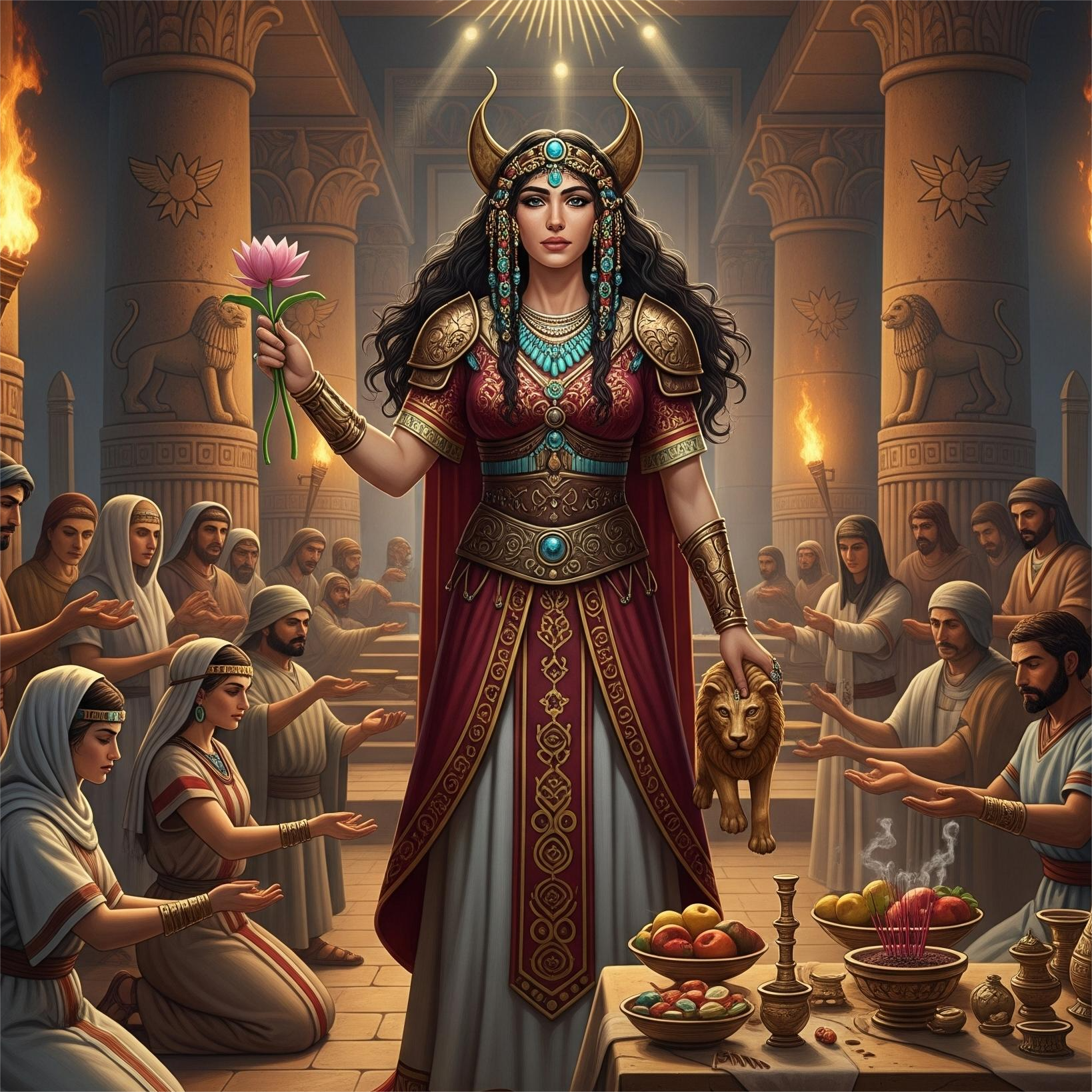
Astarte, a prominent Near Eastern deity, embodies fertility, sexuality, and martial power. She is closely associated with Ishtar in Mesopotamia and Aphrodite in Greek culture.

Historical Context

Astarte was worshiped across the Levant and Phoenician territories from the Bronze Age onward. Temples and inscriptions indicate devotion by kings, merchants, and commoners alike.

Attributes and Symbols

She is often depicted with lions, doves, or stars, signifying her dual role in love and war. Rituals include offerings, dances, and invocations for fertility, protection, and victory in battle.

Influence

Astarte’s iconography and myths influenced later deities across cultures, demonstrating religious syncretism. Her worship reflects the interconnection between sexuality, power, and spirituality in ancient societies.

The Role of Ancient Mayan Ball Games in Society and Rituals

November 26, 2025

The Mesoamerican ball game, known as pok-ta-pok or pitz, was central to Mayan society, serving both recreational and ceremonial functions.

Rules and Gameplay

Players used their hips, elbows, and knees to pass a rubber ball through stone hoops. The game required skill, endurance, and strategy, often played on grand courts within city centers.

Religious and Ceremonial Significance

Ball games were deeply symbolic, representing cosmic battles between life and death, day and night, or gods and humans. Victorious or sacrificial players could be honored or offered to deities, reflecting the intertwining of sport, ritual, and religion.

Social and Political Roles

Ball courts were venues for diplomacy, territorial disputes, and social cohesion. The game also reinforced hierarchical structures, emphasizing elite participation and ritual leadership.

Legacy

The Mayan ball game influenced later Mesoamerican cultures, inspiring modern cultural revival and archaeological interest. Its study sheds light on the interplay between sport, religion, and politics in ancient societies.

The Myth of the Manananggal: The Vampire Witch of the Philippines

November 26, 2025

The Manananggal is a terrifying creature in Philippine folklore, often described as a woman who detaches her upper body at night to fly with bat-like wings and prey on sleeping victims.

Origins and Description

The legend originates from pre-colonial Visayan beliefs, integrating animism with moral cautionary tales. The Manananggal typically targets pregnant women or children, using her long tongue to feed on blood or organs.

Cultural Context

Stories of the Manananggal reflect social anxieties, fears of death, and cautionary lessons about safety at night. They also serve to reinforce communal norms and moral behavior, warning of hidden dangers in everyday life.

Modern Influence

The myth continues in Philippine media, literature, and festivals, influencing horror genres and maintaining cultural identity. It also resonates in comparative folklore studies, connecting Southeast Asian vampire myths.

The Worship of Ogun: The Iron God of the Yoruba

November 26, 2025

Ogun is a central deity in Yoruba religion, revered as the god of iron, war, and technology. His domain encompasses metalworking, hunting, and transformative human skills.

Origins and Attributes

Ogun is depicted as a fierce warrior and skilled blacksmith. He forges tools and weapons, enabling civilization and agriculture. His sacred symbols include iron implements, machetes, and the color green.

Worship and Rituals

Followers invoke Ogun for protection, courage, and success in endeavors requiring skill and precision. Festivals often involve offerings of tools, sacrifices, and prayers to honor his craftsmanship and martial prowess.

Cultural Significance

Ogun’s influence extends to diaspora religions such as Candomblé and Santería, highlighting the continuity of Yoruba spiritual traditions. He embodies human creativity, strength, and the connection between technology and divinit

The Role of Chariots in Ancient Warfare

November 26, 2025

Chariots were revolutionary in early civilizations, transforming warfare in Egypt, Mesopotamia, and beyond. These two-wheeled vehicles, drawn by horses or oxen, allowed rapid movement, strategic strikes, and battlefield communication.

Origins and Development

Chariots first appeared around 2000 BCE in the Eurasian steppes and spread to Mesopotamia, Egypt, and India. Construction involved lightweight wood, spoked wheels, and harness systems optimized for speed and durability.

Military Strategy

Chariots were used for reconnaissance, flanking attacks, and archery platforms. Elite warriors rode in chariots, demonstrating status and skill. Armies could strike quickly and retreat before heavy infantry countered, giving chariots tactical supremacy.

Cultural and Symbolic Roles

Chariots often symbolized prestige, power, and divine favor. In Egyptian tombs, chariots were included as burial goods, reflecting both military importance and social hierarchy.

Legacy

While eventually replaced by cavalry, chariots shaped early warfare strategies and influenced military organization, engineering, and artistic depictions of battle in ancient societies.

The Myth of the Red String of Fate: Destiny in East Asian Lore

November 26, 2025

The Red String of Fate is an East Asian legend that symbolizes predestined connections between individuals. Originating in Chinese folklore and adopted in Japan and Korea, it is a popular motif in love stories and cultural expression.

The Legend

According to the tale, the gods tie an invisible red thread around the fingers of those destined to meet or marry. The thread may stretch or tangle but never break, representing inevitability in human relationships.

Symbolism

The red string embodies destiny, commitment, and spiritual connection. It reflects a worldview where relationships and encounters are guided by cosmic forces, emphasizing harmony, patience, and trust in fate.

Cultural Significance

The legend influences literature, drama, and modern media, from anime to romance novels. Ceremonial uses include gifts, charms, or jewelry that symbolize enduring bonds. It remains a poetic expression of human connection across cultures.

The Worship of Izanagi and Izanami: The Creators of Japan

November 26, 2025

Izanagi and Izanami are central figures in Japanese mythology, credited with creating the Japanese islands and many deities. Their story is recorded in ancient texts such as the Kojiki and Nihon Shoki.

Cosmogony and Creation

According to myth, the two divine beings were tasked with forming the land. Using a jeweled spear, they stirred the primordial ocean, producing the islands of Japan. Their union also gave birth to the kami, divine spirits representing natural phenomena, ancestors, and elements of life.

Tragedy and Symbolism

Izanami’s death during childbirth set the stage for Izanagi’s journey to the underworld, Yomi, highlighting themes of life, death, and purification. Rituals inspired by this myth, including Shinto cleansing ceremonies, emphasize renewal and spiritual balance.

Cultural Legacy

Izanagi and Izanami remain key symbols of creation, fertility, and the divine order in Shinto practice. Their myths influence festivals, rituals, literature, and artistic expressions, embedding ancient cosmology into modern Japanese culture.

The Role of the Great Wall of China in Defense and Trade

November 26, 2025

The Great Wall of China is one of history’s most ambitious architectural projects, stretching thousands of miles across northern China. Built in sections over centuries, it served as both a defensive bulwark and a symbol of imperial power.

Construction and Engineering

The Wall’s construction began in the 7th century BCE, reaching its peak during the Ming Dynasty (1368–1644). Laborers used local materials earth, stone, brick and innovative techniques to traverse mountains, deserts, and rivers. Watchtowers, beacon towers, and garrisons provided surveillance and communication networks.

Defensive Function

The Wall was primarily designed to deter nomadic invasions from the north, particularly from the Xiongnu and later Mongol forces. Its physical presence allowed Chinese armies to monitor borders, control migration, and signal threats across vast distances.

Economic and Trade Significance

Beyond defense, the Wall regulated trade along the Silk Road, controlling movement of goods and people. Customs stations collected taxes and duties, integrating security with commerce. The Wall’s presence indirectly facilitated cultural exchange, as traders and travelers traversed the controlled frontier.

Cultural Impact

The Wall embodies China’s historical emphasis on unity, protection, and statecraft. Today, it is a UNESCO World Heritage site, symbolizing both human ingenuity and the complexities of empire-building. Its influence resonates in modern architecture, tourism, and national identity.

The Myth of the Green Children of Woolpit: Visitors from Another World?

November 26, 2025

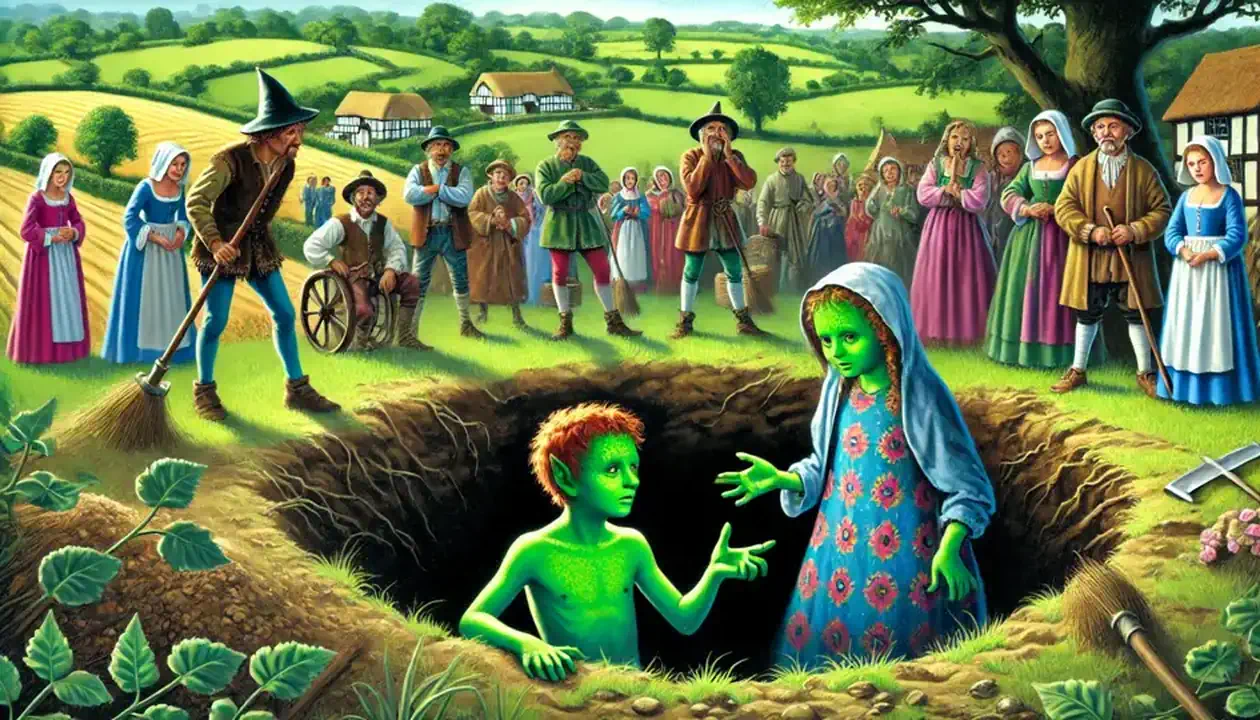
The tale of the Green Children of Woolpit is one of the most mysterious and enduring legends from medieval England. First recorded in the 12th century by chroniclers such as Ralph of Coggeshall and William of Newburgh, the story tells of two children with green-hued skin who appeared in the village of Woolpit in Suffolk.

The Arrival and Description

According to the accounts, the children were discovered near the wolf pits (from which Woolpit derives its name) and spoke an unknown language. They wore unfamiliar clothing and seemed unacquainted with ordinary food, initially refusing all but raw beans. Over time, they adapted to local food, and their green skin gradually returned to a normal hue. The boy later died, but the girl survived and learned English, eventually explaining that they came from a subterranean land called St Martin’s Land.

Cultural Context and Interpretations

Medieval audiences often interpreted extraordinary events as supernatural or divine. Some scholars propose the children were refugees from a Flemish settlement, lost and suffering from dietary deficiencies causing their skin discoloration. Others suggest allegorical readings, connecting the story to themes of innocence, isolation, and the unknown.

Modern Explanations

The Green Children legend has inspired diverse theories: historical, folkloric, and even extraterrestrial. Nutritional disorders, such as chlorosis (green sickness), could explain their skin color, while linguistic and geographic isolation might account for their strange language. Alternatively, some interpret the tale metaphorically, representing encounters with the “Other” or liminal spaces between worlds.

Legacy

The legend endures in literature, television, and folklore studies, symbolizing human fascination with the mysterious and unexplained. Woolpit celebrates the story through local tours and exhibitions, keeping the enigmatic children alive in modern imagination.

The Worship of Tanit: The Mysterious Goddess of Carthage

November 26, 2025

Tanit was a principal deity in the Phoenician city of Carthage, venerated as a goddess of fertility, protection, and celestial power. She played a vital role in the spiritual and political life of the city-state.

Historical Context

Tanit worship emerged in the first millennium BCE, often alongside Baal Hammon, her consort. Inscriptions, stelae, and temple remains indicate widespread devotion throughout Carthaginian territory, extending into North Africa and the Mediterranean.

Symbols and Iconography

Tanit is often depicted with outstretched arms or as a symbol resembling a triangle with a horizontal line, representing female power, fertility, and divine protection. Archaeologists have found votive offerings, such as figurines and small altars, dedicated to her worship.

Ritual Practices

While some ancient sources controversially suggest child sacrifice, evidence remains debated among scholars. Offerings of food, incense, and valuable items were certainly part of ritual practices, emphasizing the goddess’s protective and fertility-associated roles.

Cultural Legacy

Tanit’s worship influenced Punic and later Mediterranean cultures. Her symbolism resonates in modern studies of female divinity, goddess traditions, and the intersection of religion and politics in ancient societies.

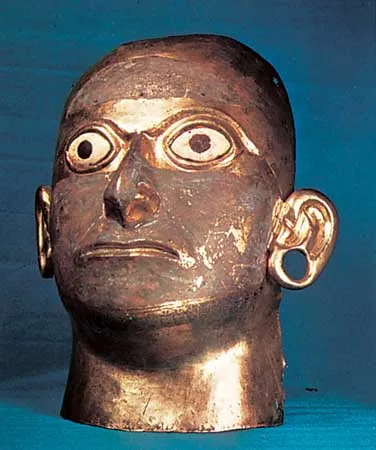
The Role of the Moche Civilization in Pre-Columbian Peru

November 26, 2025

The Moche civilization thrived on the northern coast of Peru from around 100 to 700 CE. Known for their elaborate art and engineering, they provide a window into pre-Columbian culture and society.

Artistic Achievements

Moche artisans produced intricate pottery, depicting daily life, ceremonies, and mythological scenes. They also built monumental adobe structures, including the Huacas del Sol y de la Luna, which functioned as ceremonial centers and elite tombs.

Rituals and Religion

Human sacrifice played a significant role in Moche religious life, often linked to agricultural fertility and appeasing gods. Their mythology centered on deities associated with nature, water, and the cosmos.

Tomb Discoveries

Excavations of Moche tombs, such as the Lord of Sipán, revealed extraordinary burial goods including gold, jewelry, and ceremonial artifacts. These discoveries highlight social hierarchy, craft specialization, and ritual practices.

Legacy

The Moche influence continues to inform studies of pre-Columbian civilizations, emphasizing the sophistication of ancient Andean cultures. Their artistic and ritual traditions remain a focus for historians and archaeologists.

The Myth of the Unicorn: A Creature of Legend

November 26, 2025

The unicorn is one of the most enduring mythical creatures, appearing in European, Asian, and Middle Eastern traditions. Known as a horse-like animal with a single horn, it symbolizes purity, magic, and rarity.

Historical Origins

References to unicorns appear as early as ancient India and China, often described as solitary and elusive animals. Greek writers like Ctesias recorded sightings of unicorn-like creatures in India, blending observation with myth.

Symbolism and Interpretation

In medieval Europe, unicorns became symbols of chastity, innocence, and spiritual purity, often linked to Christian allegory. Their horns were believed to have medicinal powers, capable of purifying water and detecting poison.

Misidentified Real Animals

Many unicorn myths likely arose from misidentifying real animals, such as rhinoceroses, or interpreting narwhal tusks as unicorn horns. Despite this, the creature’s symbolic resonance persisted, influencing art, literature, and heraldry.

Modern Cultural Presence

Today, unicorns are prominent in fantasy literature, movies, and popular culture, representing magic, imagination, and rarity. They remain a metaphor for striving for the extraordinary and the mystical.

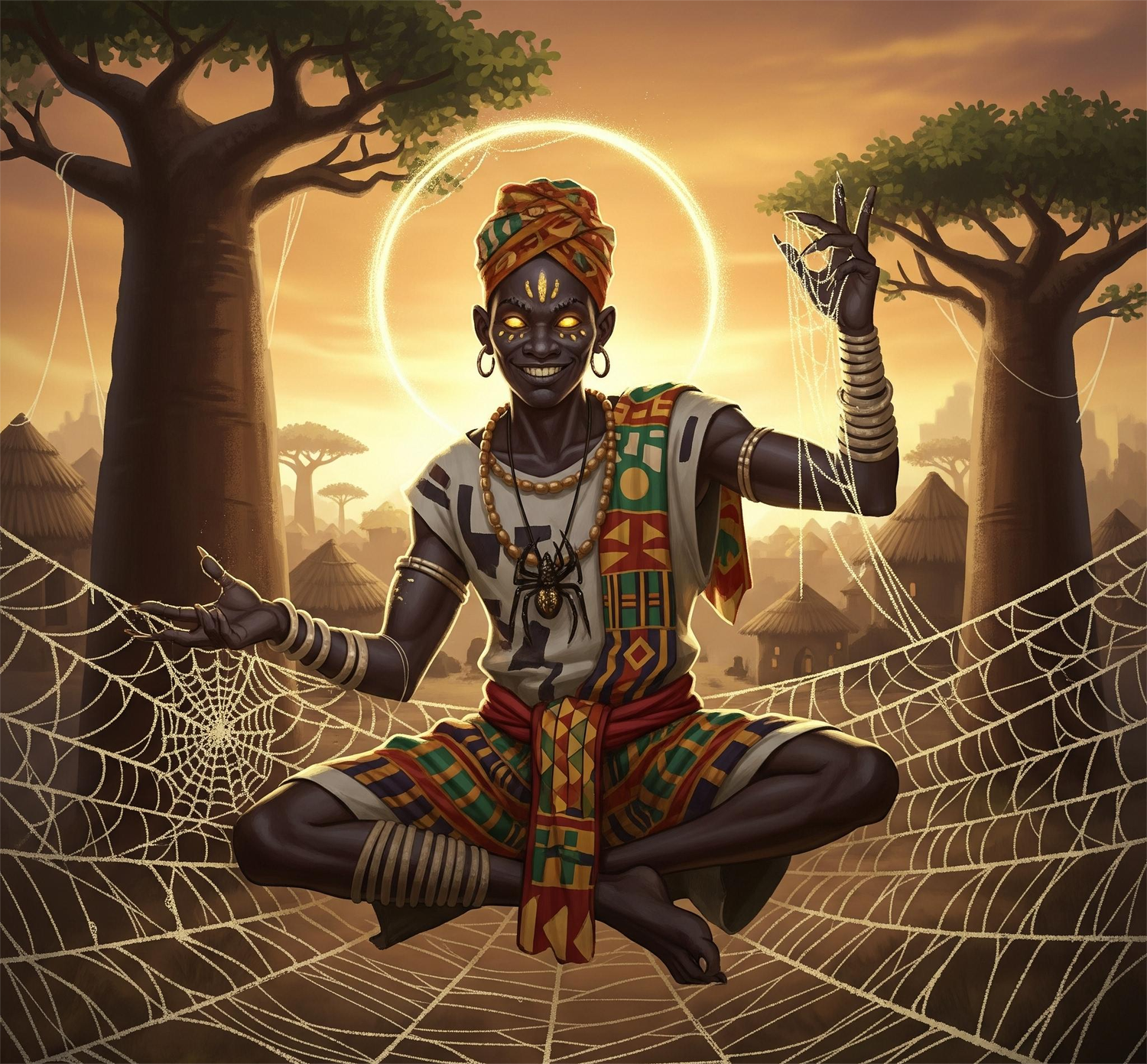
The Worship of Anansi: The Trickster Spider of African Folklore

November 26, 2025

Anansi is one of the most beloved figures in West African mythology, originating among the Akan people of Ghana. A clever spider, Anansi embodies wit, wisdom, and mischief, often using cunning to overcome stronger opponents.

Cultural and Historical Context

Anansi stories were orally transmitted and functioned as both entertainment and moral instruction. They spread throughout the Caribbean and Americas via the transatlantic slave trade, influencing folklore in Jamaica, Suriname, and beyond.

Character and Symbolism

Anansi’s stories highlight intelligence over strength, emphasizing creative problem-solving and cunning. In some tales, he outwits animals or humans to gain food, knowledge, or social advantage. Symbolically, he represents the power of intellect, adaptability, and storytelling itself.

Ritual and Social Role

In Akan society, Anansi stories were often told during communal gatherings, teaching lessons about behavior, justice, and social norms. They reinforced cultural values while allowing space for humor and critical reflection.

Modern Relevance

Anansi continues to appear in literature, comics, and animation, serving as a bridge between African heritage and contemporary storytelling. The character reminds us of the enduring power of narrative and the value of intellect and resourcefulness

The Role of the Olmecs in Mesoamerican Civilization

November 26, 2025

The Olmec civilization, flourishing in modern-day Mexico from approximately 1500 to 400 BCE, is often called the "mother culture" of Mesoamerica. Their contributions laid the groundwork for later civilizations like the Maya and Aztecs.

Historical Context

The Olmecs inhabited the Gulf Coast lowlands, in regions that are now Veracruz and Tabasco. They developed some of the earliest complex urban centers in the Americas, such as San Lorenzo and La Venta, and excelled in monumental architecture, agriculture, and trade.

Artistic and Cultural Achievements

The Olmecs are renowned for their colossal heads, carved from basalt and weighing several tons, possibly representing rulers or deities. They also produced jade figurines, ceremonial axes, and intricate artwork that reveals religious symbolism, social hierarchy, and ritual practices.

Influence on Later Civilizations

The Olmecs contributed early concepts of writing, calendrical systems, and religious iconography that influenced later Mesoamerican societies. Their depictions of jaguar spirits, maize deities, and feathered serpents resonate in the art and mythology of the Maya and Aztecs.

Modern Significance

Archaeological research on the Olmecs continues to illuminate the origins of Mesoamerican civilization, highlighting their innovations in politics, religion, and art. Their legacy endures in the study of ancient urbanism and the roots of New World cultural traditions.

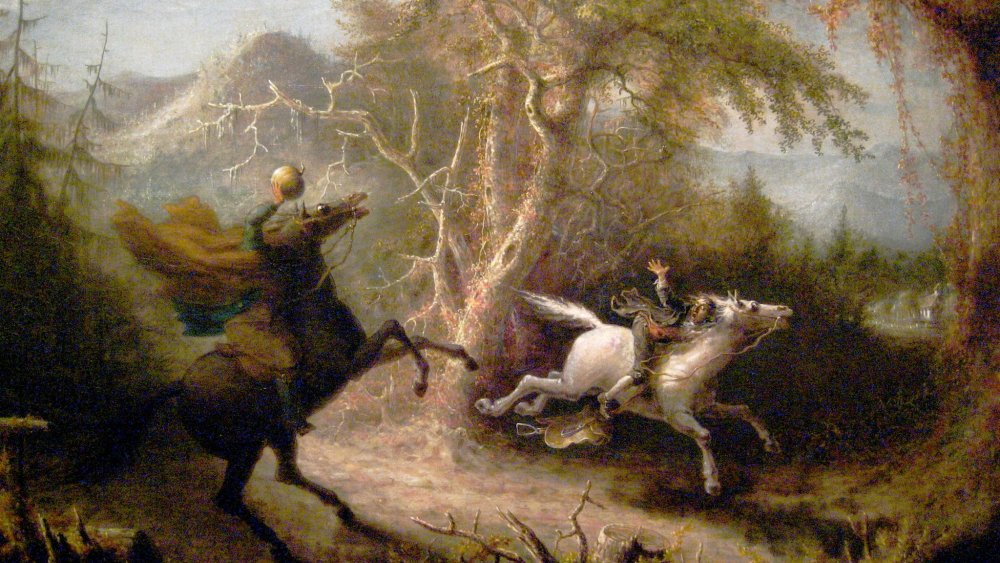
The Myth of the Headless Horseman: A Tale of Vengeance

November 26, 2025

The Headless Horseman is one of the most enduring figures in Western folklore, blending elements of Celtic myth, European ghost stories, and American literary imagination. His legend embodies themes of vengeance, unfinished business, and fear of the supernatural.

Origins in Celtic Mythology

The headless rider appears in Irish and Scottish folklore as a spectral soldier or warrior who died violently and returned to haunt the living. These stories often served as cautionary tales, warning communities of the consequences of violent death or dishonorable behavior.

Washington Irving and American Popularization

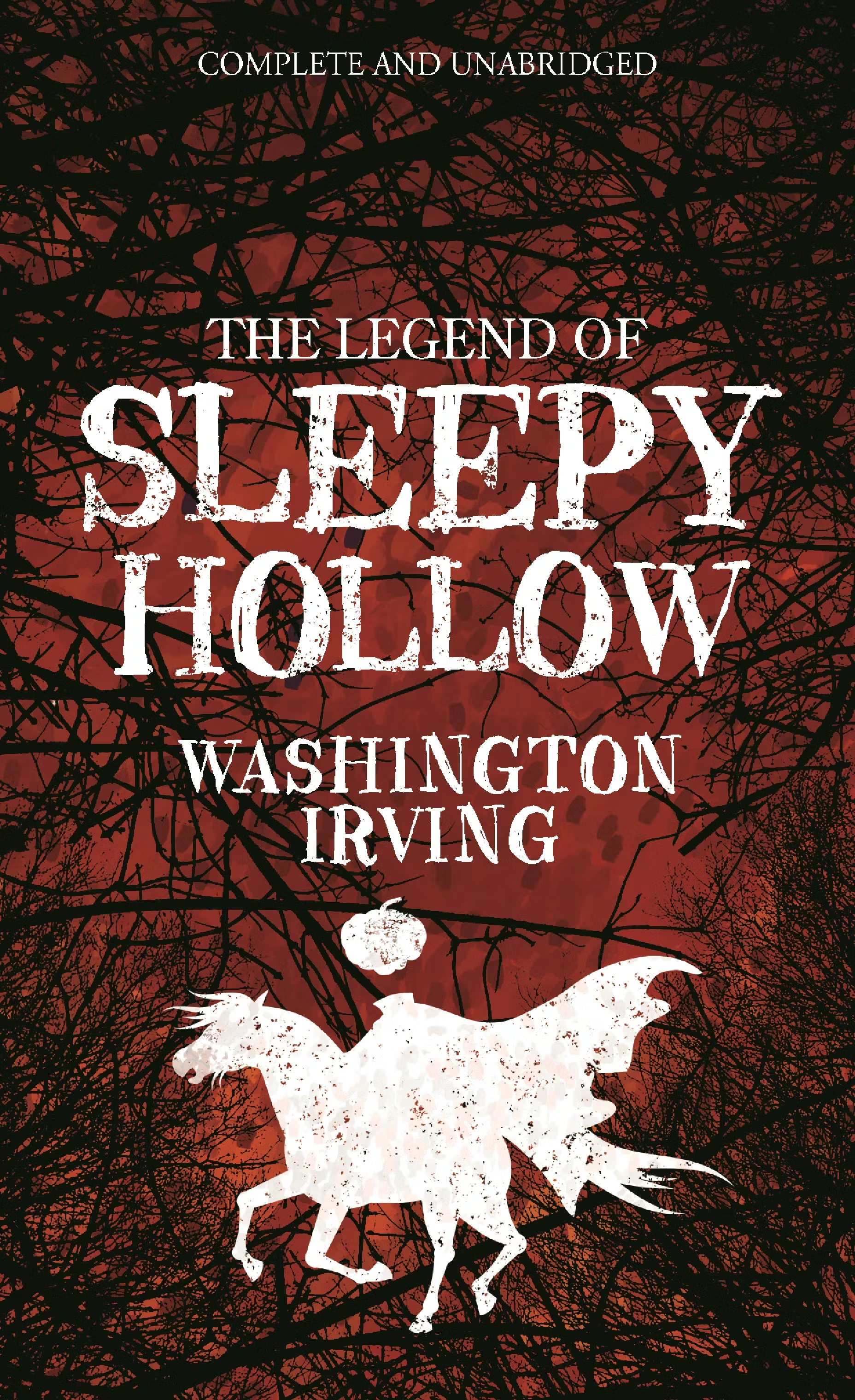
In the United States, the tale was immortalized by Washington Irving’s 1820 short story, The Legend of Sleepy Hollow. Set in New York’s Dutch settlements, Irving’s Headless Horseman is said to be the ghost of a Hessian soldier decapitated during the Revolutionary War, riding nightly in search of his missing head. The story combines humor, horror, and local history, cementing the figure in American cultural memory.

Symbolism and Themes

The Headless Horseman represents unresolved trauma, fear of death, and the power of vengeance. Headlessness symbolizes a loss of identity or incompleteness, reflecting anxieties about mortality. The story’s tension often revolves around the living interacting with the restless dead a theme also common in Celtic and European folklore.

Modern Relevance

The Headless Horseman continues to influence literature, film, and Halloween culture. From adaptations in movies to appearances in video games, the figure has evolved while maintaining its symbolic core: a reminder of the consequences of violent death and the persistent grip of the past on the present.

The Worship of Cernunnos: The Horned God of the Celts

November 26, 2025

Cernunnos, often referred to as the Horned God, is one of the most enigmatic deities in Celtic mythology. Recognizable by his antlered head, Cernunnos is commonly associated with nature, fertility, animals, and the cycle of life and death. Though evidence of his worship is sparse, his depictions on ancient artifacts provide valuable insights into the spiritual beliefs of the Celts.

Historical and Cultural Context

The Celts were a network of tribal societies spread across Europe from the Iron Age into the Roman period. Unlike the more centralized religions of Greece or Rome, Celtic spiritual practices were local, oral, and heavily tied to nature. Cernunnos appears in inscriptions and carvings, such as the famous Gundestrup Cauldron found in Denmark, dating to around the 1st century BCE. These artifacts depict him seated cross-legged, often surrounded by animals or holding a torc, a symbol of nobility and power.

Symbolism and Attributes

Cernunnos is closely tied to fertility and abundance, as suggested by his connection with animals like stags, serpents, and bulls. Antlers represent the vitality and renewal of nature, reflecting the cyclical patterns of the seasons. In some interpretations, he is a mediator between the human and animal realms, a protector of the wild, and a guide of the spiritual journey.

Worship and Rituals

While written accounts are rare, archaeological evidence and Roman observations hint at ritual offerings and ceremonies in natural sites such as groves, rivers, and springs. The torc and coins depicted with Cernunnos suggest that followers might have invoked him for prosperity, protection of livestock, and fertility.

Legacy and Modern Influence

Cernunnos has influenced modern neo-pagan and Druidic movements, where he is revered as a symbol of nature and the interconnectedness of life. In popular culture, his imagery appears in fantasy literature and games, often embodying themes of wilderness, magic, and primal power.

By understanding Cernunnos, we gain a glimpse into how the ancient Celts interpreted the natural world and humanity’s place within it, bridging myth, ritual, and ecological reverence.

← Newer Posts Older Posts →
Featured
image_2025-12-15_234851705.png
Dec 15, 2025
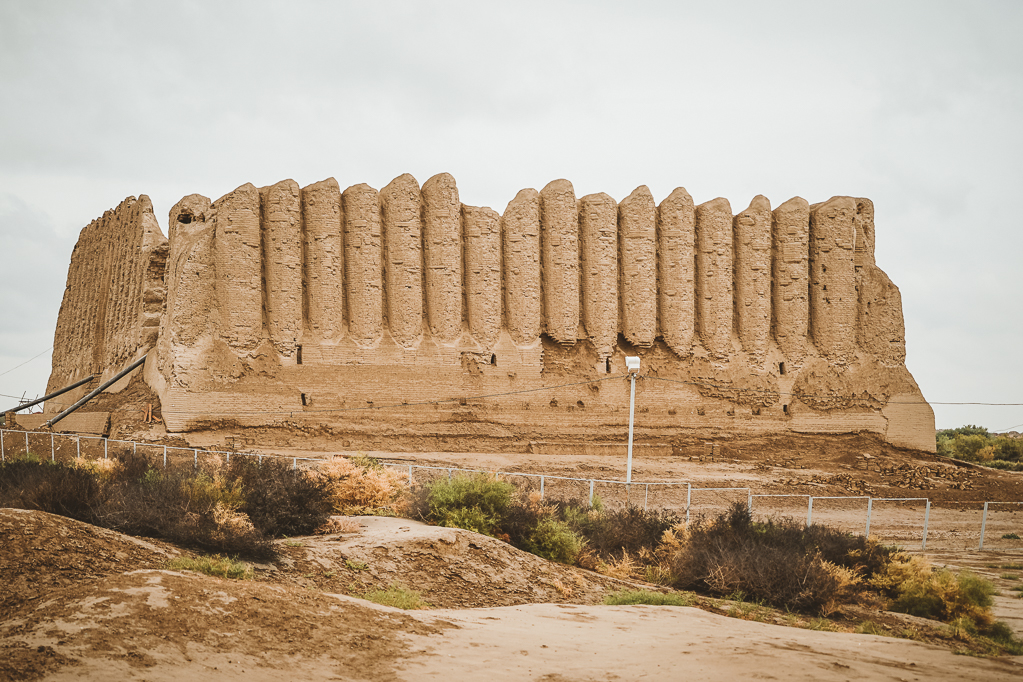
The Forgotten Cities of the Silk Road
Dec 15, 2025
Read More →
Dec 15, 2025
image_2025-12-15_233124511.png
Dec 15, 2025
Fragments of Nazi vengeance weapon discovered in southeastern Poland
Dec 15, 2025
Read More →
Dec 15, 2025
image_2025-12-15_232718017.png
Dec 15, 2025
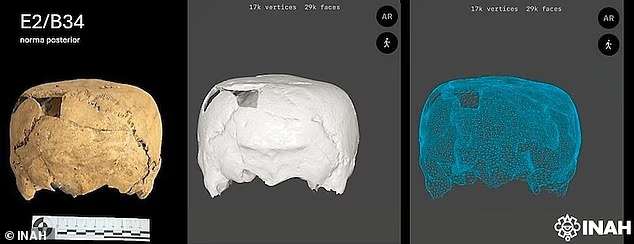
Ancient cubed-shaped skull found in Mexico challenges human history
Dec 15, 2025
Read More →
Dec 15, 2025
image_2025-12-15_230540372.png
Dec 15, 2025
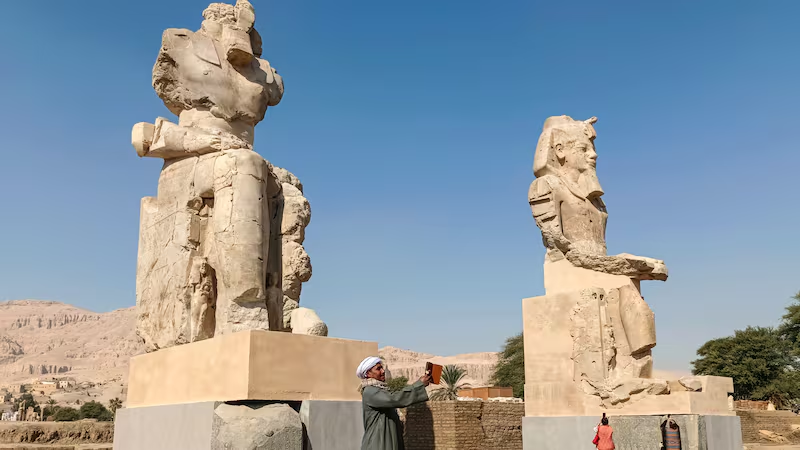
Egypt restores colossal statues of pharaoh 3,200 years after earthquake
Dec 15, 2025
Read More →
Dec 15, 2025
image_2025-12-15_225948467.png
Dec 15, 2025
Rare fresco portraying Jesus discovered in Türkiye's Iznik
Dec 15, 2025
Read More →
Dec 15, 2025
image_2025-12-15_225327255.png
Dec 15, 2025
Archaeological site dating to pre-Christian era discovered in eastern Afghanistan: Statement
Dec 15, 2025
Read More →
Dec 15, 2025
read more

Powered by The archaeologist