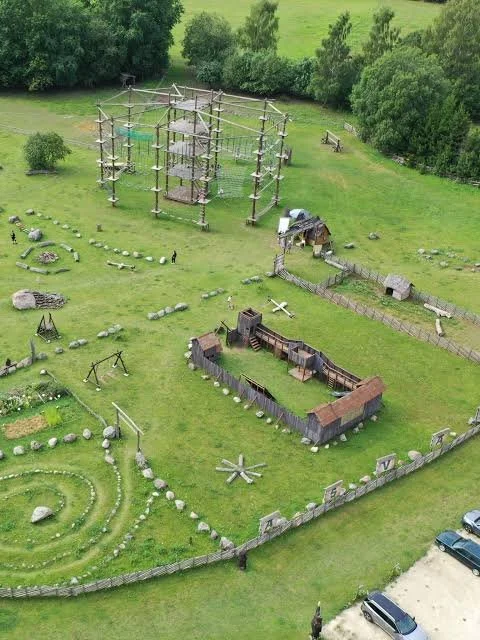
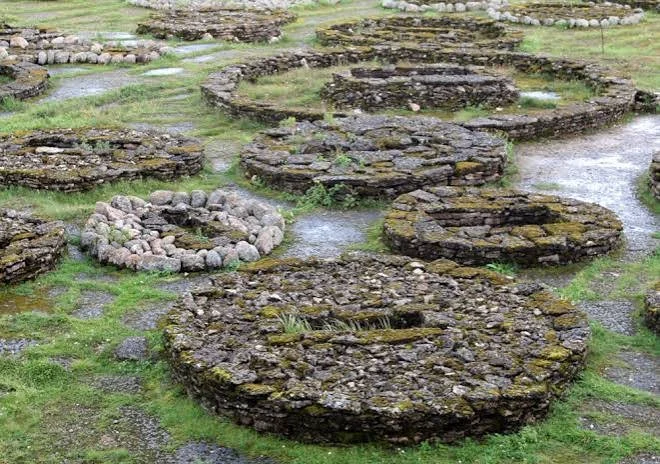
The Silk Road was not a single road but a vast and complex network of land and sea routes that connected East Asia with the Mediterranean world for more than a millennium. Along these routes emerged powerful cities that acted as commercial hubs, cultural crossroads, and centers of knowledge. Merchants, monks, diplomats, and scholars passed through them carrying silk, spices, precious metals, religious ideas, scientific knowledge, and artistic traditions.
Today, many of these once-great cities lie in ruins, buried beneath deserts or absorbed by time. Their rediscovery has transformed our understanding of ancient globalization and the deep interconnectedness of civilizations.
The Rise and Fall of Ancient Trade Hubs
Merv – The Pearl of the East
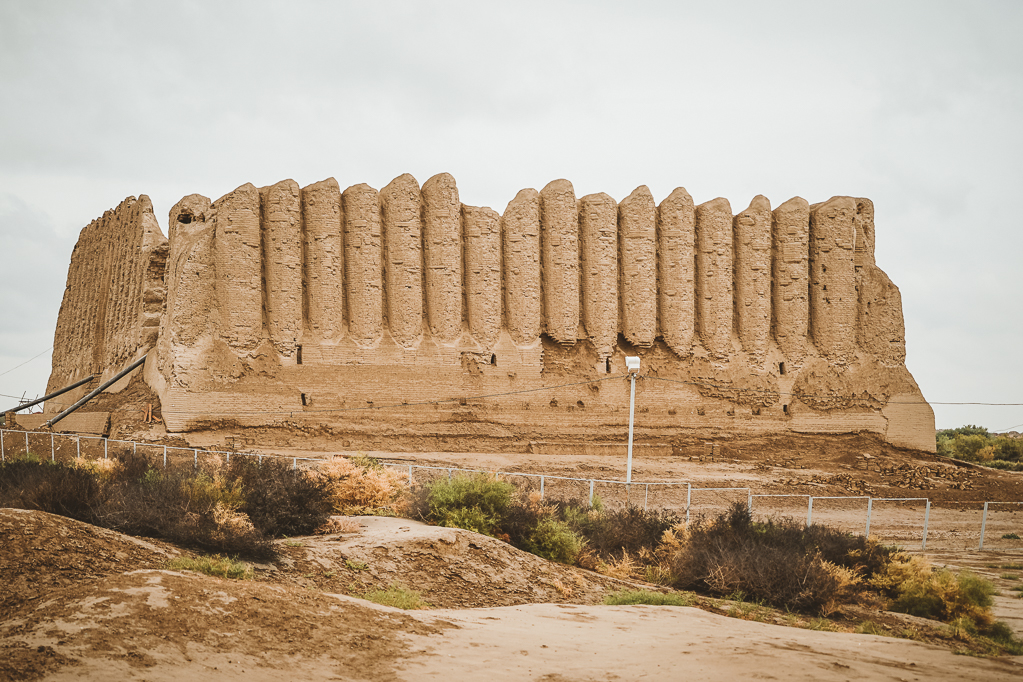
Merv, located in modern-day Turkmenistan, was one of the most important cities on the Silk Road and among the largest cities in the world during its peak. Flourishing under Persian, Islamic, and Seljuk rule, Merv became a center of science, theology, mathematics, and literature. Its libraries and madrasas attracted scholars from across the Islamic world.
The city’s prosperity came to a violent end in 1221 when Mongol forces under Tolui, son of Genghis Khan, sacked Merv. The destruction was so complete that the city never recovered, leaving behind vast ruins that testify to its former grandeur.
Dunhuang – Gateway Between China and Central Asia
Situated at the edge of the Gobi Desert, Dunhuang was a vital stop for caravans entering or leaving China. It served as a cultural and religious bridge between East and West. The city is most famous for the Mogao Caves, a complex of hundreds of cave temples carved into cliffs and filled with Buddhist murals, statues, and manuscripts.
These caves preserve over a thousand years of religious, artistic, and linguistic exchange, documenting how Buddhism traveled from India into China and beyond.
Samarkand – Jewel of Central Asia
Samarkand, in present-day Uzbekistan, stands as one of the most enduring cities of the Silk Road. Its golden age came under the rule of Timur (Tamerlane) in the 14th century, when it became the capital of a vast empire.
The city was renowned for its monumental architecture, including the Registan Square, grand mosques, and observatories. Samarkand also functioned as a center of astronomy, mathematics, and Persian culture, influencing intellectual life far beyond Central Asia.
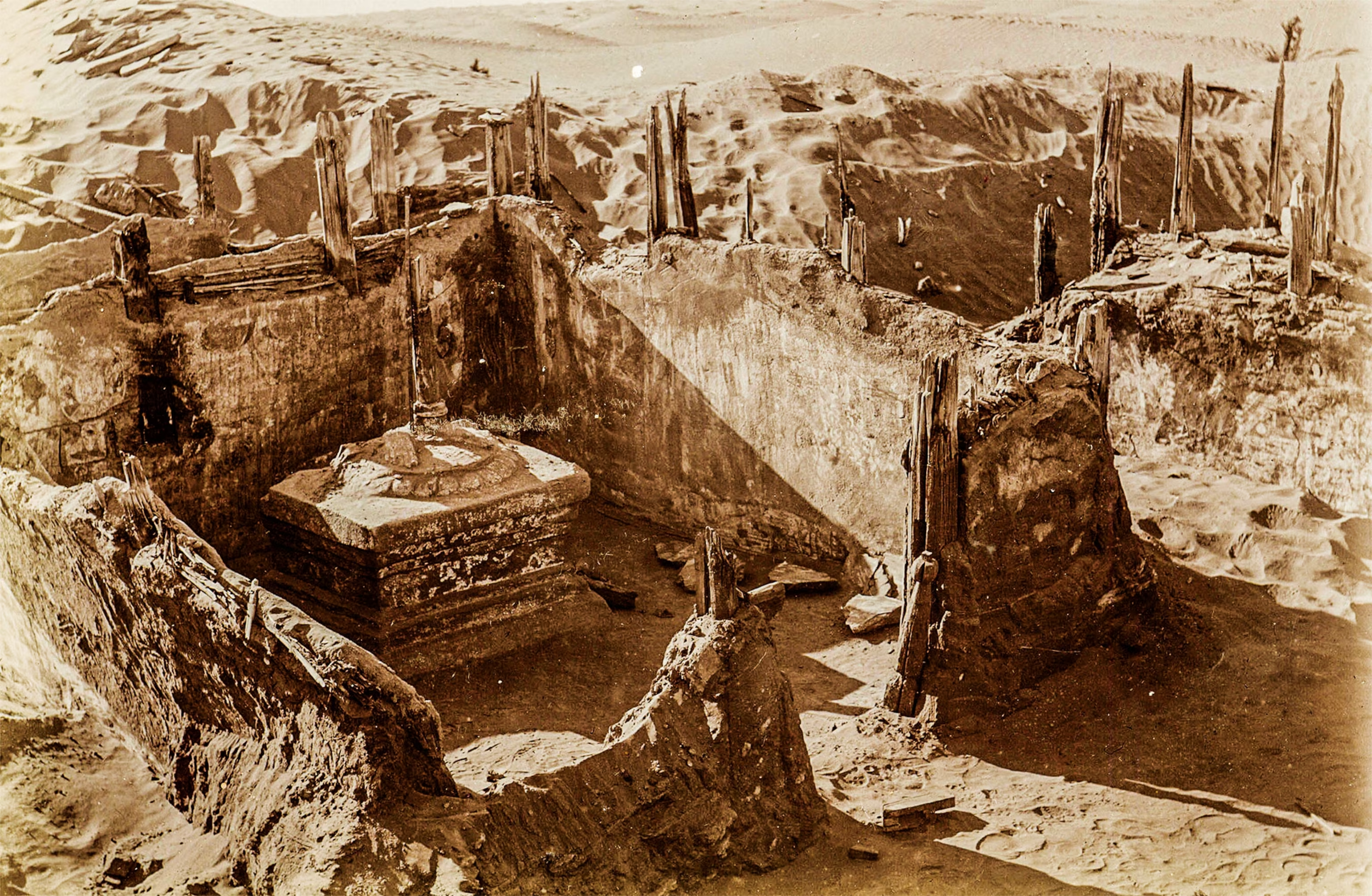
For centuries, many Silk Road cities were known only through historical texts and travelers’ accounts. Modern archaeology has dramatically changed this picture.
Satellite imagery has revealed outlines of long-buried city walls and road networks beneath desert sands. Ground-penetrating radar allows researchers to detect buildings, streets, and canals without disturbing the soil. Excavations have uncovered markets, caravanserais, palaces, temples, and advanced irrigation systems that sustained large urban populations in harsh environments.
Artifacts such as coins, ceramics, textiles, and written documents provide direct evidence of long-distance trade and multicultural interaction. These discoveries confirm that the Silk Road was not merely a route for luxury goods but a living system that supported complex societies.
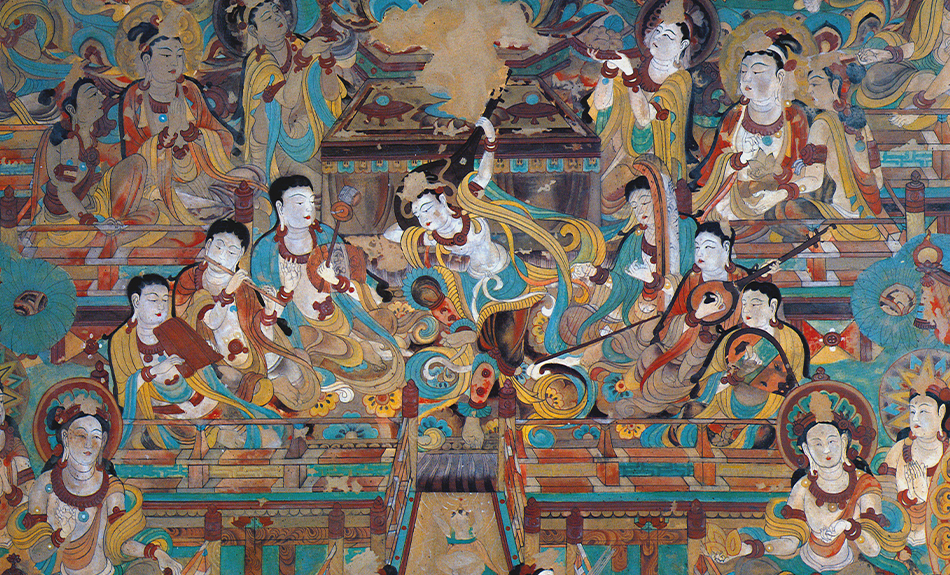
The forgotten cities of the Silk Road were engines of cultural fusion. Religions such as Buddhism, Islam, Christianity, and Zoroastrianism spread through these urban centers, often coexisting within the same city. Artistic styles blended Greek, Persian, Indian, and Chinese elements, creating unique visual traditions.
Scientific and medical knowledge traveled alongside trade goods, contributing to advancements in astronomy, mathematics, medicine, and engineering across Eurasia.
These cities demonstrate that ancient civilizations were far more interconnected than often assumed. Ideas moved as freely as merchants, shaping societies thousands of kilometers apart. Preserving and studying these sites allows modern humanity to better understand the foundations of globalization and cultural exchange.
A Legacy Recovered from the Sands
As archaeological research continues, new sites and artifacts are steadily emerging, filling gaps in our knowledge of Silk Road history. Each discovery adds depth to the story of a world where distant cultures met, traded, debated, and learned from one another.
The forgotten cities of the Silk Road are no longer silent. Through science and scholarship, their voices are once again shaping our understanding of the past and reminding us that civilization has always been built on connection.
Sources
UNESCO – Silk Roads Programme
https://en.unesco.org/silkroadUNESCO World Heritage Centre – Ancient Merv
https://whc.unesco.org/en/list/886British Library – The Silk Roads
https://www.bl.uk/silk-roadsNational Geographic – What Was the Silk Road?
https://www.nationalgeographic.com/history/article/silk-roadMetropolitan Museum of Art – Art of the Silk Road
https://www.metmuseum.org/toah/hd/silk/hd_silk.htm