• MAIN PAGE
  • LATEST NEWS
    • Lost Cities
    • Archaeology's Greatest Finds
    • Underwater Discoveries
    • Greatest Inventions
    • Studies
    • Blog
  • PHILOSOPHY
  • HISTORY
  • RELIGIONS
    • Africa
    • Anatolia
    • Arabian Peninsula
    • Balkan Region
    • China - East Asia
    • Europe
    • Eurasian Steppe
    • Levant
    • Mesopotamia
    • Oceania - SE Asia
    • Pre-Columbian Civilizations of America
    • Iranian Plateau - Central Asia
    • Indus Valley - South Asia
    • Japan
    • The Archaeologist Editor Group
    • Scientific Studies
    • Aegean Prehistory
    • Historical Period
    • Byzantine Middle Ages
    • Predynastic Period
    • Dynastic Period
    • Greco-Roman Egypt
  • Rome
  • PALEONTOLOGY
  • About us
Menu

The Archaeologist

  • MAIN PAGE
  • LATEST NEWS
  • DISCOVERIES
    • Lost Cities
    • Archaeology's Greatest Finds
    • Underwater Discoveries
    • Greatest Inventions
    • Studies
    • Blog
  • PHILOSOPHY
  • HISTORY
  • RELIGIONS
  • World Civilizations
    • Africa
    • Anatolia
    • Arabian Peninsula
    • Balkan Region
    • China - East Asia
    • Europe
    • Eurasian Steppe
    • Levant
    • Mesopotamia
    • Oceania - SE Asia
    • Pre-Columbian Civilizations of America
    • Iranian Plateau - Central Asia
    • Indus Valley - South Asia
    • Japan
    • The Archaeologist Editor Group
    • Scientific Studies
  • GREECE
    • Aegean Prehistory
    • Historical Period
    • Byzantine Middle Ages
  • Egypt
    • Predynastic Period
    • Dynastic Period
    • Greco-Roman Egypt
  • Rome
  • PALEONTOLOGY
  • About us

A Sword Made for a Giant: 5 Most Massive Ancient Weapons Used in Battle

February 28, 2024

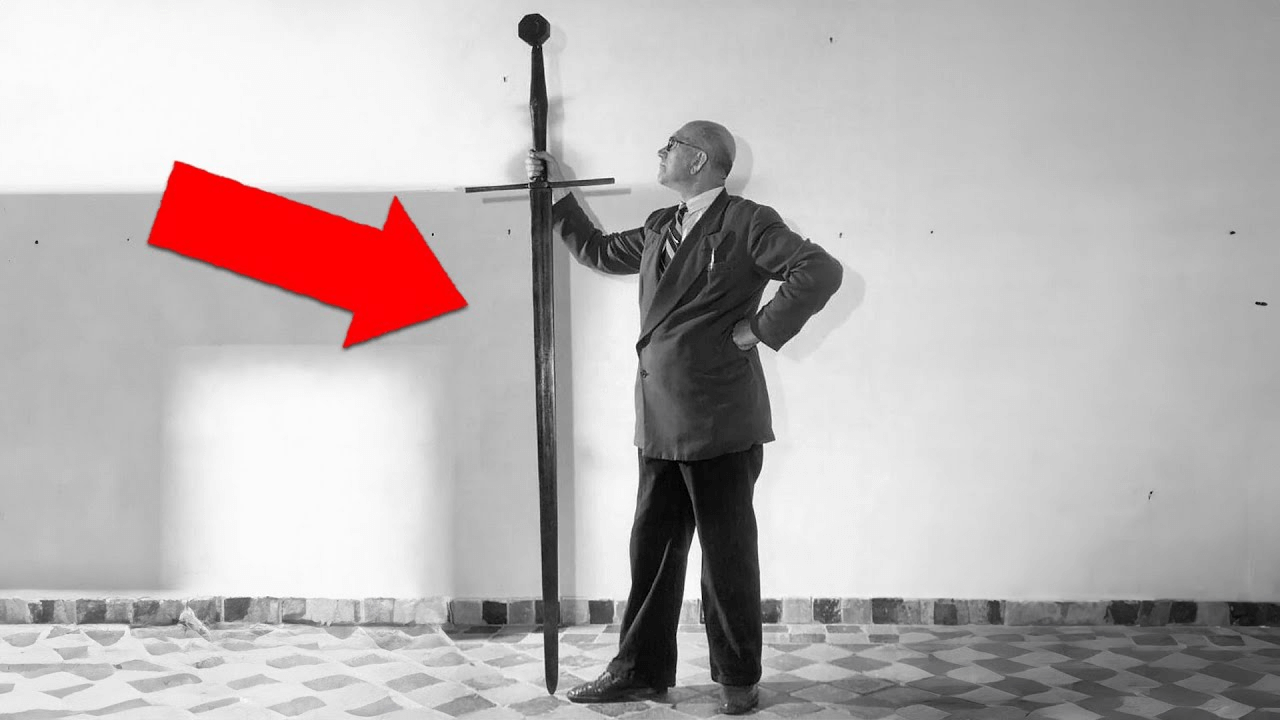
In the land of Frisia, there lived a man named Pier Gerlofs Donia, also known as Grutte Pier or 'Big Pier.' Standing at a towering height of 7 feet, Pier was renowned for his extraordinary strength and resilience.

One fateful day in 1515, tragedy struck Pier's peaceful life as a farmer. His home was ravaged, his wife slain, and his farm reduced to ashes by the Black Band, mercenaries serving the Vetkopers.

Consumed by grief and fury, Pier took up arms against his oppressors, wielding a massive two-handed sword unlike any seen before. With this formidable weapon in hand, he became a symbol of resistance, striking fear into the hearts of his enemies.

Despite skepticism surrounding the authenticity of his legendary sword, recent research by the Fries Museum suggests that it may indeed have belonged to Grutte Pier himself, adding credence to the tales of his epic battles and heroic deeds.

In the annals of history, the legacy of Grutte Pier endures as a testament to the indomitable spirit of those who dare to challenge injustice and tyranny. Whether fact or folklore, the Sword of Grutte Pier remains a symbol of defiance and valor, inspiring generations to stand up against oppression and fight for what is right.
← The Forgotten Story of How British Redcoats Took on Japanese Samurais12 Most Amazing Archaeological Finds →
Featured
image_2026-01-28_190316644.png
Jan 28, 2026
Additional €350k in funding for scheme to safeguard Irish UNESCO World Heritage sites announced
Jan 28, 2026
Read More →
Jan 28, 2026
image_2026-01-28_190002439.png
Jan 28, 2026
Twisting Narratives on the History of “Khom” and the Authentic Heritage of Prasat Chan
Jan 28, 2026
Read More →
Jan 28, 2026
image_2026-01-28_184510824.png
Jan 28, 2026
The Taş Tepeler Horizon Expands: Göbeklitepe-Style T-Pillars Discovered in Adıyaman
Jan 28, 2026
Read More →
Jan 28, 2026
image_2026-01-28_184059199.png
Jan 28, 2026
Long before Cleopatra, another female pharaoh redefined ancient Egyptian power
Jan 28, 2026
Read More →
Jan 28, 2026
image_2026-01-28_181544431.png
Jan 28, 2026
Bronze Age secrets unearthed at Northumberland dig site
Jan 28, 2026
Read More →
Jan 28, 2026
image_2026-01-28_180229695.png
Jan 28, 2026
Discovery of monumental sacred lake at Karnak
Jan 28, 2026
Read More →
Jan 28, 2026
read more

Powered by The archaeologist