Sacrificial victims in mass burials were mostly male, while burial attendants for nobles or elites were overwhelmingly female, study finds
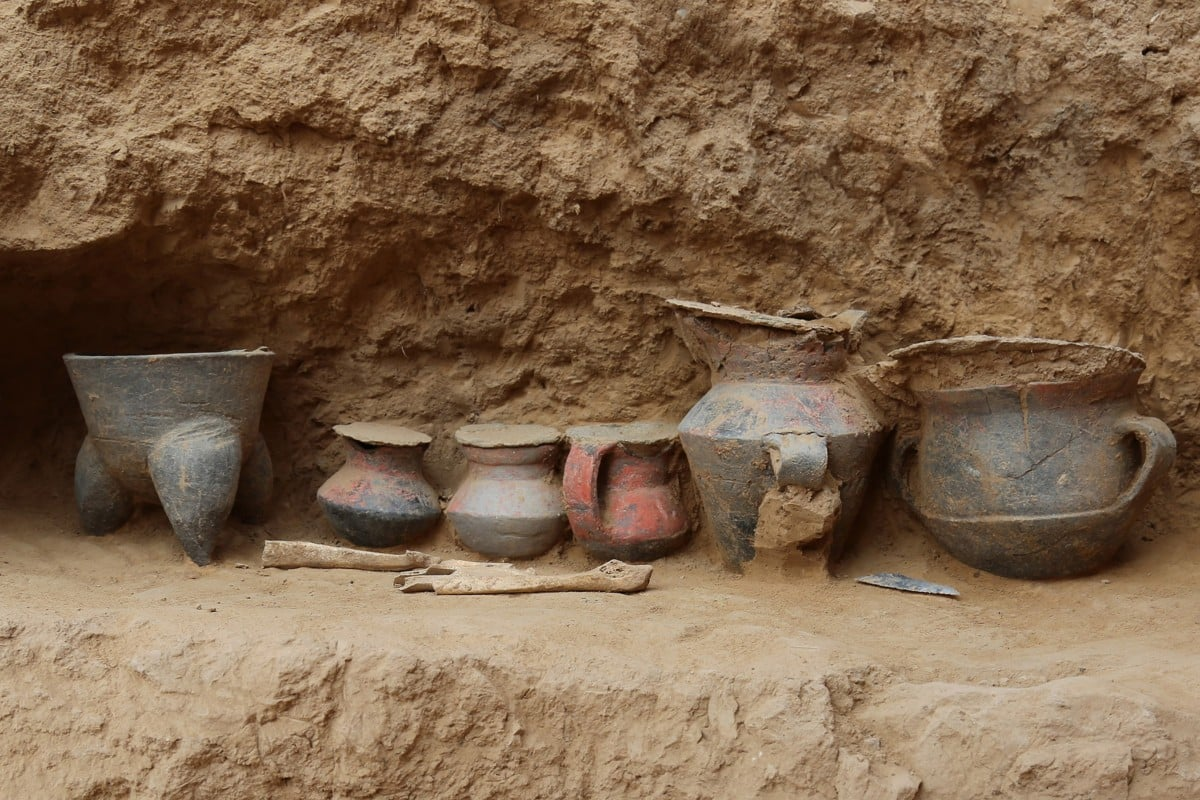
Female sacrifice in China occurred much earlier than previously thought, according to a new study analyzing ancient DNA.
The research, conducted by Chinese archaeologists and anthropologists, examined elite burials at a major Stone Age settlement in northwestern China and found evidence of an early hierarchical society. The study also indicates that sacrificial practices were influenced by gender, with different types of rituals performed for men and women.
Shimao, situated in the Yellow River valley in Shaanxi province, is one of China’s largest prehistoric settlements and dates to the late Neolithic period, roughly 3,800–4,300 years ago. By sequencing over 100 ancient genomes from Shimao and its satellite sites, researchers discovered that victims in mass burials, likely intended for public ritual purposes, were primarily male. In contrast, females were overwhelmingly buried as attendants alongside dead nobles or elite individuals.
“These findings reveal a predominantly patrilineal descent structure across Shimao communities and possibly sex-specific sacrificial rituals,” the team reported in a paper published in Nature.
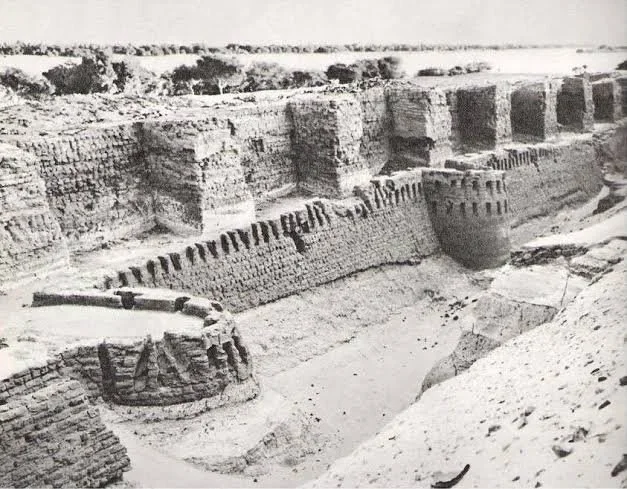
Shimao itself spans approximately 4 square kilometers (1.5 square miles) and sits on the edge of the northern Loess Plateau and the Ordos Desert. The settlement exhibits hallmarks of state-level societies, including craft production, massive fortifications, social stratification, and extensive human sacrifice.