Introduction: The Monoliths of the Sun
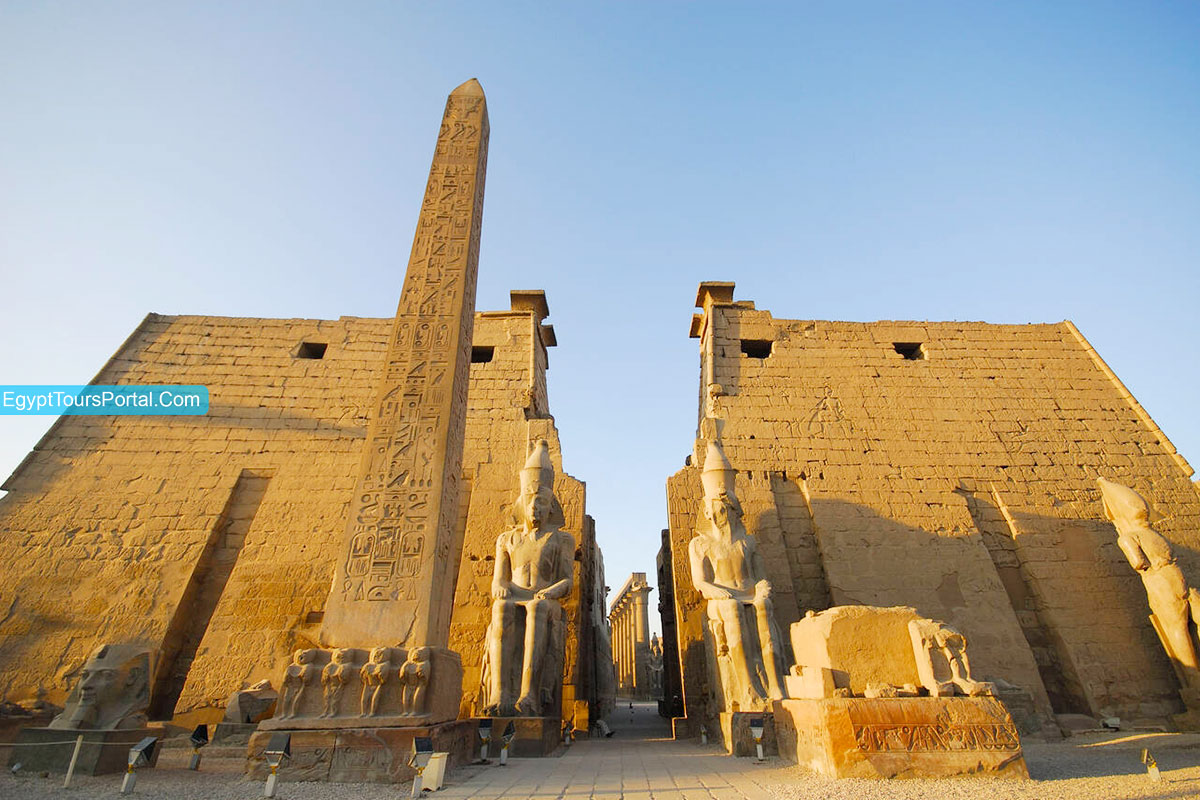
To the ancient Egyptians, the obelisk—known as a tekhenu—was not merely a monument; it was a solidified ray of the sun god Ra, bridging the earthly realm with the divine. Carved out of a single, continuous block of stone, these towering monoliths stood as supreme symbols of imperial power, religious devotion, and engineering dominance.
What makes Egyptian obelisks a perennial wonder of the ancient world is the sheer scale of their production. They were not constructed out of modular blocks; they were extracted as single pieces of stone weighing hundreds of tons, moved over hundreds of miles of water, and erected with hair-trigger precision. Pulling this off required an advanced grasp of geology, metallurgy, structural physics, and logistical organization that stretched the limits of Bronze Age technology.
1. The Source: The Granite Quarries of Aswan
Virtually all of Egypt’s grandest obelisks began their journeys in a single geographical location: the pink granite quarries of Aswan, located at the southern border of Egypt.
The Material: Monumental obelisks required a highly specific stone known as monumental pink granite (or syenite). This igneous rock is exceptionally dense, highly resistant to weathering, and capable of taking a mirror-like polish.
The Geological Flaw: Granite is notoriously hard to work with. Because it lacks natural sedimentary bedding planes, it cannot be easily split with standard wedges along straight lines. If a crack or internal flaw developed during the extraction process, the entire project had to be abandoned immediately.
2. The Quarrying Process: Pounding with Dolerite
Because the ancient Egyptians of the Old and New Kingdoms did not possess iron tools—relying instead on copper and bronze chisels that were far too soft to dent granite—they had to invent a completely different method of quarrying.
Dolerite Hammers: To extract the stone, workers used spherical balls of dolerite, an incredibly hard, dense volcanic rock sourced from the eastern desert. These hammers weighed anywhere from 9 to 12 pounds.
The Pounding Method: Rather than cutting the stone, teams of laborers stood over the granite bed and repeatedly dropped or slammed these dolerite balls onto the rock face. This mechanical pounding crushed the granite matrix into a fine powder, centimeter by centimeter.
Trench Excavation: Workers cleared away the stone dust by hand, gradually pounding out deep vertical trenches around the perimeter of the intended obelisk shape. To extract a 300-ton monolith, teams had to work in shifts for months, creating a deafening rhythm of continuous pounding inside the quarry walls.
3. Detaching the Monolith from the Bed
Once the top and four sides of the obelisk were fully exposed in the trench, the most perilous engineering step remained: freeing the massive underside of the monument from the bedrock.
The Sycamore Wedge Method: Workers pounded deep, horizontal slots along the bottom base line of the obelisk. They then hammered dry wedges of sycamore wood tightly into these slots.
The Expansion Force: Once the wooden wedges were firmly in place, they were saturated with water. As the dry wood absorbed the moisture, it expanded with immense, uniform force. This systematic internal pressure cracked the granite cleanly along the designated baseline, snapping the obelisk free from its ancient bedrock foundation without shattering the main shaft.
4. Overland Haulage to the Nile
Once detached, the obelisk had to be moved out of the rugged, uneven quarry landscape down to the banks of the Nile River.
The Clearing and Rolling: Laborers cleared a wide, flat pathway out of the quarry. The obelisk was jacked up using heavy wooden levers, slipped onto massive sledges made from imported Lebanese cedar, and securely lashed with thick ropes woven from papyrus and palm fiber.
The Power of Sledges: The Egyptians did not use wheeled carts, as wheels would immediately sink and shatter under a 300-ton load. Instead, thousands of conscripted laborers pulled the sledge across a prepared trackway of wet clay or silt, which acted as a lubricant to reduce friction between the wooden runner and the ground.
5. Maritime Transport: The Nile Barges
The long-distance transport from Aswan to the religious capital of Thebes (Luxor) or Heliopolis was accomplished entirely by water during the annual Nile inundation.
The Mega-Barges: Queen Hatshepsut’s officials recorded the construction of a titanic wooden barge specifically designed to transport two massive obelisks simultaneously. This vessel was over 200 feet long and was constructed using complex internal structural ribbing to prevent the heavy stone from snapping the ship's hull in half (hogging).
The Inundation Window: Shippers timed the loading perfectly with the annual flooding of the Nile (Akhet). The high water level allowed the deep-draft cargo barges to float over shallow sandbars and sail directly into specialized canals dug right up to the temple building sites.
The Towing Armada: Because a barge laden with hundreds of tons of granite had no maneuverability, it was towed downriver by an armada of smaller, multi-oared steering boats. Hatshepsut's inscriptions detail a fleet of 30 towing vessels powered by more than 850 individual oarsmen keeping the monolith steady against the river's current.
6. Archaeological Archive: The Unfinished Obelisk
The absolute validation of these ancient engineering steps remains perfectly preserved in situ today at the northern quarry of Aswan: The Unfinished Obelisk.
The Scale: If completed, this colossal monument would have stood 137 feet (42 meters) tall and weighed an estimated 1,200 tons—making it the largest single piece of stone ever worked by ancient humanity.
The Fatal Flaw: As workers neared the final stages of trenching the monument, a massive horizontal crack tore through the center of the granite shaft. The project was immediately ruined and abandoned where it lay.
The Scientific Legacy: Because it was left completely abandoned mid-process, the Unfinished Obelisk serves as a pristine archaeological snapshot. It preserves the exact dolerite pounding marks, the layout lines painted in red ochre, and the step-by-step tool paths of the ancient builders, providing modern science with the definitive blueprint for how the pharaohs carved out their eternal monuments to the sun.