Introduction: The Shockwave from the Sea
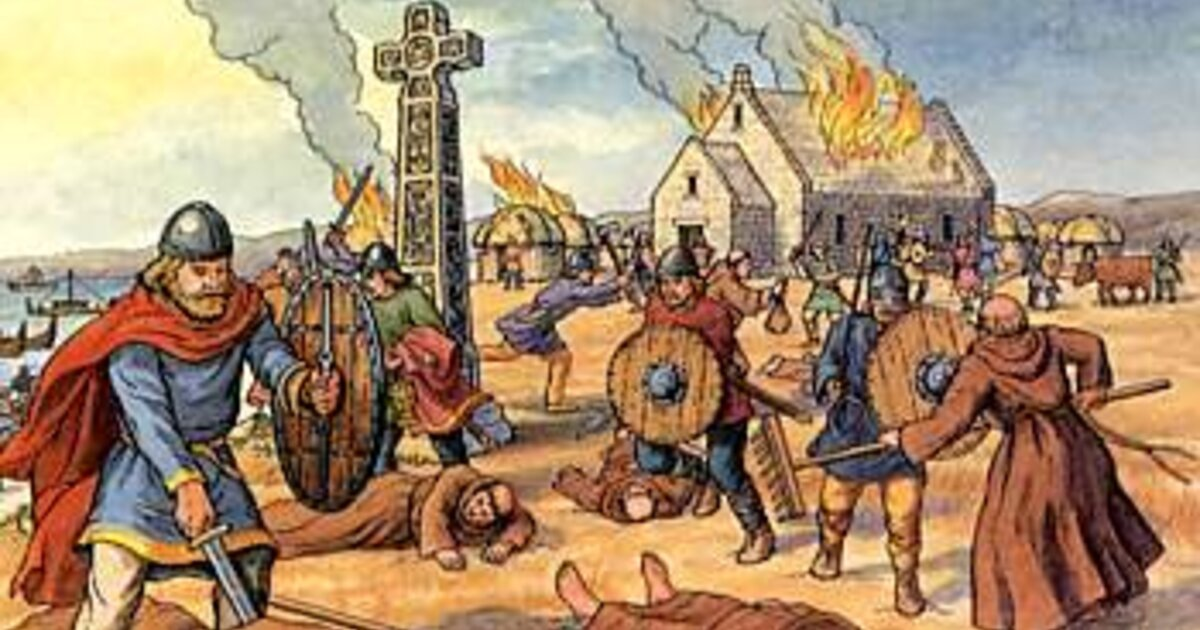
On June 8, 793 AD, a fleet of sleek, shallow-draft vessels materialized off the coast of Northumbria, carrying a crew of seafaring raiders from Scandinavia. Their target was Lindisfarne, a tidal island home to a wealthy, isolated monastery dedicated to St. Cuthbert. The sudden, brutal assault that followed did not just result in the plundering of gold and the slaughter of monks—it shattered the psychological security of Western Christendom.
While sporadic maritime skirmishes had occurred prior, the sack of Lindisfarne is universally recognized by historians as the definitive catalyst for the Viking Age. The raid exposed a profound systemic vulnerability: the wealthy, spiritual epicenters of Europe were completely undefended, sitting directly on exposed coastlines. By combining terror tactics with revolutionary maritime engineering, the Norsemen redrew the geopolitical, cultural, and economic map of Europe for the next three centuries.
1. The Strategic Target: Why Lindisfarne?
Lindisfarne, also known as Holy Island, was not a random choice, but an ideal target for a lightning strike.
The Wealth of the Church: As a premier center of pilgrimage and learning, the monastery was a treasure house. It held priceless reliquaries, gold-plated crucifixes, gem-studded book covers (such as the Lindisfarne Gospels), and vast stores of silver coin donated by Anglo-Saxon kings.
The Pacifist Defenses: Monasteries were designed for contemplation, not siege warfare. The monks were unarmed, bound by religious vows of peace, and completely lacked military fortifications or standing guards.
The Ideological Shock: In the 8th century, sacred spaces were believed to be under divine protection. The fact that pagans could violate the sanctuary of St. Cuthbert without being struck down by God sent an existential shockwave through the Christian kingdoms of Europe.
2. The Technological Catalyst: The Norse Longship
The Lindisfarne raid was only possible due to a centuries-long evolution in Scandinavian naval architecture. The Viking longship was the ultimate stealth bomber of the Early Middle Ages.
The Clinker Method: Longships were constructed using overlapping oak planks riveted together. This made the hull incredibly flexible, allowing the ship to flex and ride with the waves of the North Sea rather than crashing against them.
The Shallow Draft: A standard longship drew less than three feet of water. This engineering triumph meant the raiders did not need a deep-water harbor; they could sail directly onto shallow sandy beaches, drop men into knee-deep water, attack, and retreat before a local militia could be raised.
Sails and Oars: The hybrid propulsion system combined a massive square sail for open-ocean speed with rows of oars for precise maneuvering, allowing them to sail against the wind and navigate tricky tidal currents surrounding islands like Lindisfarne.
3. Anatomy of a Hit-and-Run Raid
The Lindisfarne assault established the tactical playbook for early Viking warfare, prioritizing speed, violence, and immediate extraction.
[ EXTENDED RECON ] ──► [ OCEAN CROSSING ] ──► [ BEACH LANDING ] ──► [ PLUNDER & TERROR ] ──► [ RAPID RETREAT ]
Surprise and Speed: The raiders struck at dawn, riding the high tide over the flats. By the time the monks spotted the sails on the horizon, the longships were already grinding onto the shore.
Psychological Warfare: The Norsemen utilized absolute violence to paralyze resistance. Contemporary accounts describe them smashing altars, hacking down elder monks, drowning others in the sea, and binding young novices as slaves.
Surgical Looting: The Vikings targeted high-value, low-weight commodities. They stripped gold and silver off book bindings, threw away the parchment (which held no value to them), packed the treasure into chests, loaded their captive slaves, and sailed away within hours.
4. Alcuin’s Lament: The Intellectual Reaction
The most vivid contemporary record of the raid comes from Alcuin of York, a leading Anglo-Saxon scholar serving at the court of Charlemagne. His letters capture the profound dread felt across Europe.
"Behold, the church of St. Cuthbert splattered with the blood of the priests of God, despoiled of all its ornaments... Never before has such terror appeared in Britain as we have now suffered from a pagan race, nor was it thought that such an inroad from the sea could be made."
— Alcuin, Letter to King Æthelred of Northumbria
Alcuin, along with other Christian thinkers, did not view the Vikings as a political enemy, but as an instrument of divine wrath. They believed the raid was a punishment sent by God for the moral failings, political infighting, and sins of the Anglo-Saxon kingdoms.
5. Geopolitical Aftermath: The Fragmented British Kingdoms
The raid on Lindisfarne exposed the structural political weakness of Anglo-Saxon England, setting the stage for future colonization.
KingdomStatus in 793 ADVulnerability to Viking ExpansionNorthumbriaParalyzed by civil wars and succession crisesLost its spiritual heart; fell to the Great Heathen Army in 866 ADMerciaDominated the south under King Offa, but overextendedInternal divisions allowed subsequent Viking partitioningWessexMinor southern kingdom recovering from border disputesRemained isolated, eventually becoming the lone holdout against total Norse conquest
6. Legacy: The Opening of the Micro-Empire
The sack of Lindisfarne transformed the Scandinavian world from an isolated tribal society into a predatory maritime empire.
The success of the 793 AD raid proved that the West possessed infinite wealth with zero defensive capabilities. Within a few decades, individual, sporadic hit-and-run raids escalated into massive, organized fleets. The Vikings stopped merely plundering the coasts and began overwintering, establishing permanent bases, and eventually invading with the Great Heathen Army to conquer and settle the lands. Lindisfarne was the opening bell of a new era—one where the North Sea became a highway for conquest, commerce, and cultural synthesis that permanently reshaped European history.