• MAIN PAGE
  • LATEST NEWS
    • Lost Cities
    • Archaeology's Greatest Finds
    • Underwater Discoveries
    • Greatest Inventions
    • Studies
    • Blog
  • PHILOSOPHY
  • HISTORY
  • RELIGIONS
    • Africa
    • Anatolia
    • Arabian Peninsula
    • Balkan Region
    • China - East Asia
    • Europe
    • Eurasian Steppe
    • Levant
    • Mesopotamia
    • Oceania - SE Asia
    • Pre-Columbian Civilizations of America
    • Iranian Plateau - Central Asia
    • Indus Valley - South Asia
    • Japan
    • The Archaeologist Editor Group
    • Scientific Studies
    • Aegean Prehistory
    • Historical Period
    • Byzantine Middle Ages
    • Predynastic Period
    • Dynastic Period
    • Greco-Roman Egypt
  • Rome
  • PALEONTOLOGY
  • About us
Menu

The Archaeologist

  • MAIN PAGE
  • LATEST NEWS
  • DISCOVERIES
    • Lost Cities
    • Archaeology's Greatest Finds
    • Underwater Discoveries
    • Greatest Inventions
    • Studies
    • Blog
  • PHILOSOPHY
  • HISTORY
  • RELIGIONS
  • World Civilizations
    • Africa
    • Anatolia
    • Arabian Peninsula
    • Balkan Region
    • China - East Asia
    • Europe
    • Eurasian Steppe
    • Levant
    • Mesopotamia
    • Oceania - SE Asia
    • Pre-Columbian Civilizations of America
    • Iranian Plateau - Central Asia
    • Indus Valley - South Asia
    • Japan
    • The Archaeologist Editor Group
    • Scientific Studies
  • GREECE
    • Aegean Prehistory
    • Historical Period
    • Byzantine Middle Ages
  • Egypt
    • Predynastic Period
    • Dynastic Period
    • Greco-Roman Egypt
  • Rome
  • PALEONTOLOGY
  • About us

Ancient Ice Age Civilizations Beneath the Glaciers

January 15, 2026

Introduction:
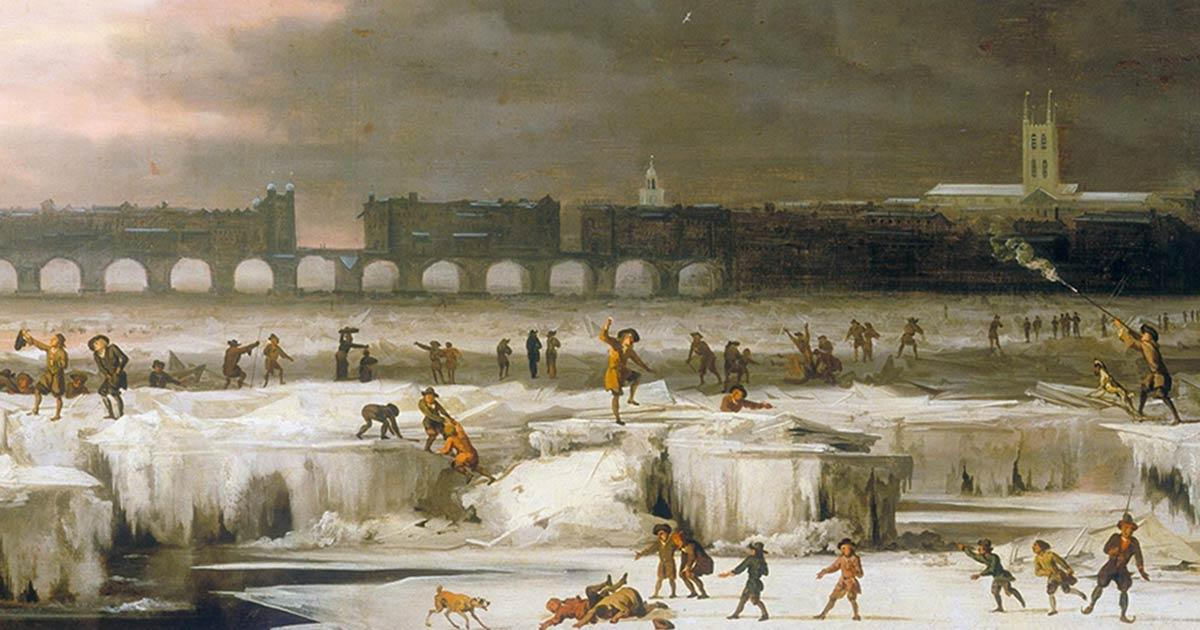
During the Ice Age, much of the Earth was covered in glaciers. Recent studies suggest that humans may have lived, hunted, and traded beneath or near these ice sheets, adapting to extreme conditions and leaving traces still being discovered today.

Archaeological Evidence:

  • Beringia (Alaska-Siberia): Land bridges exposed during glacial periods allowed migration and early settlements. Artifacts, tools, and animal bones indicate complex survival strategies.

  • Scandinavian Glacial Sites: Preserved camps and tools show adaptation to cold climates, with clothing, shelters, and communal organization.

Adaptations and Technologies:
Humans developed sophisticated tools, insulated shelters, and hunting strategies. Ice-age populations mastered animal skins, fire, and seasonal migration. Some evidence suggests rudimentary social hierarchies, ceremonial practices, and long-distance trade.

Myths and Legends:
Many Ice Age myths, such as giants, frost beings, or primordial civilizations, may stem from memories of early glacial communities. Oral traditions could have preserved stories of survival in extreme environments.

Conclusion:
Exploring Ice Age civilizations beneath glaciers highlights humanity’s resilience and adaptability. These early communities laid the foundations for later settlements, showing that human ingenuity has always thrived even in the harshest conditions.

← The First Warriors Who Wore Animal Skins as ArmorThe Lost Gold Mines of Ancient Empires →
Featured
image_2026-01-15_205040149.png
Jan 15, 2026
Ancient Acoustic Chambers with Mysterious Echoes
Jan 15, 2026
Read More →
Jan 15, 2026
image_2026-01-15_204746638.png
Jan 15, 2026
The First People Who Tried to Predict the Future
Jan 15, 2026
Read More →
Jan 15, 2026
image_2026-01-15_204706612.png
Jan 15, 2026
Ancient Roads That Changed the World Forever
Jan 15, 2026
Read More →
Jan 15, 2026
image_2026-01-15_203918136.png
Jan 15, 2026
Pyramids That Are Older Than Egypt
Jan 15, 2026
Read More →
Jan 15, 2026
image_2026-01-15_203232878.png
Jan 15, 2026
The Secret Poison Masters of Antiquity
Jan 15, 2026
Read More →
Jan 15, 2026
image_2026-01-15_202105020.png
Jan 15, 2026
Moon Worship Before the Dawn of History
Jan 15, 2026
Read More →
Jan 15, 2026
read more

Powered by The archaeologist