Secrets in Harsh Landscapes
Deserts are often seen as empty and lifeless, but beneath their vast, dry surfaces lie traces of ancient civilizations. These harsh landscapes have preserved evidence of human activity for thousands of years, offering a unique window into the past.
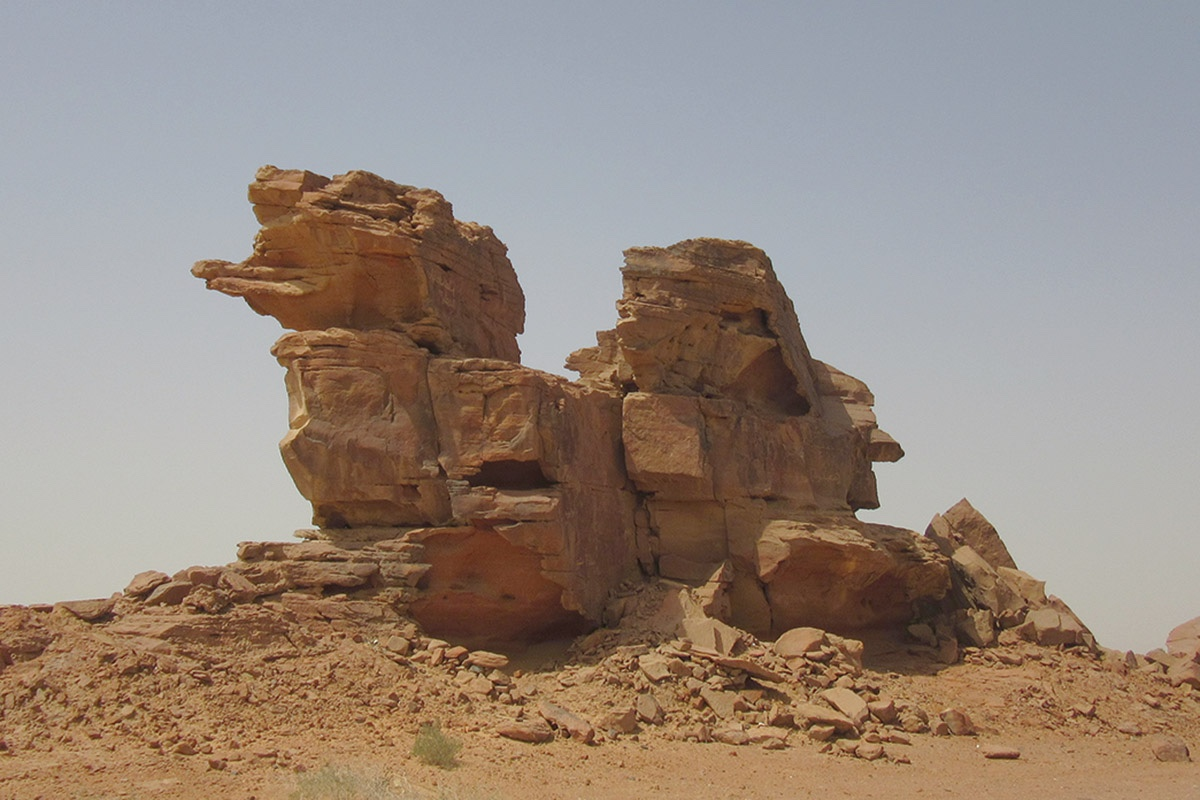
Rock formations in desert regions often contain carvings, engravings, and structures that suggest a once-thriving human presence. These features raise important questions about how ancient people lived, traveled, and interacted with their environment.
Despite extreme conditions, deserts may have once been more hospitable. Changes in climate over time could have transformed these regions, leaving behind evidence of cultures that adapted to shifting environments.
Unexplained Carvings
One of the most intriguing features found in desert rock formations is the presence of petroglyphs—images carved directly into stone. These carvings often depict animals, human figures, geometric patterns, and symbolic shapes.
While some of these images are clearly linked to daily life, others remain difficult to interpret. Their meanings are often debated by researchers, as there are no written records to explain them.
Some carvings may represent spiritual beliefs or rituals, while others could be maps, messages, or artistic expressions. The lack of clear answers adds to their mystery and continues to inspire research and exploration.
Mysterious Alignments
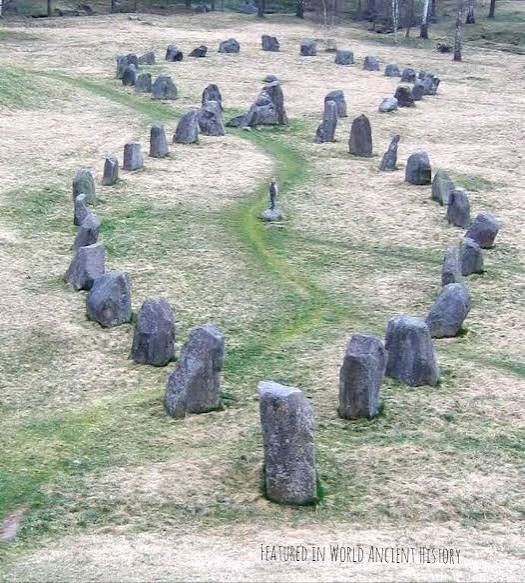
In addition to carvings, some desert formations appear to be intentionally arranged or aligned. Certain structures line up with the sun, stars, or seasonal changes, suggesting that ancient people had a strong understanding of astronomy.
These alignments may have been used to track time, mark important events, or guide rituals. For example, the position of the sun during solstices could have been used to determine planting seasons or religious festivals.
The precision of these alignments is impressive, especially considering the limited tools available at the time. It highlights the ingenuity and observational skills of ancient societies.
Cultural and Spiritual Significance
Desert rock formations were likely more than just practical tools—they were also deeply symbolic. Many may have served as sacred spaces where rituals and ceremonies took place.
The act of carving into stone itself may have held meaning, representing a connection between humans and the natural world. These sites could have been places of storytelling, teaching, or spiritual reflection.
Ongoing Discoveries
Modern technology is helping researchers uncover more about these mysterious sites. Satellite imagery, drones, and advanced mapping techniques allow archaeologists to identify patterns and structures that are not visible from the ground.
Each new discovery adds to our understanding, but also raises new questions. Why were certain symbols used? What do the alignments mean? Who created these formations, and why?
A Puzzle of the Past
Desert rock formations remain one of archaeology’s most fascinating puzzles. They remind us that even in the most unlikely places, human history can be found.
These mysteries continue to challenge researchers and capture the imagination, offering glimpses into cultures that have long since disappeared.