From Images to Language
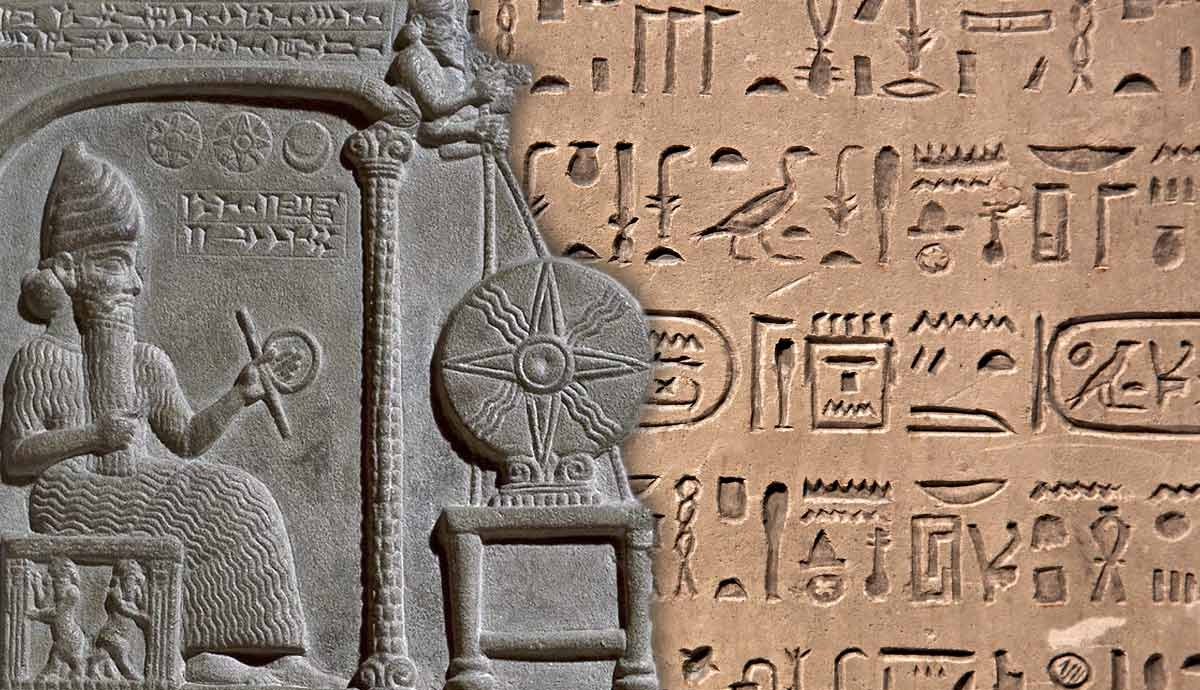
The story of writing begins with simple images. Long before alphabets and structured sentences, early humans used visual symbols to represent the world around them. These symbols were often direct and easy to understand—drawings of animals, people, tools, or natural elements like the sun and water. Over time, these images evolved into more abstract forms, gradually becoming the foundation of written language.
At first, these symbols functioned as a kind of visual shorthand. Instead of describing something in words, people could draw it. A picture of grain might represent food, trade, or harvest, depending on the context. This early system, often referred to as pictographic writing, marked a major shift in human communication. It allowed ideas to be recorded outside of memory, making them more permanent and shareable.
As societies grew more complex, so did their communication needs. Simple images were no longer enough to express abstract ideas like time, ownership, or emotion. This led to the development of more symbolic systems, where signs began to represent sounds, concepts, or combinations of both. This transition from images to language was gradual but revolutionary.
Early Uses
The earliest writing systems were not created for storytelling or literature—they were practical tools. One of their primary uses was record-keeping. As agriculture developed and trade expanded, people needed a reliable way to track goods, transactions, and resources.
Merchants used symbols to record quantities of items such as grain, livestock, or pottery. These records helped manage trade and ensured fairness in exchanges. In many cases, early writing appeared on clay tablets, carved into stone, or painted on surfaces that could preserve information over time.
Religious institutions also played a key role in the development of writing. Priests and temple officials used symbols to record rituals, offerings, and sacred texts. Writing became a way to preserve spiritual knowledge and communicate with both the living and the divine.
In addition, early governments relied on writing for administration. Laws, decrees, and official records were documented using symbols, helping leaders maintain order and authority. This practical use of writing made it an essential tool for organized society.
The Evolution of Early Scripts
As symbol systems developed, they became more structured and standardized. Different regions created their own writing systems, each reflecting the culture and needs of the people who used them.
Some systems remained largely pictographic, while others evolved into logographic or syllabic scripts. In these systems, symbols could represent entire words or specific sounds, making communication more flexible and detailed.
Over time, writing became more efficient. Instead of drawing complex images, scribes simplified symbols into quicker, more recognizable forms. This made writing faster and easier to learn, allowing it to spread more widely.
The invention of writing tools, such as styluses and brushes, also influenced how scripts developed. Materials like clay, papyrus, and parchment shaped the appearance of written symbols, leading to variations in style and technique.
Impact on Society
The development of writing had a profound impact on human society. It changed how people communicated, organized, and remembered information. For the first time, knowledge could be stored outside the human mind, making it possible to preserve ideas across generations.
Writing allowed for the growth of complex institutions, including governments, economies, and religious systems. Laws could be recorded and enforced, trade could be managed more effectively, and cultural traditions could be documented and shared.
Education also began to evolve. As writing became more important, systems of learning developed to teach reading and writing skills. Scribes and scholars emerged as respected members of society, responsible for maintaining and transmitting knowledge.
Perhaps most importantly, writing enabled history to be recorded. Events, achievements, and stories could be documented, creating a lasting record of human experience. This marked the beginning of what we now consider “history,” as opposed to prehistory.
Foundation for Modern Language
The early development of symbol writing laid the groundwork for modern language systems. Over time, many writing systems transitioned into alphabets, where individual symbols represented specific sounds. This made writing more accessible and adaptable.
Alphabets allowed for greater flexibility in communication, making it easier to express complex ideas and emotions. They also contributed to the spread of literacy, as fewer symbols needed to be learned compared to earlier systems.
Today’s writing systems, no matter how advanced, can be traced back to these early symbols. The journey from simple drawings to structured language reflects the creativity and adaptability of human communication.
A Lasting Achievement
The origins of writing represent one of humanity’s greatest achievements. What began as simple images evolved into powerful systems of communication that continue to shape the world today.
Ancient symbol writing not only transformed how people shared information—it also changed how they thought, planned, and understood their place in the world.