Ancient Navigation: Did the Egyptians Reach Australia?
The idea that ancient Egyptians may have reached Australia long before European explorers is a fascinating but highly debated claim. While it captures the imagination, most historians and archaeologists remain skeptical due to a lack of strong evidence. Still, exploring the theory helps us understand both ancient navigation and how historical myths develop.
1. Egyptian Seafaring Abilities
Ancient Egyptians were skilled travelers, but mainly within certain limits.
River Navigation: The Nile River was their primary route.
Sea Voyages: They traveled along the Red Sea for trade.
Trade Expeditions: Known journeys to the Land of Punt (possibly East Africa).
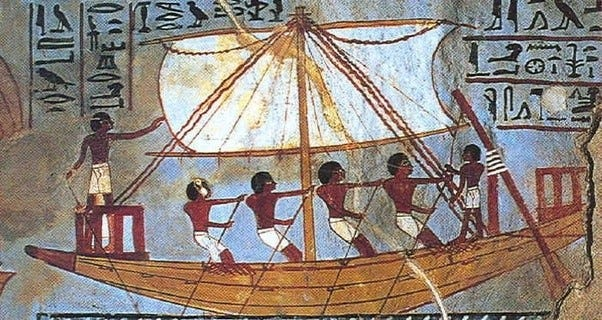
Shipbuilding: They built sturdy wooden boats capable of long journeys.
However, there is no confirmed record of Egyptians crossing vast oceans like the Indian Ocean to reach Australia.
2. The Claims and Theories
Several ideas are often cited to support the theory.
Rock Carvings in Australia: Some claim Egyptian-style hieroglyphs were found in New South Wales.
Cultural Similarities: Alleged parallels in symbols or burial practices.
Ancient Maps: Claims that Egyptians had advanced geographic knowledge.
These claims are often circulated online but are widely disputed.
3. The “Egyptian Hieroglyphs” in Australia
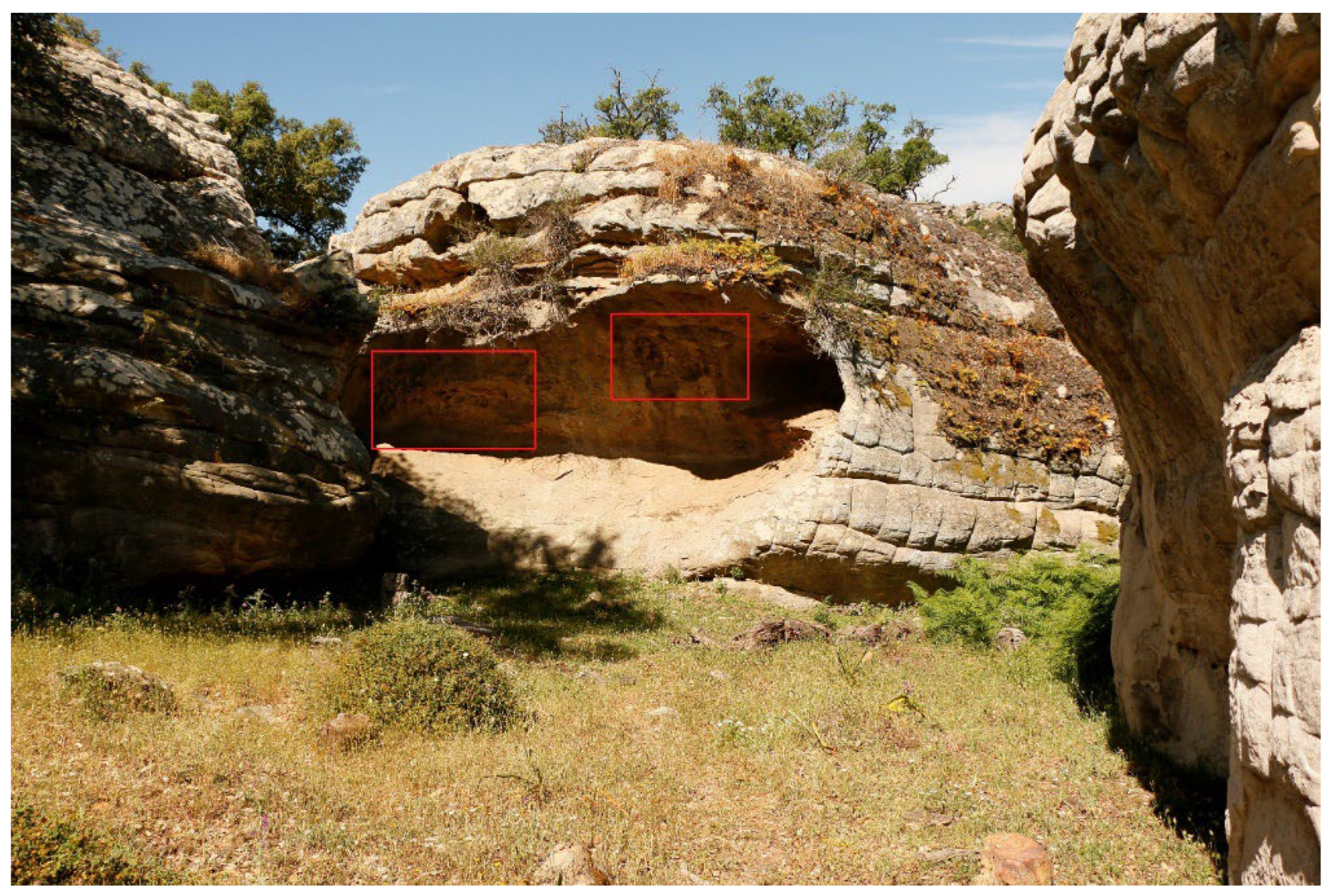
One of the most famous pieces of “evidence” is a set of carvings.
Location: Near Kariong, New South Wales.
Appearance: Resemble Egyptian hieroglyphs.
Problems:
Mixed symbols from different time periods
Incorrect grammar and structure
No archaeological context
Experts consider these carvings to be modern hoaxes rather than ancient artifacts.
4. Archaeological and Scientific Evidence
There is no solid proof supporting Egyptian contact with Australia.
No Artifacts: No Egyptian tools, pottery, or remains found in Australia.
No Genetic Evidence: No trace of Egyptian ancestry in ancient Australian populations.
No Historical Records: Egyptian texts do not mention such long-distance voyages.
Isolation Evidence: Indigenous Australian cultures developed independently.
In archaeology, strong conclusions require consistent and multiple lines of evidence—which are missing here.
5. Could It Have Been Possible?
While unlikely, the idea is sometimes explored hypothetically.
Ocean Currents: Could carry ships long distances.
Navigation Limits: Egyptians lacked tools for open-ocean navigation.
Distance: Egypt to Australia is extremely far and complex to reach.
Even if accidental drift were possible, there is no evidence it actually happened.
6. Why Do These Theories Exist?
Such theories often emerge from curiosity and misunderstanding.
Mystery Appeal: People are drawn to unexplained connections.
Misinterpretation: Natural formations or modern carvings seen as ancient.
Desire for Connection: Linking distant cultures creates compelling stories.
Pseudoscience: Some claims ignore scientific standards.
It’s important to question evidence and rely on credible research.
7. What We Know for Sure
Ancient Egyptians were advanced—but regionally focused explorers.
Indigenous Australians have one of the oldest continuous cultures in the world.
There is no credible evidence of contact between the two civilizations.
Conclusion
The idea that Egyptians reached Australia is an intriguing theory, but it remains unsupported by credible evidence. It serves as a reminder of how easily myths can spread when they are exciting—even if they are not true.
At the same time, it highlights something equally important: ancient civilizations were remarkable in their own right, without needing to be connected in ways that didn’t actually happen.