“Carthage Must Be Destroyed”: New Excavations in the Punic Neighborhoods
The phrase “Carthage must be destroyed”—repeated by the Roman statesman Cato the Elder—became a symbol of Rome’s determination to eliminate its greatest rival. Today, modern archaeology is uncovering what that lost world actually looked like. New excavations in the Punic neighborhoods of Carthage are revealing a thriving, sophisticated city that existed before its destruction in 146 BCE.
1. Historical Background: Rome vs. Carthage
Carthage was a powerful maritime empire in the western Mediterranean.
Founded by Phoenicians: Around the 9th century BCE.
Rivalry with Rome: Led to the three Punic Wars.
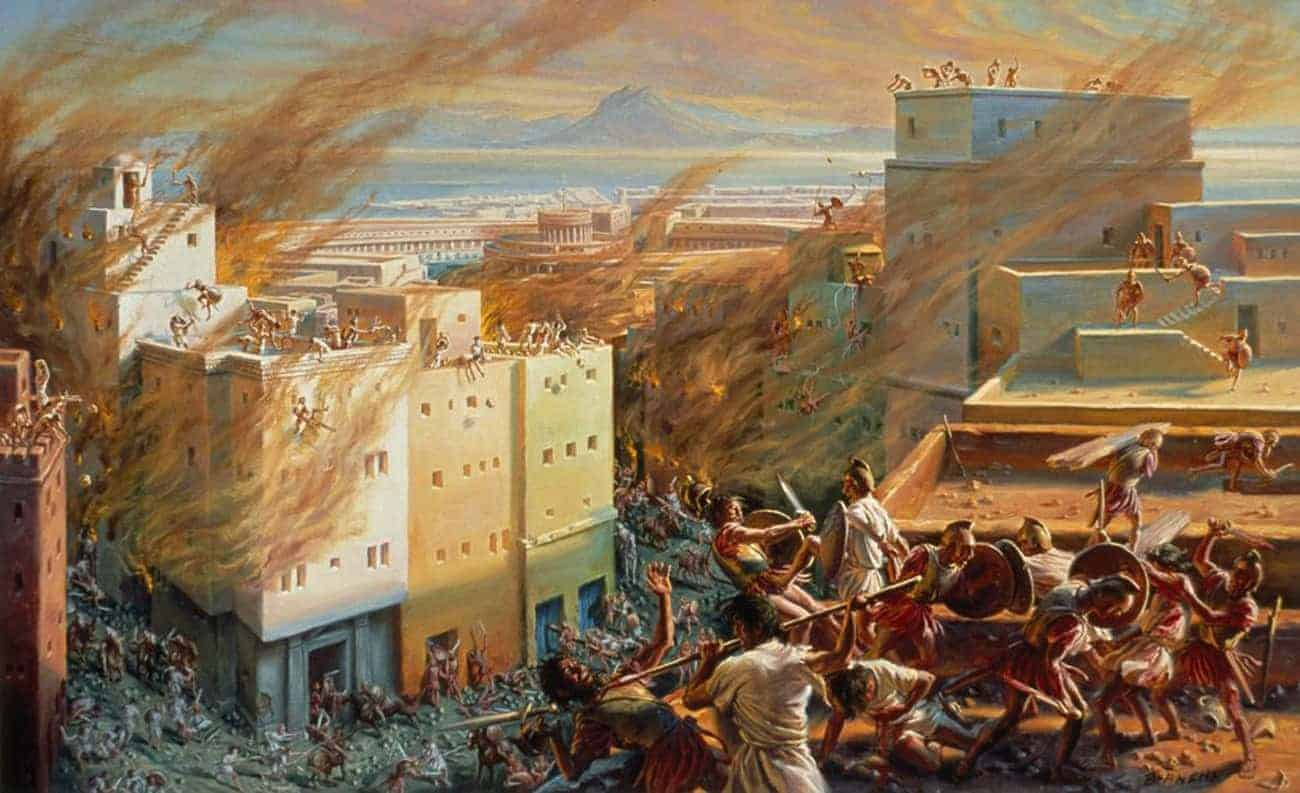
Final Destruction (146 BCE): Roman forces destroyed the city during the Third Punic War.
Aftermath: The site was later rebuilt as a Roman colony.
For centuries, much of Punic Carthage remained buried beneath later Roman layers.
2. What Are the Punic Neighborhoods?
Recent excavations focus on residential areas from before Roman conquest.
Urban Districts: Organized streets and housing blocks.
Dense Population: Evidence of tightly packed homes.
Mixed Use: Living spaces combined with workshops and storage areas.
Pre-Roman Layers: Offer a direct look at Punic life.
These areas help archaeologists move beyond war narratives to everyday life.
3. New Discoveries from Excavations
Modern digs are revealing surprising details.
Multi-Story Houses: Indicate advanced urban planning.
Courtyards and Drainage: Suggest attention to hygiene and design.
Craft Workshops: Evidence of metalworking, pottery, and dye production.
Imported Goods: Show active trade across the Mediterranean.
These findings challenge the idea that Carthage was only a military or التجاري power—it was also a complex urban society.
4. Daily Life in Punic Carthage
Excavations bring ordinary people into focus.
Diet: Remains of grains, fish, and olives.
Religion: Household shrines and ritual objects.
Family Life: Artifacts suggest strong domestic structures.
Economy: Small-scale industries within neighborhoods.
This paints a picture of a vibrant and organized community.
5. Evidence of Destruction
Archaeology also confirms the dramatic end of Punic Carthage.
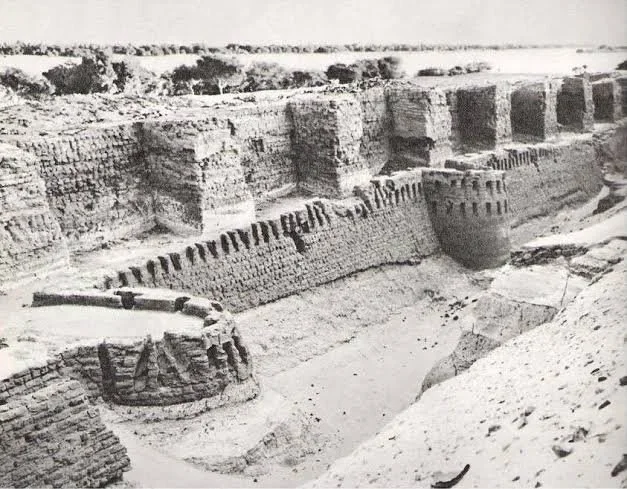
Burn Layers: Thick ash deposits across neighborhoods.
Collapsed Structures: Signs of violent destruction.
Abandoned Items: Objects left behind during sudden evacuation.
Roman Overbuilding: Later construction covered earlier remains.
These layers directly connect to the events described in Roman historical accounts.
6. Rethinking Carthage
For a long time, history was told mainly from the Roman perspective.
Roman Bias: Ancient writers portrayed Carthage as an enemy to justify war.
Modern Archaeology: Provides a more balanced view.
Cultural Sophistication: Evidence of advanced society and innovation.
Human Perspective: Focus shifts from war to everyday life.
Carthage is no longer just a defeated enemy—it is recognized as a major civilization.
7. Historical Significance
The excavation of Punic neighborhoods changes how we understand ancient history.
Urban Development: Shows early complex city planning.
Mediterranean Trade: Confirms Carthage’s role as a trade hub.
Cultural Exchange: Blending of Phoenician, African, and Mediterranean influences.
Historical Correction: Helps counter centuries of one-sided narratives.
Conclusion
The story of Carthage is no longer just about its destruction—it is about its people, culture, and achievements. New excavations reveal a thriving city that was far more than Rome’s enemy.
The phrase “Carthage must be destroyed” may have ended a civilization, but archaeology is bringing it back to life.