Viking Sunstones: How Ancient Mariners Navigated Without a Compass
The idea of Viking sailors crossing vast and often foggy seas without a magnetic compass may seem impossible. Yet historical accounts and scientific studies suggest they may have used special crystals known as sunstones to locate the sun—even when it was hidden. These tools may have played a role in the remarkable voyages of Norse explorers such as Leif Erikson, who reached North America centuries before Columbus.
The concept of the Viking sunstone blends history, legend, and science, offering insight into how ancient mariners navigated the open ocean with limited technology.
1. The Challenge: Navigating the Open Sea
Viking sailors traveled across the North Atlantic, a region known for harsh weather and unpredictable conditions.
Cloudy Skies: The sun was often hidden by fog, snow, or heavy clouds.
No Compass: The magnetic compass was not yet widely used in Europe.
Long Voyages: Journeys between Norway, Iceland, and Greenland required accurate direction.
Open Ocean: With no landmarks, navigation relied on natural cues.
Despite these challenges, Vikings successfully explored and settled distant lands.
2. What Is a Sunstone?
A sunstone is believed to be a type of crystal that can detect the position of the sun.
Possible Materials: Calcite (Iceland spar), cordierite, or tourmaline.
Light Polarization: These crystals can filter polarized light in the sky.
Hidden Sun Detection: Even when the sun is not visible, the sky’s light pattern reveals its position.
Simple Tool: The crystal could be rotated until light intensity changes, indicating direction.
This method would allow sailors to determine where the sun was, even in poor visibility.
3. Historical Evidence
Evidence for sunstones comes from both texts and archaeology.
Sagas: Norse texts mention a “sunstone” used to find the sun in cloudy weather.
Rauðúlfs þáttr: Describes a king using a stone to locate the sun’s position.
Shipwreck Discovery: A crystal found on a 16th-century ship suggests continued use even after the compass was known.
Indirect Proof: While no Viking sunstone has been definitively confirmed, evidence supports the possibility.
These sources suggest that sunstones were more than just legend.
4. How It Worked
The science behind sunstones is based on polarized light.
Sky Polarization: Sunlight scatters in the atmosphere, creating patterns invisible to the naked eye.
Crystal Alignment: By rotating the crystal, sailors could detect changes in brightness.
Direction Finding: The brightest or darkest point indicated the sun’s hidden position.
Navigation Aid: Combined with knowledge of time and direction, this helped maintain course.
Modern experiments have shown that this method can be surprisingly accurate.
5. Viking Navigation Techniques
Sunstones were likely part of a broader navigation system.
Sun Position: Used during clear weather.
Stars: Guided night travel.
Landmarks: Coastal navigation when near land.
Birds and Waves: Observed natural patterns to detect nearby land.
Experience: Skilled sailors relied heavily on memory and observation.
This combination made Viking navigation highly effective.
6. Historical Significance
The use of sunstones highlights the ingenuity of Viking sailors. Without advanced instruments, they used natural phenomena and simple tools to achieve long-distance exploration.
Their ability to navigate across open oceans contributed to the expansion of Norse culture and trade, reaching as far as North America.
It also shows how science can explain ancient techniques once thought to be mythical.
7. Myth or Reality?
The existence of Viking sunstones remains debated.
Supporters: Point to scientific experiments and saga descriptions.
Skeptics: Note the lack of direct archaeological evidence from Viking sites.
Modern Testing: Confirms that such crystals could work effectively.
Whether fully proven or not, the sunstone represents a fascinating blend of myth and science.
Do you think ancient technologies like the sunstone were more advanced than we give them credit for, or are they partly shaped by legend?
The Great Zimbabwe: The Sophisticated Stone City of Southern Africa
Great Zimbabwe: The Sophisticated Stone City of Southern Africa
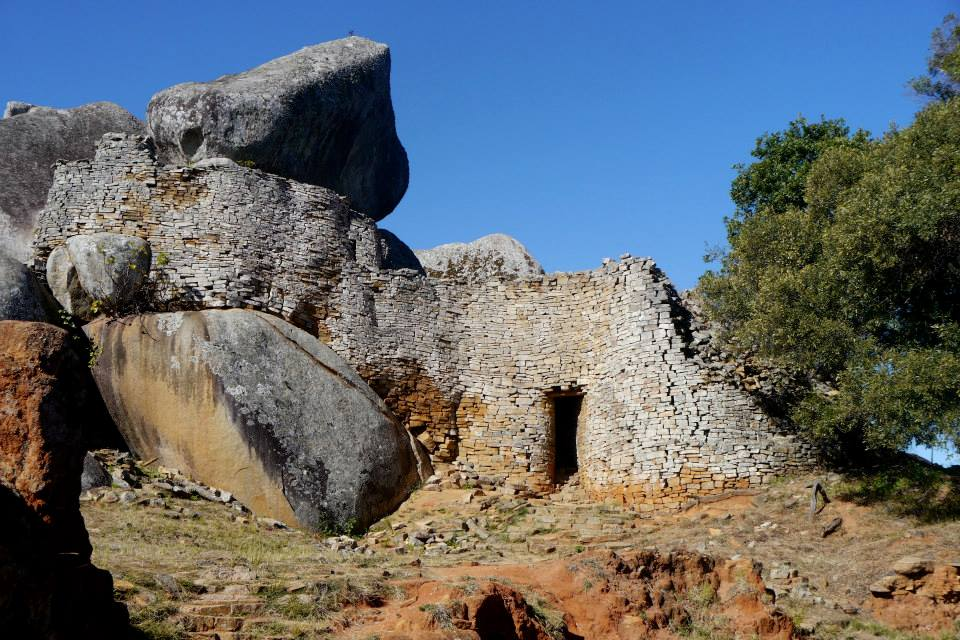
The ancient city of Great Zimbabwe stands as one of the most impressive achievements in African history. Built between the 11th and 15th centuries, it was the center of a powerful kingdom and a symbol of advanced architecture, trade, and political organization in southern Africa. Today, it challenges outdated ideas that complex civilizations only developed outside the continent.
1. Location and Discovery
Great Zimbabwe is located in southeastern Zimbabwe, near the modern town of Masvingo.
Meaning of the Name: “Zimbabwe” comes from the Shona phrase meaning “houses of stone.”
European Encounter: First documented by European explorers in the 16th century.
Archaeological Work: Systematic excavations began in the late 19th century.
Cultural Ownership: Now recognized as the work of the ancestors of the Shona people.
For many years, outsiders refused to believe Africans built it, wrongly attributing it to foreign civilizations—an idea now fully disproven.
2. Architectural Mastery
The city is famous for its massive stone structures built without mortar.
Dry-Stone Construction: Stones were carefully cut and stacked.
Great Enclosure: One of the largest ancient structures in Africa.
Conical Tower: A mysterious, symbolic structure within the enclosure.
Hill Complex: Possibly a royal or religious center.
Durability: Many walls still stand today, over 10 meters high.
This level of engineering shows advanced planning, labor organization, and craftsmanship.
3. Urban Life and Society
Great Zimbabwe was more than just a stone complex—it was a thriving city.
Population: Estimated 10,000–20,000 people at its peak.
Social Structure: Likely ruled by a powerful king or elite class.
Housing: Most people lived in surrounding mud-and-thatch homes.
Cultural Practices: Evidence of rituals and symbolic structures.
Craft Production: Pottery, iron tools, and ornaments were produced.
The city functioned as a political, economic, and cultural center.
4. Trade and Economy
Great Zimbabwe was part of a vast trade network.
Exports: Gold, ivory, and animal products.
Imports: Glass beads, ceramics, and textiles from distant regions.
Trade Routes: Connected inland Africa to coastal ports.
Indian Ocean Trade: Linked to merchants from Arabia, India, and beyond.
Wealth Indicator: Imported goods show high economic status.
Its location allowed it to control and benefit from regional trade.
5. Decline of the City
By the 15th century, Great Zimbabwe was largely abandoned.
Resource Depletion: Overuse of land and grazing areas.
Environmental Changes: Possible drought or soil exhaustion.
Shift in Trade Routes: Trade centers moved elsewhere.
Political Changes: Power may have shifted to other kingdoms.
The exact cause remains uncertain, but it was likely a combination of factors.
6. Historical Significance
Great Zimbabwe is a powerful symbol of African achievement.
Cultural Identity: It gave its name to the modern nation of Zimbabwe.
Architectural Legacy: One of the largest pre-colonial stone structures in Africa.
Historical Correction: Disproves earlier colonial myths denying African innovation.
UNESCO Site: Recognized globally for its cultural importance.
It reminds us that advanced civilizations developed independently across the world.
7. Myth vs Reality
For a long time, myths overshadowed the truth.
Old Myths: Claimed it was built by foreigners like Phoenicians or Arabs.
Modern Evidence: Confirms it was built by local African societies.
Archaeology: Artifacts and building styles match regional traditions.
Today, Great Zimbabwe stands as clear evidence of indigenous African ingenuity.
Conclusion
Great Zimbabwe is more than ruins—it is proof of a sophisticated and organized society that thrived centuries ago. Its architecture, trade networks, and cultural importance place it among the great civilizations of the ancient world.
It also serves as a reminder: history is often shaped by perspective, and archaeology helps restore the truth.