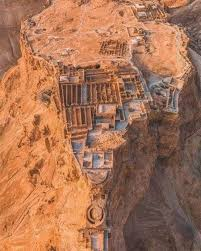
Masada: The Archaeology of Heroism and Tragedy in the Judean Desert
Rising dramatically above the desert floor, Masada is one of the most powerful archaeological sites in the world. Located near the Dead Sea in Israel, Masada tells a story of resistance, survival, and a tragic end during the final phase of the First Jewish–Roman War.
Blending history, archaeology, and legend, Masada remains a symbol of courage and sacrifice.
1. The Fortress of King Herod
Masada’s story begins long before the famous siege.
Built by: Herod the Great in the 1st century BCE
Purpose: A royal refuge and military stronghold
Features:
Massive defensive walls and towers
Palaces with terraces overlooking the desert
Storerooms filled with food, weapons, and supplies
Advanced water system using cisterns
Herod designed Masada to withstand long sieges, making it nearly impossible to conquer.
2. The Jewish Revolt and Occupation
During the revolt against Rome, Masada became a refuge.
Occupants: Jewish rebels known as the Sicarii
Leader: Eleazar ben Ya'ir
Strategic Advantage: High elevation and strong defenses
Isolation: Provided safety but limited outside support
Masada became one of the last strongholds resisting Roman control.
3. The Roman Siege
The Roman army eventually surrounded Masada.
Commander: Lucius Flavius Silva
Roman Legion: Likely the Legio X Fretensis
Siege Strategy:
Built a wall around the mountain to prevent escape
Constructed camps still visible today
Created a massive siege ramp to reach the fortress
The Roman ramp remains one of the most impressive ancient military engineering feats.
4. The Final Tragedy
According to the historian Flavius Josephus, the siege ended in tragedy.
Mass Suicide Narrative: Rather than surrender, the defenders chose death
Estimated Deaths: Around 960 people
Last Stand: Only a few survivors reportedly remained
This story has become central to Masada’s legacy—but it is also debated.
5. Archaeological Evidence
Excavations have revealed both confirmation and questions.
Burned Structures: Suggest destruction at the end
Roman Camps: Clearly visible around the site
Siege Ramp: Still intact and accessible
Ostraca (Pottery Shards): Possibly used for casting lots
Limited Human Remains: Fewer bodies than expected
While archaeology supports a siege, it does not fully confirm every detail of Josephus’ account.
6. Myth vs. Reality
Masada exists between history and national symbolism.
Heroism: Seen as a story of bravery and resistance
Debate: Some historians question the scale of the mass suicide
Source Bias: Josephus wrote under Roman influence
Archaeological Gaps: Not all details match the written story
This makes Masada both a historical site and a powerful cultural narrative.
7. Modern Significance
Masada holds deep meaning today.
National Symbol: Represents resistance and identity in Israel
Tourism Site: Thousands visit each year
UNESCO Recognition: Protected as a World Heritage Site
Military Ceremonies: Once used for oath-taking
The phrase “Masada shall not fall again” reflects its lasting impact.
Conclusion
Masada is more than a fortress—it is a story shaped by both evidence and memory. Archaeology reveals a dramatic siege, while history and tradition add layers of meaning about courage, sacrifice, and identity.
It reminds us that the past is not always clear-cut. Sometimes, the line between fact and legend is as steep and complex as the cliffs of Masada itself.