Introduction
Salt has been an important natural resource throughout human history. It was used for food preservation, seasoning, and various practical activities. It also played a role in animal behavior because many species seek out mineral-rich sources to obtain sodium and other nutrients.
Natural salt licks can attract wild animals, making them significant locations for hunters and pastoral communities.
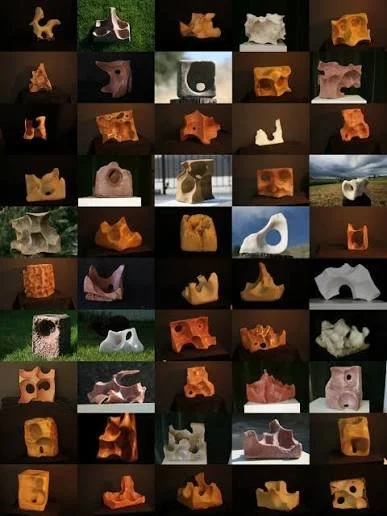
The title "Ancient Salt-lick Sculptures" suggests a connection between mineral sources, carved landscape features, animal offerings, and hunting-related rituals. However, the existence of a deliberate ancient tradition of sculpting salt licks must be established through archaeological evidence rather than assumed.
The subject provides an opportunity to examine how natural animal gathering places could become meaningful human landscapes.
What Is a Salt Lick?
A salt lick is a natural or artificial source of mineral salts that animals visit to obtain nutrients.
Such locations may occur around mineral springs, exposed rock, evaporating water sources, and mineral-rich soil.
Herbivorous animals often seek sodium because many plants contain relatively low concentrations of this mineral.
Salt licks can therefore attract animals repeatedly, sometimes creating visible trails and worn surfaces.
Why Salt Licks Interested Ancient Communities
Hunters could recognize that animals returned to particular mineral sources.
These locations might offer predictable opportunities to observe or intercept wildlife.
Pastoral communities could also use salt sources to support domesticated animals.
A natural salt lick might therefore have economic value as well as environmental importance.
Repeated human visits could gradually transform the surrounding area through paths, shelters, storage features, and other modifications.
The Possibility of Deliberate Sculptures
Some natural mineral formations may resemble carved objects.
Weathering, erosion, water movement, and biological activity can create unusual shapes.
To establish that a feature is a deliberate sculpture, researchers would need evidence of human modification.
This might include tool marks, repeated geometric forms, prepared surfaces, associated artifacts, or clear archaeological context.
Without such evidence, a naturally shaped mineral formation should not be classified as an ancient sculpture.
Animal Offerings and Ritual Landscapes
Animals have played important roles in religious practices across many societies.
Offerings could involve the deposition of bones, horns, figurines, or other animal-related objects.
Certain natural features, including caves, springs, mountains, and mineral sources, may have been incorporated into ritual landscapes.
A salt lick could potentially acquire symbolic importance because animals gathered there repeatedly.
However, evidence of animal bones near a mineral source does not automatically indicate sacrifice. The remains could result from natural deaths, hunting, scavenging, or ordinary food preparation.
Hunting Magic and Symbolic Practices
The term "hunting magic" refers to beliefs and practices intended to influence hunting success through symbolic or ritual action.
Such practices are known from different historical and ethnographic contexts.
They may involve images of animals, ceremonial objects, offerings, dances, or special treatment of hunting equipment.
Archaeologists sometimes interpret animal imagery in prehistoric art in relation to hunting beliefs, but the exact meaning of such images is often uncertain.
A direct connection between salt licks and hunting magic requires evidence beyond the presence of animal remains.
Archaeological Evidence
Researchers investigating possible ritual salt-lick sites may examine several forms of evidence.
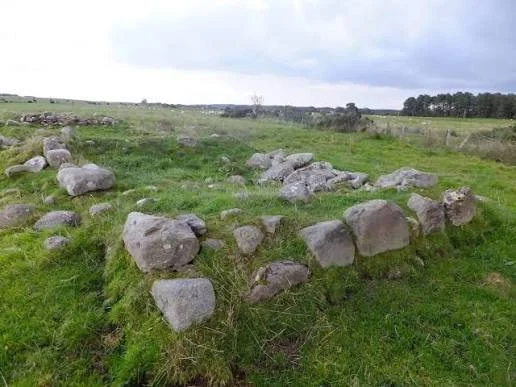
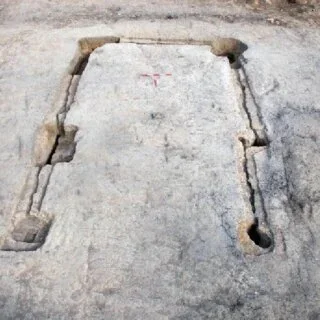
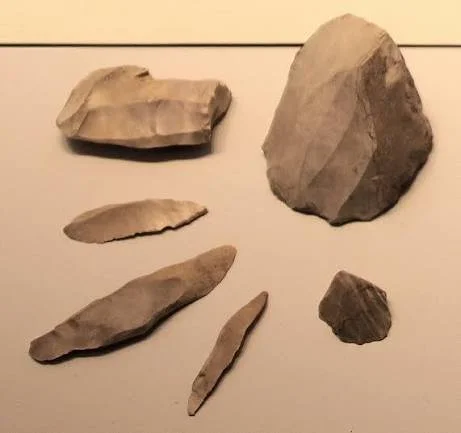
These include carved rock surfaces, animal bones, mineral deposits, stone tools, pottery, and signs of repeated human activity.
Zooarchaeological analysis can identify animal species and sometimes reveal whether bones were butchered or burned.
Microscopic study of rock surfaces may distinguish tool marks from natural erosion.
Geochemical analysis can identify mineral sources and determine whether humans modified them.
The relationship between all these materials is crucial for interpretation.
Salt and Animal Management
Salt was also important in the management of domesticated animals.
Livestock require sodium and other minerals for normal physiological functions.
Communities could guide animals toward natural salt sources or provide mineral supplements.
A salt lick might therefore form part of a pastoral route or seasonal grazing system.
Evidence of repeated livestock access could include hoof-worn surfaces, dung deposits, and nearby enclosures.
These indicators must be distinguished from patterns created by wild animals.
Preserving Salt-Related Archaeological Evidence
Salt-rich environments can create unusual preservation conditions.
Some materials may survive well, while others deteriorate through chemical reactions.
Mineral crusts can cover carved surfaces and obscure evidence of modification.
Water movement may also redistribute salt and sediment.
Conservation and excavation must account for these processes.
Conclusion
Natural salt licks could attract animals, influence hunting strategies, and support pastoral management.
They may also have become meaningful locations within ritual landscapes.
However, the idea of ancient salt-lick sculptures requires direct evidence of deliberate human carving and a reliable archaeological context.
By combining geology, animal-bone analysis, landscape archaeology, and the study of symbolic deposits, researchers can investigate how natural mineral sources became connected with human activity.
The most important insight is that ordinary environmental features could acquire economic, social, and potentially ritual significance through repeated interaction between people, animals, and the landscape.