Introduction
Coastal communities have depended on marine resources for thousands of years. Among the most important of these resources are molluscs, including oysters, mussels, clams, and other shellfish. Their availability in shallow waters made them accessible to people without requiring sophisticated boats or specialized fishing equipment. In some coastal environments, natural shoreline pools may also have provided opportunities for people to collect, manage, and possibly encourage the growth of particular mollusc populations.
The idea of ancient shoreline pools as mollusc culture sites raises questions about the origins of coastal resource management. Although shellfish gathering is well documented in many archaeological settings, evidence for deliberate cultivation must be distinguished from ordinary harvesting. Examining shoreline pools can therefore help researchers explore the relationship between natural abundance, human management, and early forms of aquaculture.
What Are Shoreline Pools?
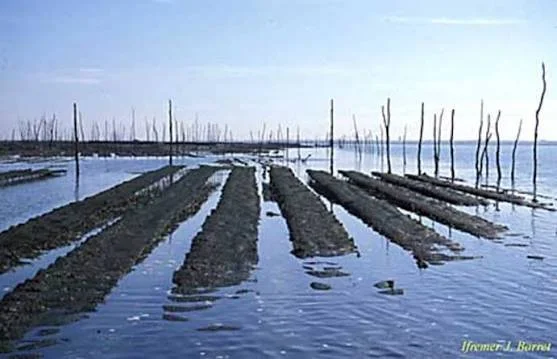
Shoreline pools are shallow bodies of seawater that remain trapped among rocks, depressions, and reef formations as the tide recedes. They may be connected to the sea during high tide or replenished by waves and freshwater sources.
These pools can support a variety of marine organisms. Depending on water temperature, salinity, oxygen levels, and available surfaces, they may provide suitable habitats for oysters, mussels, limpets, snails, and other molluscs.
Their relatively limited size makes them potentially useful places for observing and collecting marine resources. Some pools may also offer protection from strong currents and predators, although conditions vary considerably between locations.
Molluscs as a Major Coastal Food Source
Shellfish were valuable because they could be gathered without the same equipment required for catching larger marine animals. They provided protein and important minerals, while their shells could be used for tools, ornaments, containers, and decorative materials.
Archaeological evidence of shellfish consumption is often found in shell middens, which are accumulations of discarded shells and other food remains. These deposits can contain information about dietary preferences, seasonal harvesting, settlement patterns, and changes in local marine environments.
The repeated collection of shellfish from particular pools may have influenced how people organized their activities. Familiar locations could become important gathering places that were revisited over many generations.
From Gathering to Resource Management
There is an important difference between collecting naturally occurring shellfish and deliberately managing their growth. Regular harvesting from a productive shoreline pool does not automatically demonstrate aquaculture.
However, people may have developed practices that increased the availability of shellfish without using modern farming techniques. These could have included protecting productive areas, leaving smaller individuals to grow, moving shellfish to more suitable locations, or modifying surfaces where shellfish could attach.
Such activities are sometimes described as resource enhancement or low-intensity management. They occupy a broad area between simple gathering and organized cultivation.
Determining whether these practices occurred requires evidence that human actions consistently influenced the growth, survival, or distribution of mollusc populations.
Archaeological Evidence for Managed Shoreline Pools
Researchers can investigate possible mollusc management by examining shell deposits, coastal sediments, and the physical structure of ancient shorelines.
One important indicator is the size distribution of shells. If a deposit contains an unusually high proportion of large individuals, it may reflect selective harvesting. Conversely, repeated collection of smaller individuals could suggest intensive exploitation, although other environmental factors may also explain the pattern.
Shell growth rings can provide information about age and seasonal conditions. Chemical analysis of shells may reveal changes in water temperature, salinity, and other environmental variables during the organism's life.
Researchers may also look for evidence of constructed barriers, modified rock surfaces, or arrangements that could have helped retain water. These features must be evaluated carefully because natural erosion can produce similar formations.
The Role of Tides and Environmental Knowledge
Successful use of shoreline pools requires an understanding of tidal cycles. Collectors must know when pools become accessible, which locations remain submerged, and how quickly water levels change.
This knowledge could have been developed through repeated observation and passed between generations. People may have learned which pools supported particular species and which seasons offered the greatest abundance.
Environmental knowledge also includes recognizing changes in water quality. Heavy rainfall, temperature fluctuations, sediment accumulation, and freshwater inflows can influence mollusc survival.
The ability to recognize favorable conditions may have encouraged communities to return to certain pools while avoiding others.
Possible Forms of Early Mollusc Management
If archaeological evidence supports deliberate management, several practices may be considered.
One possibility is the protection of naturally productive pools. Communities might have limited access to certain areas or avoided harvesting during periods when shellfish were reproducing.
Another possibility is the movement of shellfish between locations. Transferring individuals to pools with better conditions could improve their survival, although direct archaeological evidence of such behavior is difficult to establish.
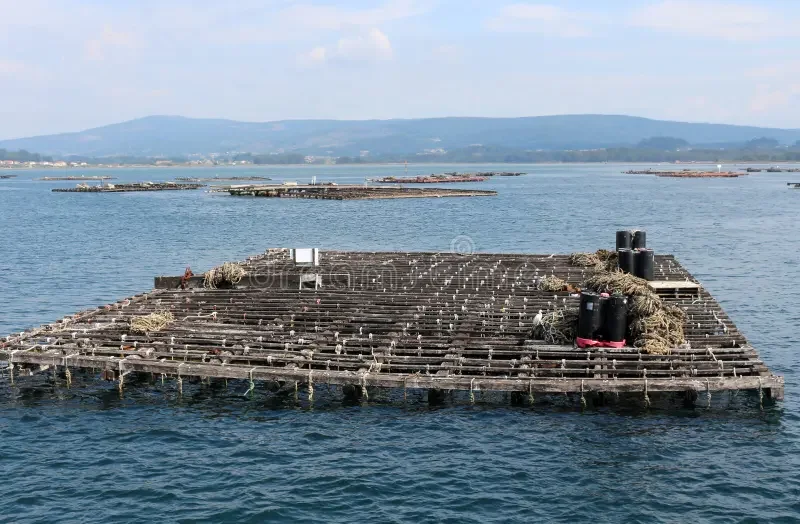
People may also have modified local habitats by adding stones, clearing sediment, or maintaining surfaces suitable for attachment. These activities could increase the availability of shellfish without requiring permanent structures.
These possibilities should be treated as hypotheses unless supported by clear physical evidence, historical documentation, or ecological patterns that cannot be adequately explained by natural processes.
Scientific Methods Used in the Study
The investigation of ancient shoreline pools combines archaeology, marine biology, geology, and environmental science.
Radiocarbon dating can establish the approximate age of shell deposits, but marine reservoir corrections are important because marine organisms may appear older than equivalent terrestrial materials.
Stable isotope analysis can help reconstruct environmental conditions during shell growth. Microscopic examination may reveal growth patterns, surface damage, and evidence of environmental stress.
Archaeologists may also use sediment cores to reconstruct changes in shoreline environments. These records can show whether a pool existed during a particular period and whether its conditions were suitable for mollusc populations.
Comparing archaeological shell deposits with modern ecological observations can help researchers understand how natural and human factors influenced shellfish abundance.
Implications for the History of Aquaculture
The study of shoreline pools may contribute to a broader understanding of how people developed strategies for managing aquatic resources.
Aquaculture did not necessarily begin with large ponds, artificial enclosures, or intensive farming systems. In some settings, resource management may have developed gradually through repeated harvesting, habitat protection, and small-scale environmental modification.
Recognizing these possibilities expands the study of early food production beyond agriculture on land. It also highlights the importance of coastal knowledge and the sophisticated ways communities adapted to marine environments.
Conclusion
Ancient shoreline pools offer an important setting for investigating the relationship between shellfish gathering and early aquatic resource management. Their natural characteristics made them useful places for collecting molluscs, while repeated human activity may have encouraged practices that improved resource availability. However, evidence of harvesting should not automatically be interpreted as evidence of cultivation. By combining shell analysis, environmental reconstruction, and careful archaeological excavation, researchers can better determine whether particular coastal communities simply gathered shellfish or actively managed their marine resources.