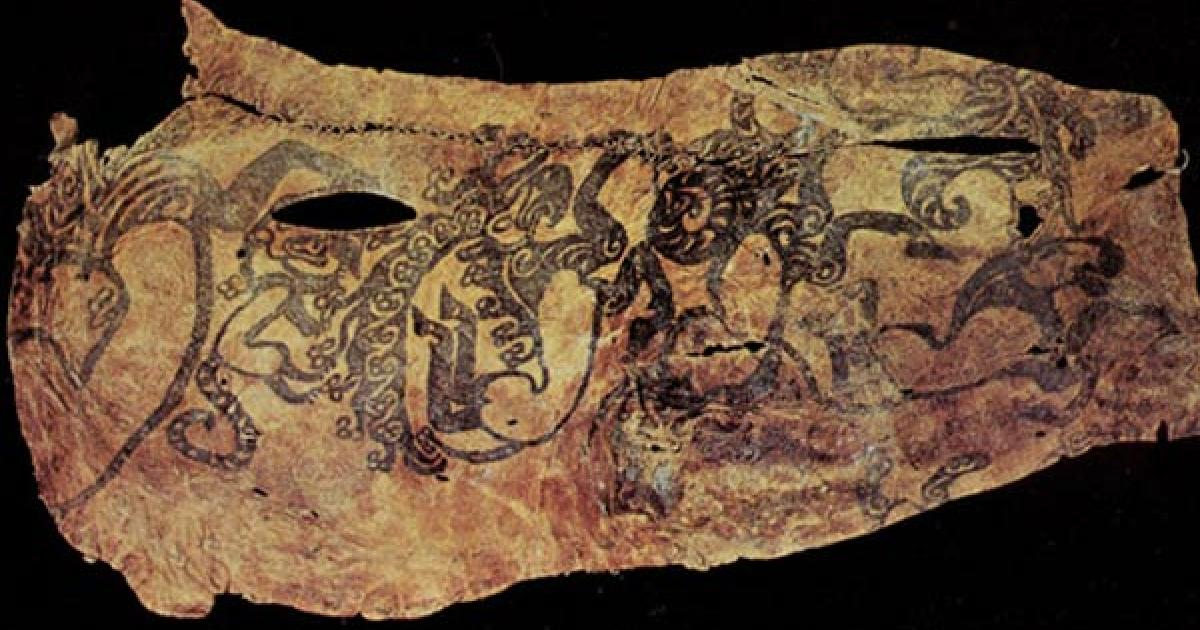
The Pazyryk culture of the Altai Mountains (Siberia) provides us with some of the most stunning and well-preserved evidence of ancient tattooing in human history. Dating to the Iron Age (c. 6th–3rd century BCE), these nomadic horsemen lived in a frozen landscape that acted as a natural "deep freezer," preserving their skin, hair, and intricate body art for over 2,500 years.
1. The "Ice Maiden" and the "Warrior"
The most famous examples of Pazyryk tattoos come from two mummies discovered in the Ukok Plateau: the "Siberian Ice Maiden" (Princess Ukok) and a high-ranking male warrior.
Placement: Both individuals were heavily tattooed on their shoulders, arms, and hands.
The "Princess" Tattoos: The Ice Maiden features a sophisticated depiction of a mythological deer on her left shoulder. The creature has a griffon’s beak and Capricorn-like antlers that sprout into stylized floral patterns.
The Warrior’s Status: The male mummy found in the same region was even more extensively decorated, with tattoos covering his torso and right arm, indicating that ink was a marker of rank, achievement, or life milestones.
2. The Scythian Animal Style
The art on Pazyryk skin is a prime example of the Scytho-Siberian "Animal Style." This aesthetic is characterized by:
Dynamic Movement: Animals are often depicted in mid-leap or "twisted" into S-shapes to fit the musculature of the body.
Predator and Prey: Common motifs include deer, tigers, griffons, and snow leopards, often locked in scenes of combat.
Stylized Anatomy: The muscles and joints of the animals are often highlighted with swirls and dots, which some archaeologists believe may have had a connection to acupuncture or pressure points.
3. The Technology of Iron Age Ink
Archaeological and chemical analysis of the mummies has revealed how these ancient "tattoo artists" worked.
The Ink: The pigment was primarily made from soot (carbon) mixed with fat or plant juices.
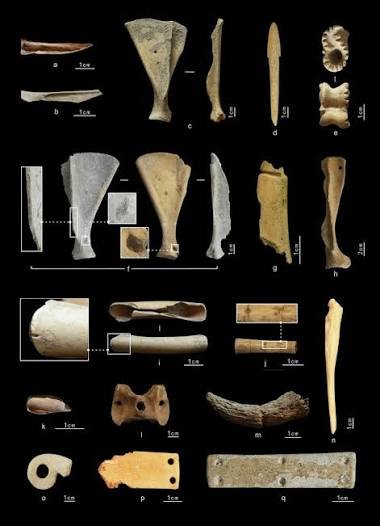
The Technique: Unlike the "tap" method found in Polynesia, the Pazyryk people likely used a skin-stitching or pricking method. They used fine needles made of bone or bronze to pull thread soaked in soot through the skin or to puncture the dermis repeatedly.
Precision: The lines are remarkably clean and fine, suggesting that tattooing was a specialized craft held by respected members of the tribe.
4. Purpose: Protection and Identity
Why go through the pain and risk of infection in a harsh Siberian climate? For the Pazyryk, tattoos likely served three main purposes:
Spiritual Armor: The griffons and predatory animals were thought to be protective spirits that guarded the soul during life and through the transition to the afterlife.
Social Record: Tattoos acted as a permanent CV. A warrior’s ink might record the number of enemies defeated or horses stolen.
Medical Intervention: Some tattoos are found along the spine and on the ankles, matching areas commonly associated with joint pain. This suggests that some "ink" was actually a form of therapeutic tattooing, similar to the markings found on Ötzi the Iceman.
5. Connection to the Scythians
The Pazyryk were a branch of the broader Scythian world. Ancient Greek historians, including Herodotus, wrote about the Scythians' love for tattoos. Herodotus noted that among these tribes, "to be tattooed is a sign of noble birth, and to be without them is a mark of the low-born." The Pazyryk mummies provide the physical proof that the Greeks were actually understating the complexity of this art form.
6. The Afterlife of the Ink
When the Pazyryk buried their elite in deep timber-lined pits covered by stone cairns (kurgans), the summer rains seeped in and froze. This created a lens of permafrost that stopped the decay process. When archaeologists like Natalia Polosmak opened these tombs in the 1990s, the tattoos appeared almost as dark and vivid as the day they were applied.
The Pazyryk tattoos prove that body art is one of the oldest forms of human storytelling. Long before they had books, these nomads carried their history, their myths, and their protection directly on their skin.