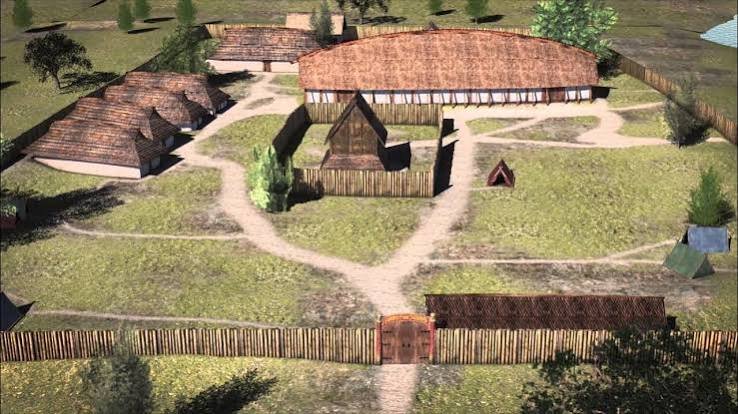
The prints, likely left by theropods 70 million years ago, make the Carreras Pampa tracksite the largest recorded site for dinosaur prints.
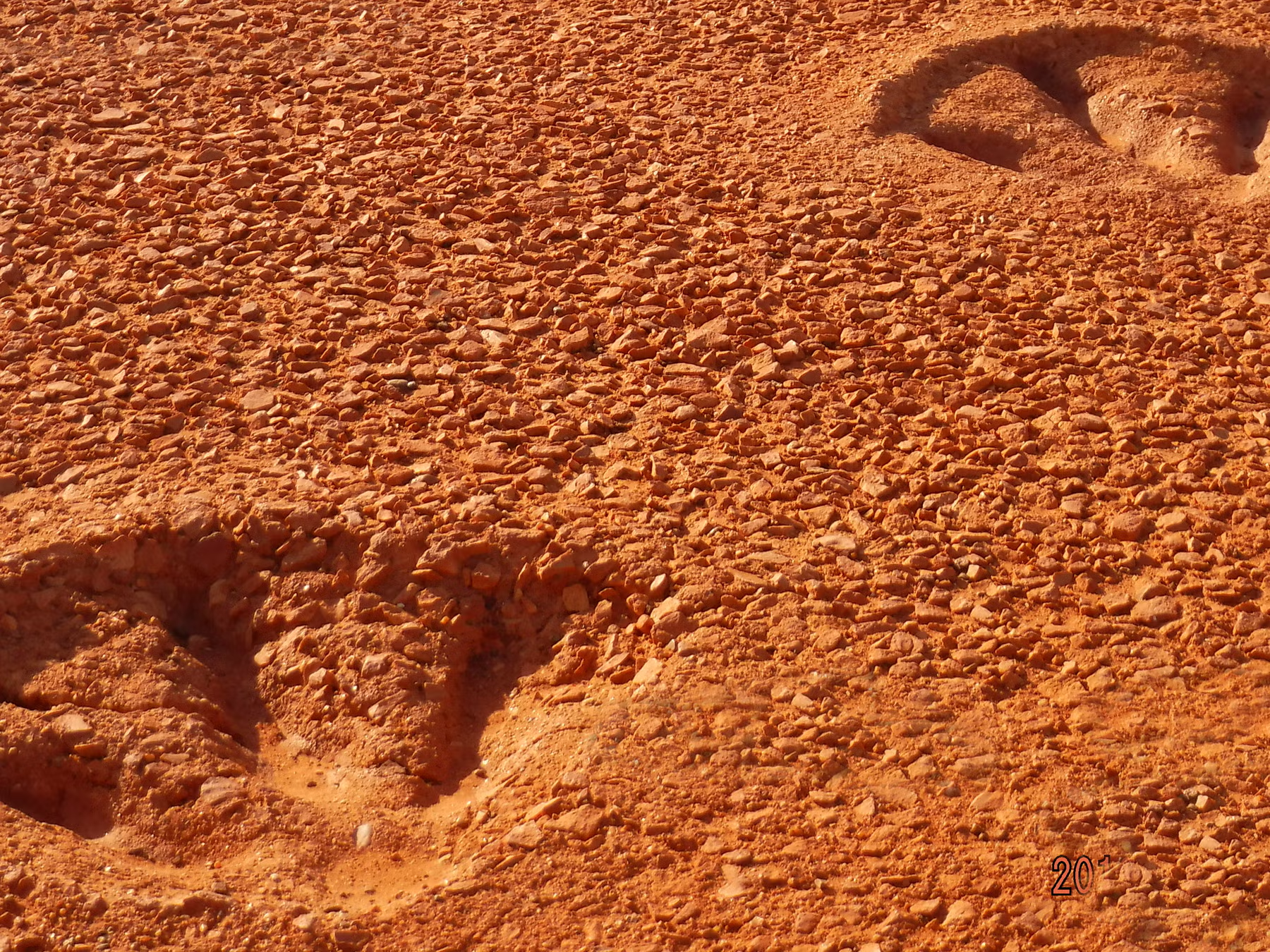
Paleontologists have identified the Carreras Pampa tracksite in Bolivia’s Torotoro National Park as the largest known concentration of dinosaur footprints ever recorded. The enormous site preserves an astonishing number of tracks left around 70 million years ago, during a time when the region now dry and rugged was a warm, humid landscape dotted with shallow lakes. What is today a series of hardened sandstone surfaces once formed muddy lakeshores where theropod dinosaurs gathered, walked, hunted, and occasionally swam.
Those ancient animals left behind extensive trails of footprints and tail drags that were eventually buried by sediments and preserved. Researchers have now documented 1,321 separate trackways, including 16,600 three-toed prints and 289 isolated impressions, some of which display tail-dragging traces. They also identified 1,378 “swim tracks” elongated marks possibly created by paddling theropods or early crocodilian species found in 280 of the trackways. Altogether, the site contains close to 18,000 individual tracks, making it a record-breaking discovery.
These footprints are mostly classified as “ghost tracks” impressions so faint or incomplete that they don’t allow a precise match to a known species. Because dinosaur bones are extremely rare at Torotoro, scientists have little skeletal evidence to determine which exact animals made the prints. Still, most of the three-toed tracks suggest various kinds of theropods once patrolled the lake margins.