Necropolis Unearthed in the Ural Mountains
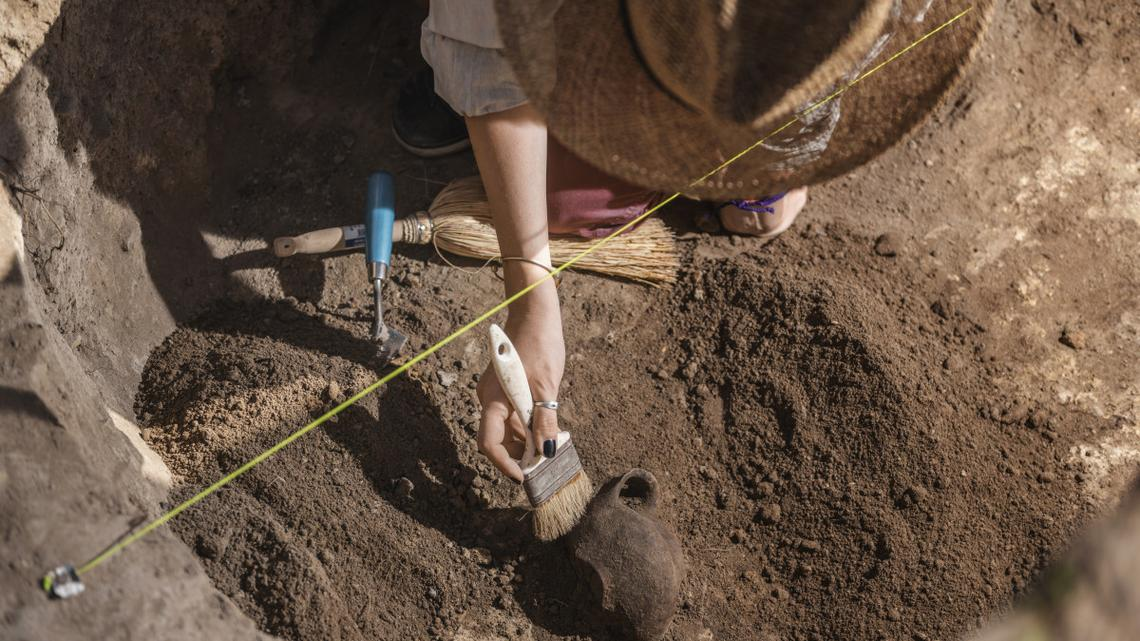
Archaeologists working in the Southern Ural Mountains have uncovered an enormous sacrificial site filled with more than 100 bronze objects, gold jewelry, and rare horse-related equipment once used by nomadic elites in the 4th century B.C. The discoveries were made this summer by the Ural Archaeological Expedition. According to experts, this is the largest early nomadic necropolis ever found in the region.
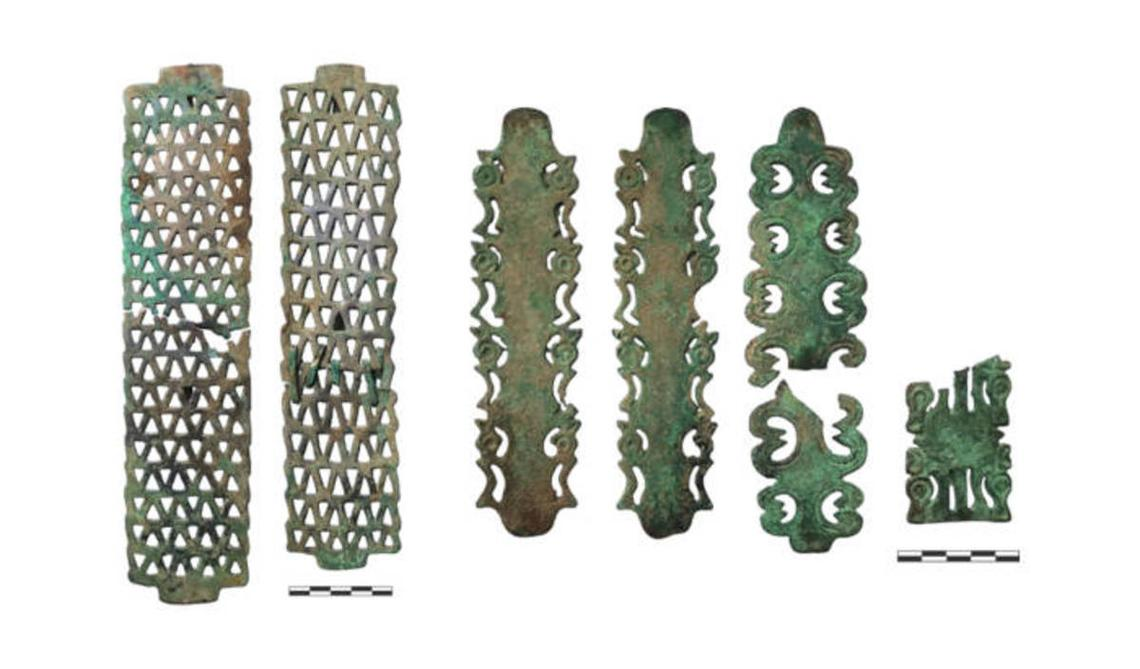
The items were uncovered in a shallow circular pit and included several complete bridle sets featuring iron bits, horn fittings, and metal cheek-pieces known as psalia. Researchers also found iron girth buckles, pieces of bridle harnesses, and an assortment of bronze and bone ornaments. In total, the site yielded 100 major objects and around 500 smaller decorative pieces.
Among the most striking discoveries were 12 flat, circular plaques adorned with complex dotted designs and depictions of swastikas, birds, and mythical creatures artwork rarely seen in this region.
Artifacts Reveal Unique Ritual Practices
Several finds, including a ceremonial wooden bowl with silver fittings, boar jawbones, and fragments of a ceramic vessel, suggest the necropolis played a role in highly specific funerary and post-burial rituals. Based on the objects and their context, researchers estimate that these ritual activities took place from the late 4th century to the early 3rd century B.C. a time when nomadic elites dominated the Southern Ural steppe.
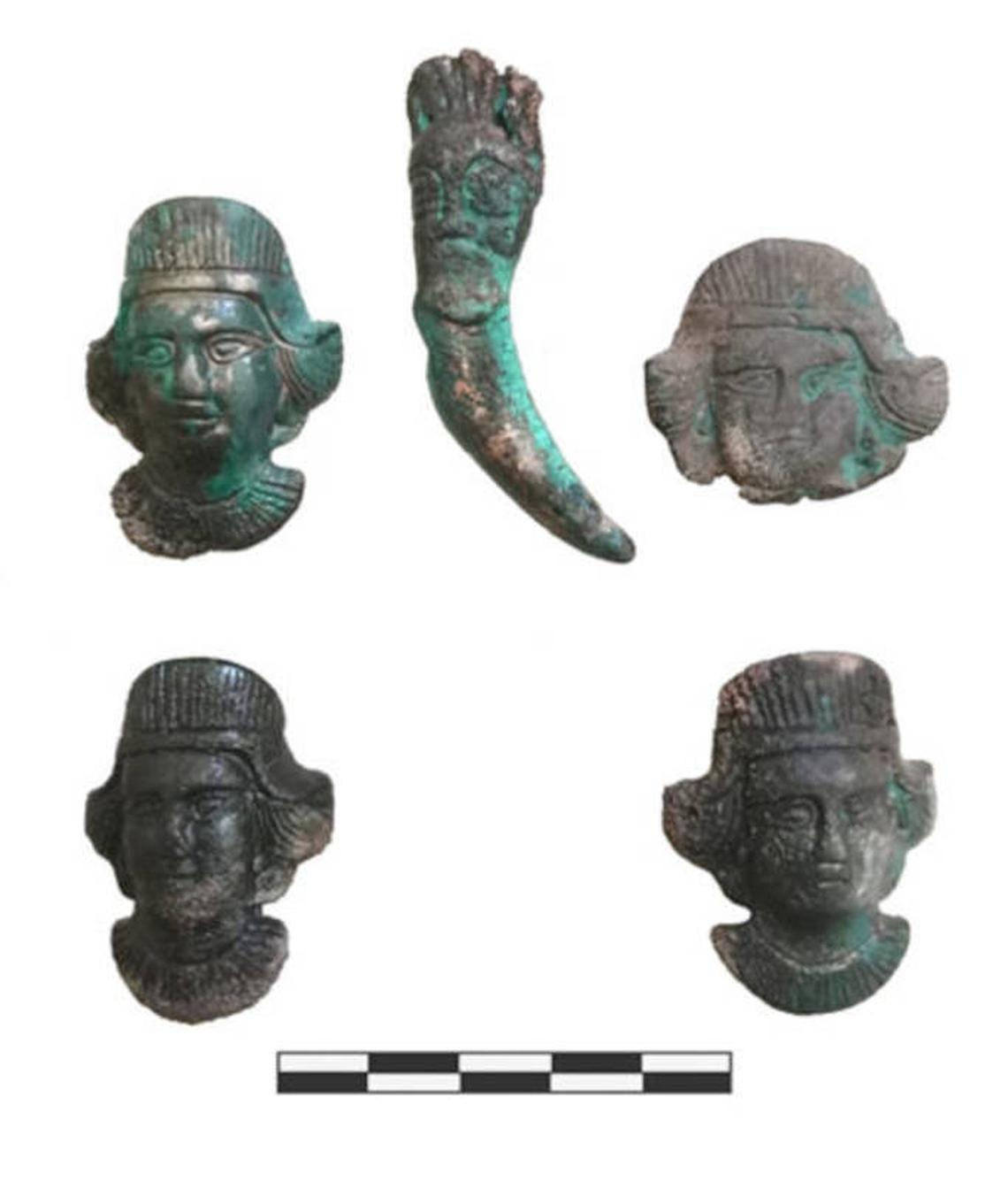
Many of the objects uncovered particularly the plaques and pieces of horse equipment are unlike anything previously found in the area. Archaeologists noted that these items were used by the region’s wealthiest and most influential individuals and show clear links to artifacts discovered at sites in the North Caucasus, the Don region, and the Northern Black Sea. According to experts, the distribution of these objects highlights the wide-reaching cultural networks that connected Iron Age nomadic societies throughout the Eurasian steppe.