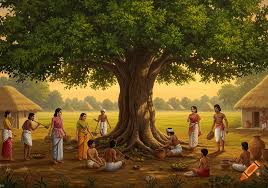
Forests have long provided shelter, food, and spiritual inspiration. In some regions, ancient communities built entire settlements beneath towering tree canopies, integrating architecture with living ecosystems.
These were not isolated huts scattered in woodland. They were organized villages shaped by the presence of massive trees.
Life Beneath the Canopy
Dense forests create natural shade, regulate temperature, and protect against wind. Settling beneath large trees offered environmental advantages. Thick roots stabilized soil, while branches shielded homes from heavy rainfall.
In parts of Southeast Asia and Central Africa, communities constructed wooden dwellings around giant tree trunks, sometimes using elevated platforms to avoid damp ground.
Sacred Trees and Community Identity
Many cultures regarded large trees as sacred. Settlements formed around them became centers of ritual life. The tree symbolized continuity, ancestry, and protection.
In South Asia, villages near Bodh Gaya highlight the spiritual importance of trees in religious practice. While not prehistoric villages in themselves, they reflect a broader tradition of revering monumental trees as community anchors.
Architecture in Harmony with Nature
Forest villages relied on renewable materials—wood, bamboo, leaves, and vines. Structures were often temporary or adaptable, designed to blend with surroundings rather than dominate them.
In the Amazon Basin, Indigenous groups built communal longhouses beneath towering rainforest canopies. These structures housed extended families and served as social centers.
Protection and Isolation
Dense forests provided natural defense. Thick vegetation limited visibility for potential attackers and created a buffer zone around settlements.
Isolation also fostered unique cultural traditions, languages, and ecological knowledge.
Living Architecture
Settlements beneath giant trees reflect a philosophy of coexistence. Instead of clearing forests entirely, communities adapted to them.
These ancient villages remind us that sustainable living is not a modern invention. It is an ancient strategy rooted in respect for the environment.