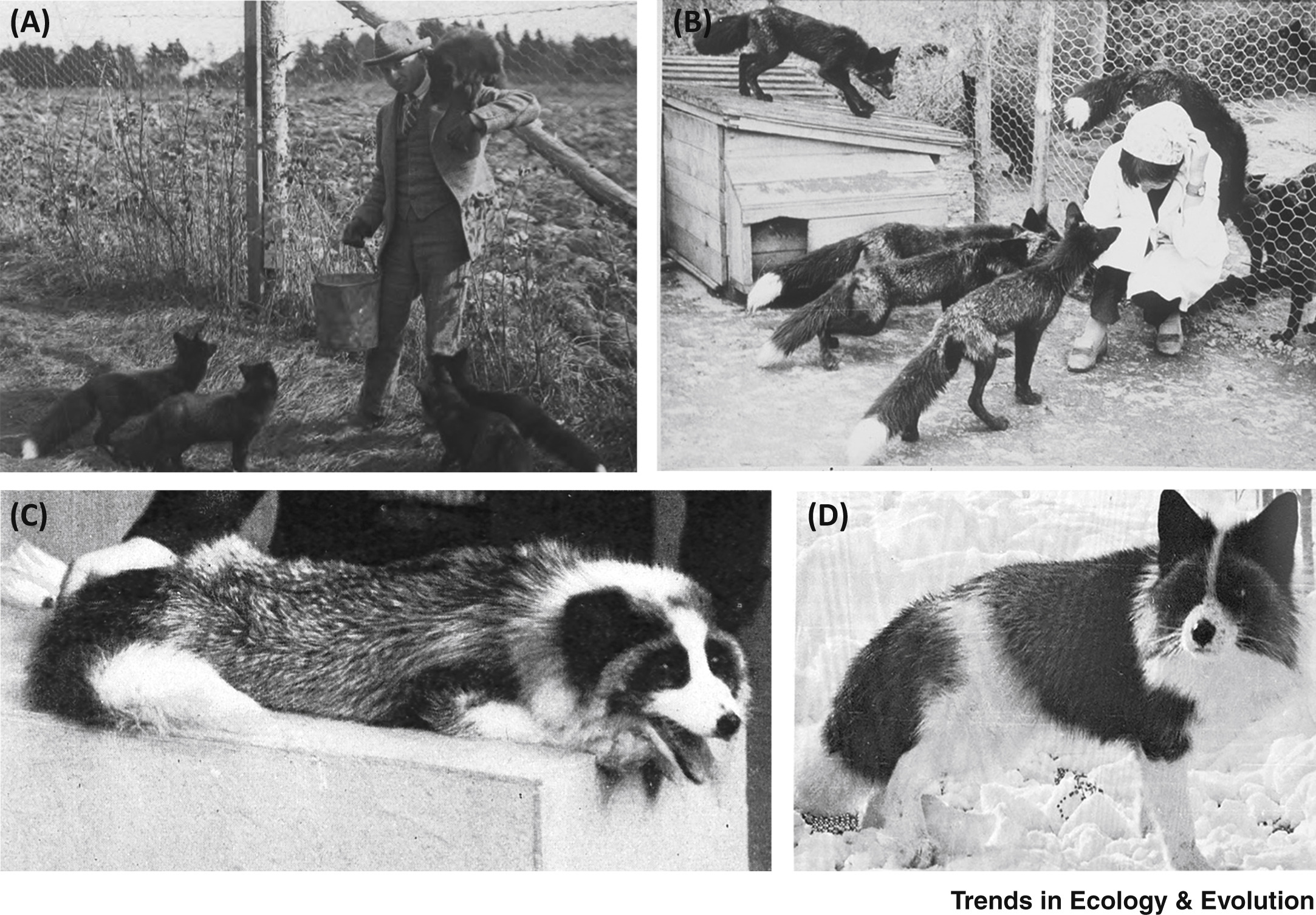
Long before written history, humans were experimenting with one of the most transformative ideas in our species’ story: domestication. We often think of domesticated animals as fixed and familiar—dogs, cattle, sheep, goats. But the path to domestication was not simple or guaranteed. It was full of trials, failures, and forgotten attempts to tame species that never fully adapted to human life.
These early experiments shaped agriculture, settlement, and even human biology. Yet many of them remain largely invisible, preserved only through bones, genetic traces, and archaeological clues.
What Does Domestication Really Mean?
Domestication is not the same as taming. A tamed animal may grow accustomed to human presence, but domestication involves long-term genetic change. Over generations, humans selectively breed animals for desirable traits—docility, size, milk production, strength, or companionship.
This process can take centuries or even millennia.
Archaeologists look for specific signs of domestication:
Changes in bone structure or body size
Evidence of controlled breeding
Pathologies from carrying loads or being penned
Settlement patterns showing animals living alongside humans
But not every attempt succeeded.
The First Successful Experiment: Wolves to Dogs
The earliest and most famous domestication story is the transformation of wolves into dogs. Genetic and archaeological evidence suggests this began over 15,000 years ago, possibly earlier.
At sites across Eurasia, early dog burials show that these animals were not merely tools—they were companions. At the ancient settlement of Göbekli Tepe, symbolic carvings include wild animals, but dogs likely lived alongside early farmers in nearby regions, helping guard settlements and assist in hunting.
The domestication of dogs was likely a gradual partnership. Less aggressive wolves may have scavenged near human camps. Over time, mutual benefit led to deeper cooperation.
But not every species was so adaptable.
Attempts That Failed
Evidence suggests that ancient communities experimented with taming various wild species that never became fully domesticated.
1. Gazelles in the Near East
Early Neolithic settlements in Mesopotamia hunted gazelles extensively. Some researchers believe there may have been attempts to manage or herd them. However, gazelles are highly sensitive to stress and difficult to breed in captivity. Unlike sheep or goats, they never transitioned into stable domestic stock.
2. Wild Horses Before Domestication
Horses were hunted for thousands of years before domestication. It was not until later—possibly in the Eurasian steppes—that selective breeding transformed wild horses into manageable riding animals. Early attempts likely involved capturing and tethering individuals, with mixed results.
3. Exotic and Dangerous Species
In ancient Egypt, reliefs show pharaohs keeping exotic animals such as cheetahs and even hyenas. While these animals were tamed for specific purposes, they were never fully domesticated. Their behavior remained unpredictable across generations.
At times, humans attempted to control animals simply because they were impressive or powerful. Most of these efforts did not result in lasting domestic lines.
Why Some Animals Could Be Domesticated—and Others Could Not
Modern research suggests that successful domestication depends on several traits:
A social hierarchy that humans can enter and lead
A flexible diet
The ability to breed in captivity
Manageable temperament
Fast growth rate
Animals lacking these characteristics proved resistant to domestication, no matter how useful they might have seemed.
For example, zebras have been repeatedly considered for domestication in Africa due to their strength and disease resistance. Yet their unpredictable behavior and aggressive tendencies prevented long-term success.
Domestication as Cultural Innovation
The domestication of sheep, goats, and cattle transformed human society. It allowed permanent settlements, food storage, and population growth. In regions such as Anatolia, early farming communities integrated livestock into daily life, changing landscapes and diets.
But domestication was not purely economic. Animals also held symbolic and spiritual value. Bulls, for example, appear prominently in art and ritual throughout the ancient Mediterranean.
In some cases, domestication experiments may have been motivated by belief as much as practicality.
Archaeological Clues of Forgotten Experiments
How do archaeologists identify failed domestication attempts?
They examine:
Unusual concentrations of animal bones within settlements
Age profiles suggesting herd management
Enclosures or pens
Skeletal stress markers indicating restraint
Sometimes evidence suggests short-lived herding attempts that were later abandoned.
Domestication was a process of learning. Communities experimented, observed results, and adjusted strategies. Some animals integrated successfully into human society. Others remained wild.
Domestication Changed Humans Too
The process did not only transform animals—it changed us. Living closely with animals influenced human immunity, diet, labor systems, and even social structure.
The ability to manage livestock led to surplus production. Surplus allowed specialization. Specialization gave rise to cities and states.
The forgotten domestication experiments are part of that larger story. They remind us that progress often involves failure.
The Silent Partnerships of Prehistory
When we look at a modern farm, it is easy to forget how uncertain the beginning was. Early humans did not know which species would thrive under human care. They tested possibilities through patience and persistence.
Some partnerships endured for thousands of years. Others faded into archaeological obscurity.
The forgotten animal domestication experiments reveal something fundamental about our ancestors: they were not only hunters and gatherers. They were observers, experimenters, and innovators—willing to reshape relationships with the natural world in ways that would permanently alter human history.