Introduction
Situated within the rugged highlands of the Aubrac Plateau in southern France, Balma de l'Aubrac is an important Upper Paleolithic rock shelter associated with the Magdalenian culture, dating between approximately 17,000 and 12,000 years ago. The shelter preserves evidence of repeated seasonal occupations by highly mobile hunter-gatherers who followed migrating herds across the upland grasslands and river valleys of central France. Excavations have revealed hearths, stone blades, bone tools, ornaments, and butchered animal remains that illustrate the sophisticated lifeways of Europe's final Ice Age hunters.
Landscape and Seasonal Occupation
The Aubrac Plateau offered rich hunting grounds where large herbivores such as reindeer, wild horses, red deer, and bison grazed across open meadows. Balma de l'Aubrac overlooked important migration routes, making it an ideal temporary camp for hunting expeditions.
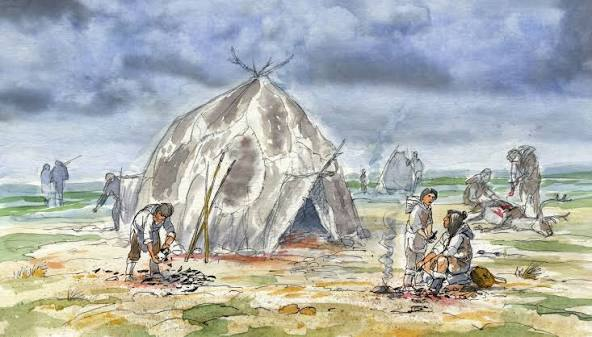
Rather than functioning as a permanent settlement, the shelter was occupied repeatedly during different seasons as Magdalenian groups moved across the landscape in search of game and other natural resources. This seasonal mobility allowed prehistoric communities to maximize food availability throughout the year.
Camp Organization
Excavations have identified several well-preserved hearths surrounded by concentrations of stone-knapping debris, butchered animal bones, and bone-working areas. These activity zones indicate that families organized their camps carefully, assigning specific areas for food preparation, tool manufacture, hide processing, and sleeping.
The repeated rebuilding of fireplaces suggests that the shelter remained an important stopping point within broader seasonal migration routes for many centuries.
Technology and Hunting
Stone artifacts recovered from the site include long blades, burins, end scrapers, backed points, and finely retouched projectile inserts. Bone and antler tools include spear tips, needles, fish hooks, and decorative pendants.
Animal bones display cut marks from systematic butchering, while fractured long bones indicate marrow extraction. Evidence suggests that hunters used spear throwers (atlatls) to increase the accuracy and force of their hunting weapons.
Artistic and Symbolic Objects
Alongside practical tools, archaeologists have recovered personal ornaments made from perforated animal teeth, shells, and carved bone. These decorative items likely expressed individual identity, social status, or cultural affiliation and demonstrate that artistic expression formed an important part of Magdalenian life.
Conclusion
Balma de l'Aubrac provides an excellent example of a Magdalenian seasonal hunting camp. Its organized living areas, advanced hunting technology, and symbolic artifacts reveal the adaptability and cultural sophistication of Upper Paleolithic hunter-gatherers living in the uplands of southern France.