• MAIN PAGE
  • LATEST NEWS
    • Lost Cities
    • Archaeology's Greatest Finds
    • Underwater Discoveries
    • Greatest Inventions
    • Studies
    • Blog
  • PHILOSOPHY
  • HISTORY
  • RELIGIONS
    • Africa
    • Anatolia
    • Arabian Peninsula
    • Balkan Region
    • China - East Asia
    • Europe
    • Eurasian Steppe
    • Levant
    • Mesopotamia
    • Oceania - SE Asia
    • Pre-Columbian Civilizations of America
    • Iranian Plateau - Central Asia
    • Indus Valley - South Asia
    • Japan
    • The Archaeologist Editor Group
    • Scientific Studies
    • Aegean Prehistory
    • Historical Period
    • Byzantine Middle Ages
    • Predynastic Period
    • Dynastic Period
    • Greco-Roman Egypt
  • Rome
  • PALEONTOLOGY
  • About us
Menu

The Archaeologist

  • MAIN PAGE
  • LATEST NEWS
  • DISCOVERIES
    • Lost Cities
    • Archaeology's Greatest Finds
    • Underwater Discoveries
    • Greatest Inventions
    • Studies
    • Blog
  • PHILOSOPHY
  • HISTORY
  • RELIGIONS
  • World Civilizations
    • Africa
    • Anatolia
    • Arabian Peninsula
    • Balkan Region
    • China - East Asia
    • Europe
    • Eurasian Steppe
    • Levant
    • Mesopotamia
    • Oceania - SE Asia
    • Pre-Columbian Civilizations of America
    • Iranian Plateau - Central Asia
    • Indus Valley - South Asia
    • Japan
    • The Archaeologist Editor Group
    • Scientific Studies
  • GREECE
    • Aegean Prehistory
    • Historical Period
    • Byzantine Middle Ages
  • Egypt
    • Predynastic Period
    • Dynastic Period
    • Greco-Roman Egypt
  • Rome
  • PALEONTOLOGY
  • About us
No results found

Black Hand Site: Ohio's Adena Earthworks

July 30, 2026

Introduction

Situated near the famous Black Hand Sandstone Gorge along the Licking River in central Ohio, the Black Hand Site preserves evidence of ceremonial earthworks associated with the Adena culture, dating from approximately 800 BCE to 100 CE. The surrounding landscape of sandstone cliffs, river terraces, and fertile valleys provided an ideal location for ceremonial gatherings and seasonal occupation. Although much of the original earthwork has been altered through natural erosion and later development, archaeological investigations have identified burial mounds, habitation areas, and ceremonial features that demonstrate the importance of the region within the Adena cultural tradition.

Earthwork Construction

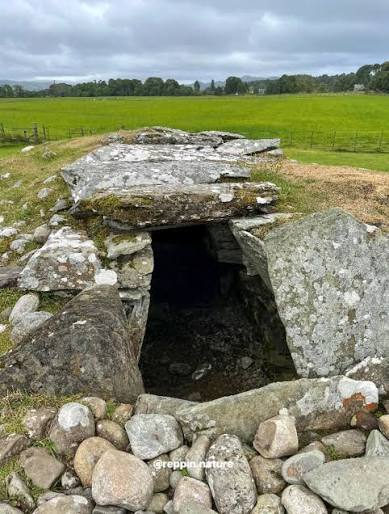
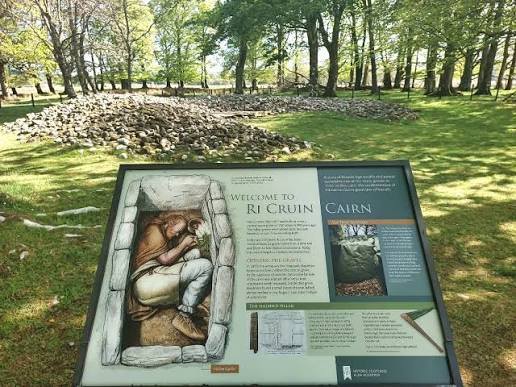
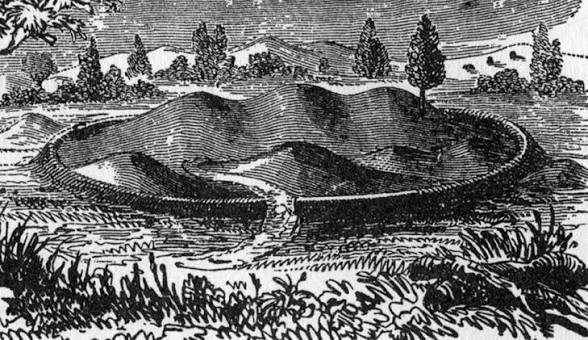
The Adena people constructed circular burial mounds using thousands of basket loads of soil carefully layered over prepared graves. Some burials were placed within wooden log tombs before being covered by successive earthen deposits, gradually creating prominent mounds visible across the surrounding landscape.

Unlike later Mississippian platform mounds, Adena earthworks primarily served mortuary and ceremonial purposes rather than supporting temples or elite residences.

Artifacts and Trade

Excavations have recovered finely crafted stone tools, pottery vessels, polished gorgets, copper ornaments, shell beads, and ceremonial pipes. Many exotic materials originated hundreds of kilometers away, indicating participation in extensive trade networks connecting communities throughout eastern North America.

These artifacts illustrate the growing social complexity and ceremonial traditions of Early Woodland societies.

Religion and Ceremony

The Black Hand Site likely served as a regional ceremonial center where dispersed communities gathered to conduct funeral rituals, honor ancestors, and reinforce social relationships. Seasonal gatherings may have included feasting, gift exchange, religious ceremonies, and communal construction of new burial mounds.

Archaeological Importance

The site contributes significantly to understanding Adena burial customs, early earthwork engineering, and the development of ceremonial landscapes throughout the Ohio Valley. It also demonstrates how natural landmarks influenced the placement of sacred sites.

Conclusion

The Black Hand Site preserves valuable evidence of Adena ceremonial earthwork traditions, illustrating early mound construction, regional trade, and complex religious practices that laid the foundation for later Hopewell and Mississippian civilizations.
← Cave-in-Rock: Illinois' Saltpeter Mining CaveStubbs Earthworks: Ohio's Hopewell Enclosure →
Featured
image_2026-07-26_233654475.png
July 30, 2026
Mill Creek Chert Mines: Illinois' Quarry Complex
July 30, 2026
Read more →
July 30, 2026
image_2026-07-26_233854464.png
July 30, 2026
Cave-in-Rock: Illinois' Saltpeter Mining Cave
July 30, 2026
Read more →
July 30, 2026
image_2026-07-26_233924513.png
July 30, 2026
Black Hand Site: Ohio's Adena Earthworks
July 30, 2026
Read more →
July 30, 2026
image_2026-07-26_234003346.png
July 30, 2026
Stubbs Earthworks: Ohio's Hopewell Enclosure
July 30, 2026
Read more →
July 30, 2026
image_2026-07-26_234137845.png
July 30, 2026
Tremper Mound: Ohio's Pipe Cache Burial
July 30, 2026
Read more →
July 30, 2026
image_2026-07-26_234210983.png
July 30, 2026
Seip Earthworks: Ohio's Hopewell Geometric Complex
July 30, 2026
Read more →
July 30, 2026
read more

Powered by The archaeologist