• MAIN PAGE
  • LATEST NEWS
    • Lost Cities
    • Archaeology's Greatest Finds
    • Underwater Discoveries
    • Greatest Inventions
    • Studies
    • Blog
  • PHILOSOPHY
  • HISTORY
  • RELIGIONS
    • Africa
    • Anatolia
    • Arabian Peninsula
    • Balkan Region
    • China - East Asia
    • Europe
    • Eurasian Steppe
    • Levant
    • Mesopotamia
    • Oceania - SE Asia
    • Pre-Columbian Civilizations of America
    • Iranian Plateau - Central Asia
    • Indus Valley - South Asia
    • Japan
    • The Archaeologist Editor Group
    • Scientific Studies
    • Aegean Prehistory
    • Historical Period
    • Byzantine Middle Ages
    • Predynastic Period
    • Dynastic Period
    • Greco-Roman Egypt
  • Rome
  • PALEONTOLOGY
  • About us
Menu

The Archaeologist

  • MAIN PAGE
  • LATEST NEWS
  • DISCOVERIES
    • Lost Cities
    • Archaeology's Greatest Finds
    • Underwater Discoveries
    • Greatest Inventions
    • Studies
    • Blog
  • PHILOSOPHY
  • HISTORY
  • RELIGIONS
  • World Civilizations
    • Africa
    • Anatolia
    • Arabian Peninsula
    • Balkan Region
    • China - East Asia
    • Europe
    • Eurasian Steppe
    • Levant
    • Mesopotamia
    • Oceania - SE Asia
    • Pre-Columbian Civilizations of America
    • Iranian Plateau - Central Asia
    • Indus Valley - South Asia
    • Japan
    • The Archaeologist Editor Group
    • Scientific Studies
  • GREECE
    • Aegean Prehistory
    • Historical Period
    • Byzantine Middle Ages
  • Egypt
    • Predynastic Period
    • Dynastic Period
    • Greco-Roman Egypt
  • Rome
  • PALEONTOLOGY
  • About us

Bronze Age Burial Uncovered in Greece

January 15, 2026

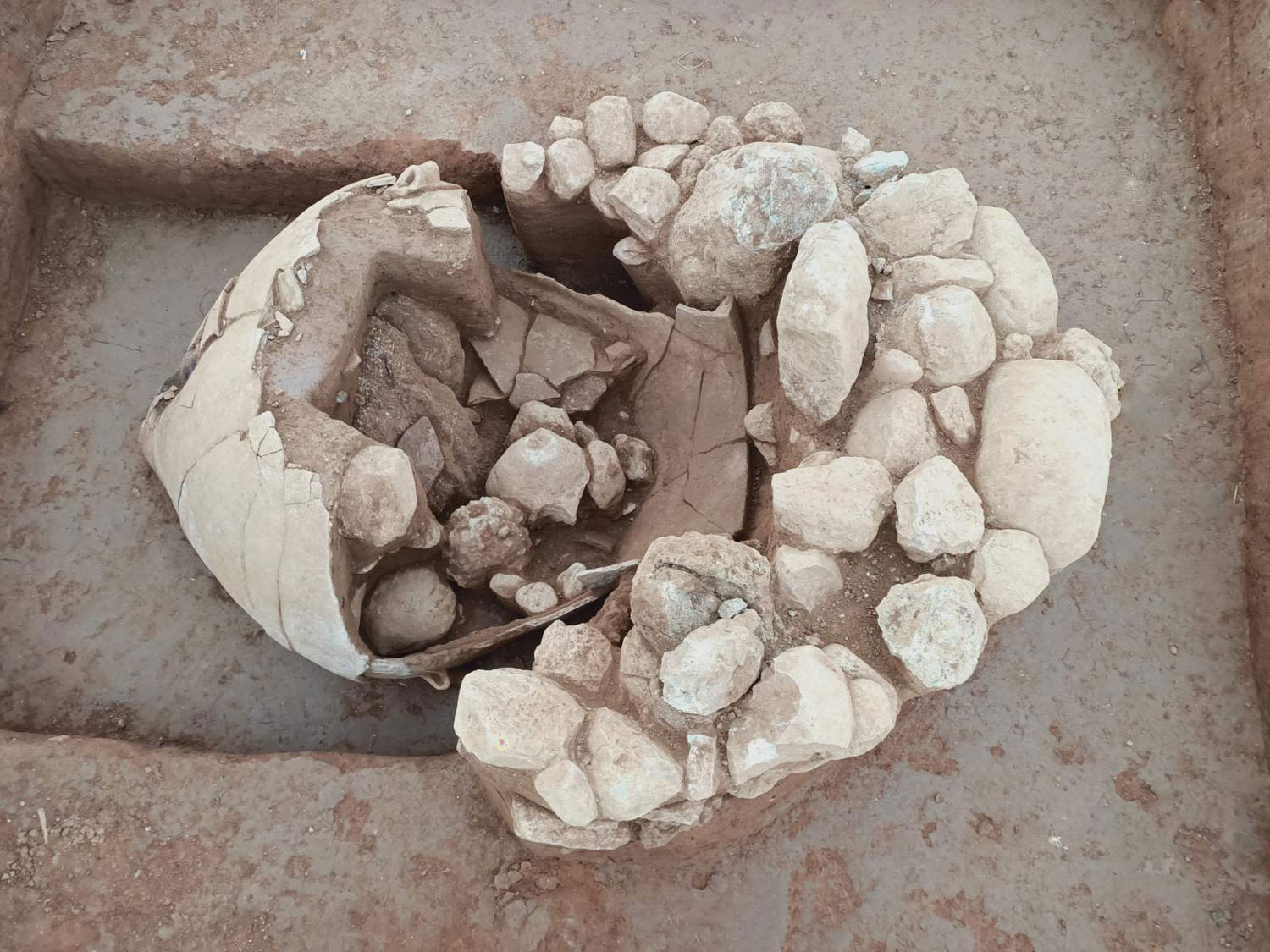
RAFINA, GREECE—According to La Brújula Verde, archaeologists have uncovered a Bronze Age grave and a large circular pit along the bank of a stream in eastern Attica. A team from Greece’s Ephorate of Antiquities of Eastern Attica discovered a pithos nearly six feet in length inside the tomb. The vessel was decorated with corded reliefs around its neck and handles and had been laid horizontally on its side. Its opening was sealed with a mock doorway formed from two large stones and smaller slabs, then enclosed by a semicircular wall built from river pebbles. Inside the jar, resting on sand and pebbles, were the bones of two individuals, which had been covered with large stones. The burial also contained a copper awl, an oval-shaped stone believed to have functioned as a plaque, obsidian points, and ceramic vessels.

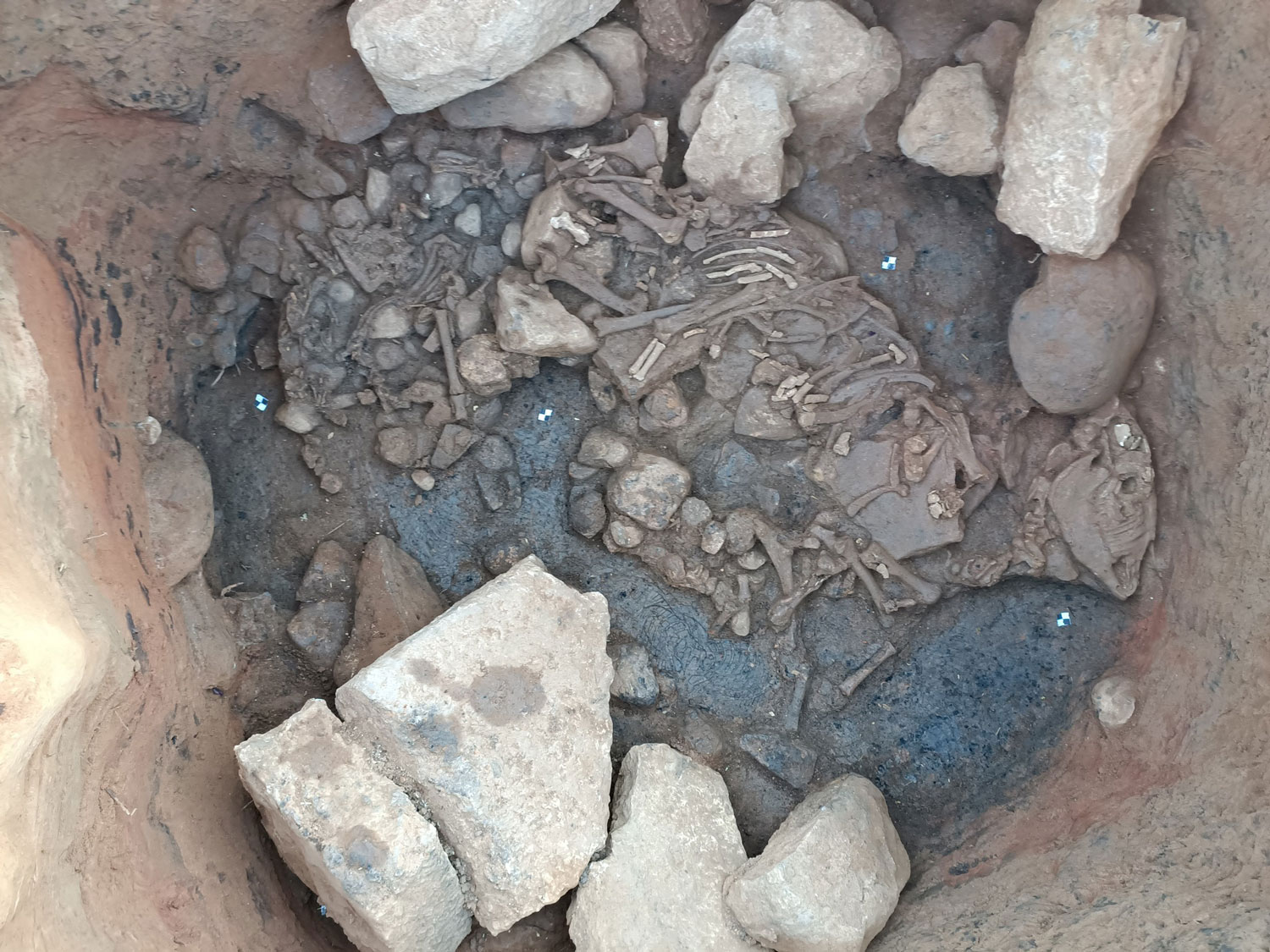
About six feet from the burial, excavators identified a large circular pit showing evidence of fire and prolonged ritual activity. From the upper layers, they recovered a bull’s skull, pottery fragments, and copper coins. Near the base of the pit, they found a layer of ash and burned material, along with the bones of an equid and smaller animals. These animal remains are thought to be cremains, possibly from animals cooked as sacrificial offerings. Dating both the burial and the pit’s contents may clarify whether the two features are connected.
← Gold rings and marble found underneath Roman cityHidden rock art dating back 5,000 years uncovered in Saudi Arabia →
Featured
image_2026-01-15_205040149.png
Jan 15, 2026
Ancient Acoustic Chambers with Mysterious Echoes
Jan 15, 2026
Read More →
Jan 15, 2026
image_2026-01-15_204746638.png
Jan 15, 2026
The First People Who Tried to Predict the Future
Jan 15, 2026
Read More →
Jan 15, 2026
image_2026-01-15_204706612.png
Jan 15, 2026
Ancient Roads That Changed the World Forever
Jan 15, 2026
Read More →
Jan 15, 2026
image_2026-01-15_203918136.png
Jan 15, 2026
Pyramids That Are Older Than Egypt
Jan 15, 2026
Read More →
Jan 15, 2026
image_2026-01-15_203232878.png
Jan 15, 2026
The Secret Poison Masters of Antiquity
Jan 15, 2026
Read More →
Jan 15, 2026
image_2026-01-15_202105020.png
Jan 15, 2026
Moon Worship Before the Dawn of History
Jan 15, 2026
Read More →
Jan 15, 2026
read more

Powered by The archaeologist