New discoveries in Soudah Peaks hint at early life, rituals and lost stories
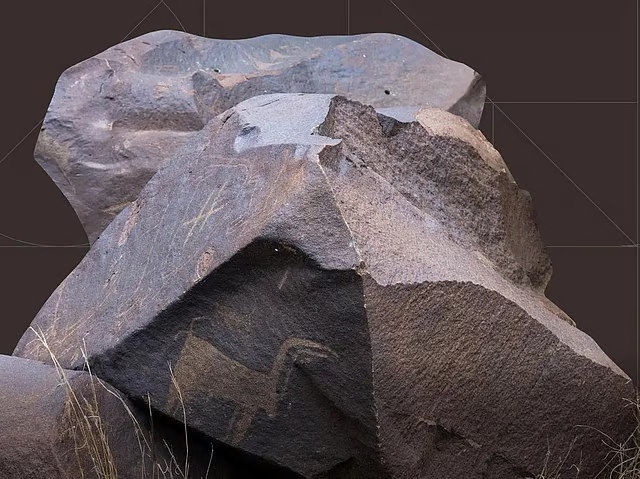
Saudi Arabia’s Heritage Commission, working with the Soudah Development Company, has revealed the discovery of 20 rock formations engraved with ancient inscriptions inside the Soudah Peaks Project area—finds experts describe as among the oldest cultural traces ever identified in the region.
According to the Saudi Press Agency (SPA), the carvings are thought to be between 4,000 and 5,000 years old, providing rare insight into the daily lives, beliefs, and surrounding environments of the early communities that once lived there.
The project area spans more than 636.5 square kilometres, covering Soudah and parts of Rijal Almaa Governorate in the Asir region. Researchers now say this dramatic landscape holds significant historical and cultural value, adding a new dimension to understanding the area’s deep past.
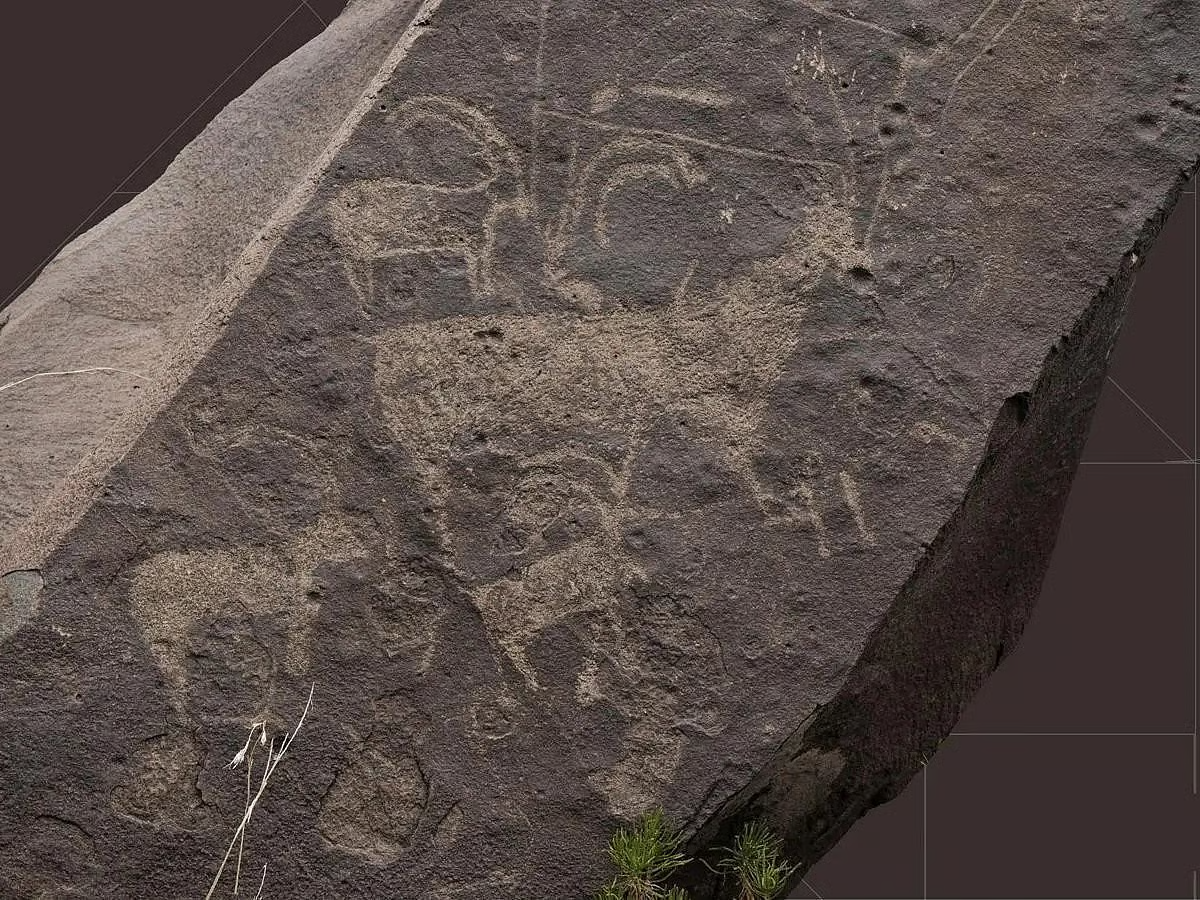
Among the most significant discoveries are Thamudic inscriptions, an early writing system linked to the Thamud tribe. The rock faces also display carvings of animals such as ibexes, hyenas, and ostriches, alongside depictions of hunters, dancers, palm trees, and weapons. Together, these images offer insight into everyday life, ritual activity, and environmental conditions in ancient times.
The commission said the finds confirm that Soudah and Rijal Almaa were long-established centres of human settlement and cultural activity, playing an important role in the area’s historical development. The discoveries resulted from a joint archaeological survey conducted under a memorandum of understanding between the Heritage Commission and the Soudah Development Company. The survey was completed in four scientific stages: data gathering, site analysis, documentation, and the identification of high-value archaeological sites, creating a basis for their long-term protection and integration into future development plans.
Rijal Almaa is a striking historic village and governorate in Saudi Arabia’s Asir region, dating back around 900 years. It is known for its distinctive stone, mud, and wood architecture, vibrant decorative patterns, and its historic role as a key trade centre connecting Yemen, Makkah, and the Levant.