Buckquoy is one of Orkney's important archaeological sites for understanding the transition between Pictish and Norse society.
Its cemetery evidence is especially valuable because burial archaeology can reveal changes in identity, religious practice, population movement, and cultural interaction.
Pictish Orkney
Before the Norse settlement of Orkney, the islands were inhabited by Pictish communities.
The Picts left behind:
carved stones;
settlements;
churches;
burial sites;
and distinctive artistic traditions.
The Arrival of the Norse
From the late first millennium CE, Norse settlers increasingly became part of Orkney's population.
This did not necessarily mean that Pictish communities simply disappeared.
Instead, the archaeological record suggests a complex process of interaction.
Cemeteries as Evidence
Burial sites are particularly useful for studying cultural change.
Archaeologists can examine:
body position;
grave orientation;
grave construction;
artifacts;
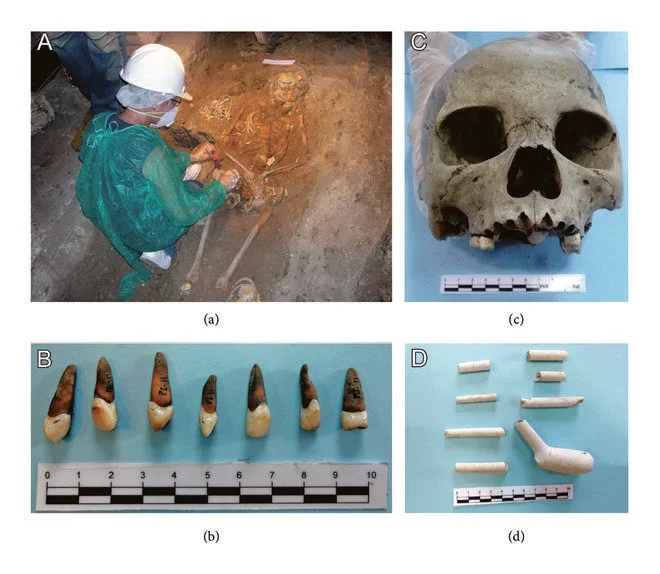
skeletal evidence;
and cemetery organization.
Pictish and Norse Traditions
Pictish and Norse burial traditions were not completely fixed or uniform.
Christianity also became increasingly important.
As a result, identifying an individual as “Pictish” or “Norse” solely from a grave can be difficult.
Material Culture
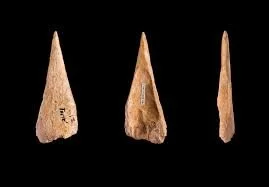
Objects associated with burials may include:
jewelry;
tools;
weapons;
personal ornaments;
and other possessions.
These objects can demonstrate contacts across the North Atlantic.
Population and Identity
One of the most important lessons from sites such as Buckquoy is that cultural identity is complicated.
A person could live in a Norse-controlled community while retaining elements of local ancestry or tradition.
Christianization
The gradual adoption of Christianity further changed burial customs.
Earlier Scandinavian traditions could involve grave goods, while Christian burial increasingly emphasized the body within a consecrated cemetery.
Conclusion
Buckquoy: Orkney's Pictish-Norse Cemetery provides a valuable case study in cultural transition.
Rather than presenting the Pictish and Norse worlds as completely separate, archaeology reveals interaction, adaptation, intermarriage, religious transformation, and changing identities.
The cemetery therefore represents one of the most important ways archaeologists investigate the cultural transformation of medieval Orkney.