• MAIN PAGE
  • LATEST NEWS
    • Lost Cities
    • Archaeology's Greatest Finds
    • Underwater Discoveries
    • Greatest Inventions
    • Studies
    • Blog
  • PHILOSOPHY
  • HISTORY
  • RELIGIONS
    • Africa
    • Anatolia
    • Arabian Peninsula
    • Balkan Region
    • China - East Asia
    • Europe
    • Eurasian Steppe
    • Levant
    • Mesopotamia
    • Oceania - SE Asia
    • Pre-Columbian Civilizations of America
    • Iranian Plateau - Central Asia
    • Indus Valley - South Asia
    • Japan
    • The Archaeologist Editor Group
    • Scientific Studies
    • Aegean Prehistory
    • Historical Period
    • Byzantine Middle Ages
    • Predynastic Period
    • Dynastic Period
    • Greco-Roman Egypt
  • Rome
  • PALEONTOLOGY
  • About us
Menu

The Archaeologist

  • MAIN PAGE
  • LATEST NEWS
  • DISCOVERIES
    • Lost Cities
    • Archaeology's Greatest Finds
    • Underwater Discoveries
    • Greatest Inventions
    • Studies
    • Blog
  • PHILOSOPHY
  • HISTORY
  • RELIGIONS
  • World Civilizations
    • Africa
    • Anatolia
    • Arabian Peninsula
    • Balkan Region
    • China - East Asia
    • Europe
    • Eurasian Steppe
    • Levant
    • Mesopotamia
    • Oceania - SE Asia
    • Pre-Columbian Civilizations of America
    • Iranian Plateau - Central Asia
    • Indus Valley - South Asia
    • Japan
    • The Archaeologist Editor Group
    • Scientific Studies
  • GREECE
    • Aegean Prehistory
    • Historical Period
    • Byzantine Middle Ages
  • Egypt
    • Predynastic Period
    • Dynastic Period
    • Greco-Roman Egypt
  • Rome
  • PALEONTOLOGY
  • About us
No results found

Óc Eo: Mekong Delta's Funan Empire Port

July 28, 2026

Introduction

Situated in An Giang Province in the southwest Mekong Delta, Óc Eo was the principal cosmopolitan port city and economic engine of the Funan Empire from the 1st to the 7th century CE. First excavated by French archaeologist Louis Malleret in the 1940s, Óc Eo revealed a sprawling, canal-linked urban metropolis that served as a vital crossroads on the maritime Silk Road connecting China, India, Persia, and the Roman Mediterranean.

Urban Canal Engineering & Global Trade Network

Óc Eo was engineered around an intricate network of artificial canals that served as transportation highways, agricultural irrigation channels, and flood control systems:

  • Hydraulic Urban Planning: A network of long, straight canals connected the inland city center directly to the Gulf of Thailand port at Ba Thê, allowing deep-draft merchant vessels to dock directly at city warehouses.

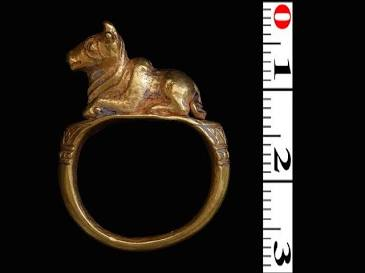
  • Artisanal Goldworking: Óc Eo contained extensive jewelry-making workshops producing delicate gold leaf ornaments, beaded necklaces, and signet rings engraved with Sanskrit or Roman-style motifs.

  • Global Material Evidence: Archaeological finds include Roman gold medallions dating to the reign of Antoninus Pius and Marcus Aurelius, Sasanian Persian glassware, and Han Dynasty bronze mirrors.

It was one of the most prosperous trading ports of the ancient Kingdom of Funan, flourishing between the 1st and 7th centuries CE in the Mekong Delta. Archaeological excavations have revealed canals, warehouses, jewelry workshops, temples, coins, ceramics, and imported luxury goods, demonstrating that Óc Eo functioned as a major commercial center linking Southeast Asia with India, China, and the Roman world.

Artifacts discovered at the site include Roman coins, Indian religious sculptures, Chinese ceramics, gold jewelry, and locally produced goods, illustrating the city's multicultural character. Merchants exchanged spices, precious stones, ivory, silk, metals, and exotic products through extensive maritime trade routes. The prosperity of Óc Eo reflects the Funan Empire's role as one of Southeast Asia's earliest international trading powers and a center for the spread of Hinduism and Buddhism.

Key Funan Takeaway: Óc Eo proves that 2,000 years ago, the Mekong Delta hosted a sophisticated, multi-ethnic maritime empire that integrated Indian Ocean trade routes with East Asian maritime networks.

Conclusion

Óc Eo stands as one of the most significant ancient port cities in Asian history. Its canal infrastructure and global trade goods highlight the key role early Southeast Asian empires played in early global commerce.
← Claiborne Mounds: Louisiana's 3,500-Year Canals Gò Mun: Vietnam's 2,500-Year Bronze Casters →
Featured
image_2026-07-26_224409846.png
July 28, 2026
Thap Mam: Vietnam's Oc Eo-Style Brick Temples
July 28, 2026
Read more →
July 28, 2026
image_2026-07-26_224248493.png
July 28, 2026
Binh Dinh Citadels: Vietnam's Vijaya Kingdom Walls
July 28, 2026
Read more →
July 28, 2026
image_2026-07-26_225620255.png
July 28, 2026
Maçon: Louisiana's Prehistoric Platform Mounds
July 28, 2026
Read more →
July 28, 2026
image_2026-07-26_225230411.png
July 28, 2026
Tra Kieu: Vietnam's Champa Capital Ruins
July 28, 2026
Read more →
July 28, 2026
image_2026-07-26_223916147.png
July 28, 2026
My Son Sanctuary: Vietnam's Cham Towers
July 28, 2026
Read more →
July 28, 2026
image_2026-07-26_230757480.png
July 28, 2026
Claiborne Mounds: Louisiana's 3,500-Year Canals
July 28, 2026
Read more →
July 28, 2026
read more

Powered by The archaeologist