Introduction
Located near Castalian Springs in Sumner County, Tennessee, the Castalian Springs Mound Site was one of the largest Mississippian settlements in the Middle Cumberland region. Occupied from approximately 1100 to 1450 CE, the site served as a major political, religious, and residential center surrounded by fertile farmland and natural springs. The settlement included a large platform mound, a central ceremonial plaza, extensive residential neighborhoods, defensive palisades, and burial grounds. Archaeological evidence suggests that Castalian Springs functioned as the capital of a powerful local chiefdom that governed nearby farming communities throughout the Cumberland River Valley.
Settlement Planning
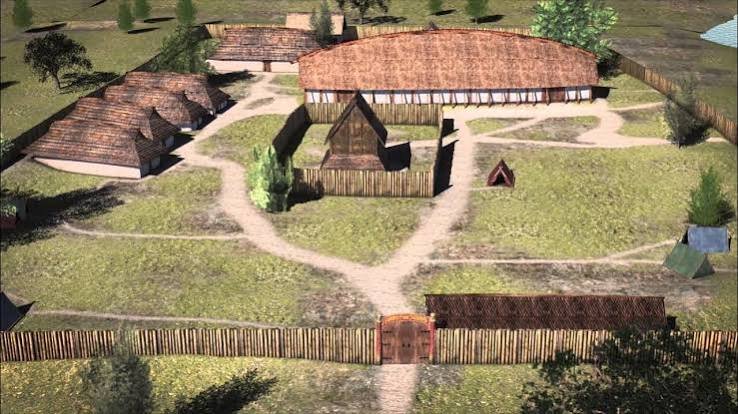
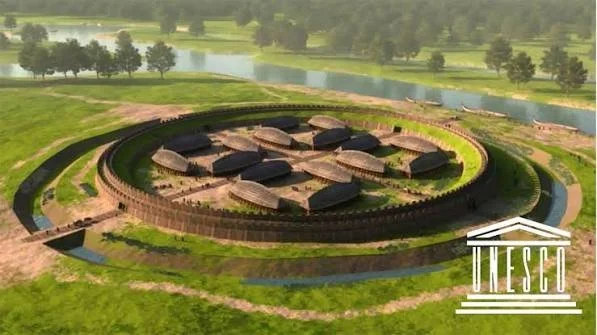
The community was carefully organized around a broad rectangular plaza dominated by a massive platform mound supporting the residence of the chief or an important temple. Residential houses were arranged in organized clusters surrounding the ceremonial center, while storage pits and workshops supported everyday economic activities.
The settlement was enclosed by a substantial wooden palisade constructed from closely spaced upright logs. Defensive gateways controlled movement into the village and protected both the population and the ceremonial precinct from potential attacks.
Agriculture and Trade
Castalian Springs flourished because of its location near fertile floodplains and reliable freshwater springs. Residents cultivated maize, beans, squash, and sunflowers while supplementing their diet through hunting, fishing, and gathering wild plants.
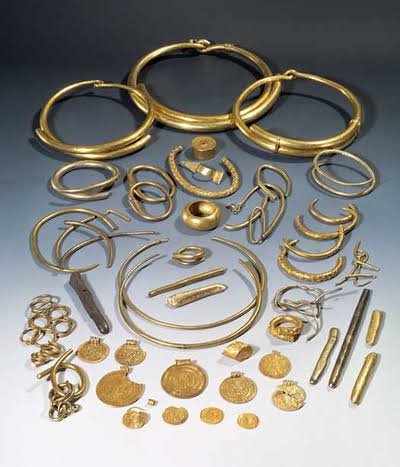
Trade routes connected the settlement with other Mississippian communities throughout Tennessee, Alabama, Mississippi, and the Ohio Valley. Archaeologists have recovered shell ornaments, copper objects, exotic stone materials, and finely crafted ceramics that illustrate the community's participation in long-distance exchange networks.
Ceremonial Activities
Religious ceremonies were conducted atop the platform mound, where priests performed rituals connected to agriculture, ancestor worship, and seasonal cycles. The central plaza hosted communal feasts, public gatherings, diplomatic meetings, ritual dances, and athletic competitions that reinforced political alliances and community identity.
Artifacts associated with the Southeastern Ceremonial Complex demonstrate that Castalian Springs shared many religious beliefs and artistic traditions with other Mississippian centers across the Southeast.
Archaeological Importance
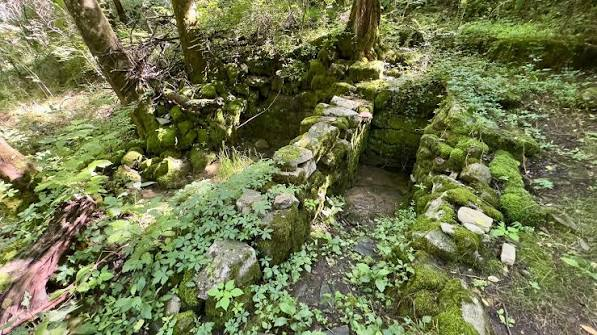
Excavations have revealed house floors, storage pits, defensive palisades, pottery workshops, burial features, and ceremonial objects that provide detailed information about social organization and daily life. Castalian Springs remains one of Tennessee's best-preserved Middle Cumberland archaeological sites.
Conclusion
Castalian Springs represents one of the most important Mississippian chiefdom centers in Tennessee. Its monumental platform mound, organized village layout, defensive fortifications, and extensive trade connections demonstrate the remarkable political organization and engineering achievements of the Middle Cumberland people.