• MAIN PAGE
  • LATEST NEWS
    • Lost Cities
    • Archaeology's Greatest Finds
    • Underwater Discoveries
    • Greatest Inventions
    • Studies
    • Blog
  • PHILOSOPHY
  • HISTORY
  • RELIGIONS
    • Africa
    • Anatolia
    • Arabian Peninsula
    • Balkan Region
    • China - East Asia
    • Europe
    • Eurasian Steppe
    • Levant
    • Mesopotamia
    • Oceania - SE Asia
    • Pre-Columbian Civilizations of America
    • Iranian Plateau - Central Asia
    • Indus Valley - South Asia
    • Japan
    • The Archaeologist Editor Group
    • Scientific Studies
    • Aegean Prehistory
    • Historical Period
    • Byzantine Middle Ages
    • Predynastic Period
    • Dynastic Period
    • Greco-Roman Egypt
  • Rome
  • PALEONTOLOGY
  • About us
Menu

The Archaeologist

  • MAIN PAGE
  • LATEST NEWS
  • DISCOVERIES
    • Lost Cities
    • Archaeology's Greatest Finds
    • Underwater Discoveries
    • Greatest Inventions
    • Studies
    • Blog
  • PHILOSOPHY
  • HISTORY
  • RELIGIONS
  • World Civilizations
    • Africa
    • Anatolia
    • Arabian Peninsula
    • Balkan Region
    • China - East Asia
    • Europe
    • Eurasian Steppe
    • Levant
    • Mesopotamia
    • Oceania - SE Asia
    • Pre-Columbian Civilizations of America
    • Iranian Plateau - Central Asia
    • Indus Valley - South Asia
    • Japan
    • The Archaeologist Editor Group
    • Scientific Studies
  • GREECE
    • Aegean Prehistory
    • Historical Period
    • Byzantine Middle Ages
  • Egypt
    • Predynastic Period
    • Dynastic Period
    • Greco-Roman Egypt
  • Rome
  • PALEONTOLOGY
  • About us
No results found

Prehistoric Surgery: Evidence of Amputation and Healing 30,000 Years Ago

April 21, 2026

The idea that advanced medical procedures existed in prehistoric times may seem surprising, but archaeological evidence suggests that early humans were capable of performing complex surgeries. One of the most remarkable discoveries is evidence of limb amputation dating back approximately 30,000 years.

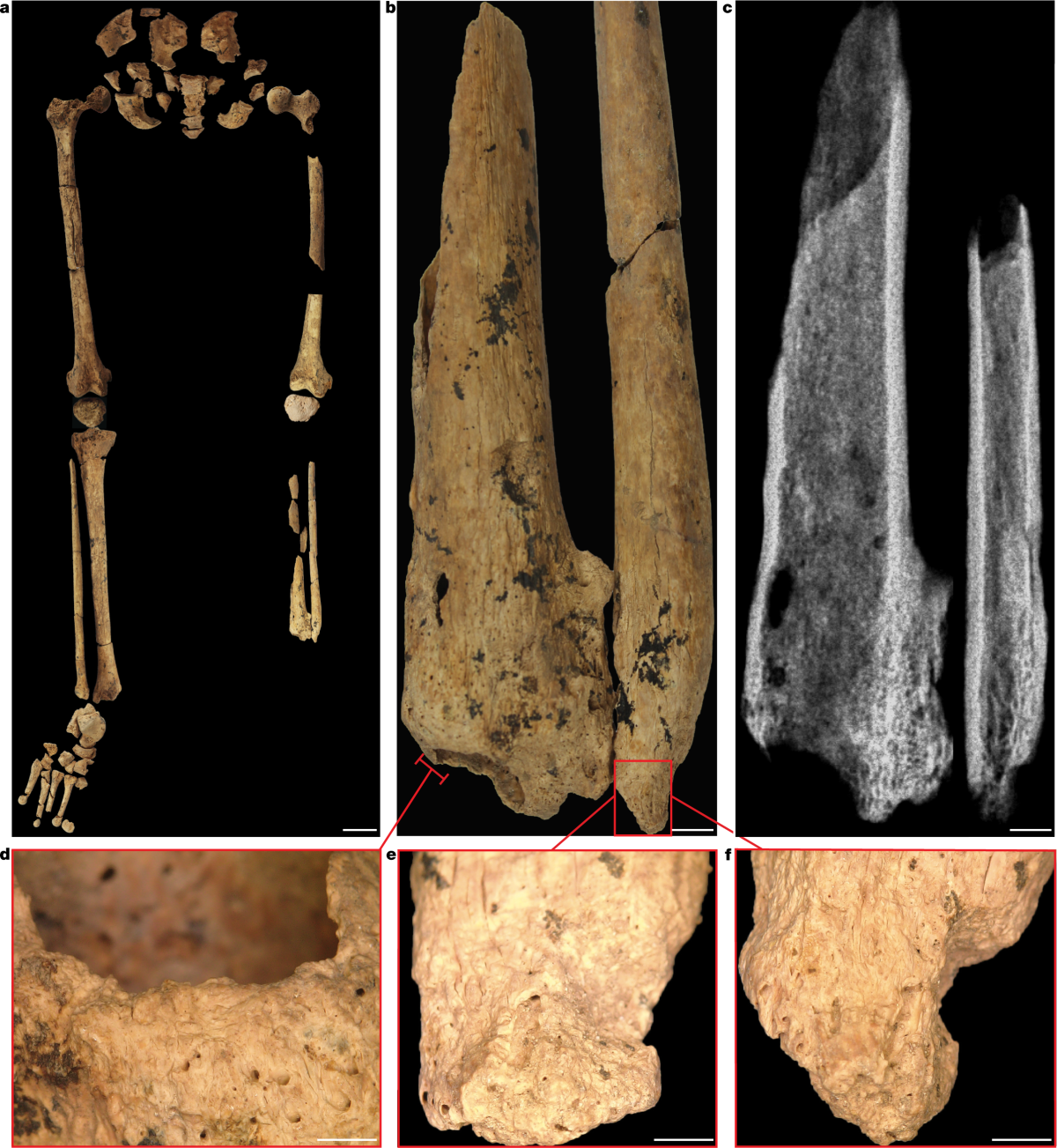
This discovery was made in Borneo, where researchers found the remains of a young individual missing part of a leg. Analysis showed that the amputation was not caused by an accident or animal attack but was intentionally performed.

What makes this finding extraordinary is the evidence of healing. The bone showed signs of regeneration, indicating that the individual survived the procedure for several years afterward. This suggests not only surgical skill but also knowledge of wound care and infection prevention.

The study, published by researchers including Timothy Maloney, challenges the assumption that complex medical practices developed only in later civilizations. Instead, it shows that prehistoric communities possessed a deeper understanding of the human body than previously thought.

Performing an amputation without modern tools or anesthesia would have been extremely difficult. It would require precise cutting techniques, control of bleeding, and post-operative care. The survival of the patient suggests the use of medicinal plants or other natural remedies to prevent infection.

This discovery also highlights the social aspect of prehistoric life. Caring for an individual after such a procedure would require support from the community. This implies a level of compassion and cooperation often underestimated in early human societies.

Other evidence of prehistoric medical practices includes trepanation, a procedure involving drilling holes in the skull. Such findings further support the idea that early humans engaged in experimental and practical approaches to medicine.

The implications of this discovery extend beyond medicine. It provides insight into the cognitive abilities, cultural practices, and social structures of prehistoric humans. It also challenges modern assumptions about the timeline of medical advancement.

Understanding these early practices helps us appreciate the long history of medicine and human innovation. It shows that even in the absence of modern technology, humans have always sought ways to heal and care for one another.

As research continues, more discoveries may further reshape our understanding of prehistoric life. For now, the evidence from Borneo stands as a powerful testament to the ingenuity and resilience of early humans.
← The Lion Man of Hohlenstein-Stadel: The World’s Oldest Anthropomorphic Art The Lost Legions of Varus: Finding the Site of the Teutoburg Forest Disaster →
Featured
image_2026-06-02_134555446.png
June 4, 2026
Roman Mosaics in Spain: The Roman Villa of La Olmeda
June 4, 2026
Read more →
June 4, 2026
image_2026-06-02_134512415.png
June 4, 2026
The Viking Age Silver Economy: Hacksilver and Islamic Dirhams
June 4, 2026
Read more →
June 4, 2026
image_2026-06-02_134427249.png
June 4, 2026
Ancient Egyptian Writing: Hieroglyphs, Hieratic, and Demotic
June 4, 2026
Read more →
June 4, 2026
image_2026-06-02_134351192.png
June 4, 2026
The Roman Arch of Titus: The Spoils of the Jerusalem Temple
June 4, 2026
Read more →
June 4, 2026
image_2026-06-02_134313891.png
June 4, 2026
Ancient Greek Sanctuaries: The Cave of Zeus on Mount Ida
June 4, 2026
Read more →
June 4, 2026
image_2026-06-02_134212891.png
June 4, 2026
The Minoan Pottery Styles: Kamares Ware and Marine Style
June 4, 2026
Read more →
June 4, 2026
read more

Powered by The archaeologist