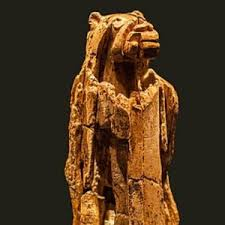
The Lion Man of Hohlenstein-Stadel is considered one of the oldest known examples of anthropomorphic art in the world. Discovered in 1939 in the Hohlenstein-Stadel Cave, this remarkable artifact dates back approximately 40,000 years, placing it in the Upper Paleolithic period.
The sculpture is carved from mammoth ivory and depicts a figure with a human body and the head of a cave lion. This blending of human and animal features makes it a significant example of early symbolic thinking and imagination. It shows that prehistoric humans were capable of abstract ideas and creative expression far earlier than once believed.
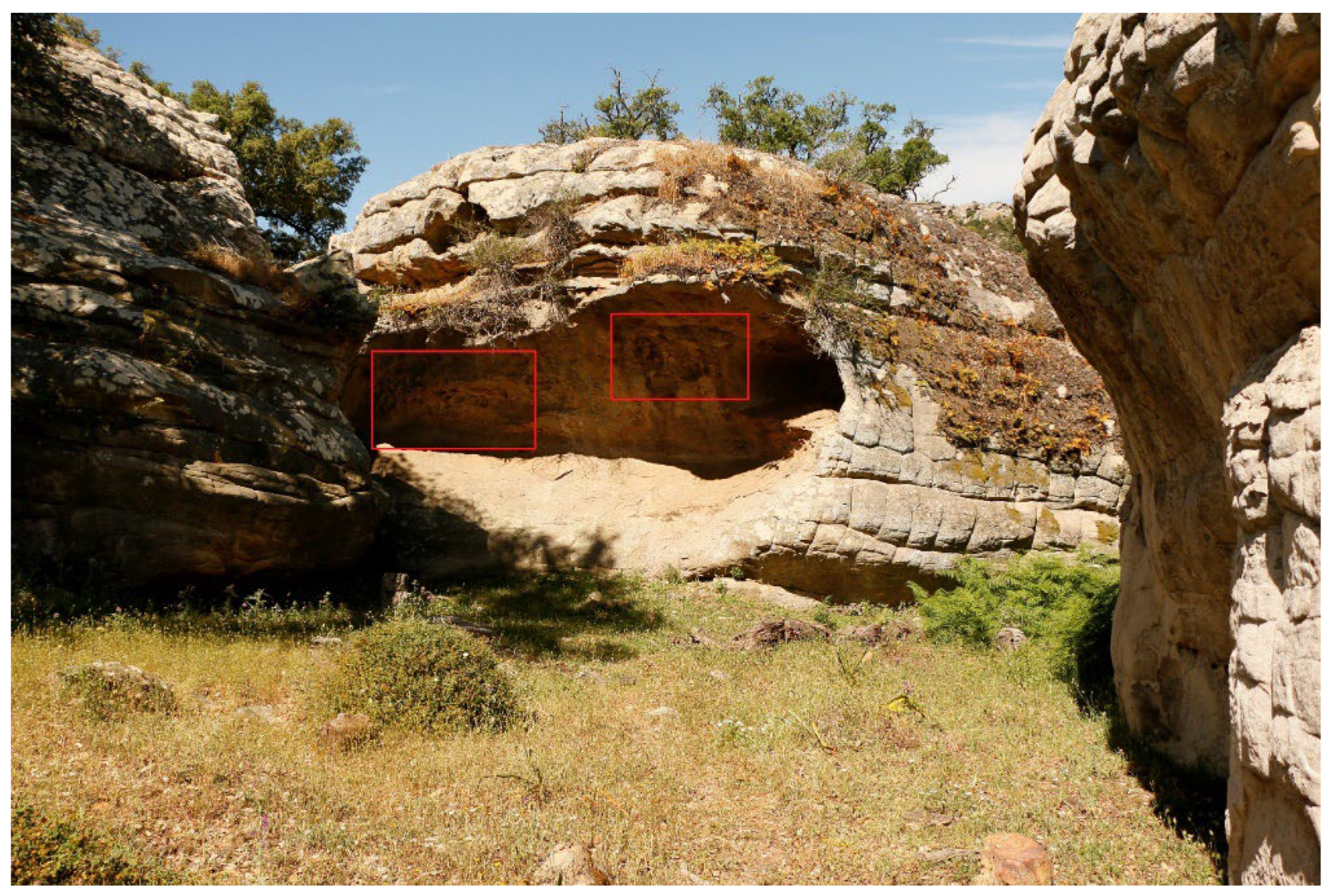
The discovery site is located in present-day Germany, specifically in the Swabian Jura region, an area known for yielding some of the earliest forms of art and musical instruments. The figurine itself was found in fragments and later reconstructed by archaeologists over several decades.
One of the most important aspects of the Lion Man is what it reveals about early human cognition. The ability to create a hybrid figure suggests that humans at the time could imagine beings that did not exist in reality. This is a key feature of symbolic thought, which is essential for language, religion, and culture.
Some researchers believe the Lion Man may have had spiritual or ritual significance. It could represent a deity, a mythological figure, or a shamanic transformation between human and animal forms. The cave lion, now extinct, was one of the most powerful predators of the time, and combining its features with a human body may symbolize strength or supernatural power.
The craftsmanship of the figurine is also impressive. Despite the limitations of stone tools, the artist was able to create detailed features, including the shape of the face and body. This indicates a high level of skill and patience.
The Lion Man challenges earlier assumptions that early humans were primarily focused on survival. Instead, it shows that they also engaged in artistic and possibly spiritual activities. This discovery has helped reshape our understanding of prehistoric life, highlighting the complexity of early human societies.
Today, the Lion Man is housed in a museum in Germany and continues to be a subject of study and fascination. It stands as a powerful reminder of the creativity and imagination of our ancestors.