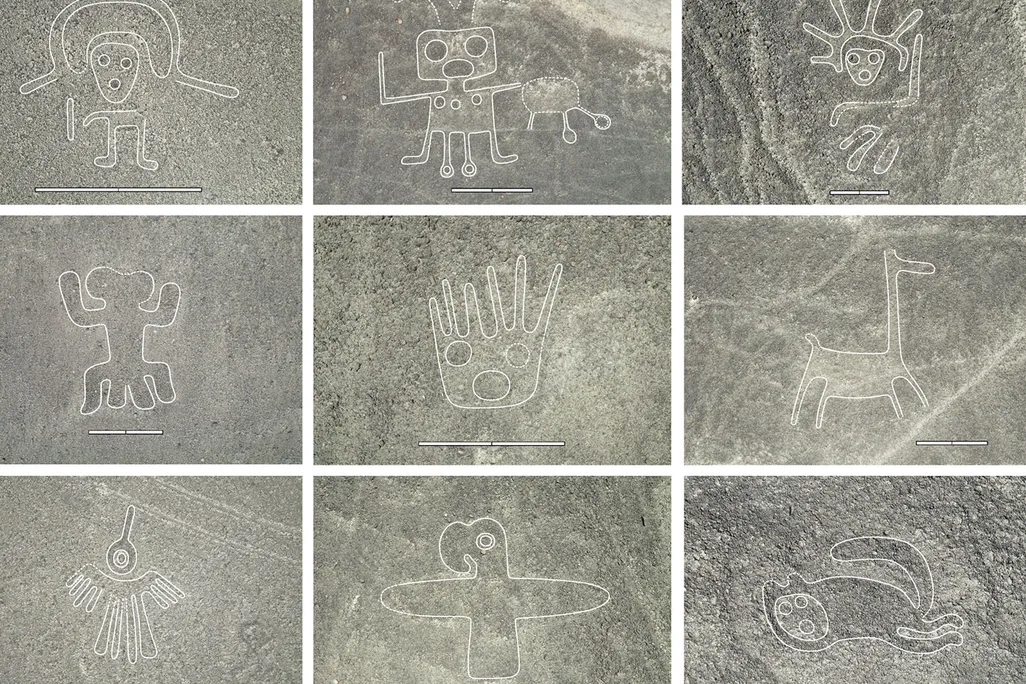
The Nazca Lines are among the most mysterious archaeological features in the world. Located in the desert of Peru, these massive designs etched into the الأرض depict animals, plants, and geometric shapes.
Created by the Nazca culture between 500 BCE and 500 CE, the lines are best viewed from above. For many years, their purpose remained unclear, with theories ranging from astronomical calendars to religious rituals.
Recent advancements in technology have led to the discovery of new geoglyphs using high-resolution satellite imagery and artificial intelligence. Researchers from institutions such as Yamagata University have played a key role in these discoveries.
By analyzing satellite images, researchers have identified previously unknown figures, including animals and humanoid shapes. These findings suggest that the Nazca people created far more geoglyphs than previously thought.
The use of AI has significantly sped up the process of identifying geoglyphs. What once took years of fieldwork can now be done in a fraction of the time. This has opened new possibilities for archaeological research.
The newly discovered geoglyphs vary in size and style, indicating that different groups or time periods may have contributed to their creation. Some are simple lines, while others are detailed representations of animals.
Despite these discoveries, the purpose of the Nazca Lines remains a topic of debate. Many researchers believe they were used in religious ceremonies, possibly related to water and fertility in the arid desert environment.
Preservation of the Nazca Lines is a major concern. Human activity, including tourism and development, poses a threat to these fragile structures. Efforts are being made to protect the site and ensure its survival for future generations.
The discovery of new geoglyphs highlights the importance of technology in modern archaeology. It shows how combining traditional methods with digital tools can lead to new insights into ancient cultures.