Inhabiting the rugged Carpathian Mountains of modern Romania, the Dacians (closely related to the Thracians) forged a centralized, wealthy state that became Rome's most formidable northern rival. At the heart of their empire was Sarmizegetusa Regia, a massive sacred and military capital hidden deep within the Orăștie Mountains, surrounded by a complex web of high-altitude stone fortresses.
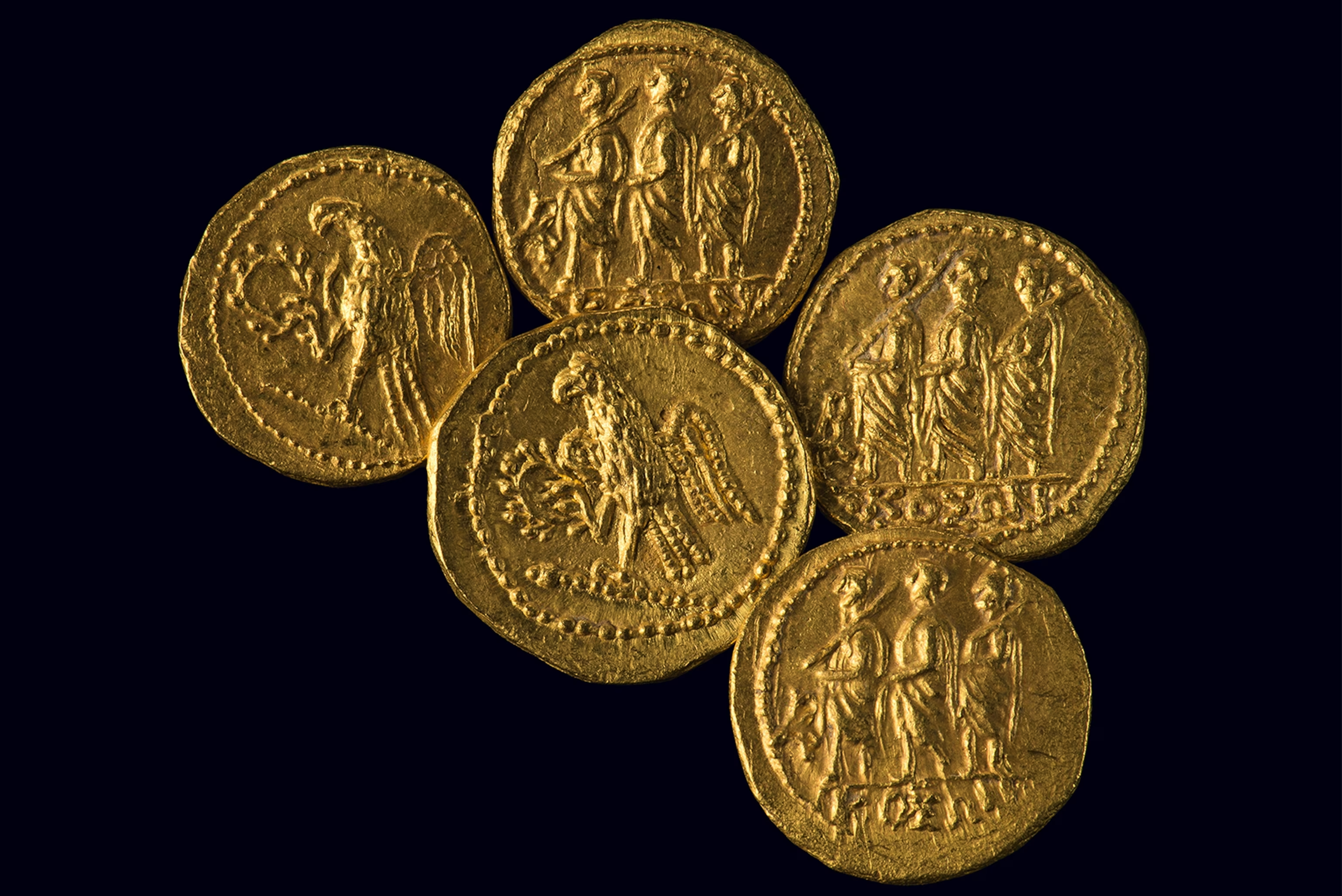
The Subterranean Wealth: The power of the Dacian kings, particularly Burebista and Decebalus, was directly fueled by their absolute monopoly over the rich gold and silver veins of the Apuseni Mountains. The Dacians were master mining engineers, utilizing both extensive alluvial panning in mountain rivers and deep, hard-rock underground mining galleries. They accumulated an almost legendary amount of precious metal wealth, which they used to fund a professional army and construct monumental sacred stone circles used for astronomical calculations and religious sacrifices.
LiDAR Revelations: In recent years, airborne LiDAR (Light Detection and Ranging) technology has stripped away the dense Carpathian forest canopy, revealing that Sarmizegetusa Regia was far larger and more interconnected than previously thought. The scans have exposed miles of terraced mountain slopes, hidden agricultural fields, and an extensive network of advanced stone watchtowers and military outposts that protected the sacred core from Roman legions.
The Spoils of Trajan: The sheer volume of Dacian gold was confirmed when Roman Emperor Trajan finally conquered Dacia in 106 CE after two brutal wars. Roman chronicler Joannes Lydus records that the imperial booty was staggering: roughly 165,000 kilograms of pure gold and 331,000 kilograms of silver. This immense plunder single-handedly rescued the Roman Empire from a severe financial crisis, funded a global tax exemption for Roman citizens, paid for a massive 120-day gladiatorial game celebration, and financed the construction of Trajan’s Forum and Column in Rome.