Situated along the fertile valleys of the Axios (Vardar) and Strymon rivers in modern North Macedonia and southwestern Bulgaria, the Paionians were a powerful coalition of tribes that formed a highly distinct, wealthy kingdom during the Bronze and Iron Ages. Frequently caught in the crossfire between the expanding kingdoms of Macedonia, Thrace, and Illyria, the Paionians are often reduced to a mere footnote in classical texts—but recent archaeology is completely rewriting their history.
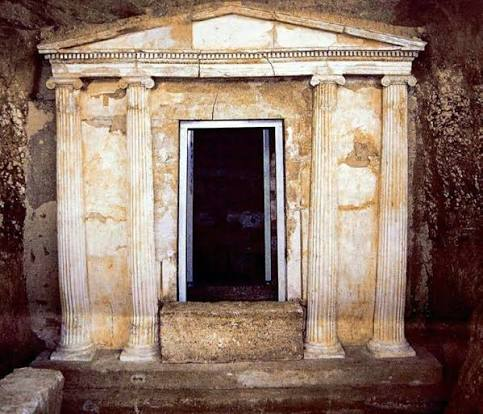
The Wealth of the Axios Valley: Excavations of unlooted elite royal tombs in North Macedonia (such as those at the site of Vardarski Rid and the Stobi region) have revealed an incredibly rich material culture. Paionian kings minted their own highly artistic silver coins, which circulated widely across the Balkans.
The Fusion Style: The contents of their monumental tombs show a unique cultural fusion: exquisite Greek-style silver tetradrachms, bronze crested helmets, and stylized gold burial masks are found alongside heavy iron weaponry and horse trappings that display deep ties to the northern nomadic Scythian world.
The Sacred Cult of the Sun: Paionian religious life was distinct from the Olympian pantheon. Cultic artifacts found within the tombs—including bronze solar discs, stylized bird pendants, and multi-headed ox figurines—point to an intense, deeply rooted solar cult. They worshipped the sun in the form of a small round disc fixed to the top of a pole. Despite maintaining their fiercely independent identity and military power for centuries, they were eventually subdued and systematically integrated into the expanding empire of Philip II of Macedon in the 4th century BCE.