Deep within the isolated, rain-swept valleys of Epirus in northwestern Greece lies Dodona, universally recognized by the ancient world as the oldest of all Hellenic oracular sanctuaries. Long before Delphi and its Pythia gained geopolitical dominance, people traveled to Dodona to hear the will of Zeus Naos and his divine consort Dione, which was interpreted by barefoot priests (the Selloi) who slept on the bare earth to maintain constant contact with the ground, listening to the rustling leaves of a towering, sacred oak tree.
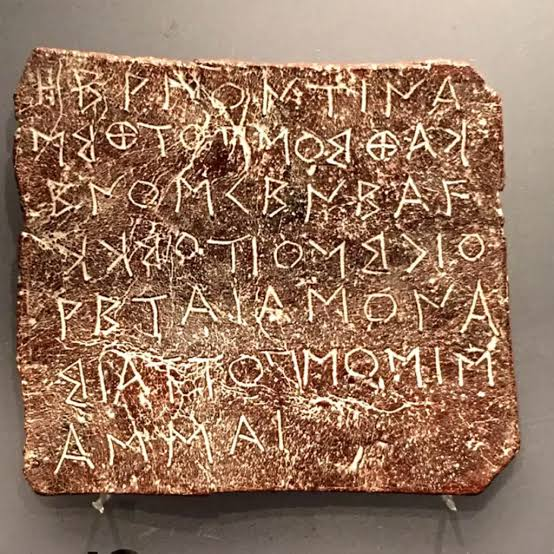
The Metal Archives of Human Anxiety: Unlike Delphi, which primarily answered grand state queries about war and colonies, Dodona was the oracle of the common person. Worshippers bought small, thin strips of lead (lamellae), scratched their intimate questions onto the surface with an iron stylus, folded or rolled the metal tight to conceal the text, and handed it to the priests. Over 4,000 of these lead strips have been recovered over the decades, offering an unparalleled look into ancient daily life.
The 2026 Materiality Breakthrough: Recent academic work and spatial material studies published in 2026 have drastically shifted focus onto the site's rarer, high-status metal artifacts. While lead was used by commoners, elite travelers and state ambassadors scratched their queries into highly polished bronze tablets. The latest cataloging and metallic analyses have brought several highly specific, deeply personal bronze inquiries to light, focusing on health crises, missing household property, and treacherous commercial sea voyages.
Voices from the Metal: These tablets showcase the raw vulnerability of ancient people facing uncertainty. The translated inscriptions show a society obsessed with divine reassurance:
"To Zeus Naios and Dione: Is it safe for me to sail to the colony? Will my business venture succeed, or am I being deceived by my partners?"
Another tablet, likely written by a worried landowner, reads:
"They ask Zeus and Dione regarding the stolen sheep: did Agathocles steal them from the pasture, or was it the slaves? Show us the truth so we may have justice."