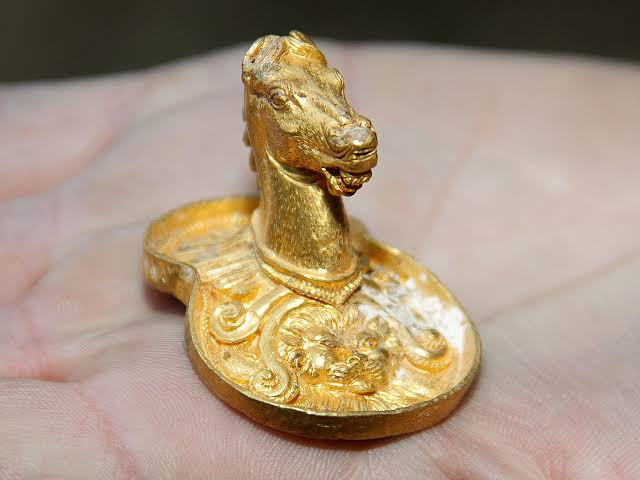
The Thracians were a vast collection of Indo-European tribes who inhabited the dense forests and rolling plains of modern Bulgaria, southeastern Romania, and northern Greece. Described by Herodotus as the most numerous nation in the world after the Indians, they left behind spectacular underground tombs, massive golden treasures, and a reputation as elite, terrifying warriors.
The Elite Genomic Profile: To understand who these "Golden Warriors" actually were, recent genetic studies scaled up the sequencing of human remains from elite Thracian contexts, particularly from the iconic Valley of the Thracian Kings in central Bulgaria. The results painted a picture of a highly dynamic, cosmopolitian population.
A Tapestry of Ancestry: Thracian DNA shows a highly complex ancestral mix: a deep, resilient layer of local Balkan Neolithic farmer ancestry, heavily overlaid with a massive influx of Yamnaya Steppe pastoralist DNA (bringing the R1a and R1b paternal lineages), and further enriched by distinct Aegean/East Mediterranean genetic components.
High Mobility and Dynastic Alliances: This genetic admix confirms that Thrace was never a isolated, barbaric fringe. Instead, the Thracian aristocracy practiced high regional mobility, engaging in heavy trade, political intermarriages, and military alliances with both the Greek poleis to the south and the Scythian nomads to the north. This genetic fluidity mirrors their material culture, where traditional Thracian weapons and animal-style art were frequently rendered in pure Greek-style goldsmithing.