• MAIN PAGE
  • LATEST NEWS
    • Lost Cities
    • Archaeology's Greatest Finds
    • Underwater Discoveries
    • Greatest Inventions
    • Studies
    • Blog
  • PHILOSOPHY
  • HISTORY
  • RELIGIONS
    • Africa
    • Anatolia
    • Arabian Peninsula
    • Balkan Region
    • China - East Asia
    • Europe
    • Eurasian Steppe
    • Levant
    • Mesopotamia
    • Oceania - SE Asia
    • Pre-Columbian Civilizations of America
    • Iranian Plateau - Central Asia
    • Indus Valley - South Asia
    • Japan
    • The Archaeologist Editor Group
    • Scientific Studies
    • Aegean Prehistory
    • Historical Period
    • Byzantine Middle Ages
    • Predynastic Period
    • Dynastic Period
    • Greco-Roman Egypt
  • Rome
  • PALEONTOLOGY
  • About us
Menu

The Archaeologist

  • MAIN PAGE
  • LATEST NEWS
  • DISCOVERIES
    • Lost Cities
    • Archaeology's Greatest Finds
    • Underwater Discoveries
    • Greatest Inventions
    • Studies
    • Blog
  • PHILOSOPHY
  • HISTORY
  • RELIGIONS
  • World Civilizations
    • Africa
    • Anatolia
    • Arabian Peninsula
    • Balkan Region
    • China - East Asia
    • Europe
    • Eurasian Steppe
    • Levant
    • Mesopotamia
    • Oceania - SE Asia
    • Pre-Columbian Civilizations of America
    • Iranian Plateau - Central Asia
    • Indus Valley - South Asia
    • Japan
    • The Archaeologist Editor Group
    • Scientific Studies
  • GREECE
    • Aegean Prehistory
    • Historical Period
    • Byzantine Middle Ages
  • Egypt
    • Predynastic Period
    • Dynastic Period
    • Greco-Roman Egypt
  • Rome
  • PALEONTOLOGY
  • About us
No results found

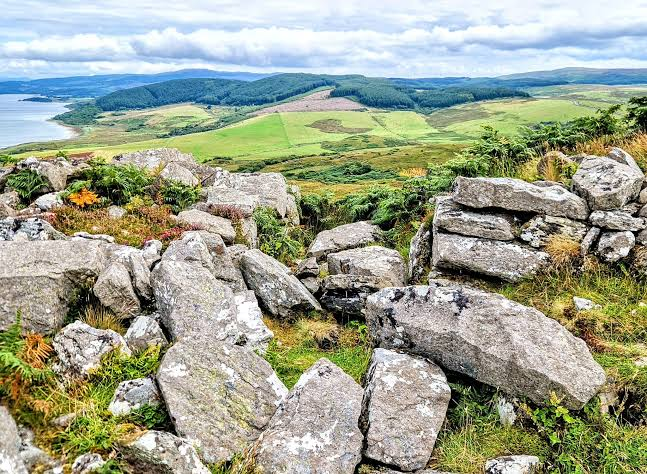
Dun Sgurr: Sleat's Iron Age Dun

September 9, 2026

Dun Sgurr represents the tradition of fortified prehistoric settlements found throughout the Scottish Highlands and Islands.

The term dun generally refers to a fortified site or hillfort, although individual examples vary greatly in form, date, and function.

In Sleat, such monuments demonstrate how communities used naturally defensible landscapes to establish settlements and protected places.

The Iron Age Landscape

The Iron Age in Scotland was characterized by a wide variety of settlements.

These included:

  • hillforts;

  • brochs;

  • duns;

  • enclosed settlements;

  • and undefended farmsteads.

Not every fortified site functioned as a permanent military fortress.

Natural Defense

Duns were often constructed on elevated or naturally protected locations.

Steep slopes could reduce the amount of artificial walling required.

Stone Construction

Many Highland and Island forts used locally available stone.

Dry-stone construction allowed builders to create substantial defensive walls without mortar.

Settlement and Defense

Archaeologists increasingly recognize that fortified settlements could have served social as well as military purposes.

A defended settlement could communicate:

  • wealth;

  • authority;

  • status;

  • security;

  • and community identity.

The Importance of Landscape

The location of a dun could allow its inhabitants to observe surrounding territory.

Visibility was particularly important in landscapes where communities were dispersed.

Iron Age Society

The existence of multiple fortified sites across Scotland suggests that Iron Age society was organized into local communities with varying degrees of social hierarchy.

The monuments may have served elite households or broader communities.

Conclusion

Dun Sgurr: Sleat's Iron Age Dun provides an opportunity to examine the defensive architecture and social organization of Iron Age Skye.

Although the precise function of individual duns remains difficult to determine, such monuments demonstrate that prehistoric communities deliberately shaped the landscape to create places of protection.
← Dunvegan Castle: Skye's Clan MacLeod SeatArmadale Castle: Sleat's Highland History Museum Site →
Featured
image_2026-09-01_150407961.png
September 9, 2026
Dunadd Fort: Argyll's Inauguration Rock Carvings
September 9, 2026
Read more →
September 9, 2026
image_2026-09-01_150445885.png
September 9, 2026
Kilmartin Glen: Argyll's 5,000-Year Megalithic Landscape
September 9, 2026
Read more →
September 9, 2026
image_2026-09-01_150523753.png
September 9, 2026
Nether Largie: Argyll's Clyde Tomb Alignment
September 9, 2026
Read more →
September 9, 2026
image_2026-09-01_150612586.png
September 9, 2026
Ri Cruin: Argyll's Bronze Age Cairn Circle
September 9, 2026
Read more →
September 9, 2026
image_2026-09-01_150753980.png
September 9, 2026
Barnaluasgan: Argyll's Standing Stones
September 9, 2026
Read more →
September 9, 2026
image_2026-09-01_150644895.png
September 9, 2026
Ballymeanoch: Argyll's Kerbed Cairn
September 9, 2026
Read more →
September 9, 2026
read more

Powered by The archaeologist