Introduction
Methoni, located in southwestern Messenia in the Peloponnese, is known for its impressive coastal fortress and strategic maritime position. Its fortifications developed through centuries of military competition involving Byzantine, Venetian, Ottoman, and other regional powers.
The fortress occupied an important position along Mediterranean maritime routes. Its defensive system included walls, towers, gates, and other structures designed to protect the settlement and harbor.
One potentially revealing archaeological subject is the presence of Ottoman-period cannonballs in the moat surrounding the fortress. Such objects could provide information about artillery technology, military activity, and the history of the site's defenses.
A specific collection of cannonballs in the Methoni moat requires archaeological verification, but the fortress provides a well-established historical context for investigating early modern military remains.
1. Methoni's Strategic Importance
Methoni's location near important maritime routes made it a valuable military and commercial position.
Its harbor provided access to the Ionian and Mediterranean maritime networks, while the fortress controlled an important coastal location.
The site became especially significant during the Venetian period.
Venetian authorities developed and maintained substantial fortifications to protect the settlement and its maritime interests.
The fortress later experienced changes in control and military use during the Ottoman period.
2. The Development of Ottoman Artillery
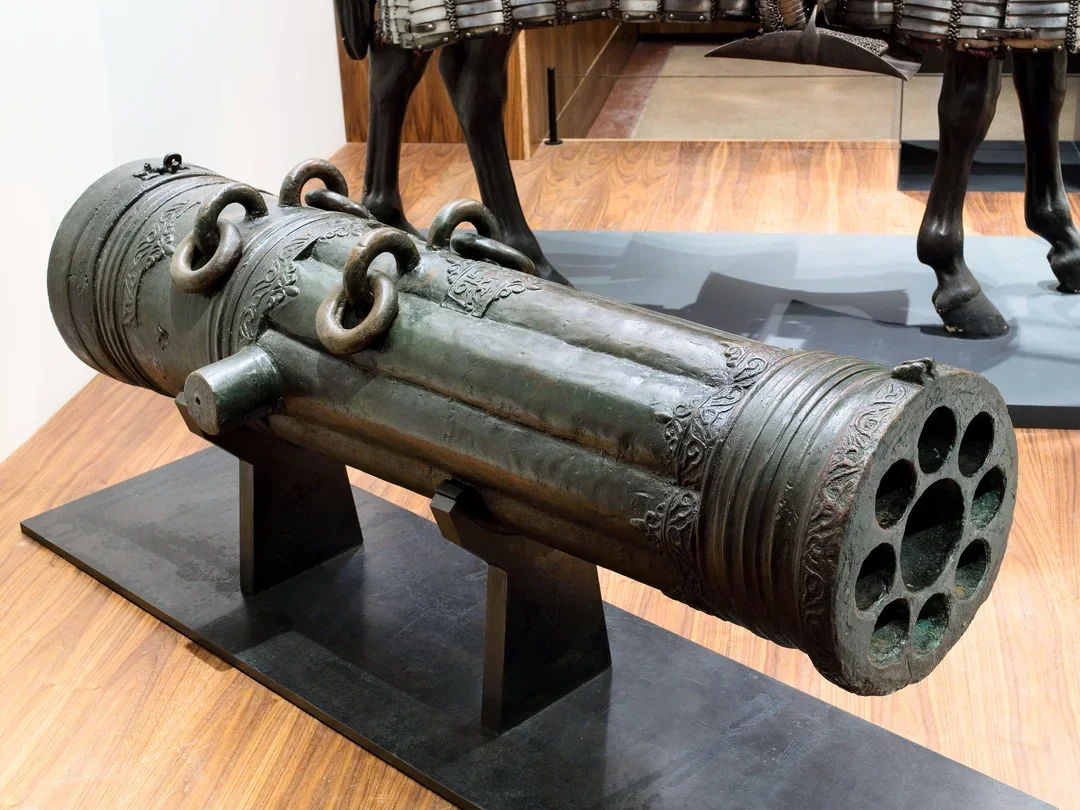
Ottoman military forces used artillery extensively during the early modern period.
Cannons were employed in sieges, coastal defense, and naval warfare.
Their development involved improvements in casting techniques, barrel design, ammunition, and the organization of artillery crews.
Different cannon types fired projectiles of varying sizes and weights.
The development of artillery changed the design of fortifications because defensive structures needed to resist increasingly powerful weapons.
3. Understanding Cannonballs
Cannonballs were solid projectiles fired from smoothbore artillery.
They were commonly made from cast iron or stone, depending on the period, weapon, and intended use.
Their dimensions and weight were related to the cannon's bore and the type of ammunition it was designed to fire.
Some artillery systems also used explosive shells, but these were different from ordinary solid cannonballs.
Archaeologists examine the material, diameter, mass, and manufacturing characteristics of recovered projectiles to identify their possible origin.
4. Why Cannonballs Might Be Found in a Moat
Moats and defensive ditches often accumulated objects over long periods.
Military equipment could be discarded, lost during combat, or deposited during later modifications to the fortress.
Construction and maintenance activities may also have moved objects from nearby defensive positions into the moat.
A cannonball discovered in a moat therefore does not automatically represent ammunition fired during a siege.
Its location and archaeological context are essential for determining how it entered the deposit.
5. Methoni's Fortification System
The fortress of Methoni developed through multiple construction phases.
Its walls, towers, gates, and defensive arrangements reflected changing military technologies and political conditions.
The use of artillery influenced the shape and thickness of fortifications.
Later defensive modifications may have altered earlier structures, creating a complex archaeological sequence.
Researchers studying cannonballs must therefore consider which phase of the fortress's development was associated with the objects.
6. Identifying Ottoman-Period Projectiles
Cannonballs can sometimes be attributed to a broad historical period through their material, dimensions, manufacturing characteristics, and archaeological context.
Iron projectiles may preserve casting seams, surface corrosion, or other production traces.
Comparisons with documented artillery pieces and historical ammunition types can help establish their likely function.
However, cannonballs were not always unique to one political authority. Different military forces could use similar ammunition.
A projectile found at an Ottoman-controlled fortress cannot automatically be identified as Ottoman without supporting evidence.
7. Scientific Analysis of Cannonballs
Material analysis can provide information about the composition of recovered ammunition.
Metallography may reveal aspects of the casting process and the internal structure of iron projectiles.
Chemical analysis can help identify differences in material composition, although it rarely establishes an exact manufacturing location on its own.
Three-dimensional recording allows researchers to document dimensions and surface features.
Conservation is also essential because corroded iron objects may be structurally fragile.
8. What Cannonballs Reveal About Warfare
A securely dated assemblage of cannonballs could help reconstruct the artillery used at Methoni.
Differences in size and material might indicate several types of weapons or ammunition.
Concentrations of projectiles could be associated with defensive positions, storage areas, or episodes of military activity.
When combined with historical documents and architectural evidence, these objects can contribute to understanding the fortress's military history.
However, ammunition alone cannot identify the precise circumstances of a battle or siege.
9. Conservation and Archaeological Protection
Iron cannonballs recovered from wet or marine environments may deteriorate rapidly after exposure.
Their surfaces can contain unstable corrosion products that require specialist treatment.
Archaeologists and conservators document each object's condition before deciding whether to remove it from its original environment.
Submerged or buried military remains should also be protected from unauthorized collection and disturbance.
Methoni's fortress is an important historical monument, and its surrounding archaeological landscape deserves systematic recording and conservation.
Conclusion
Cannonballs associated with Methoni's moat could provide valuable evidence of the fortress's military history and the development of Ottoman-period artillery.
Their dimensions, composition, and archaeological context could help identify ammunition types and possible episodes of military activity.
Although a specific hidden collection requires verification, the study of artillery remains can contribute to a deeper understanding of how coastal fortifications adapted to changing military technology in the early modern Mediterranean.