A Discovery That Rewrote the Timeline
High on a hill in Turkey lies one of the most important archaeological discoveries ever made: Göbekli Tepe.
Dating back over 12,000 years, this site predates Stonehenge and the pyramids by thousands of years. Even more astonishing—it was built before the invention of agriculture.
Monumental Architecture Without Civilization
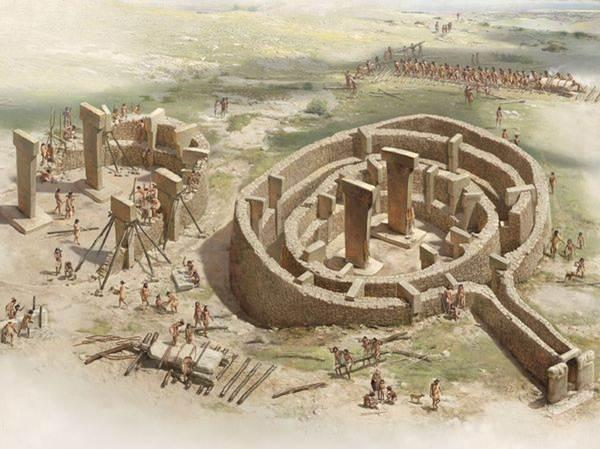
The site consists of massive T-shaped stone pillars arranged in circular enclosures. Many of these pillars are decorated with intricate carvings of animals, including lions, snakes, and birds.
The scale of construction is staggering:
Stones weighing up to 20 tons
Carefully arranged ceremonial layouts
Evidence of repeated building phases
This raises a major question: How could hunter-gatherers build something so complex?
Rethinking the Origins of Religion
For decades, historians believed that organized religion emerged only after people settled into agricultural societies. Göbekli Tepe challenges that idea entirely.
Instead, it suggests the opposite:
religion may have come first.
Gatherings for ritual or belief may have encouraged people to settle in one place, eventually leading to farming and permanent communities.
A Site Still Full of Secrets
Only a small portion of Göbekli Tepe has been excavated. Ground scans suggest that many more structures remain buried beneath the surface.
Each new discovery adds to the mystery, offering clues about early human beliefs, social organization, and creativity.
Why It Matters Today
Göbekli Tepe forces us to rethink one of the biggest questions in human history:
What came first—civilization or belief?
Its answer may reshape our understanding of how society itself began.