Introduction
The Hall of the Dead Mounds, located within Tennessee's Middle Cumberland archaeological region, represent an important Mississippian burial complex dating between approximately 1000 and 1450 CE. Rather than serving as a major residential settlement, the site functioned primarily as a sacred mortuary center where elite individuals and respected community members were buried beneath carefully constructed earthen mounds. These burial monuments provide valuable evidence of Mississippian beliefs concerning death, ancestry, and the afterlife.
Burial Mound Construction
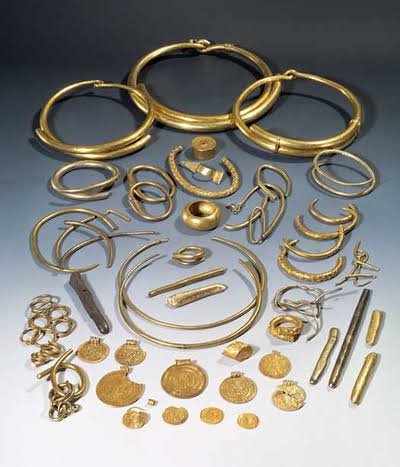
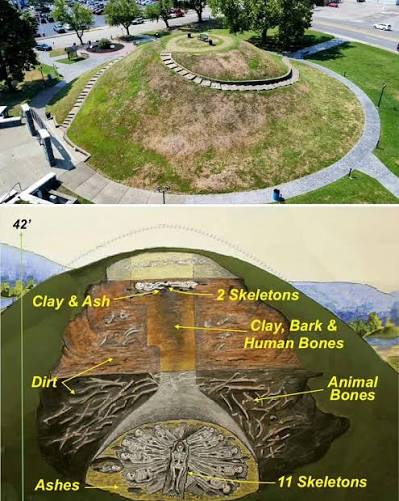
The burial mounds were built by depositing successive layers of earth over prepared graves. Wooden mortuary structures were often erected before the final earthen covering was added. Some individuals were interred with elaborate grave offerings, including shell ornaments, decorated pottery, stone tools, copper artifacts, ceremonial pipes, and personal adornments that reflected their social status.
Repeated mound enlargement over time created impressive earthworks that commemorated generations of community leaders and reinforced ancestral traditions.
Mortuary Rituals
Archaeological evidence indicates that funeral ceremonies involved communal gatherings, ritual feasting, prayers, and offerings to honor the deceased. Elite individuals received particularly elaborate burials, demonstrating the existence of hereditary leadership and social ranking within Middle Cumberland society.
Many grave goods contain symbols associated with the Southeastern Ceremonial Complex, reflecting widespread beliefs concerning rebirth, sacred animals, and the journey of the soul after death.
Archaeological Importance
Excavations have uncovered burial pits, ceremonial objects, pottery, shell ornaments, copper decorations, and skeletal remains that allow researchers to study health, diet, social organization, and religious beliefs. These discoveries have greatly expanded understanding of Mississippian mortuary practices throughout Tennessee.
Conclusion
The Hall of the Dead Mounds preserve one of Tennessee's most important examples of Mississippian ceremonial burial traditions. Their carefully constructed earthworks and richly furnished graves reveal the deep spiritual beliefs, social organization, and ancestral reverence that characterized Middle Cumberland societies before European contact.