Introduction
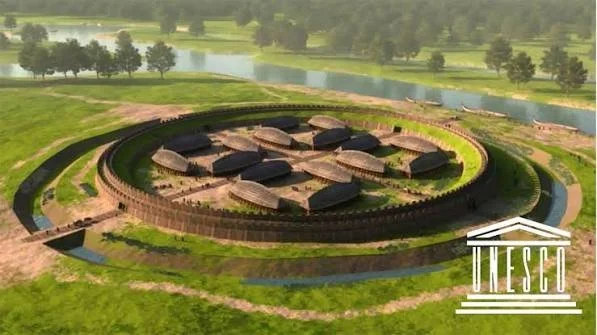
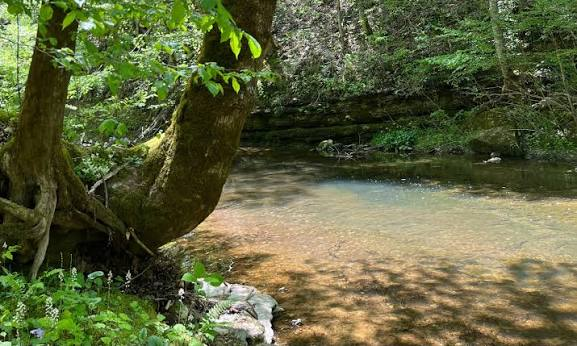
Located near Gallatin, Tennessee, along the shores of Bledsoe Creek, this Mississippian hamlet was occupied between approximately 1100 and 1450 CE. Although much smaller than the great ceremonial capitals of the Southeast, Bledsoe Creek provides valuable insight into everyday life in a rural Mississippian farming community. The settlement consisted of residential houses, storage pits, small ceremonial areas, workshops, and nearby agricultural fields that supported families living within the fertile Cumberland River Valley.
Village Organization
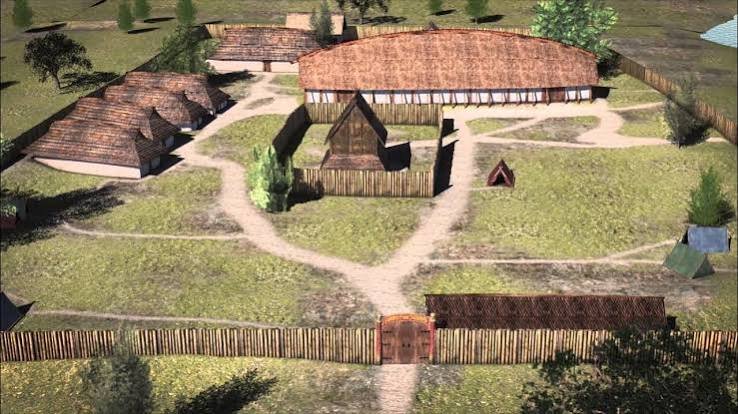
Bledsoe Creek was composed of clusters of rectangular wooden houses arranged around open communal spaces rather than large ceremonial plazas. Houses were built using timber frames covered with woven cane and clay plaster, with central hearths providing warmth and cooking facilities.
Storage pits beneath or beside houses preserved maize and other crops, ensuring a reliable food supply throughout the year. Small refuse areas and workshop spaces indicate that families produced many of their own tools, pottery, and household goods.
Agriculture and Craft Production
Residents cultivated maize, beans, squash, and sunflowers while hunting deer, turkey, rabbits, and fishing in nearby streams and rivers. Seasonal gathering of nuts, berries, and wild plants supplemented agricultural production.
Potters manufactured durable shell-tempered ceramics used for cooking, storage, and food preparation. Stone tools, bone needles, shell ornaments, and woven textiles illustrate the diverse household industries that supported daily life.
Regional Connections
Although relatively small, Bledsoe Creek maintained strong ties with larger Mississippian ceremonial centers through trade and cultural exchange. Imported shell ornaments, exotic stone materials, and shared pottery styles demonstrate participation in the wider Mississippian world while preserving local Middle Cumberland traditions.
Archaeological Importance
Excavations have uncovered house remains, storage pits, pottery fragments, food remains, stone tools, and household artifacts that provide an exceptionally detailed picture of rural Mississippian life. Unlike the monumental mound centers, Bledsoe Creek helps archaeologists understand the daily activities of ordinary farming families who formed the foundation of Mississippian society.
Conclusion
Bledsoe Creek represents an excellent example of a Mississippian farming hamlet, illustrating how agriculture, craft production, and community cooperation sustained larger ceremonial centers throughout Tennessee. Its well-preserved archaeological remains offer valuable insight into the everyday lives, economic practices, and cultural traditions of Indigenous families who lived in the Cumberland River Valley centuries before European settlement.