Zeolite minerals and volcanic environments
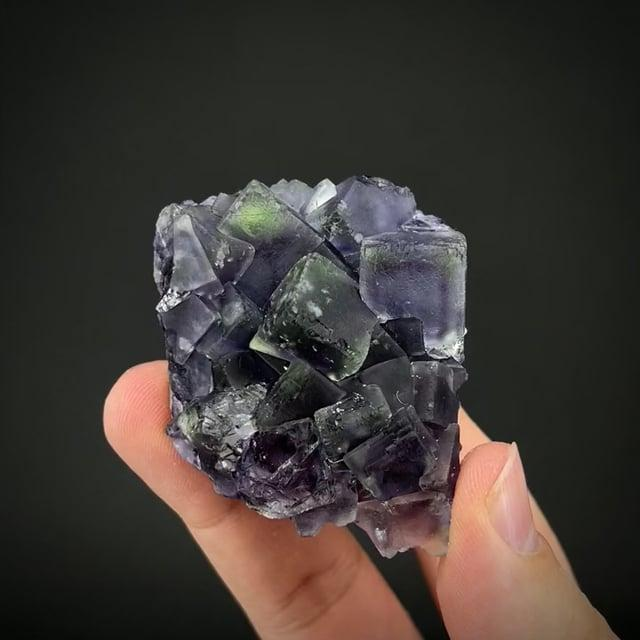
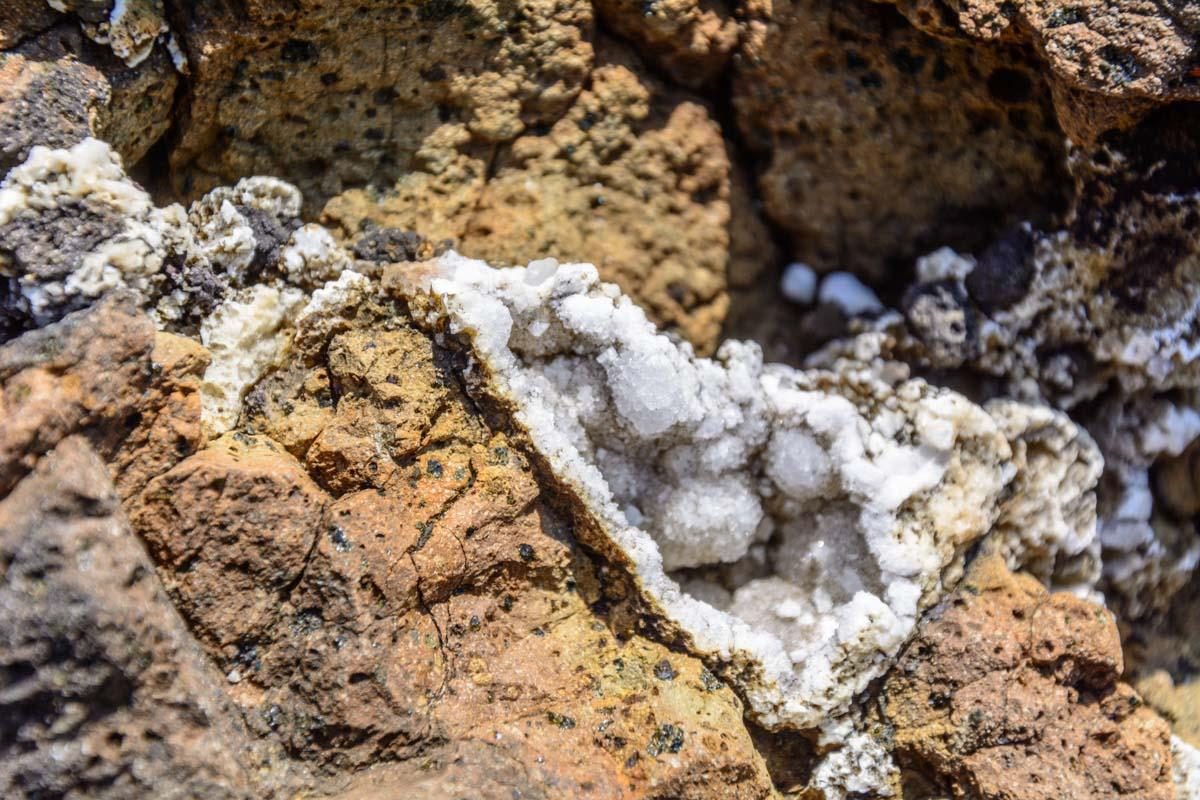
Zeolites are a group of minerals characterized by porous structures that can accommodate water molecules and certain ions. They are commonly associated with volcanic rocks, particularly environments involving volcanic ash and glass that have undergone alteration.
Zeolite formation may occur when volcanic materials interact with water over time. Chemical changes can transform the original volcanic glass into zeolite minerals, depending on temperature, pressure, fluid composition, and the surrounding geological conditions.
These minerals are scientifically important because their structures and chemical properties make them useful in studying geological alteration and in a range of industrial applications.
Zeolite formation in coastal cliffs
Coastal cliffs can expose layers of volcanic materials that have experienced different forms of alteration. Erosion may reveal mineralized zones, fractures, cavities, and other structures.
If zeolites were present in Aeolian coastal cliffs, their occurrence could reflect the geological history of the volcanic material and its interaction with water.
The identification of zeolite requires more than visual inspection. Mineralogical analysis is necessary to determine the specific mineral species and distinguish it from other materials that may have similar appearances.
The geological significance of Aeolian landscapes
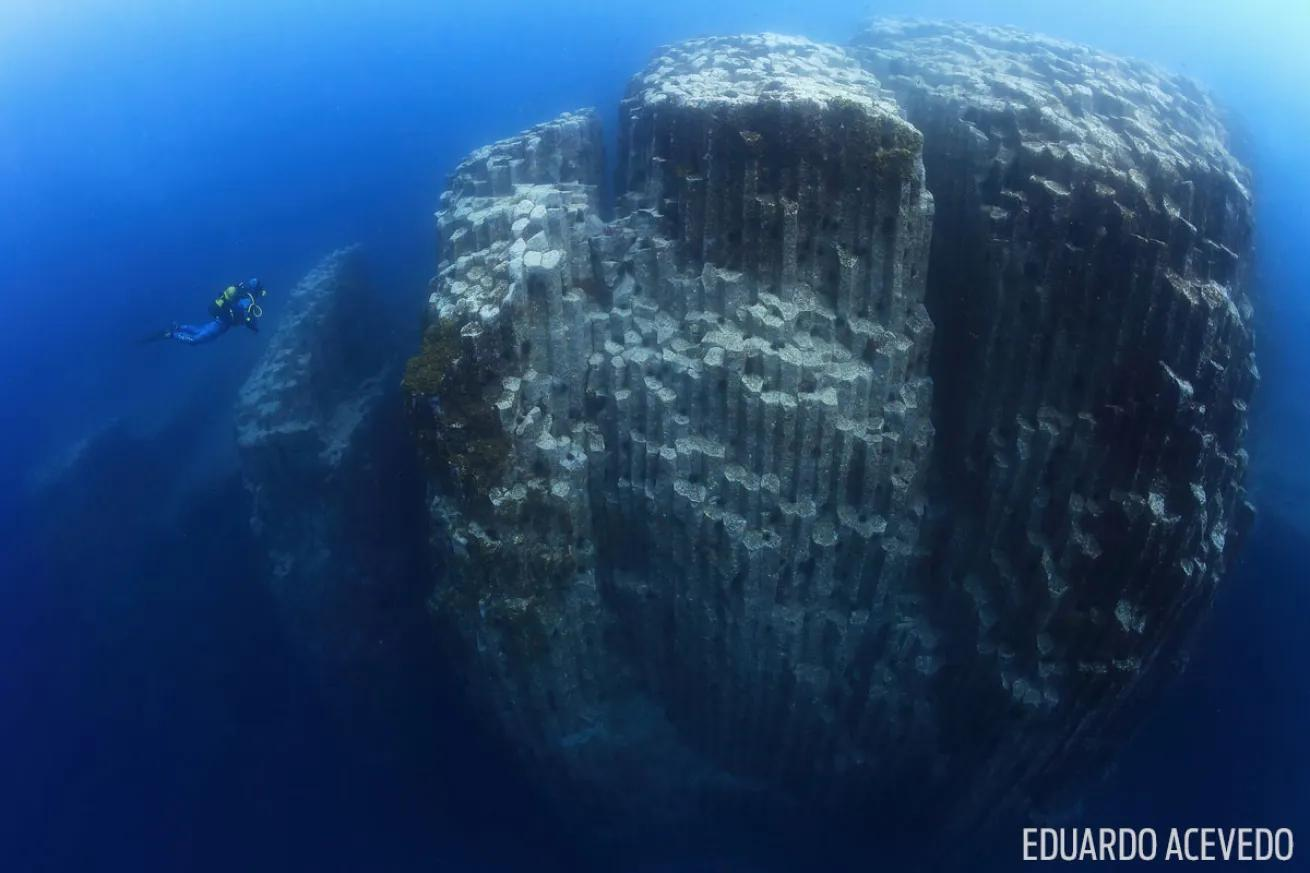
The Aeolian Islands are associated with volcanic activity and distinctive geological formations. Their landscapes provide opportunities to study lava flows, volcanic deposits, erosion, mineral alteration, and the interaction between geological processes and marine environments.
The presence of zeolite minerals in a particular coastal cliff would need to be confirmed through geological mapping and laboratory analysis.
Scientific and practical importance
Zeolites are studied for their porous structure and chemical properties. Their applications include water treatment, adsorption, catalysis, agriculture, and various industrial processes.
A hypothetical study of zeolite in Aeolian coastal cliffs would contribute to understanding volcanic alteration, mineral formation, and the geological evolution of coastal environments.
It could also highlight the relationship between geological resources and sustainable management, particularly where mineral deposits occur within sensitive coastal landscapes.